
Sauces & Condiments
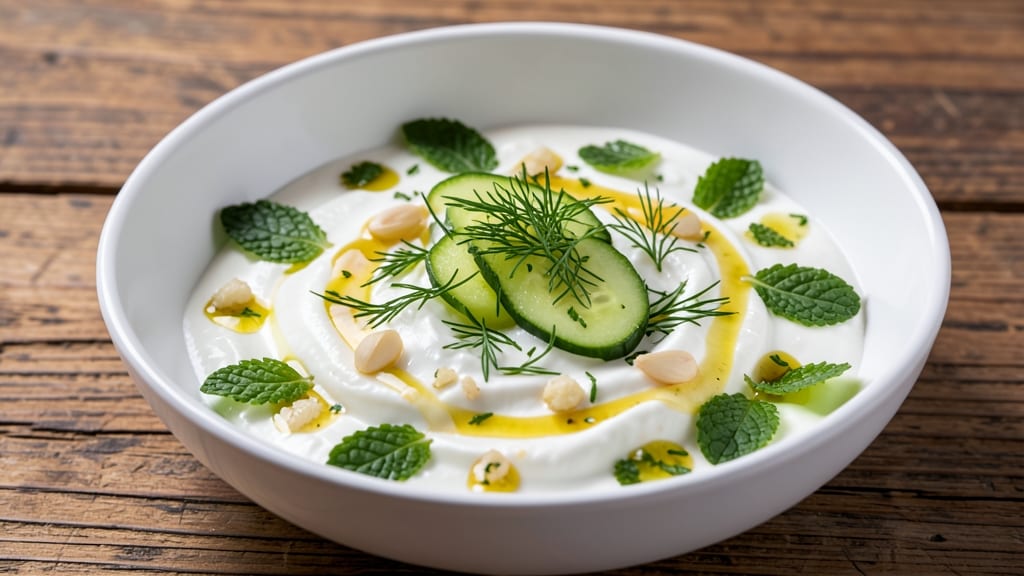
Taziki’s tzatziki sauce recipe delivers that perfect balance of creamy yogurt, crisp cucumber, and herby zing to elevate every dish it touches. After years of testing variations, I’ve perfected a method that guarantees a smooth, tangy sauce with just the right texture—neither too thick nor too watery.
The secret lies in proper straining and a precise garlic-to-yogurt ratio, which transforms simple ingredients into something restaurant-worthy.
The foundation of great tzatziki starts with high-quality Greek yogurt, which provides that signature tang and creaminess without overpowering the fresh cucumber. I prefer using a mix of grated cucumber and finely minced garlic, then straining the excess liquid to achieve a velvety consistency.
Fresh herbs like dill and mint add that bright, aromatic finish, while a drizzle of olive oil ties everything together.
What you’ll end up with is a sauce that’s equally at home as a dip for pita chips, a topping for grilled meats, or a cooling element in wraps. The texture remains luscious for hours, and the flavors deepen as it sits—making it ideal for meal prep.
This isn’t just another tzatziki; it’s the kind that turns ordinary dishes into something special.
For those with dietary preferences, I’ve included a vegan-friendly version using coconut yogurt, and storage tips to keep your sauce fresh for up to five days. Let’s make this sauce that brings freshness to every bite.
Ingredients for taziki's tzatziki sauce
High-quality yogurt, crisp cucumber, and fresh herbs make this restaurant-style tzatziki.
| Ingredient | Amount | Notes |
|---|---|---|
| Plain Greek Yogurt 🧀 | 1 ½ cups | Non-fat or full-fat, unsweetened |
| English Cucumber 🥒 | 1 medium | Peeled and deseeded |
| Garlic Cloves 🧄 | 3 cloves | Freshly minced, not pre-minced |
| Fresh Dill 🌿 | ¼ cup | Chopped, stems removed |
| Fresh Mint Leaves 🍃 | ⅛ cup | Finely chopped |
| Extra-Virgin Olive Oil 🫒 | ¼ cup | High-quality, fruity variety |
| Lemon Juice 🍋 | 2 tbsp | Freshly squeezed |
| Sea Salt 🧂 | ½ tsp | Fine grain preferred |
| Black Pepper 🌶️ | ¼ tsp | Freshly ground |
The Greek yogurt is non-negotiable here—Fage 2% or Chobani plain are my go-tos, but any unsweetened, full-fat or non-fat works. Look for brands with high protein content (at least 10g per serving) for the best texture. The cucumber should be firm and bright green—avoid those with soft spots or yellowing. I always buy English cucumbers from the Whole Foods produce section or local farmers' markets, but regular seedless cucumbers work in a pinch. Fresh herbs are key too: Trader Joe's has the best pre-washed dill and mint bundles, but if you're growing your own, snip the freshest leaves you can find.
No Greek yogurt? Coconut yogurt for vegan version works perfectly—just use the same amount. Running out of dill? Fresh parsley at half the amount gives a milder flavor. The garlic can be roasted for a sweeter taste—just wrap the whole cloves in foil and bake at 400°F for 10 minutes. For extra tang, add 1 tsp apple cider vinegar to the lemon juice. The olive oil should be fruity and peppery—California extra-virgin brands like Corto or Lucini are my favorites. If you're making this ahead, strain the sauce through a fine-mesh sieve to remove excess moisture for a thicker consistency.
This sauce keeps beautifully—5 days in the fridge covered with plastic wrap pressed directly on the surface. For longer storage, portion into ice cube trays, freeze, then transfer to a bag. Thaws perfectly and tastes even better the next day as flavors meld. I always make a double batch—one for immediate use, one for freezing. The vegan version with coconut yogurt stays fresh for 3 days in the fridge, so use it sooner rather than later.
Why You'll Love This Recipe
- No Squeeze Required: I’ve been squeezing cucumbers for years—until I realized this recipe just needs them grated. No watery mess, no sad colander. Just toss the peeled cucumber in a towel, wring it out, and grate it fine. My hands stay dry, my kitchen stays clean, and the sauce turns out silky smooth.
- Garlic-Mint Magic: Honestly, the garlic and mint are what make this sauce sing. A single clove, minced fine, and a handful of mint leaves—no fancy tools needed—give it that bright, herby punch. The yogurt keeps it cool, but the herbs? They’re the star. Trust me, one bite and you’ll be reaching for more.
- Weeknight’s Secret Weapon: I make this on Tuesdays because it’s the only thing keeping me sane. Slap it on grilled chicken, wrap it in pita, or drizzle it over roasted veggies. It’s the kind of sauce that disappears in minutes but makes everything taste like a vacation. My kids even ask for it—no complaints.
- Leftovers Are Your Friend: This sauce keeps perfectly for up to a week, and honestly, it tastes even better the next day. I double the batch and freeze half in an ice cube tray for future lazy nights. Budget-friendly? Yes. Time-saving? Absolutely. Now that’s a win.
Step-by-step instructions for taziki's tzatziki sauce recipe
Here's how to make the creamy, vibrant sauce that brings herby zing to every bite.
Grate and Drain the Cucumber
Peel the medium English cucumber and cut it in half lengthwise. Using a box grater or food processor, grate the cucumber into a fine texture. Transfer the grated cucumber to a clean kitchen towel or cheesecloth and gently squeeze out all the excess liquid. This step is crucial—it removes the watery bitterness that can make your sauce watery. You should end up with about ½ cup of drained cucumber pulp after squeezing.
I like to work in batches if needed, but don't rush this part. The more liquid you remove now, the thicker and more stable your sauce will be later. If you're short on time, you can also place the grated cucumber in a fine-mesh strainer and press it gently with a spoon to extract moisture.
Mix the Base Ingredients
In a medium mixing bowl, combine the 1.5 cups plain Greek yogurt, the drained cucumber pulp, and the 3 cloves freshly minced garlic. Stir well to incorporate everything completely. The yogurt should look slightly thickened from the cucumber, but still smooth. If you notice any lumps of garlic, press them gently with the back of your spoon to break them down.
Here's the thing—don't skip the garlic. It's what gives authentic tzatziki its signature flavor punch. But if you're sensitive to strong flavors, you can reduce it to 2 cloves. The mixture should be cool but not cold, so if your yogurt came straight from the fridge, let it sit at room temperature for about 10 minutes before mixing.
Add Herbs and Seasonings
Add the 0.25 cup chopped fresh dill and 0.125 cup finely chopped fresh mint leaves to the yogurt mixture. Stir well to distribute the herbs evenly. Next, drizzle in the 0.25 cup extra-virgin olive oil while continuing to stir. The sauce should begin to take on a vibrant green color and develop a fresh, herby aroma. If you're using a high-quality olive oil, you'll notice its fruity notes complementing the herbs beautifully.
Season the mixture with the 0.5 teaspoon sea salt and 0.25 teaspoon freshly ground black pepper. Taste and adjust the seasoning if needed—tzatziki should be bright, not bland. I usually find this amount perfect, but if you're using salted yogurt, you might want to reduce the added salt slightly. Give it one final stir to make sure everything is well combined.
Finish with Lemon and Rest
Add the 2 tablespoons freshly squeezed lemon juice to the bowl and mix thoroughly. The lemon juice will brighten the flavors and help balance the richness of the yogurt. At this point, your tzatziki should be creamy, fragrant, and ready to serve. However, for the absolute best texture and flavor, let it rest in the refrigerator for at least 1 hour before serving.
This resting period allows the flavors to meld together and the sauce to thicken slightly. I know it's tempting to eat it immediately, but trust me—waiting makes a world of difference. If you're short on time, even 30 minutes in the fridge will help. Once chilled, give it one final taste and adjust the seasoning if needed before serving with your favorite dippers or as a topping.
Pro Tips For Making Taziki'S Tzatziki Sauce
- Drain the Cucumber: Squeeze that cucumber like you’re wringing out a damp towel—this isn’t the time to be gentle. After grating, wrap it in a clean kitchen towel or cheesecloth and twist hard to remove every drop of water. Watery tzatziki is the fast track to a sad, thin sauce. (Trust me, I’ve seen it turn into yogurt pudding.)
- Use Cold Yogurt: Pull the Greek yogurt straight from the fridge—no room temp here. Cold yogurt blends smoother and holds its structure better, so your tzatziki won’t turn into a runny mess. I learned this the hard way when my sauce curdled mid-blending. Pro tip: If your yogurt’s too thick, add a splash of cold water, not room temp.
- Mince the Garlic: Skip the whole cloves unless you want garlic flavor and a mouthful of texture. Finely mince the garlic (or use a garlic press) so it dissolves into the sauce without leaving stubborn bits. I once bit into a tzatziki with a garlic clove and nearly choked—don’t be that person.
- Let It Rest: After mixing everything, cover the bowl and refrigerate for at least 30 minutes—ideally an hour. This lets the flavors meld and the cucumber’s bitterness soften. I used to skip this step (because who has time?), but now I swear by it. Your taste buds will thank you.
Flavor customization for this taziki's tzatziki sauce
Herb Variations
Swap out dill and mint for other fresh herbs to create unique flavor profiles. Try flat-leaf parsley and tarragon for a more French-inspired twist—this combo adds a delicate anise-like note. For a Mediterranean flair, add fresh oregano and thyme, which pairs beautifully with grilled lamb.
I’ve also experimented with cilantro and lime zest for a bright, zesty variation that works perfectly with Mexican street tacos. 🌿
Spicy Kick
For those who love heat, add 1-2 teaspoons of finely grated fresh jalapeño or ½ teaspoon of red pepper flakes to the base mixture. If you prefer a smoky heat, mix in ½ teaspoon of smoked paprika with the garlic.
For a more subtle spice, try ½ teaspoon of ground coriander—it adds warmth without overpowering. Always taste as you go, especially if you’re sensitive to spice levels.
Citrus Twists
Beyond lemon juice, experiment with other citrus flavors to brighten your tzatziki. Add 1 tablespoon of orange zest and swap the lemon juice for orange juice—this creates a refreshing, slightly sweet variation that pairs well with seafood.
For a tangier profile, use lime juice instead of lemon and add ½ teaspoon of ground cumin for an unexpected Middle Eastern twist. I’ve also enjoyed a grapefruit juice version with a pinch of salt—it’s surprisingly delicious with grilled chicken.
Smoky & Charred
For a deeper, more complex flavor, char the garlic and cucumber before using them. Wrap 2 cloves of garlic in foil and roast at 400°F for 10 minutes until caramelized.
For the cucumber, hold it over an open flame (like a gas stove) or grill it briefly until it develops slight char marks. This smoky depth elevates the sauce, making it perfect for hearty dishes like grilled steaks or smoked meats. 🔥
Vegan Adaptations
Replace the Greek yogurt with unsweetened coconut yogurt (like So Delicious brand) for a dairy-free version. To mimic the tanginess, add 1 extra tablespoon of lemon juice and a pinch of apple cider vinegar.
For texture, blend ¼ cup of silken tofu into the coconut yogurt before mixing with the other ingredients. This keeps the sauce creamy while staying plant-based. The flavor holds up well for 3 days in the fridge, so use it sooner rather than later.
Sweet & Savory
Add a touch of sweetness to balance the tangy and herby notes. Stir in 1 tablespoon of honey or maple syrup with the lemon juice for a subtle sweetness that works beautifully with grilled fruits like peaches or pineapple.
For a savory-sweet combo, mix in 1 teaspoon of miso paste with the garlic—this adds umami depth that pairs incredibly well with Asian-inspired dishes. I’ve also enjoyed a version with ½ teaspoon of cinnamon for a warm, spiced twist, especially during the fall months.
Nutrition facts
Frequently asked questions
Why does my tzatziki sauce turn watery?
Excess moisture from cucumbers is the usual culprit. Always drain grated cucumber thoroughly using a clean kitchen towel or cheesecloth. For extra insurance, strain the finished sauce through a fine-mesh sieve before serving. The resting time in the fridge also helps thicken it naturally.
Can I make this sauce without fresh herbs?
Use 1 tablespoon each of dried dill and mint (about 1/3 the fresh amount) if needed. For best results, rehydrate dried herbs in warm water for 5 minutes before adding. The flavor won't be identical, but it's a good backup for when fresh herbs aren't available.
What's the best way to store leftover tzatziki?
Keep it fresh by pressing plastic wrap directly on the surface to prevent a skin from forming. It stays good for 5 days in the fridge. For longer storage, freeze in ice cube trays—thawed portions work perfectly for cooking (like soups or stews) but may separate slightly.
How can I make this sauce spicier?
Add 1-2 teaspoons of finely grated jalapeño or ½ teaspoon of red pepper flakes to the base mixture. For smoky heat, mix in ½ teaspoon of smoked paprika with the garlic. Always taste as you go—spice levels build up as the sauce sits in the fridge.
Is this tzatziki suitable for vegans?
With simple swaps! Use unsweetened coconut yogurt instead of Greek yogurt, plus 1 extra tablespoon of lemon juice and a pinch of apple cider vinegar. For creaminess, blend in ¼ cup of silken tofu. The vegan version keeps well for 3 days in the fridge.