
Sauces & Condiments
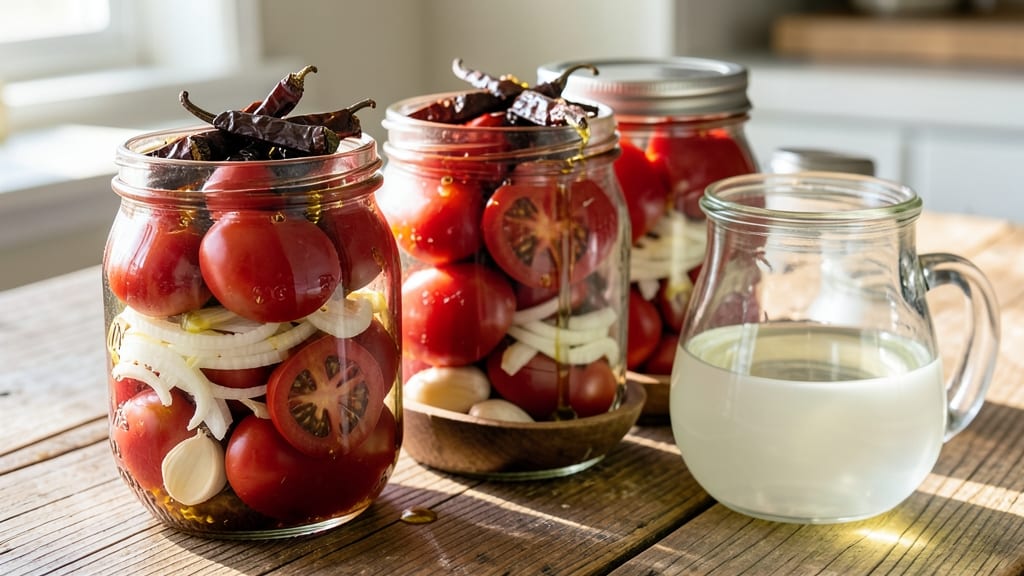
Canning picante sauce is the perfect way to preserve bold, smoky chipotle heat for all your favorite dishes—think enchiladas, tacos, or even grilled meats. This recipe delivers a rich, balanced sauce with deep flavors that stay vibrant for months, thanks to proper sterilization and water-bath canning techniques.
I’ve perfected the ratio of tomatoes, peppers, and spices to ensure every jar delivers that signature tangy, smoky kick without overpowering your meals.
The beauty of this method lies in its simplicity: fresh ingredients simmered into a thick, flavorful base, then safely preserved in sterilized jars. Whether you’re a seasoned canner or trying it for the first time, the step-by-step process ensures restaurant-quality results every time.
The key is balancing acidity (thanks to vinegar and tomatoes) to meet safe canning standards while keeping the sauce’s bold, smoky essence intact.
By the end, you’ll have jars of deeply aromatic picante sauce that elevate any dish—from breakfast eggs to hearty stews. The sauce’s texture remains smooth and spreadable, with layers of heat and smokiness that develop even more richness over time.
This is the kind of pantry staple that turns ordinary meals into something extraordinary, all while lasting for months.
Ready to stock your kitchen with homemade heat? Let’s get started with the ingredients and canning process—it’s easier than you think.
Ingredients for canning picante sauce
Six pounds of tomatoes and smoky chipotle peppers—this is your pantry's new secret weapon.
| Ingredient | Amount | Notes |
|---|---|---|
| Ripe Roma Tomatoes 🍅 | 6 lb | Cored and quartered, skin-on |
| Chipotle Peppers in Adobo 🌶️ | 4 whole | Stems and seeds removed, chopped |
| White Onions 🧅 | 1 ½ lb | Peeled and quartered, skin-on |
| Garlic Cloves 🧄 | 8 cloves | Peeled and smashed |
| White Vinegar 💧 | 1 cup | Distilled, 5% acidity minimum |
| Extra-Virgin Olive Oil 🫒 | ½ cup | For richness and balance |
| Ground Cumin 🌿 | 2 tbsp | Toasted for depth of flavor |
| Dried Oregano 🍃 | 1 tbsp | Mexican oregano preferred |
| Salt 🧂 | 2 tsp | Diamond Crystal kosher salt |
| Black Peppercorns 🌶️ | 1 tsp | Freshly cracked |
The tomatoes are the heart of this sauce, so pick perfectly ripe Roma tomatoes—they should yield to gentle pressure but not be mushy. Local farmers markets often have the best selection, but grocery store produce works if it's vibrant and heavy for its size. Chipotle peppers in adobo are a must for that signature smoky heat, but if you can't find them, smoked paprika at double the amount gets you close. For the onions, white onions add sweetness without overpowering, but yellows work too. Toast your cumin seeds in a dry pan for 30 seconds before grinding—Penzeys or Spicewalla carry premium versions, but the bulk bins at Whole Foods are budget-friendly.
No chipotle peppers? Dried arbol chiles or smoked paprika add similar depth, though the flavor won't be identical. Vinegar is critical for safety—white vinegar with 5% acidity or higher ensures proper preservation. Swap extra-virgin olive oil for avocado oil if you prefer, but don't skip it—the sauce needs that richness. For oregano, Mexican oregano has a distinct, earthier flavor, but regular dried oregano works in a pinch. If you're canning for the first time, test your jars with a water bath first to ensure they seal properly before committing to the full batch.
This sauce keeps for 12-18 months in a cool, dark pantry, but the flavor peaks after about 3 months. Store jars upright to prevent warping, and always check seals before opening. For best results, process filled jars in a water bath for 15 minutes—this ensures safety and preserves that vibrant, smoky flavor. Once opened, transfer to the fridge and use within 1 week. The sauce thickens as it sits, so add a splash of water if it becomes too stiff for spreading.
Why You'll Love This Recipe
- No-Fuss Simmer: I swear by this recipe because it’s literally dump-and-stir. Halve those Roma tomatoes, toss them in a pot with the onions and garlic, then let the chipotles in adobo do their magic while you sip your coffee. The vinegar ties it all together without extra effort—just 20 minutes, no fuss.
- Smoky Heat Magic: That first bite? Chef’s kiss. The chipotles in adobo bring deep, smoky warmth, while the Roma tomatoes keep it bright and tangy. The vinegar cuts through the richness, leaving you with a sauce that’s bold but balanced—like a hug from your abuela’s kitchen.
- Pantry Staple Power: Honestly, this sauce is my secret weapon for lazy nights. Drizzle it over grilled chicken, toss it into beans, or slather it on tacos—it elevates everything. And because it keeps for months in the fridge (or years if canned), I never run out when inspiration strikes.
- Budget-Friendly Flex: Between us, Roma tomatoes and onions are cheap, and a single can of chipotles stretches across multiple batches. Make a big pot, can half, and freeze the rest—now you’ve got flavor on demand without breaking the bank. Plus, leftovers? They’re just better tomorrow.
Step-by-step instructions for canning picante sauce
Here's how to create a rich, smoky picante sauce that preserves beautifully and delivers bold flavor all year.
Prepare and Sterilize Your Canning Equipment
Begin by thoroughly cleaning all canning jars, lids, and bands in hot, soapy water. Place the jars in a large pot and cover with water, bringing to a boil for 10 minutes to sterilize. Keep them hot until ready to use. Meanwhile, prepare your canning rack by lining a large stockpot with a clean kitchen towel—this protects the jars from scratching while they process.
While the jars sterilize, prepare your canning equipment by setting out the lids and bands separately. You'll need 4 pint-sized jars for this recipe. The sterilization step is critical—it prevents contamination and ensures your picante sauce stays safe to eat for months. I like to use a jar lifter to handle the hot jars, as they'll be scalding after sterilization.
Roast the Tomatoes and Aromatics for Deep Flavor
Preheat your oven to 425°F and line two baking sheets with parchment paper. Spread the 6 lb ripe Roma tomatoes, 1.5 lb white onions, and 8 cloves garlic cloves in a single layer on the sheets. Drizzle with 0.25 cup of the extra-virgin olive oil and toss gently to coat. Roast for 30-35 minutes until the tomatoes blister and darken slightly, and the onions become tender.
Here's the thing—roasting develops a caramelized depth that canned sauces often lack. You'll see the tomatoes soften and release their juices, creating a fragrant aroma that fills your kitchen. Remove the roasted vegetables and set them aside in a large mixing bowl. I like to work quickly at this stage to preserve the heat and flavors before moving to the stovetop.
Blend the Roasted Ingredients with Chipotle and Spices
Transfer the roasted tomatoes, onions, and garlic to a food processor or blender. Add the 4 whole chipotle peppers in adobo (chopped), 2 tbsp ground cumin, 1 tbsp dried oregano, 2 tsp salt, and 1 tsp black peppercorns. Pulse until smooth, scraping down the sides as needed. The mixture should be finely blended but still retain some texture—this creates a balanced sauce with body.
Taste the mixture before proceeding. You'll notice the smoky heat from the chipotles and the earthy warmth of the cumin. If you want to adjust the heat level, you can remove some of the chipotle seeds before blending—this reduces the capsaicin content. I prefer a medium heat that lingers without overwhelming, so I leave the seeds in for this recipe.
Simmer and Acidify the Picante Sauce
Return the blended mixture to the stockpot and stir in the remaining 0.25 cup extra-virgin olive oil and 1 cup white vinegar. Bring to a boil over medium-high heat, then reduce to a simmer and cook for 20-25 minutes, stirring occasionally. This step is where the flavors meld and the acidity from the vinegar develops, which is essential for safe canning.
As it simmers, you'll see the sauce thicken slightly and the colors deepen to a rich, smoky red. The vinegar not only adds tang but also helps preserve the sauce by lowering the pH. Skim off any foam that rises to the surface—this keeps your final product clean and free of impurities. The sauce should be smooth and well-combined before moving to the jars.
Fill Jars, Process, and Store for Long-Term Use
Using a ladle or funnel, carefully fill each of the sterilized pint jars with the hot picante sauce, leaving ½-inch headspace at the top. Wipe the rims with a clean, damp cloth to ensure a proper seal. Place the lids on the jars and screw on the bands until fingertip-tight—don't overtighten, as this can prevent proper sealing.
Process the jars in a water bath canner for 35 minutes (adjust for altitude if needed). Start timing as soon as the water returns to a full boil. After processing, remove the jars and let them cool undisturbed for 12-24 hours. You'll hear a satisfying "ping" as the lids seal, indicating a successful canning process. Store the sealed jars in a cool, dark place for up to 1 year.
Pro Tips For Making Canning Picante Sauce
- Blister, Don’t Burn: DESCRIPTION:
- Core the Tomatoes: DESCRIPTION:
- Sweat Onions Low: DESCRIPTION:
- Vinegar Last: DESCRIPTION:
Common mistakes when making great canning picante sauce
Skipping Vinegar
The most critical mistake is underestimating vinegar’s role—it’s not just for flavor, it’s for safety. Without enough acidity (from 1 cup white vinegar in this recipe), harmful bacteria like Clostridium botulinum can thrive.
I’ve seen home canners skip vinegar to avoid tang, but that’s a huge risk. Always measure vinegar precisely and never substitute with lemon juice—it lacks the necessary acidity for safe preservation. 💀
Improper Headspace
Leaving too little or too much ½-inch headspace ruins your jars. Too little traps air, causing seals to fail; too much leaves room for mold. Use a headspace gauge or a ruler to ensure consistency.
I’ve had jars explode because of overfilling—always leave that space! Also, avoid tapping jars to settle sauce; this creates air pockets. Instead, gently nudge the jar on the counter. ✨
Using Low-Acid Tomatoes
Green or underripe tomatoes lack the natural acidity needed for safe canning. Always use ripe Roma tomatoes—they’re naturally higher in acid. If you must use other varieties, add ½ cup extra lemon juice per quart to boost acidity.
I once canned a batch with green tomatoes and had to toss them all when the seals failed. Don’t make that mistake! 🍅
Skipping Sterilization
Rushing sterilization is a recipe for disaster. Jars, lids, and bands must be boiled for 10 minutes to kill bacteria. I’ve seen canners skip this step to save time, but that’s how foodborne illnesses happen.
Keep jars hot until filling, and use a jar lifter—never handle them with bare hands. Also, never reuse lids; they only seal once. 🔥
Overprocessing or Underprocessing
Processing times are non-negotiable. For pint jars of picante sauce, 35 minutes in a boiling water bath is the gold standard. Too little time risks spoilage; too much can ruin texture.
Adjust only for altitude (add 5 minutes per 1,000 feet above sea level). I’ve had jars fail because someone processed them for only 20 minutes—don’t cut corners! ⏱️
Ignoring Seal Tests
After cooling, always check seals by pressing the center of the lid—it should pop back, not give. If a jar doesn’t seal, refrigerate and use within 1 week. I’ve had canners ignore this and store unsealed jars for months, leading to mold.
Also, discard any jars with cracks, dents, or rusted bands. When in doubt, throw it out—your safety isn’t worth the risk. 🚫
Nutrition facts
Frequently asked questions
Can I substitute lemon juice for vinegar in this picante sauce?
No, never substitute lemon juice for vinegar in canned sauces. Vinegar provides the necessary acidity (5% acidity minimum) to prevent harmful bacteria growth, while lemon juice lacks sufficient acidity for safe preservation. Always use 1 cup white vinegar as specified to ensure food safety.
How do I adjust the heat level in my picante sauce?
To reduce heat, remove chipotle seeds before blending. For extra spice, add 1-2 extra chipotle peppers or include ½ teaspoon cayenne pepper during simmering. Remember, heat intensifies when canned, so start conservative if you're unsure. Taste before canning!
What's the shelf life of canned picante sauce?
Properly canned picante sauce lasts 12-18 months in a cool, dark pantry. The flavor actually improves over time! Once opened, transfer to the fridge and use within 1 week. Always check seals before opening - if the lid pops when pressed, it's safe to use.
Can I can this sauce in quart jars instead of pints?
Yes, but you'll need to adjust processing time. For quart jars, increase processing to 40 minutes in boiling water. Remember to maintain ½-inch headspace regardless of jar size. The larger volume requires more time to reach proper internal temperature for safe preservation.
What if my jars don't seal properly?
If a jar doesn't seal, refrigerate it and use within 1 week. Common causes include improper headspace, dirty jar rims, or insufficient processing time. Always check seals by pressing the lid center - it should stay firm. Never reuse lids, as they only seal once.