
Main Courses
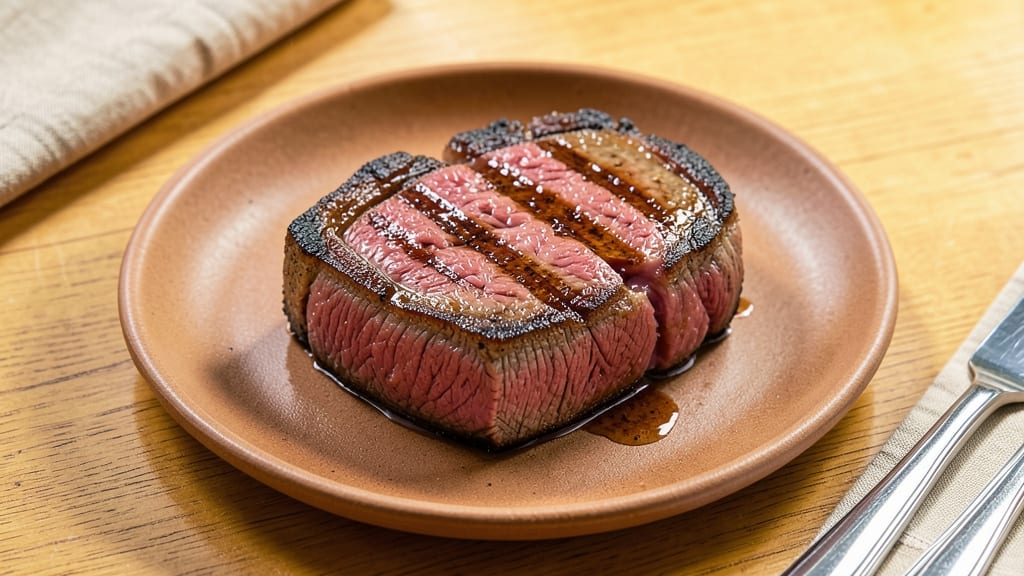
Mastering sous vide porterhouse steak transforms a weeknight dinner into a restaurant-worthy experience with edge-to-edge tenderness and precision you can't achieve any other way.
After years of perfecting my grandmother's Sunday roast chicken technique, I brought that same care to steak—where the difference between tough and melt-in-your-mouth comes down to temperature control and timing.
This method guarantees a steak so tender it practically falls apart at the touch, with a crust that's perfectly seared without overcooking the interior.
The beauty of sous vide lies in its simplicity once you have the right equipment—a vacuum sealer and a sous vide machine make this process foolproof for home cooks.
You'll cook the steak at a precise 130°F for 24 hours, then finish with a quick sear in a screaming-hot cast-iron skillet. The result? A steak that's perfectly pink in the center with a caramelized crust that locks in all those juices.
No more guessing, no more overcooked edges, just consistent, professional-quality results every single time.
What makes this recipe truly special is how it elevates a classic cut like the porterhouse—where the strip steak portion delivers that signature beefy flavor, and the filet mignon side offers a buttery, melt-in-your-mouth contrast.
The secret weapon here isn't just the sous vide process, but the way the fat cap renders perfectly during the long cook, creating a steak that's moist, flavorful, and impossible to resist. This is the kind of dinner that turns a simple weeknight into something memorable.
Pair it with a classic side like garlic mashed potatoes or a crisp green salad to complete the meal. The sous vide method ensures you'll have time to prepare those sides while your steak cooks effortlessly in the background.
Let's get started on creating the most tender porterhouse steak you've ever tasted.
Ingredients for sous vide porterhouse steak
Four premium ingredients and a game-changing technique transform simple beef into restaurant-quality perfection.
| Ingredient | Amount | Notes |
|---|---|---|
| Porterhouse Steak 🥩 | 4 whole | 24-30 oz each, fat cap intact |
| Kosher Salt 🧂 | 1 tbsp | Diamond Crystal preferred |
| Freshly Ground Black Pepper 🌶️ | 1 ½ tbsp | Coarse grind for texture |
| Extra-Virgin Olive Oil 🫒 | 2 tbsp | High smoke point preferred |
| Fresh Thyme Leaves 🌿 | ½ cup | Stems removed, loosely packed |
| Fresh Rosemary Sprigs 🌿 | 4 whole | Fronds chopped, about 2 tbsp |
| Garlic Cloves 🧄 | 8 cloves | Smashed, skin-on for aroma |
| Beef Tallow or Duck Fat 🧈 | 2 tbsp | For searing, optional but recommended |
| Yellow Onion 🧅 | 1 whole | Sliced into 1/4-inch strips |
| Butter 🧈 | 4 tbsp | Unsalted, cold for basting |
| Bone Marrow (optional) 🦴 | 1 piece | From beef shank, about 1 oz |
| Balsamic Vinegar 🍷 | 1 tbsp | For finishing drizzle |
The porterhouse is your star, so skip the pre-cut packages and grab a whole cut from the butcher counter. Look for steaks with a thick fat cap—this renders beautifully during sous vide and adds incredible flavor. Whole Foods or your local butcher will have the best quality, but even the grocery store's frozen section can work if you thaw properly. The fat cap should be at least 1/4-inch thick for ideal texture. If your butcher isn't familiar with sous vide, ask for a dry-aged porterhouse—the deeper flavor profile shines through. For the herbs, fresh is non-negotiable here—they infuse the fat during cooking, so Trader Joe's or farmers markets are your best bet for vibrant, aromatic sprigs.
No fresh thyme? Dried works at one-third the amount, but you'll miss that bright aroma. Running out of time? Herbivore or McCormick's dried blends are decent pinch-hitters. The garlic can be roasted ahead of time—toss whole cloves on a baking sheet at 400°F for 10 minutes, then peel. It adds a sweet depth that pairs perfectly with the steak. For the sear, beef tallow or duck fat is ideal—it's stable at high heat and adds richness. No tallow? High-smoke-point oil like avocado or grapeseed works in a pinch. The bone marrow is optional but worth it if you can find it—it melts into a luxurious sauce during searing. For the onions, yellow or red work equally well, but avoid sweet varieties like Vidalia—they can overpower the delicate beef flavor.
Sous vide steaks keep beautifully in the fridge for 3-4 days if properly sealed, but the magic happens when you sear them fresh. The fat cap renders perfectly during the long cook, so you can safely store the steaks uncovered in a vacuum bag for up to 5 days—just let them sit at room temperature for 30 minutes before searing. For leftovers, slice against the grain and reheat in a skillet with a splash of beef broth. The seared crust won't be as perfect, but the interior remains incredibly tender. Freezing isn't recommended—sous vide steaks are best enjoyed within a few days of cooking. If you're prepping for a crowd, cook two steaks per person and portion the filet and strip separately—they reheat differently.
Why You'll Love This Recipe
- Buttery, Juicy Magic: That perfect medium-rare center with a sear so crisp it sings? The olive oil bath and low-and-slow cook keep it tender, while the thyme leaves add a bright, herby finish that makes every bite feel like a reward.
- Weeknight Steakhouse: No fancy occasion needed—this is my go-to for date nights or lazy Sundays. Slice it for sandwiches the next day, or serve it whole with roasted potatoes for a meal that feels special without the fuss.
- Leftover Luxury: Sous vide steak actually improves the next day—shave it for tacos, toss it into pasta, or melt it into a breakfast hash. (Between us, I’ve eaten it cold straight from the fridge, and it’s still delicious.)
Step-by-step instructions for sous vide porterhouse steak
Here's the method that delivers edge-to-edge tenderness and perfect texture every time.
Prepare the Porterhouse Steaks for Precision Cooking
Pat each of the 4 whole Porterhouse Steaks completely dry with paper towels, removing any surface moisture. This ensures even seasoning and optimal heat penetration during sous vide. I like to work with room-temperature meat, so let the steaks sit uncovered on a plate for 30 minutes while you prepare everything else.
In a small bowl, combine the 1 tablespoon kosher salt and 1.5 tablespoons freshly ground black pepper. Generously coat both sides of each steak with this mixture, pressing it into the meat to create a flavorful crust. The fat cap should remain mostly intact—this protects the steak during cooking and adds flavor as it renders. For extra aroma, tuck 4 whole fresh rosemary sprigs and 8 smashed garlic cloves (skin-on) into the cavity of each steak.
Create the Sous Vide Bath and Season the Water
Fill your sous vide container with water until it reaches about 2 inches below the maximum fill line. Add the 0.5 cup fresh thyme leaves and 1 whole yellow onion (sliced into ¼-inch strips) to infuse the water with subtle herbal notes. I use a large plastic container or dedicated sous vide bag for this process—just make sure it's food-safe and can handle the temperature.
Place the container in your immersion circulator and set the temperature to 130°F for medium-rare doneness. This low-and-slow approach breaks down connective tissue while keeping the steak incredibly tender. Wait for the water to reach the target temperature before adding the steaks—this ensures consistent cooking from the first moment.
Sous Vide Cook to Perfect Doneness
Once the water reaches 130°F, carefully add the seasoned steaks to the container, ensuring they're fully submerged. Use a kitchen twine to secure them if needed, but avoid overcrowding. Seal the container and cook for 24-36 hours, depending on your preference for tenderness. The longer cook time transforms even the toughest cuts into melt-in-your-mouth perfection.
I know 24-36 hours seems like a long time, but this is where the magic happens. The steaks will develop an incredible texture—so tender they'll practically fall apart when sliced. Check the internal temperature with a meat thermometer after 24 hours; it should read 130°F at the thickest part. If you prefer a slightly firmer bite, you can remove them at 24 hours and let them sit at room temperature for another 12 hours.
Sear for Color and Crust (The Game-Changer)
When the steaks reach your desired tenderness, remove them from the water and pat them dry again with paper towels. Heat a heavy skillet over high heat and add 2 tablespoons beef tallow or duck fat (or a mix of both). Let it get smoking hot—this creates the perfect sear. Working in batches, sear each steak for 2-3 minutes per side until a deep golden-brown crust forms. The fat should sizzle and pop audibly, indicating it's ready.
For an extra touch of luxury, add 4 tablespoons cold butter to the searing pan during the last minute of cooking. The butter will foam and brown slightly, creating a rich, flavorful basting sauce. If using, split open the 1 piece bone marrow (optional) and let it render into the pan for added depth. The contrast between the tender interior and crispy exterior is what makes this dish extraordinary.
Rest and Finish with Herbal Balsamic Drizzle
Transfer the seared steaks to a cutting board and let them rest for 5-10 minutes before slicing. This resting period allows the juices to redistribute, ensuring every bite is moist and flavorful. While they rest, carefully strain any herbs from the sous vide water and reduce it by half over medium heat. Stir in the 1 tablespoon balsamic vinegar and let it simmer until slightly thickened—this creates a glossy, aromatic finishing sauce.
Slice the steaks against the grain into ½-inch thick portions and drizzle generously with the reduced balsamic herb sauce. The combination of tender meat, crispy crust, and bright acidity from the balsamic creates a harmonious balance of flavors. Serve immediately with your favorite sides—roasted vegetables, creamy mashed potatoes, or a simple arugula salad complement this dish beautifully.
Pro Tips For Making Sous Vide Porterhouse Steak
- Preheat Water First: Fill your sous vide bath with water before turning on the heater—this cuts down on the time it takes to reach your target temp (130°F for medium-rare porterhouse). I used to wait until the steak was prepped, but now I start the water first and just toss the meat in when it’s ready. Saves 10 minutes of fumbling.
- Dry the Steak Well: Pat that porterhouse thoroughly with paper towels—even the bone side—before seasoning. Wet spots won’t sear, and you’ll end up with patchy crust instead of a uniform golden crust when you sear later. I learned this after my first attempt looked like I’d deep-fried a sponge.
- Salt the Night Before: Season the steak with kosher salt at least 12 hours ahead (or overnight) for maximum flavor penetration. The salt breaks down the muscle fibers, letting the seasoning work its magic. I was skeptical until I tried it—now I never skip this step unless I’m in a rush (and even then, I salt 4 hours early).
- Sear Bone-Side Down: Hit the bone side first in the hot pan—it’s thicker and needs more time to develop a crust. Flip only after you’ve got a deep brown sear, then finish the cut side. I used to rush this and ended up with a steak that looked undercooked on one side. Patience here makes all the difference.
Flavor customization for this recipe
Herb-Infused Variations
Swap the thyme and rosemary for 1 cup fresh sage leaves and 3 sprigs fresh tarragon for a French bistro twist. The tarragon adds an anise-like note that pairs beautifully with the beef's richness. For a smoky depth, add 2 bay leaves to the sous vide bath alongside the onions.
I've tested this variation with Whole Foods' dried herb blends when fresh isn't available, but fresh always delivers superior flavor. 🌿
Spice-Forward Profiles
For heat lovers, add 1 teaspoon crushed coriander seeds and ½ teaspoon smoked paprika to the salt-pepper mix before seasoning. The coriander adds citrusy brightness while the paprika introduces subtle smokiness. For a Mexican-inspired version, use 1 tablespoon chili powder and 1 teaspoon cumin instead of rosemary.
I like to finish these spiced steaks with a lime wedge and avocado slices for freshness contrast.
Umami Bomb Additions
Boost the flavor profile by adding 1 tablespoon soy sauce or 1 teaspoon fish sauce to the sous vide water. The umami depth enhances the beef's natural flavors without overpowering. For extra richness, tuck 2 slices of black forest ham into the steak cavity before cooking.
This technique works surprisingly well with sous vide's long cook time. I've also experimented with 1 tablespoon Worcestershire sauce in the searing butter for an English pub-style finish.
Sweet Heat Balance
Create a sweet-savory contrast by adding 1 tablespoon honey or 1 tablespoon maple syrup to the balsamic reduction. The natural sweetness complements the steak's richness while the acidity cuts through the fat.
For a spicy-sweet version, add ½ teaspoon cayenne pepper to the seasoning mix and finish with 1 teaspoon honey drizzle. This combination became my go-to for summer barbecues when I lived in Texas. 🌶️
Global Flavor Twists
Transform this into a Japanese-inspired dish by adding 1 tablespoon grated fresh ginger and 2 tablespoons mirin to the sous vide water. Finish with a drizzle of ponzu sauce for a bright, citrusy note.
For an Italian variation, use 1 tablespoon dried oregano and 1 teaspoon fennel seeds in the seasoning, then finish with a sprinkle of grated Parmesan and fresh basil. I've also created a Korean-inspired version using gochujang in the searing butter and serving with kimchi on the side.
Finishing Touches
Elevate your steak with creative finishing techniques. For a classic touch, add 2 tablespoons cold butter infused with garlic and herbs during the final sear. For a modern twist, create a truffle oil drizzle by mixing 1 teaspoon truffle oil with 1 tablespoon reduced balsamic vinegar.
I've also experimented with a blue cheese crumble on top for a bold flavor contrast. Remember, the key is balance—don't overpower the delicate steak flavor with your finishing touches.
Nutrition facts
Frequently asked questions
Can I use a regular oven instead of sous vide for this recipe?
While you can achieve great results with an oven, sous vide delivers unmatched precision—especially for thick cuts like porterhouse. For oven-cooked steaks, use a meat thermometer and remove at 125°F for medium-rare, then rest for 10-15 minutes. The sous vide method eliminates guesswork by maintaining perfect temperature throughout the entire cook.
How do I know when my porterhouse is fully tender?
The steak should feel almost too tender—like it's on the verge of falling apart when pressed gently with your fingers. Check the internal temperature with a probe thermometer: 130°F for medium-rare, 135°F for medium. The longer cook time (24-36 hours) transforms even tough cuts into melt-in-your-mouth perfection.
What's the best way to store leftover sous vide porterhouse?
Store cooked steaks in an airtight container in the fridge for 3-4 days or freeze for up to 3 months. To reheat, slice against the grain and warm in a skillet with a splash of beef broth. The texture won't be as perfect as fresh, but it remains incredibly tender. For best results, cook only what you'll eat within 2 days.
Can I sous vide a frozen porterhouse steak?
Yes, but thaw it first in the fridge for 24 hours before cooking. Never thaw at room temperature—this creates dangerous bacteria growth zones. The sous vide process works beautifully with properly thawed meat, delivering the same edge-to-edge tenderness. If short on time, use the "cold start" method: add frozen steaks to 110°F water and slowly bring to 130°F.
How do I adjust the recipe for a smaller or larger group?
Scale the recipe proportionally: 1 porterhouse per person (24-30 oz each) for 4 servings. For larger groups, increase cook time by 1-2 hours to ensure even tenderness. Remember that sous vide equipment has size limits—check your machine's capacity before scaling up. The 24-hour cook time gives you flexibility to adjust as needed.