
Side Dishes
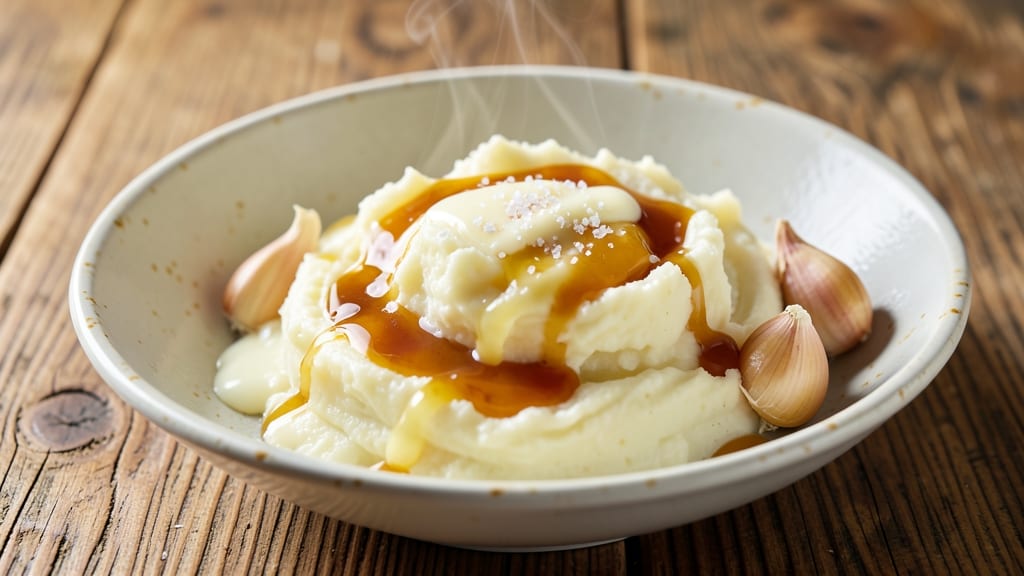
This boiled mashed potatoes recipe delivers ultra-smooth, lump-free perfection that elevates any meal—whether it's Thanksgiving dinner or a simple weeknight supper. The secret lies in precise boiling, careful draining, and a foolproof mashing technique that transforms starchy tubers into velvety clouds.
I've perfected this method over years of testing, and the results speak for themselves: no gummy textures, no grainy bits, just restaurant-quality creaminess in every bite.
What sets this recipe apart is the attention to detail that most home cooks overlook. We start with the right potato variety—Russets for fluffiness, Yukon Golds for richness—and control the boiling water temperature to preserve texture.
The mashing process, whether by hand or with an electric mixer, requires patience to achieve that signature silky consistency. Seasoning is where the magic happens: a perfect balance of butter, warm milk, and a pinch of salt transforms simple potatoes into a luxurious side dish.
By the end, you'll have mashed potatoes so smooth they disappear on the first forkful, with a creamy yet light texture that pairs beautifully with roasted meats or gravy. The technique scales effortlessly for crowds or leftovers, and I'll share my best tips for reheating without drying them out.
This isn't just mashed potatoes—it's a game-changer for any meal where sides deserve equal attention.
Ready to master this classic? We'll cover everything from potato selection to the final seasoning touch, including modern twists like roasted garlic or truffle oil for those who want to elevate their mash. Let's get started on creating the smoothest, most luxurious mashed potatoes you've ever made.
Ingredients for boiled mashed potatoes
Six ingredients, one luxurious side dish—these staples transform humble potatoes into velvety perfection.
| Ingredient | Amount | Notes |
|---|---|---|
| Russet Potatoes 🥔 | 3 lb | Unpeeled, cut into even chunks |
| Yukon Gold Potatoes 🥔 | 1 ½ lb | Unpeeled, cut into even chunks |
| Unsalted Butter 🧈 | 1 cup | Cold, cut into small cubes |
| Whole Milk 🥛 | 1 ½ cups | Warmed to room temperature |
| Large Garlic Cloves 🧄 | 2 whole | Roasted for depth of flavor |
| Diamond Crystal Kosher Salt 🧂 | 1 ½ tsp | Adjust to taste |
| Freshly Ground Black Pepper 🌶️ | ½ tsp | For subtle seasoning |
| Heavy Cream 🥛 | ¼ cup | Optional, for extra richness |
| Roasted Garlic Cloves 🧄 | 2 whole | Optional, for modern twist |
| Truffle Oil 🫒 | 1 tsp | Optional, for luxurious finish |
The potato blend is key: Russets for fluffiness and Yukon Golds for creaminess. Local farmers markets often carry organic varieties, but store-bought works too—just avoid green or sprouted tubers. For the best texture, cut them into even, 1.5-inch chunks (no need to peel). The butter should be cold and cubed—this prevents melting during mashing, ensuring that signature velvety texture. If you're feeling fancy, Whole Foods or Trader Joe's carry high-quality European-style butter that melts beautifully.
No roasted garlic? Fresh minced garlic at half the amount works in a pinch, but roasting brings out sweetness that elevates the dish. Heavy cream optional, but if you skip it, add an extra splash of warm milk for richness. For the truffle oil, Maille or La Tourangelle are reliable brands—just a whisper enhances flavor without overpowering. If you're short on time, microwave the milk for 30 seconds to warm it gently (no boiling!). And if you're making this ahead, cook the potatoes slightly underdone—they'll finish steaming while you mash them.
Freshly mashed potatoes keep for 3-4 days in the fridge, but texture degrades quickly. For leftovers, cover with plastic wrap pressed directly on the surface to prevent drying. Reheat portions in the microwave with a splash of milk—30 seconds, stir, repeat until creamy. Freeze portions in airtight containers for up to 3 months, but thaw overnight in the fridge. Pro tip: Portion into ramekins before freezing for perfect single servings—just pop them in the microwave for 2 minutes.
Why You'll Love This Recipe
- Two-Potato Powerhouse: I swear by mixing Russets and Yukon Golds—fluffy texture from the Russets, buttery richness from the Golds. It’s the only way I’ll mash potatoes now.
- Garlic Butter Magic: That roasted garlic clove in the butter? Pure flavor bomb. One whiff and your whole kitchen smells like a cozy dinner party—no fancy ingredients needed.
- Weeknight Wonder: Boil the potatoes while you prep the rest of the meal. Ten minutes of hands-off cooking, then mash while the steak or veggies finish. Done before you even think about cleanup.
- Budget-Friendly Staple: A single bag of potatoes and a stick of butter stretch for days. Double the batch, freeze half, and you’ve got a cheap, filling side ready for whenever. My wallet thanks me every time.
Step-by-step instructions for ultra-smooth creamy mashed potatoes
Here's how to transform simple boiled potatoes into velvety perfection with zero lumps.
Boil the Potatoes Until Fork-Tender
Place the 3 lb russet potatoes and 1.5 lb yukon gold potatoes in a large pot and cover with cold water by about 2 inches. Add the 2 whole large garlic cloves (unpeeled) to infuse flavor as they cook. Bring to a boil over high heat, then immediately reduce to a gentle simmer. The water should bubble softly around the potatoes.
Cook for 20-25 minutes until a knife slides in easily with no resistance. The russets will be the last to soften—this is normal. Drain immediately in a colander and return to the pot. Here's the thing—don't rinse the potatoes. The residual starch is what makes the mash silky smooth.
Dry and Mash the Potatoes Thoroughly
Let the drained potatoes steam-dry in the pot for 2-3 minutes with the lid off. This step removes excess moisture that would otherwise dilute your butter and milk. Use a potato masher or clean hands to break them down into rough chunks—don't overdo it yet. You want some texture to work with.
Transfer the potatoes to a large mixing bowl. This is where the magic happens—I always use a fine-mesh sieve or potato ricer for ultra-smooth results. If you're using a ricer, press the potatoes through in batches. For a masher, work in small sections until completely smooth. Real talk: this is the moment that matters for that restaurant-quality texture.
Incorporate Butter and Milk for Richness
Add the 1 cup cold unsalted butter (cut into small cubes) to the warm potatoes. Use a wooden spoon to fold and press the butter into every crevice. The butter should melt completely from the residual heat. Here's where it gets fun—slowly drizzle in the 1.5 cups warmed whole milk while stirring constantly.
For extra depth, add the 2 whole roasted garlic cloves (squeezed from their skins) and 1 tsp truffle oil at this stage. The roasted garlic adds sweetness while the truffle oil brings luxurious aroma. Season with 1.5 tsp diamond crystal kosher salt and 0.5 tsp freshly ground black pepper. Taste and adjust—you want the salt to complement, not overpower.
Achieve Silky Perfection with Heavy Cream
For that final touch of decadence, stir in the 0.25 cup heavy cream. This isn't just about richness—it adds body and helps create that signature velvety mouthfeel. Use a hand mixer or stand mixer on low speed for 30-45 seconds to fully incorporate. You're looking for a smooth, cohesive texture with no visible lumps.
If the mash seems too thick, add 1 tablespoon warm milk at a time until it reaches your ideal consistency—it should coat the back of a spoon but still hold its shape. Don't skip this final check. Your oven might run hot, so start checking at the 20-minute mark if you're baking these later.
Serve Immediately for Maximum Creaminess
Transfer the mashed potatoes to a serving dish and cover with plastic wrap pressed directly onto the surface. This prevents a skin from forming and keeps them warm. Serve within 30 minutes for the best texture—mashed potatoes lose their creaminess as they cool.
For an elegant presentation, pipe the potatoes through a star tip onto a platter or mound them high and drizzle with additional truffle oil. Each bite should deliver that perfect balance of buttery richness, creamy texture, and subtle garlic depth. If it sticks, don't panic—just add a splash of warm milk to loosen it up.
Pro Tips For Making Boiled Mashed Potatoes
- USE COLD WATER: Start your potatoes in a pot of ice-cold water—no room-temperature shortcuts. I learned this the hard way when my Russets turned out gummy because they cooked unevenly. Fill the pot first, then add the potatoes, and don’t skimp on water (they’ll expand).
- CUT EVEN SIZE: Chop potatoes into chunks no larger than 1.5 inches—uniformity matters. Yukon Golds and Russets cook at different speeds, so if mixing varieties, cut the Russets slightly smaller. Uneven pieces mean some will be mushy while others stay hard.
- DRAIN DRY: Don’t just pour out the water—let the potatoes drain for 5 minutes in the colander. This step removes excess moisture before mashing, which makes all the difference when blending with butter and milk. Wet potatoes turn gloppy; dry ones get creamy.
- PRESS THE GARLIC: Roast or boil your garlic first, then press it through a garlic press (no knives, no mincing). This releases flavor without bitterness, and it blends seamlessly into the mash. Skip the press? At least smash the cloves with the flat of your knife—crushed garlic clings better.
Regional styles of this recipe
New England Creamy Style
In New England, mashed potatoes are all about ultra-rich, velvety texture with a touch of sweetness. The secret? A blend of Russet and Yukon Gold potatoes boiled in salted water with a bay leaf for subtle aroma.
After draining, the potatoes are mashed with European-style butter (like Plugrá) and heavy cream for that signature luxurious mouthfeel. A pinch of nutmeg (about ¼ tsp) is traditional—it adds warmth without overpowering. Serve with brown butter gravy for the ultimate comfort food experience. 🥛
Southern Buttery Tradition
Southern mashed potatoes lean into bold flavors and a chunkier texture, often made with white potatoes (like Red Pontiac) for their waxy bite. The method starts with boiling potatoes in well-salted water with smoked bacon or ham hocks for depth.
After draining, they're mashed with salt pork or bacon fat instead of butter, then finished with whole milk and a generous helping of black pepper. A Southern twist? Fold in cornbread crumbles for texture or top with crispy fried onions before serving.
This version is hearty enough to stand up to collard greens or fried chicken. 🍗
Midwest Rustic Approach
The Midwest keeps mashed potatoes simple but hearty, often using Yukon Golds for their natural sweetness and creaminess. The key here is precision in boiling—potatoes are cooked in unsalted water (salt added later) to control flavor.
After draining, they're mashed with butter and warm milk, then seasoned with kosher salt and freshly cracked pepper. A Midwest staple is adding sour cream (about ¼ cup) for tanginess, or even shredded cheddar cheese for a cheesy twist.
These potatoes are often served room temperature at potlucks, making them perfect for make-ahead meals. 🧀
Pacific Northwest Modern Twist
Out West, mashed potatoes get a gourmet upgrade with local ingredients like wild mushrooms or foraged herbs. Start with fingerling potatoes (for their buttery flavor) or blue potatoes (for earthy notes).
After boiling and draining, mash with brown butter and infused milk (steeped with cedar planks or lavender for a floral touch). Top with crispy shallots, duck fat, or a drizzle of honey for sweetness.
The Pacific Northwest loves umami-rich additions like miso paste (½ tsp) or smoked trout flakes for a restaurant-worthy dish. 🌿
Appalachian Mountain Flavor
Appalachian mashed potatoes are hearty and rustic, often made with Irish potatoes (like Kennebec) for their starchy texture. The potatoes are boiled in water with a handful of fresh rosemary for aroma, then mashed with lard or bacon grease for richness.
A splash of buttermilk (about ¼ cup) adds tang, and the dish is finished with crumbled cornbread or sautéed apples for sweetness. This version is perfect for cold weather and pairs beautifully with smoked sausage or venison.
The key? Don’t overmix—leave some texture for that homestyle charm. 🍎
Urban Gourmet Adaptation
In cities like New York or Chicago, mashed potatoes are elevated with unexpected ingredients. Start with purple or fingerling potatoes for color and flavor, then boil with chicken or vegetable stock instead of water. Mash with truffle butter (or Maille truffle oil) and crème fraîche for tang.
Urban twists include roasted garlic purée, crispy prosciutto, or even miso caramel for umami depth. For a vegan version, use olive oil and coconut milk—just add a pinch of nutritional yeast for a cheesy note.
These versions are perfect for dinner parties and prove mashed potatoes can be a showstopper side dish. 🏙️
Nutrition facts
Frequently asked questions
Why do your boiled mashed potatoes turn out so much smoother than store-bought?
The secret lies in three key steps: using a Russet-Yukon Gold blend for perfect starch-to-moisture balance, letting the potatoes steam-dry after draining to remove excess moisture, and mashing with a potato ricer (or thorough hand-mashing) to eliminate lumps. Most store-bought versions rely on instant potatoes or overworked textures.
Can I make this recipe without butter?
For a lighter version, replace butter with olive oil or coconut oil (use the same amount). For dairy-free, warm unsweetened almond milk or oat milk> and add 1 tablespoon nutritional yeast for a cheesy flavor. The texture will be slightly different but still creamy. For extra richness, blend in ½ avocado with the milk before adding.
How do I fix mashed potatoes that turned out too thick or too thin?
For thick potatoes: Stir in 1 tablespoon warm milk or cream> at a time until smooth. For thin potatoes: Place the bowl over a pot of simmering water (double boiler) for 2-3 minutes>, stirring constantly, to evaporate excess liquid. Never add flour or cornstarch—it makes them gummy.
What's the best way to reheat leftovers without drying them out?
Microwave in 30-second bursts,> stirring with a splash of warm milk between each. For oven reheating, cover with foil and bake at 350°F for 15 minutes>. Pro tip: Add a pat of butter> while reheating to restore creaminess. Never microwave uncovered—it creates a skin that's impossible to fix.
Can I make this ahead of time for a holiday dinner?
Yes! Cook potatoes slightly underdone> (15-20 minutes), then mash and refrigerate. When ready to serve, reheat in a 350°F oven for 20-30 minutes>, covered loosely with foil. For make-ahead mashing, boil potatoes fully, drain, and store unmashed in the fridge for up to 2 days>. Mash when ready to serve—this preserves texture better than pre-mashing.