
Soups & Stews
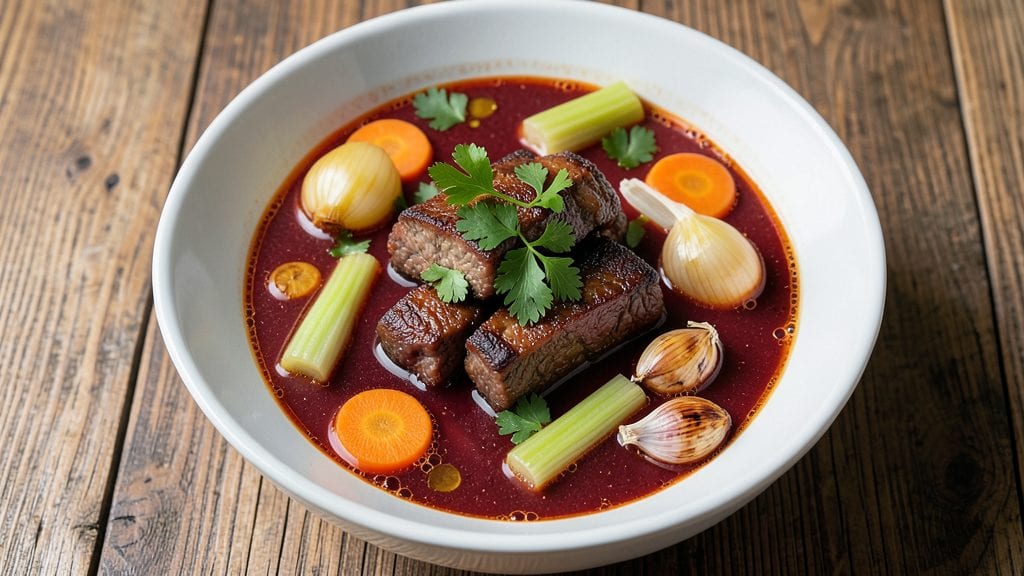
This short rib soup recipe transforms tough cuts of beef into melt-in-your-mouth tenderness while building a rich, deeply flavorful broth that tastes like a hug in a bowl.
The secret lies in slow-cooking the ribs until they practically fall apart, then shredding them directly into the simmering broth where they absorb all those aromatic flavors.
I developed this recipe after years of perfecting braising techniques, and it never fails to impress—even skeptics who think short ribs are too rich or challenging.
The process begins with searing the ribs to develop a deep, caramelized crust that forms the foundation of flavor, then slow-cooking them with onions, garlic, and herbs until tender. The broth reduces to a velvety consistency while vegetables like carrots and celery add natural sweetness and texture.
What makes this soup truly special is how the shredded meat melts into the broth, creating an irresistibly hearty texture that feels both luxurious and comforting.
By the time you're done, you'll have a bowl of soup that's rich with beefy depth, tender vegetables, and a broth so flavorful it could stand alone. The aroma alone will have everyone gathering around the table, and each spoonful delivers that perfect balance of savory, umami, and subtle sweetness.
Serve it with crusty bread to soak up every last drop of that precious broth—this is the kind of meal that turns ordinary weeknights into something memorable.
For an extra layer of complexity, consider deglazing the seared ribs with red wine or adding a splash of cream at the end for richness. The variations are endless, but the core technique—slow-cooked, shredded ribs in a deeply flavorful broth—remains the soul of this dish.
Let's get cooking and create something truly special.
Ingredients for short rib soup
Sixteen ingredients. One pot. A bowl of pure comfort waiting to happen.
| Ingredient | Amount | Notes |
|---|---|---|
| Beef Short Ribs 🥩 | 3 lb | Bone-in, 1-1.5 inches thick |
| Yellow Onions 🧅 | 2 whole | Cut into 1-inch chunks |
| Carrots 🥕 | 4 whole | Peeled, cut into 2-inch chunks |
| Celery Stalks 🌿 | 4 whole | Cut into 2-inch pieces |
| Garlic Cloves 🧄 | 8 cloves | Peeled, smashed with side of knife |
| Tomatoes 🍅 | 4 whole | San Marzano canned, crushed |
| Beef Broth 💧 | 8 cups | Homemade or high-quality store-bought |
| Red Wine 🍷 | 1 cup | Bold, dry like Cabernet Sauvignon |
| Fresh Thyme 🌿 | 2 sprigs | Or 1 tsp dried thyme |
| Fresh Rosemary 🌿 | 1 sprig | Woody stems removed |
| Bay Leaves 🍃 | 2 whole | Remove after cooking |
| Olive Oil 🫒 | ½ cup | Extra-virgin for searing |
| Flour 🌾 | ¼ cup | All-purpose for dredging |
| Salt 🧂 | 2 tsp | Kosher or sea salt |
| Black Peppercorns 🌶️ | 1 tsp | Freshly cracked |
The short ribs are the star—bone-in and thick for maximum flavor and tenderness. Grab chuck-style short ribs from the butcher section (they're often labeled as 'short ribs' or 'beef chuck short ribs'). If your store doesn't carry them, Costco or Whole Foods usually have them in the freezer section. Look for bright red meat with good marbling—it's worth the extra minute to inspect. I always ask the butcher to cut them into 1-1.5 inch chunks if they're not pre-cut, as this ensures even cooking. The San Marzano tomatoes are non-negotiable here—they're sweeter and less acidic, which balances the rich beef perfectly.
No red wine? Beef broth with a splash of balsamic vinegar works in a pinch, though you'll lose some depth. Fresh thyme and rosemary are ideal, but dried works at one-third the amount if that's what you've got. The flour is just for dredging the ribs before searing—lightly coat them so they brown beautifully without getting too heavy. For the broth, homemade is best, but Knight's or Swanson's are solid store-bought options. The carrots and celery can be swapped for turnips or parsnips if you're feeling adventurous—just adjust the cooking time slightly.
This soup tastes even better the next day as the flavors meld. Store in the fridge for up to 5 days—the broth will continue to deepen in flavor. For longer storage, freeze for up to 3 months. I like to portion it into two-quart containers so I can pull out exactly what I need. The ribs will keep their texture beautifully after reheating, but if you're in a hurry, you can shred them right after cooking and freeze the meat and broth separately. Just toss the frozen meat directly into the pot when you're ready to serve—no thawing needed.
Why You'll Love This Recipe
- One-Pot Magic: The short ribs practically cook themselves—just toss them in with onions, carrots, and celery, then let the slow simmer do the work. No fancy techniques, no last-minute stress.
- Rich & Deep: That first sip? Pure satisfaction. The beef melts into the broth, while the garlic and onions caramelize into something dangerously addictive—like a hug in a bowl.
- Leftovers That Win: This soup only gets better the next day. I swear, the flavors deepen overnight, making it my go-to for lazy mornings or quick lunches when I’m too tired to cook.
- Budget-Friendly Feast: Short ribs stretch further than you’d think, and the veggies keep it hearty without breaking the bank. Honestly, it’s the kind of meal that makes cheap groceries feel like a splurge.
Step-by-step instructions for short rib soup
This method delivers melt-in-your-mouth short ribs and a rich, aromatic broth every time.
Sear the Short Ribs for Maximum Flavor
Pat the 3 lb beef short ribs dry with paper towels—this is crucial for a good sear. Heat 0.25 cup olive oil in a large Dutch oven over medium-high heat until shimmering. Working in batches, add the short ribs in a single layer and sear for 3-4 minutes per side until deeply browned. You want that caramelized crust to form—it's the flavor foundation.
If your ribs are crowded in the pan, don't rush them. Cook in batches if needed. Once all ribs are browned, transfer them to a plate and set aside. The browned bits left in the pot will become part of your soup's rich base. Don't wipe out the pot—those bits are pure flavor gold.
Build the Aromatic Base
In the same Dutch oven, add the remaining 0.25 cup olive oil. Toss in the 2 whole yellow onions, 4 whole carrots, and 4 whole celery stalks—all cut as specified. Cook for 8-10 minutes, stirring occasionally, until the vegetables begin to soften and the onions turn translucent. This is where the soup starts developing its complex flavor profile.
Add the 8 cloves garlic cloves and cook for another 30 seconds until fragrant. Here's where it gets good—pour in the 1 cup red wine and scrape up all those browned bits from the bottom of the pot. Let the wine simmer for 2-3 minutes until it reduces by half. This step deepens the flavor and removes some of the alcohol's sharpness.
Develop the Rich Broth
Sprinkle the 0.25 cup flour over the vegetables and stir to coat everything evenly. Cook for 1-2 minutes until the flour turns golden brown. This creates a roux that will help thicken your soup slightly. Now pour in the 8 cups beef broth and add the 4 whole crushed tomatoes, 2 sprigs fresh thyme, 1 sprig fresh rosemary, and 2 whole bay leaves.
Return the seared short ribs to the pot, making sure they're submerged in the liquid. Bring everything to a gentle simmer over medium heat. Here's the key: cover the pot and let it cook for 2 hours. You want the ribs to become fork-tender while developing that deep, savory broth. Check occasionally to ensure the liquid doesn't reduce too much—add water if needed to maintain the level.
Shred and Finish the Soup
Once the ribs are fork-tender (they should pull apart easily), use two forks to shred the meat right in the pot. Discard the bay leaves and any herb stems. Taste the broth and adjust seasoning with the 2 tsp salt and 1 tsp black peppercorns as needed. The soup should be rich and flavorful, but not overly salty.
For the perfect finish, simmer the soup uncovered for an additional 10-15 minutes to let any excess liquid reduce slightly and deepen the flavors. The result should be a velvety broth with tender, shredded short ribs that practically melt in your mouth. Serve immediately with crusty bread to soak up every last drop of that delicious broth.
Pro Tips For Making Short Rib Soup
- Brown the Ribs Hard: Don’t rush this step—get those bones and meat deep golden, not just light brown. I used to skip it, and the soup always tasted flat until I learned to sear them in batches over medium-high heat for 8-10 minutes per side. The crust locks in flavor and keeps the ribs tender.
- Trim the Fat First: Cut excess fat off the short ribs before searing—leave just a thin layer for flavor, but too much makes the soup greasy. I learned this the hard way after serving a soup so rich it needed a side of bread just to soak it up. A sharp knife and 10 minutes of prep save you from regret later.
- Sweat, Don’t Burn, the Veggies: When cooking onions, carrots, and celery, keep the heat low and add a splash of water if they stick. I was skeptical until I tried it—it keeps them from turning bitter and ensures they soften evenly, not char. (Yes, even if you’re impatient like me.)
- Simmer Low and Long: After adding broth, reduce heat to a bare simmer—no boiling, no skimming. I used to crank the heat and wonder why the ribs stayed tough; they need 2.5-3 hours to fall apart. Cover loosely and let the steam work its magic. (Your future self will thank you.)
Flavor customization for this recipe
Classic Umami Boost
For a deeper, more complex flavor profile, add 2 tbsp soy sauce or 1 tbsp fish sauce when you return the ribs to the pot. These ingredients amplify the umami notes, creating that rich, savory depth you find in high-end restaurant soups.
I often use Kikkoman soy sauce or Red Boat fish sauce—both add layers of flavor without overpowering. For an extra kick, add 1 tsp miso paste during the final 10-minute simmer. 💛
Creamy Luxury Option
If you love cream-based soups, stir in 1 cup heavy cream or ½ cup sour cream during the last 5 minutes of cooking. This adds a velvety texture while balancing the richness of the beef. For a lighter option, use ½ cup coconut milk—it’s dairy-free but still creamy.
I like to temper the cream first by mixing it with a splash of hot broth before adding it to the pot to prevent curdling.
Spicy Kick Variations
For heat lovers, add 1 tbsp gochujang (Korean chili paste) or 1 tsp cayenne pepper when searing the ribs. This infuses the broth with a subtle spicy depth. If you prefer smoky heat, stir in 1 tbsp smoked paprika during the aromatic base step.
For a fresh kick, top each bowl with chopped jalapeños or a sprinkle of Penzeys hot honey before serving.
Herb and Vegetable Swaps
Swap out thyme and rosemary for fresh tarragon or sage for a different herbal profile. For vegetables, try adding ½ cup mushrooms (cremini or shiitake) when building the aromatic base—they absorb the broth’s flavors beautifully.
If you love sweetness, toss in 1 diced apple or ½ cup sweet potato with the carrots and celery. These additions add natural sweetness that balances the richness of the beef.
Wine and Tomato Alternatives
No red wine? Deglaze with 1 cup beef broth and add 1 tbsp balsamic vinegar for depth. For a tomato-free version, omit the crushed tomatoes and add ½ cup tomato paste instead—it intensifies the umami without the acidity.
If you’re feeling adventurous, try ½ cup white wine (like Chardonnay) for a brighter, slightly tangy twist.
Finishing Touches
Elevate your soup with fresh garnishes like crispy fried shallots, toasted breadcrumbs, or fresh parsley. For a pop of color, add a drizzle of truffle oil or a sprinkle of grated Parmesan.
A squeeze of lemon juice brightens the flavors if the soup feels too heavy. These finishing touches turn a simple bowl of soup into a restaurant-worthy dish. ✨
Nutrition facts
Frequently asked questions
How long can I store this short rib soup in the fridge?
The soup tastes even better the next day as flavors meld together. Store it in an airtight container in the fridge for up to 5 days. The broth will continue deepening in flavor over time, making leftovers even more delicious. For longer storage, freeze in two-quart portions for up to 3 months.
Can I make this soup in a slow cooker?
Sear the ribs first in a skillet, then transfer everything to your slow cooker. Cook on low for 8-10 hours or high for 5-6 hours until ribs are fork-tender. The slow cooker method is perfect for hands-off preparation while maintaining rich flavors.
What if my short ribs aren't tender after 2 hours?
If ribs remain slightly tough, continue cooking for 30 more minutes covered. For faster results, increase heat to medium-high and check every 15 minutes. The key is patience—short ribs should pull apart easily when fork-tested. If they're still firm, add ½ cup hot water to prevent drying out.
Can I use beef chuck roast instead of short ribs?
Yes, but expect different textures. Cut the chuck roast into 1.5-inch cubes and increase cooking time to 3-4 hours for full tenderness. The flavor will be slightly milder than short ribs, so consider adding 1 tbsp Worcestershire sauce during cooking for extra depth.
How do I prevent the soup from getting too thick?
Add ½ cup hot water or beef broth during the final 10-minute simmer if needed. The flour roux helps thicken naturally, but over-reduction happens when uncovered for too long. For a creamier texture, stir in ½ cup coconut milk at the end instead of thinning with water.