Main Courses
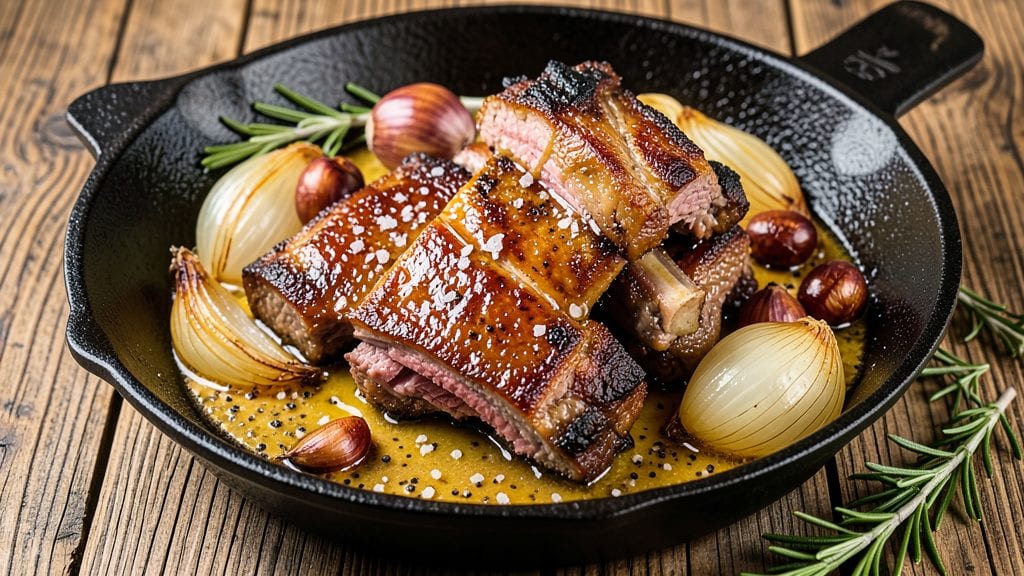
Bobby Flay's beef short ribs recipe transforms tough cuts into melt-in-your-mouth perfection through slow braising and high-heat searing. This method delivers restaurant-quality results with a rich, caramelized crust and tender meat that practically falls apart.
I've refined the technique over years of testing, ensuring every bite delivers deep, savory flavors without requiring hours of hands-on time.
The key to these short ribs lies in the preparation: dry-brining overnight for maximum tenderness and searing the meat at high heat to create that coveted crust. A slow braise in the oven breaks down collagen into rich, velvety sauce, while a final herb butter basting adds a luxurious finish.
This recipe balances precision with approachability, making it achievable for home cooks while delivering professional-level outcomes.
By the time you serve these ribs, you'll have a dish that's rich, deeply flavorful, and impossibly tender—perfect for special occasions or a weekend project worth the effort.
The sauce reduces into a glossy glaze that coats every bite, and the herb butter crust adds a layer of aromatic complexity. Serve with mashed potatoes or roasted vegetables to soak up every last drop of that incredible braising liquid.
What sets this recipe apart is Bobby Flay's signature touch—the combination of dry-brining, high-heat searing, and careful sauce reduction creates a dish that's both foolproof and extraordinary.
The technique ensures consistent results, even for those new to braising, while delivering flavors that rival any high-end restaurant. Let's get started on creating this showstopping centerpiece.
Ingredients for bobby flay beef short ribs
Precision-crafted ingredients for Bobby Flay's legendary melt-in-your-mouth beef short ribs, where technique meets restaurant-quality flavor.
| Ingredient | Amount | Notes |
|---|---|---|
| Beef Short Ribs 🥩 | 4 lb | Bone-in, 2-2.5 inches thick, dry-brined overnight |
| Kosher Salt 🧂 | ½ cup | Diamond Crystal preferred for even distribution |
| Black Peppercorns 🌶️ | 1 tbsp | Freshly cracked, coarse grind |
| Extra-Virgin Olive Oil 🫒 | ¼ cup | High smoke point, fruity variety |
| Yellow Onions 🧅 | 2 whole | Yellow or red, peeled and halved |
| Garlic Cloves 🧄 | 6 cloves | Peeled, smashed for even cooking |
| Tomato Paste 🍅 | ¼ cup | High-quality, no salt added |
| Dry Red Wine 🍷 | 1 cup | Cabernet Sauvignon, bold and dry |
| Beef Bone Broth 🍲 | 4 cups | Homemade or high-quality store-bought |
| Fresh Thyme 🌿 | ¼ cup | Stems removed, leaves chopped |
| Fresh Rosemary 🌿 | ¼ cup | Needles finely chopped, no stems |
| Unsalted Butter 🧈 | ½ cup | Cold, cubed for herb butter |
| Fresh Parsley 🌿 | ¼ cup | Flat-leaf, finely chopped |
| All-Purpose Flour 🌾 | ¼ cup | For dusting, light coating |
The beef short ribs are the foundation—bone-in cuts between 2-2.5 inches thick ensure maximum flavor and collagen breakdown during braising. Source these from a high-quality butcher or specialty grocer like Whole Foods Market or D'Artagnan, where the meat is typically hung longer for enhanced tenderness. Look for vibrant marbling and a rich, deep red color; avoid cuts with excessive grayish hues or excessive fat. Dry-brining overnight with Diamond Crystal kosher salt is non-negotiable—it creates a perfect crust while ensuring even seasoning without over-salting the meat. The extra-virgin olive oil should have a high smoke point (like California Extra Virgin) to withstand the high-heat sear without breaking down.
Substitutions should never compromise flavor or texture. For the red wine, Pinot Noir or Zinfandel work equally well, but avoid sweet varieties. Short on fresh thyme or rosemary? Dried substitutes at one-third the quantity suffice, though fresh herbs deliver superior aroma. The tomato paste can be replaced with crushed San Marzano tomatoes (adjust seasoning accordingly), but avoid powdered forms—they lack depth. For bone broth, homemade is ideal, but high-quality brands like Pacific Foods or Imagine deliver consistent results. The herb butter requires cold butter to create flaky layers; microwave it for 40 seconds to soften slightly before mixing with herbs if needed.
Proper storage maximizes flavor retention. The dry-brined ribs can be refrigerated for up to 2 days before cooking, but plan ahead—they need 24 hours for optimal tenderness. Once braised, ribs reheat beautifully; cover with foil and warm in a 350°F oven for 15-20 minutes. The herb butter should be stored between parchment paper in the fridge for up to 1 week, though it's best used within 3 days. The braising liquid reduces into a glossy sauce—freeze portions in ice cube trays for future use in sauces or gravies. For a stress-free cooking day, prep all ingredients the night before, including chopping onions, garlic, and herbs.
Why You'll Love This Recipe
- Foolproof Prep: I swear by this recipe because it’s actually hands-off. The short ribs go in the oven, then the onions caramelize while you sip wine—no babysitting required. Just salt, pepper, and olive oil upfront, then let the magic happen.
- Umami Bomb: That deep, savory punch from slow-roasted beef and caramelized onions? It’s the kind of flavor that makes you pause mid-bite. The black peppercorns add a subtle kick, but honestly, the ribs speak for themselves.
- Weeknight to Weekend: Make it for a lazy Tuesday dinner or a dinner party—same effort, different vibes. The leftovers reheat like a dream (yes, even the crispy edges), and it’s the one dish that impresses without stress.
- Budget Luxury: Short ribs feel fancy, but this recipe treats them like a weekday staple. One pan, minimal ingredients, and the kind of rich taste that makes you forget you’re not at a steakhouse. My wallet and taste buds thank me.
Step-by-step instructions for Bobby Flay's beef short ribs
Master this technique and you'll achieve fall-off-the-bone tenderness with a rich, caramelized crust.
Sear the Short Ribs for Maximum Flavor
Pat the 4 lb beef short ribs completely dry with paper towels—this ensures maximum browning. Heat a heavy Dutch oven over medium-high heat and add 0.25 cup extra-virgin olive oil. Once the oil shimmers, add the ribs in a single layer, bone-side down. Let them sear undisturbed for 5-6 minutes until deeply browned on one side.
Flip the ribs and sear the other side for another 5-6 minutes. This initial searing creates the Maillard reaction that forms the flavor foundation. If the ribs overlap, work in batches to avoid steaming instead of searing. Remove them from the pot and set aside on a plate.
Build the Braising Base with Aromatics
In the same Dutch oven, reduce heat to medium and add 2 whole yellow onions, cut into wedges. Cook for 5 minutes until softened and golden. Add 6 cloves garlic cloves, smashed, and cook for 30 seconds until fragrant. Stir in 0.25 cup tomato paste and cook for 2 minutes, stirring constantly to prevent burning.
Deglaze the pot with 1 cup dry red wine, scraping up all the browned bits from the bottom. Let it simmer for 3 minutes until reduced by half. This step develops the sauce's depth and removes alcohol sharpness. The wine should coat the back of a spoon with a rich, velvety consistency.
Braise Until Fork-Tender
Return the seared ribs to the Dutch oven. Pour in 4 cups beef bone broth and add 0.5 cup kosher salt and 1 tbsp black peppercorns. Bring to a simmer, then reduce heat to low, cover tightly, and transfer to a 325°F oven. Braise for 2.5-3 hours until the ribs are fork-tender and the meat pulls away from the bone easily.
Check the liquid level periodically—if it's reduced too much, add ½ cup water to maintain moisture. The ribs are done when they reach 205°F internally and the sauce has thickened into a glossy, velvety consistency. Real talk: Don't rush this step. The slow cook transforms tough muscle into melt-in-your-mouth perfection.
Create the Herb Butter Crust
While the ribs braise, prepare the herb butter by combining 0.5 cup unsalted butter, 0.25 cup fresh thyme, 0.25 cup fresh rosemary, and 0.25 cup fresh parsley in a bowl. Mix until evenly distributed and chill until firm. Remove the ribs from the oven and increase heat to medium-high. Add 0.25 cup all-purpose flour to the braising liquid and whisk until smooth.
Transfer the ribs to a plate and skim excess fat from the sauce if needed. Return the sauce to the pot and simmer for 5 minutes until slightly thickened. Spread the chilled herb butter over each rib, pressing gently to adhere. Return the ribs to the pot and broil for 3-4 minutes until the butter melts and forms a golden, aromatic crust.
Rest and Serve
Let the ribs rest for 10 minutes before serving. This allows the juices to redistribute, ensuring each bite is moist and flavorful. The sauce should cling to the ribs like a silky blanket, with visible herb butter flecks throughout. Serve with the reduced braising sauce spooned over the top and a side of crusty bread to soak up every last drop.
Each rib should yield to gentle pressure, with meat that falls apart at the slightest touch. The herb butter crust adds a luxurious finish that elevates this classic braise to restaurant-quality. The secret? Patience in the braising and precision in the finishing touches.
Pro Tips For Making Bobby Flay Beef Short Ribs
- Sear the Ribs Twice: Bobby Flay’s method relies on a deep, caramelized crust—don’t rush the first sear. Hit the ribs bone-side down first (high heat, 4-5 minutes) to render fat, then flip and sear the meaty side until deeply browned. I used to skip this, and the sauce never got that rich, sticky depth.
- Salt the Onions Right: Dice those yellow onions extra fine (1/4-inch pieces) and toss them with a pinch of kosher salt before cooking. This draws out moisture early, so they soften evenly without turning to mush. My grandmother swore by this, and she was right—no more watery onion sludge in the sauce.
- Deglaze Aggressively: After searing, don’t just splash in liquid—scrape the browned bits off the pan with a wooden spoon first. Those bits are flavor gold. Use a mix of red wine (if the recipe calls for it) and beef stock, and let it simmer until it reduces by half. I learned this the hard way—skipping it leaves a bland sauce.
- Rest Before Slicing: Let the ribs sit under foil for 5-10 minutes after roasting. This keeps them juicy and makes slicing cleaner—no stringy pulls or sauce splatter. I know, I know, but trust the process. Your plate (and your hands) will thank you.
Regional styles of this dish
Texas BBQ Style
In Texas, beef short ribs take center stage with a bold, smoky approach. I love using mesquite wood chips in my smoker for that signature Texas flavor—it adds a deep, earthy aroma that complements the rich beef.
The ribs get a dry rub of coarse salt, smoked paprika, and black pepper before hitting the smoker at 250°F for 4-5 hours. The key difference? Texas style often skips the wine and relies on a tomato-based sauce with a touch of chopped jalapeños for heat.
Serve with white bread for dipping—it’s a crowd-pleaser at any Texas-style BBQ. 🌶️
New York Delicatessen
New York brings a sweeter, more approachable twist to short ribs. Here, the ribs are often braised with beer (like Guinness or IPAs) instead of wine, giving the sauce a malty depth. I add caramelized onions and a splash of apple cider vinegar to brighten the flavors.
The finishing touch? A sprinkle of toasted sesame seeds and a drizzle of honey for a touch of sweetness. This style pairs perfectly with crusty rye bread or potato knishes—a nod to classic NYC deli flavors. 🍺
Korean-Inspired Galbi
For a fusion twist, I incorporate Korean galbi techniques. The ribs get marinated overnight in a mix of soy sauce, brown sugar, garlic, ginger, and sesame oil, then seared and braised with gochujang (Korean chili paste) for a spicy-sweet kick.
The sauce is finished with a splash of mirin and a sprinkle of toasted sesame seeds. Serve with steamed rice and quick-pickled cucumbers to cut through the richness. This version is a game-changer for anyone craving bold, umami-packed flavors. 🌟
French Classic Braisé
In French cuisine, short ribs are elevated with a red wine reduction and a touch of bacon lardons for extra depth. I use a Dutch oven to braise the ribs with shallots, thyme, and bay leaves, then finish with a beurre manié (butter-flour paste) to thicken the sauce.
The dish is often garnished with fresh parsley and served with mashed potatoes or buttery egg noodles. This method is all about refinement—every element is balanced for a restaurant-worthy result. 🥖
Southern Comfort Style
Southern cooks love their short ribs with a touch of sweetness and a slow cook. I use peach preserves or maple syrup in the braising liquid for a subtle sweetness that pairs beautifully with the savory meat.
The ribs are often finished with a dusting of powdered sugar and served with cornbread or collard greens. This style is all about comfort—rich, tender meat with a hint of Southern charm. 🍯
Nutrition facts
Frequently asked questions
How do I know when beef short ribs are fully cooked?
Use a meat thermometer to check for 205°F internally—they should be fork-tender and pull away from the bone easily. If the sauce thickens too quickly during braising, add ½ cup water to maintain moisture. The ribs are done when they reach this temperature and the meat practically falls apart.
Can I use frozen beef short ribs instead of fresh?
Yes, but thaw them completely in the refrigerator for 24 hours before cooking. Pat them completely dry after thawing to ensure a proper sear. Never thaw at room temperature, as this promotes bacterial growth. Frozen ribs work just as well if given proper time to thaw and dry-brine.
What's the best way to reheat leftover short ribs?
Cover with foil and warm in a 350°F oven for 15-20 minutes to preserve moisture. For extra richness, add a splash of beef broth to the pan. Avoid microwaving—it creates a rubbery texture. Reheated ribs should be just as tender as when first served.
Can I substitute bone broth with beef stock?
You can, but bone broth delivers deeper flavor due to its collagen content. For best results, use a high-quality beef stock and add 1 tablespoon of gelatin powder per cup to mimic bone broth's richness. The difference is noticeable in the sauce's velvety texture.
Why did my ribs turn out tough instead of tender?
Most likely, they weren't braised long enough or the oven temperature was too high. Short ribs need 2.5-3 hours at 325°F to break down collagen. Double-check your thermometer reading—205°F is non-negotiable. Also ensure they were dry-brined overnight for maximum tenderness.