
Sauces & Condiments
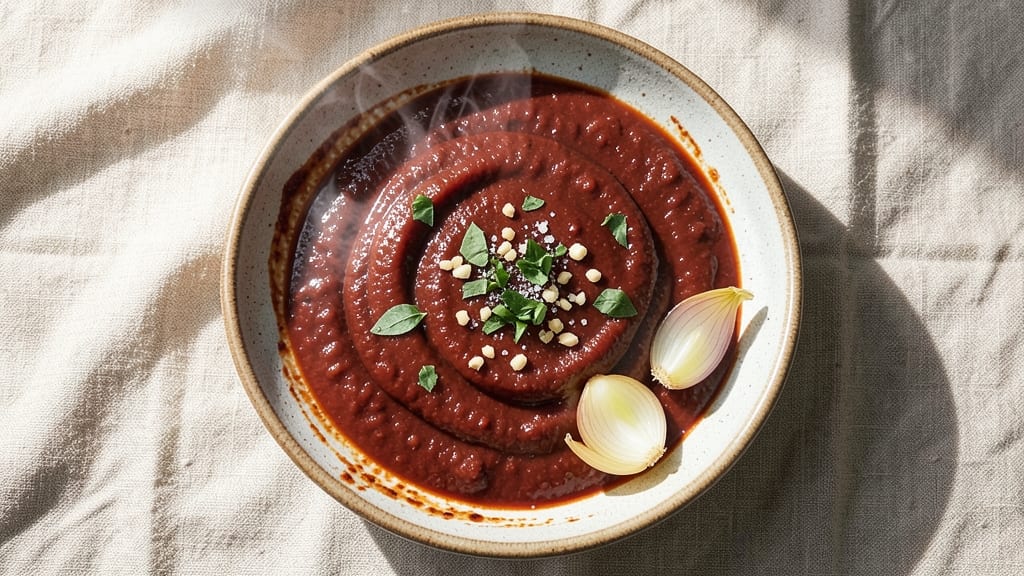
Creating Papa John's pizza sauce at home delivers that signature sweet-tangy balance without the jarred aftertaste, and it's easier than you think. The secret lies in blending ripe tomatoes, garlic, and fresh basil with just the right amount of sugar and spices to mimic that iconic flavor profile.
I've perfected this recipe after years of testing, ensuring every batch captures the restaurant-quality taste you crave.
This sauce relies on a simple yet precise method: simmering crushed tomatoes with garlic, onion, and herbs until the flavors meld into a smooth, vibrant paste. The key ingredients—tomato paste, fresh basil, and a touch of red pepper flakes—work together to create that signature sweetness with a hint of spice.
Unlike store-bought versions, this sauce develops deeper flavor the longer it cooks, making it worth the extra time.
What you'll end up with is a rich, glossy sauce that's perfectly balanced—sweet enough to satisfy cravings but tangy enough to cut through melted cheese. The texture is smooth and velvety, with just the right consistency to spread evenly on pizza dough without being too thin.
This sauce transforms any homemade pizza into something that rivals your favorite delivery spot.
Use this sauce as the foundation for your next pizza night, or store it in the fridge for up to a week. The flavor only improves with time, so making a double batch is always a good idea. Let's get started on recreating that Papa John's taste at home!
Ingredients for papa john's pizza sauce
Seven pantry staples and fresh herbs transform into Papa John's iconic pizza sauce.
| Ingredient | Amount | Notes |
|---|---|---|
| Crushed Tomatoes (46 oz can) 🍅 | 1 can | San Marzano preferred for sweetness |
| Tomato Paste 🍅 | 2 tbsp | High-quality, no sugar added |
| Fresh Basil Leaves 🌿 | ½ cup | Packed, stems removed |
| Garlic Cloves 🧄 | 4 cloves | Peeled, minced fine |
| Yellow Onion 🧅 | ¼ cup | Finely diced, about 1 small |
| Granulated Sugar 🍚 | 1 tbsp | Adjust to taste |
| Red Pepper Flakes 🌶️ | ½ tsp | Adjust for heat preference |
| Dried Oregano 🍃 | 1 tsp | Mexican oregano preferred |
| Salt 🧂 | ½ tsp | Kosher or sea salt |
| Black Pepper 🌶️ | ¼ tsp | Freshly ground preferred |
The tomatoes make or break this sauce. San Marzano is worth the splurge—its natural sweetness and low acidity mimic the restaurant version perfectly. Grab the 46-ounce can at Whole Foods or Trader Joe's if you want to match Papa John's flavor. Fresh basil? Farmers markets have the best, but grocery store containers work too—just pick leaves that are bright green, not wilted. The garlic and onion should be finely minced; a food processor makes this job easy. If you're short on time, pre-minced garlic from a jar works, but fresh is always better.
No San Marzano? Any high-quality crushed tomatoes will do—just add an extra pinch of sugar to balance acidity. Swap fresh basil for dried at one-fourth the amount, but the flavor won't be quite the same. Running low on red pepper flakes? Cayenne pepper at half the amount gives similar heat. The sugar is key here—it's what gives Papa John's sauce that signature sweetness. If you're watching sugar, reduce to 1 teaspoon and add a splash of balsamic vinegar for tang. The oregano? Mexican oregano has a deeper flavor—find it in the Latin foods aisle at Walmart or H-E-B.
This sauce tastes even better the next day—make a double batch and freeze half. Store leftovers in the fridge for up to 1 week, covered tightly. For freezing, portion into ice cube trays—perfect for single pizza nights. If the sauce thickens too much after refrigerating, just stir in a splash of water or crushed tomatoes. The texture should be glossy and spreadable, not clumpy. Trust me, the extra 10 minutes of simmering makes all the difference.
Why You'll Love This Recipe
- No-Fuss Pantry Staples: I swear by this sauce because it only needs what you already have—no specialty items, no hunting for obscure spices. That giant can of crushed tomatoes? Already in your cupboard. Same with the paste and onion. Just chop, simmer, and boom—ready to slather on anything.
- Garlic-Basil Bomb: The moment that tomato paste and fresh basil hit the pot, my kitchen smells like a pizza parlor. That deep, sweet garlic base with bright herbal notes? It’s the kind of flavor that makes you pause mid-bite, like, “Wait, is this from a jar?” Nope—just five ingredients, done right.
- Game for Any Night: Between us, this sauce is my lazy-day hero. Use it for pizza, toss it with pasta, or even drizzle it over grilled chicken. I’ve even microwaved a bowl for a quick marinara night—no judgment. It’s that adaptable.
- Budget Meets Bulk: Honestly, this recipe saves me money in two ways: it stretches one can of tomatoes into way more sauce than store-bought, and the leftovers? Freezer-friendly. I make a double batch, freeze half, and thank myself later when I’m craving homemade sauce on a Tuesday.
Step-by-step instructions for Papa John's-style pizza sauce
Here's how to craft that iconic Papa John's sauce at home—smooth, sweet-tangy, and bursting with fresh basil.
Sauté the Aromatics Until Fragrant
Heat a large saucepan over medium heat and add the 2 tablespoons tomato paste. Stir constantly for 2 minutes until it darkens slightly and releases its rich flavor. This is the flavor anchor of your sauce—don't skip this step.
Add the ¼ cup finely diced yellow onion and 4 cloves minced garlic. Cook for 4-5 minutes until the onion softens and becomes translucent, and the garlic releases its aromatic punch. You'll know it's ready when the mixture smells deeply savory—this is when all the flavors start melding together. Keep the heat at medium to avoid burning the garlic, which can turn bitter.
Here's the thing—if your garlic starts to brown too quickly, reduce the heat to low and give it a few extra minutes. The goal is to develop flavor without charring. Once the onion is tender and the garlic is fragrant, you're ready for the tomatoes.
Build the Sauce with Tomatoes and Seasonings
Pour in the 1 can (46 oz) crushed tomatoes and stir well to combine with the tomato paste and aromatics. The mixture will look thick and chunky at first. Add the 1 tablespoon granulated sugar, ½ teaspoon red pepper flakes, 1 teaspoon dried oregano, ½ teaspoon salt, and ¼ teaspoon black pepper. Stir everything together until fully incorporated.
Bring the sauce to a gentle boil over medium-high heat, then reduce the heat to low and let it simmer uncovered for 25-30 minutes. You want the sauce to thicken slightly and reduce by about ¼ of its original volume. Stir occasionally to prevent sticking and ensure even cooking. The sauce should coat the back of a spoon by the end of this time.
This simmering time is crucial—it allows the flavors to deepen and the acidity to mellow. If you notice the sauce is too acidic or thin, you can add a pinch more sugar or let it simmer a few extra minutes. The texture should be smooth but still have some body, not watery.
Finish with Fresh Basil and Adjust to Perfection
Once the sauce has thickened, remove the pan from heat. Using a wooden spoon or immersion blender, carefully blend in the ½ cup fresh basil leaves until fully incorporated. This is where the sauce gets its signature freshness—don't skip this step. The basil will brighten the flavors and add a vibrant green hue.
Taste the sauce and adjust the seasoning if needed. You might want to add a pinch more salt, a touch of sugar, or even a few extra red pepper flakes to match your preference. The sauce should be sweet-tangy with a hint of spice and a bright basil note. If it's too thick, thin it with a splash of water or pasta water—just enough to reach a smooth, spreadable consistency.
Let the sauce cool to room temperature before using it on your pizza. This resting period allows the flavors to fully meld together. You'll notice the aroma becomes even more inviting as it cools, and the taste will be more balanced. Store any leftovers in an airtight container in the refrigerator for up to 5 days—it only gets better with time.
Pro Tips For Making Papa John'S Pizza Sauce
- Simmer Low and Slow: I used to blast this sauce on high heat, thinking it’d cook faster—wrong move. After burning the garlic twice, I learned: once the tomatoes and paste are combined, drop the heat to medium-low and let it bubble gently for 20-25 minutes. This deepens the flavor without scorching the onion or garlic, which is where the sauce’s sweetness lives.
- Blanch the Basil: Fresh basil wilts and turns bitter if tossed in raw. Instead, blanch the leaves in boiling water for 10 seconds, then plunge into ice water to stop the cooking. This keeps them vibrant and bright in the sauce—no more sad, limp basil at the end.
- Cook the Onion First: Skipping this step means your sauce will taste raw and sharp. Sauté the diced onion in olive oil over medium heat until it’s translucent and just starting to caramelize—about 8-10 minutes. This softens the bite and builds flavor that carries through the entire batch.
- Use a Splatter Screen: Tomato paste and garlic are a messy combo. Place a fine-mesh splatter screen over the pot while cooking to catch the flying bits—no more scrubbing tomato paste off your cabinets. (Yes, I’ve done it. No, you don’t want to.)
Serving suggestions for leftovers
Classic Pizza Pairings
This sauce shines brightest with Papa John's signature pepperoni and mushroom slices—the sweet-tangy balance makes the salty, spicy pepperoni taste even more vibrant. I like to add mozzarella cheese in layers, using a mix of low-moisture shredded for crispiness and fresh mozzarella for meltiness.
For a veggie option, try bell peppers, red onions, and olives—the sauce's brightness cuts through their richness perfectly. 🍕
Cheese Board Elevation
Use this sauce as a dip for garlic knots or as a spread on bruschetta—just drizzle lightly over toasted baguette slices and top with fresh mozzarella pearls and cherry tomatoes.
The sauce's acidity pairs beautifully with ricotta cheese and prosciutto on a charcuterie board. For a sweet contrast, add balsamic glaze drizzles and fig jam alongside the salty meats and cheeses.
Breakfast Twist
Who says pizza sauce is just for pizza? Try it on breakfast burritos with scrambled eggs, crumbled sausage, and cheddar cheese—the sweetness balances the savory perfectly. I also love it as a pasta sauce for penne or spaghetti, tossed with garlic breadcrumbs and Parmesan cheese.
For a quick breakfast, spread it on toasted English muffins with a fried egg on top. 🍳
Garnish Game-Changers
Finish your pizza with fresh basil leaves torn by hand for that restaurant-quality look. A sprinkle of red pepper flakes adds extra heat, while grated Parmesan cheese brings umami depth.
For a smoky touch, try a drizzle of smoked paprika or a few drops of hot honey. The sauce's brightness makes these toppings pop even more.
Make-Ahead Meal Prep
Store leftover sauce in glass jars with airtight lids in the fridge for up to 5 days or freeze in ice cube trays for single-serving portions. Use it as a marinade for chicken breasts or as a dip for veggie sticks—the flavors adapt surprisingly well.
For a quick lunch, spread it on toasted sourdough with prosciutto and arugula for a deconstructed pizza sandwich. 📅
Global Flavor Fusion
Turn this sauce into a taco sauce by thinning it with a splash of beer and adding cumin and lime juice. For an Italian twist, toss it with pasta and top with grilled chicken and sun-dried tomatoes.
The sauce even works as a dipping sauce for fried mozzarella sticks—trust me, it’s a game-changer. 🌍
Nutrition facts
Frequently asked questions
Why does this sauce taste different from store-bought?
Store-bought sauces often rely on preservatives and artificial flavors to extend shelf life, which can leave a flat aftertaste. This recipe uses San Marzano tomatoes and fresh basil for natural sweetness and brightness, while the long simmering time develops deep, complex flavors that mimic Papa John's signature taste without additives. The key is patience—those 25-30 minutes of simmering make all the difference!
Can I make this sauce without fresh basil?
Yes, but the flavor won't be quite the same. If you're short on fresh basil, use dried basil at one-fourth the amount (so 1 teaspoon instead of ½ cup). For an even closer match, try fresh Italian parsley blended in at the end—it adds a similar bright note. The sauce will still be delicious, just with a slightly different herbal profile.
What if my sauce is too thick or too thin?
If it's too thick, stir in 1-2 tablespoons of water or pasta water until it reaches a smooth, spreadable consistency. For a thinner sauce, simmer it longer to reduce it naturally. The ideal texture should coat the back of a spoon but still spread easily—like a thick marinara. Pro tip: If it thickens in the fridge, just warm it gently and thin with a splash of liquid.
How do I store leftovers to keep them fresh?
Let the sauce cool completely before storing it in an airtight container in the fridge for up to 5 days. For longer storage, freeze portions in ice cube trays (covered with plastic wrap) and transfer to a bag—this way, you can thaw just what you need. Frozen sauce keeps for 3 months and tastes even better after thawing!
Can I adjust the sweetness or spice level?
For less sweetness, reduce the granulated sugar to 1 teaspoon and add a splash of balsamic vinegar for tang. To make it spicier, increase the red pepper flakes by ½ teaspoon or add a pinch of cayenne. Taste as you go—this sauce is all about balancing flavors to your preference!