
Main Courses
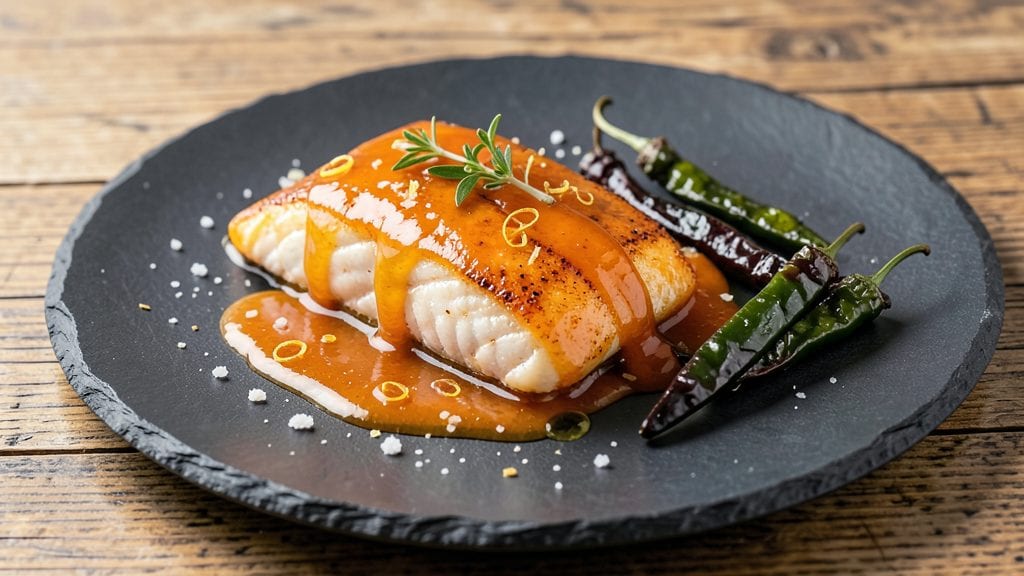
This orange white fish recipe transforms simple fillets into a restaurant-worthy dish with just 20 minutes of active time and a burst of citrus brightness. The secret lies in a quick orange glaze that caramelizes beautifully during cooking, creating a sweet-tangy crust while keeping the fish tender and flaky.
I developed this recipe after struggling to find a method that balanced simplicity with bold flavor—no complicated marinades or last-minute shopping required.
The technique is straightforward but precise: pan-sear the fish until golden, then baste with a mixture of orange juice, zest, and a touch of honey for depth. The result is a dish that’s vibrant, aromatic, and effortlessly elegant, perfect for weeknight dinners or special occasions.
This method works equally well with cod, tilapia, or halibut, ensuring versatility without sacrificing flavor.
What you’ll end up with is fish that’s crisp on the outside, melt-in-your-mouth tender inside, and infused with the bright, zesty notes of orange. The glaze adds a subtle caramelized sweetness that complements the natural mildness of white fish, making every bite feel indulgent.
Serve it alongside roasted asparagus or a simple green salad for a complete, balanced meal.
This recipe delivers professional-quality results with minimal effort, proving that bold flavors don’t require hours in the kitchen. The key is timing—just 20 minutes from start to finish—and the payoff is a dish that’s sure to impress. Let’s get cooking!
Ingredients for orange white fish
Bright citrus glaze meets tender white fish in this restaurant-quality recipe.
| Ingredient | Amount | Notes |
|---|---|---|
| White Fish Fillets 🐟 | 4 whole | Cod, tilapia, or halibut preferred |
| Fresh Orange Juice 🍊 | ½ cup | Freshly squeezed, no pulp |
| Orange Zest 🍊 | 1 tbsp | From 1 large organic orange |
| Honey 🍯 | 1 tbsp | Wildflower or clover preferred |
| Extra-Virgin Olive Oil 🫒 | 2 tbsp | For high heat searing |
| Diamond Crystal Kosher Salt 🧂 | ½ tsp | Fine grain preferred |
| Freshly Ground Black Pepper 🌶️ | ¼ tsp | Coarsely ground |
| Garlic Cloves 🧄 | 2 cloves | Minced for glaze |
| Fresh Thyme Leaves 🌿 | 2 tsp | Chopped, from 1 sprig |
| Unsalted Butter 🧈 | 1 tbsp | Cold, for finishing |
| Fresh Parsley 🌿 | 2 tbsp | Chopped, for garnish |
| Lemon Wedges 🍋 | 2 whole | For serving |
The quality of your fish makes all the difference here. Whole Foods Market or local seafood counters carry the freshest cod, tilapia, or halibut fillets—look for bright, translucent flesh and a clean, oceanic aroma. If you're using frozen fish, thaw it overnight in the fridge for even cooking. The orange juice should be freshly squeezed from a navel orange (the sweeter variety) for that perfect balance of tartness and sweetness. For zest, use an organic orange to avoid wax residue. The honey should be raw and unfiltered—it adds depth and prevents the glaze from becoming overly acidic. If you can't find wildflower honey, clover works just as well.
No fresh orange juice? High-quality bottled not-from-concentrate works in a pinch, though it lacks the same brightness. Substitute orange zest with lemon zest at half the amount if oranges are out of season. For honey, agave nectar or maple syrup can replace it one-to-one, though the flavor profile will shift slightly. If you're missing thyme, dried thyme at one-third the amount suffices, but fresh is ideal for that aromatic punch. The butter should be unsalted and cold when added at the end—this creates a luxurious finish without overpowering the citrus notes. For extra flair, add a pinch of red pepper flakes to the glaze if you enjoy a subtle kick.
This dish reheats beautifully—simply warm in a skillet with a splash of water for 2-3 minutes to maintain its crispness. Store leftovers in an airtight container in the fridge for up to 2 days, though the fish is best enjoyed fresh. The glaze can be made ahead and stored separately for 3 days in the refrigerator. For meal prep, assemble the dish just before serving to preserve the crispy texture. Serve with a squeeze of fresh lemon and a sprinkle of parsley to keep everything vibrant. The flavors actually improve slightly the next day as the citrus marinades into the fish.
Why You'll Love This Recipe
- Fewer Ingredients, More Magic: I swear by this combo—just five things, and the orange juice and zest cut through the richness of the olive oil and honey like a citrusy breeze. No fancy herbs or last-minute shopping runs; everything’s probably already in your fridge or pantry.
- Bright & Sweet Balance: That honey-orange glaze? It’s the kind of flavor that makes you pause mid-bite—juicy, tangy, and just a touch sticky. The fish stays tender while the edges get this golden, caramelized crust that’s impossible to resist.
- Weeknight or Guest Night: Serve it over quinoa for a quick lunch, or pair it with crusty bread and a simple salad for dinner when friends drop by. Honestly, I’ve made it for both, and it never feels like a chore—just delicious.
- Leftovers That Don’t Suck: Unlike some fish dishes that turn rubbery the next day, this one reheats like a dream. Toss the leftovers in a wrap with greens for lunch, or crumble it into pasta for a lazy evening. (Yes, even on a Tuesday night.)
Step-by-step instructions for orange white fish recipe
This method delivers perfectly balanced citrus-basted fillets with tender flesh and vibrant flavor in just 20 minutes.
Prepare the Citrus Glaze
In a small saucepan, combine the 0.5 cup fresh orange juice, 1 tablespoon orange zest, 1 tablespoon honey, and 2 cloves minced garlic cloves. Bring to a gentle simmer over medium heat, then reduce to low and let it cook for 5-6 minutes until slightly reduced and syrupy. The mixture should coat the back of a spoon and develop a fragrant aroma—this concentrated citrus glaze will baste the fish and create a glossy finish.
While the glaze simmers, chop the 2 teaspoons fresh thyme leaves finely and set aside. Strain the finished glaze through a fine-mesh sieve to remove any pulp, then return it to the saucepan and keep warm over very low heat. This ensures your glaze remains smooth and ready to use without overcooking the fish later.
Season and Sear the Fish Fillets
Pat the 4 whole white fish fillets completely dry with paper towels—this step is critical for achieving crispy skin. Arrange them on a clean work surface and season both sides generously with the 0.5 teaspoon diamond crystal kosher salt and 0.25 teaspoon freshly ground black pepper. Let them rest for 5 minutes while you prepare the pan.
Heat a large oven-safe skillet over medium-high heat until very hot. Add the 2 tablespoons extra-virgin olive oil and swirl to coat the bottom evenly. Place the fish fillets in the skillet, skin-side down, and cook undisturbed for 3-4 minutes until the skin turns golden brown and crispy. You'll see the edges begin to curl slightly—this indicates proper searing. Carefully flip each fillet and cook for another 2-3 minutes until the flesh becomes opaque and flakes easily when tested with a fork.
Baste and Finish with Butter
Remove the skillet from heat and carefully spoon the warm citrus glaze evenly over each fillet, allowing it to soak into the fish. Return the skillet to medium-low heat and let the fish cook for an additional 1-2 minutes as the glaze caramelizes slightly and forms a glossy coating.
Add the 1 tablespoon cold unsalted butter to the skillet and let it melt, then spoon it over the fish along with any accumulated juices in the pan. This step adds richness and helps create a silky finish. The fish should reach an internal temperature of 145°F when checked with an instant-read thermometer—this ensures perfect doneness without overcooking.
Garnish and Serve Immediately
Transfer the fish to serving plates and sprinkle each fillet with the chopped fresh parsley and a pinch of additional freshly ground black pepper. Serve immediately with the 2 whole lemon wedges on the side for squeezing. The fish should have crispy skin on the outside, tender flakes on the inside, and a bright citrus aroma that permeates every bite.
For best results, serve this dish right away while the fish is still warm and the citrus glaze remains vibrant. The combination of crispy skin, tender flesh, and bright citrus flavors makes this a refreshing yet elegant preparation perfect for weeknight dinners or special occasions.
Pro Tips For Making Orange White Fish
- Sear First, Then Marinate: Hit the fish with a quick 2-minute sear in olive oil before adding the orange-honey mix—I learned this the hard way when my fish turned mushy from soaking too long. The crust locks in flavor and keeps it from falling apart when you flip.
- Strain That Juice: Skip the pulp unless you’re going for a rustic texture. Strain the orange juice through a fine-mesh sieve to avoid bitter bits, and save the zest for garnish or extra brightness. (Yes, even if you’re impatient—it makes a real difference.)
- Balance the Sweetness: Taste the marinade before adding it to the fish. If it’s too sweet, cut it with a splash of water or a pinch of salt—honey can overpower the fish fast. Start with 1:1 orange juice to honey, then adjust.
- Rest Before Serving: Let the fish sit for 3–5 minutes after cooking, tented with foil. I used to rush this, and the fish would break apart when plating. A quick rest keeps it together and lets the orange flavors sink in.
Flavor customization for this recipe
Sweet-Tangy Glaze Variations
For a bolder sweetness, replace half the honey with 1 teaspoon maple syrup—it adds caramel depth while keeping the citrus forward. If you prefer tartness, increase the orange juice to ⅔ cup and add ½ teaspoon lemon juice to brighten the flavor.
For a spicy kick, stir in ¼ teaspoon ground ginger or pinch of red pepper flakes into the glaze before basting. 🌶️
Herb and Spice Customizations
Swap thyme for fresh rosemary (½ sprig, finely chopped) for an earthier note, or add 1 teaspoon grated ginger to the glaze for warmth. For a Mediterranean twist, include ½ teaspoon dried oregano and a pinch of crushed fennel seeds in the glaze.
If you love garlic-forward flavors, double the minced garlic to 4 cloves and sauté it in the olive oil before adding the fish.
Citrus Swaps and Enhancements
Use blood orange juice instead of navel orange for a berry-like sweetness—reduce honey to ½ tablespoon since blood oranges are naturally sweeter. For a tropical vibe, add 1 teaspoon lime zest and 1 tablespoon lime juice to the glaze.
If you’re out of fresh citrus, orange marmalade (thinned with water) works in a pinch for a jammy glaze—simmer 2 tablespoons marmalade with 1 tablespoon water for 3 minutes before using.
Texture and Finishing Touches
For extra crunch, sprinkle toasted sesame seeds or crushed pistachios on top before serving. A drizzle of orange reduction (simmer ¼ cup orange juice until syrupy) adds elegance.
For a creamy contrast, serve with a dill yogurt sauce (mix ¼ cup Greek yogurt, 1 tbsp chopped dill, and ½ tsp lemon juice). The acidity cuts through the richness of the fish beautifully.
Global Flavor Adaptations
Transform this into a Japanese-inspired dish by adding 1 teaspoon soy sauce and ½ teaspoon grated ginger to the glaze, then garnishing with sesame seeds. For a Spanish twist, include ½ teaspoon smoked paprika and 1 minced shallot in the glaze, serving with roasted red peppers.
A Thai-inspired version calls for 1 teaspoon fish sauce, ½ teaspoon lime zest, and a chili paste drizzle on top.
Make-Ahead Glaze Options
Prepare the glaze up to 3 days ahead and store it in an airtight container in the fridge. Reheat gently before using—add 1 teaspoon water while warming to prevent burning. For meal prep, cook the fish as directed, then refrigerate in a single layer to maintain texture.
Reheat in a skillet with 1 teaspoon butter over medium heat for 2-3 minutes, basting with reserved glaze to restore crispness. ✨
Nutrition facts
Frequently asked questions
What type of white fish works best for this citrus recipe?
Cod, tilapia, and halibut are your best options—they stay tender and absorb flavors beautifully. Look for firm fillets with bright, translucent flesh and minimal odor. For extra richness, try mahi-mahi or snapper, which hold up well to high heat and citrus marinades.
Can I make this recipe without fresh orange juice?
Yes! Use high-quality bottled not-from-concentrate orange juice (like Tropicana Pure) for the closest substitute. For zest, lemon zest at half the amount works in a pinch, though it lacks the same sweetness. If you're missing honey, agave nectar or maple syrup can replace it one-to-one while keeping the glaze cohesive.
Why is the fish skin not crispy?
Skipping the dry pat before cooking or using a pan that isn't hot enough are the most common culprits. Ensure your skillet is smoking hot and pat the fish completely dry with paper towels. For extra crispiness, add a pinch of cornstarch to the skin before searing—it creates a light, crunchy barrier.
How do I adjust this for a spicier version?
Add ¼ teaspoon ground ginger or pinch of red pepper flakes directly to the citrus glaze before basting. For heat lovers, mix ½ teaspoon sriracha into the warm butter at the end. Balance the spice with a squeeze of fresh lemon to keep the dish vibrant.
Can I bake this fish instead of pan-searing?
Preheat your oven to 400°F, brush the fillets with olive oil, and bake for 10-12 minutes until flaky. Broil for 1-2 minutes at the end to crisp the skin. Brush with the citrus glaze halfway through baking for maximum flavor infusion.