Main Courses
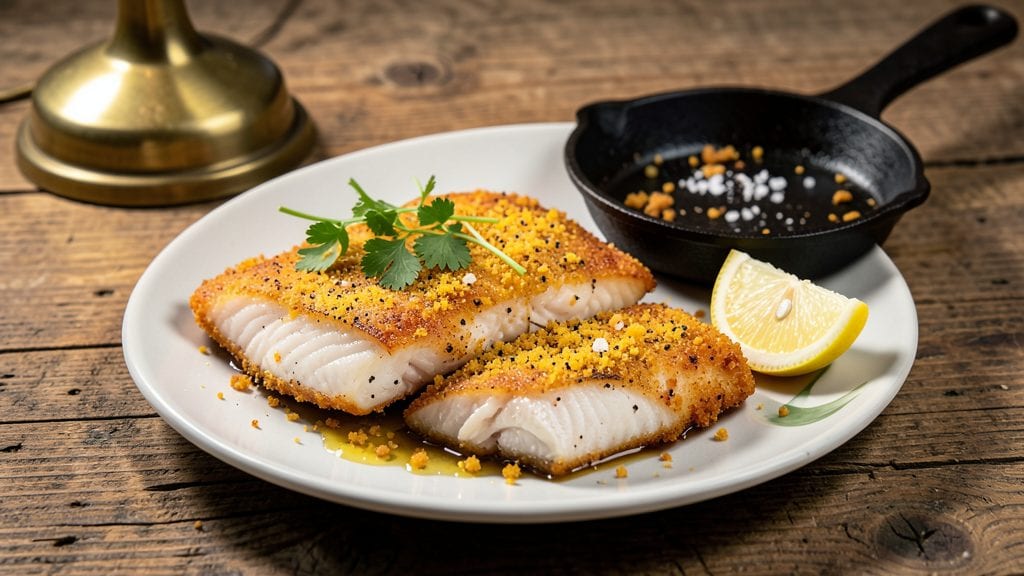
This old-fashioned fried fish recipe delivers the perfect balance of crispy cornmeal crust and juicy white meat that tastes like a classic Southern dinner. The secret lies in a precise batter ratio and frying at the right temperature—too hot, and the crust burns; too cool, and it stays soggy.
I’ve perfected this method after years of testing, ensuring every bite meets that ideal texture contrast. The aroma alone will transport you to a seaside diner, where golden fish sizzles in hot oil and lemon waits to brighten the plate.
What sets this recipe apart is the cornmeal crust, which creates a lighter, crispier texture than traditional flour-based batters. The key is using a mix of all-purpose flour and cornmeal for structure while keeping the interior tender.
Frying at 350°F ensures a golden exterior without overcooking the delicate fish inside. Serve with classic sides like tartar sauce, lemon wedges, and a simple green salad to complete the meal.
By the time you plate this dish, you’ll have a restaurant-quality centerpiece that’s foolproof once you master the technique. The fish emerges from the oil with a shatteringly crisp crust that gives way to flaky, moist meat underneath.
The lemon’s acidity cuts through the richness, while the tartar sauce adds a creamy contrast. This is the kind of recipe that becomes a family staple, passed down through generations.
Perfect for weekend brunches, summer gatherings, or a comforting weeknight dinner, this fried fish recipe delivers authentic Southern flavor without the fuss. The method scales easily for crowds, and leftovers reheat beautifully in the oven. Let’s get cooking—your taste buds will thank you.
Ingredients for old fashioned fried fish
Classic Southern ingredients for a restaurant-worthy fried fish experience at home.
| Ingredient | Amount | Notes |
|---|---|---|
| White Fish Fillets 🐟 | 1 ½ lb | Cod, haddock, or tilapia preferred |
| All-Purpose Flour 🌾 | 1 cup | For light, crispy batter |
| Fine Yellow Cornmeal 🌽 | ½ cup | For signature Southern texture |
| Baking Powder 🧂 | 1 tbsp | For extra crispiness |
| Salt 🧂 | 1 ½ tsp | Kosher or sea salt preferred |
| Black Pepper 🌶️ | ½ tsp | Freshly ground for best flavor |
| Vegetable Oil 🫒 | 3 cups | For deep frying at 350°F |
| Lemon Wedges 🍋 | 4 whole | Freshly cut for serving |
| Ice ❄️ | 2 cups | For keeping fish cold |
| Eggs 🥚 | 1 whole | Beaten for dipping |
| Milk 🥛 | ½ cup | Whole milk for creaminess |
| Paprika 🌶️ | ½ tsp | Smoked for extra flavor |
| Garlic Powder 🧄 | ½ tsp | For subtle depth |
| Tartar Sauce 🥫 | ½ cup | Store-bought or homemade |
The fish selection is critical—cod or haddock deliver that ideal flaky texture, but tilapia or mahi-mahi work too if that's what's fresh. Look for fillets with even thickness (about 1-inch) to ensure even cooking. Local fish markets often have the freshest options, but the seafood counter at Whole Foods or Trader Joe's will have reliable choices. Keep the fish in ice water until ready to use—this maintains moisture and prevents drying. For a true Southern touch, ask for freshly caught options if available, as they tend to have superior texture.
No cornmeal? Substitute with crushed cornflakes for a similar texture, though the crust won't be quite as crispy. Running short on milk? Water or sparkling water works in a pinch, but the batter may be slightly less tender. The baking powder is non-negotiable—it creates those signature air pockets for extra crunch. For the oil, vegetable or peanut oil are classic choices, but avoid olive oil as it burns at lower temperatures. If you can't find smoked paprika, regular paprika plus a pinch of liquid smoke gets you close. The tartar sauce can be homemade (mayo, capers, pickles, lemon) or store-bought—just make sure it's well-chilled before serving.
This recipe reheats beautifully—simply warm in a 350°F oven for 5-7 minutes to restore crispiness. Store leftovers in an airtight container for up to 2 days, though the crust loses some crunch after the first day. For freezing, place fried fish on a tray to set, then transfer to a bag for up to 1 month. The batter components (flour, cornmeal, spices) keep indefinitely in a cool, dry place, so pre-mix them in a ziplock bag for convenience. Always fry fresh fish—never refry leftovers, as the texture degrades significantly.
Why You'll Love This Recipe
- I swear by this trick: just mix the flour, cornmeal, baking powder, and salt right in a shallow dish—no measuring cups, no sifting. Pat the fish dry, dip it in, and you’re done. That cornmeal gives it a texture I can’t get enough of—crispy outside, tender inside—without the fuss of breading layers.
- Here’s what sold me: the cornmeal and flour cost pennies, and a single batch stretches to feed four. Plus, white fish fillets are cheaper than you’d think if you buy them frozen. It’s the kind of meal that makes me feel like I’m treating myself without breaking the bank.
Step-by-step instructions for old fashioned fried fish
Here's the classic method for achieving that perfect golden crust and tender white meat every time.
Prepare the Fish for Frying
Begin by patting the 1.5 lb white fish fillets completely dry with paper towels—this is crucial for getting that crispy crust. I like to work with cod or haddock for this recipe as they hold up best to frying. Place the fillets on a plate and set aside while you prepare the dredging station.
Fill a large bowl with 2 cups ice and add the 4 whole lemon wedges. This keeps the fish cold and fresh while you work. The cold temperature helps prevent the fish from cooking prematurely in the batter. Keep the fish submerged in the ice water until you're ready to dredge, which should be just before frying to maintain maximum crispiness.
Create the Perfect Crispy Battering Mixture
In a medium bowl, whisk together the 1 cup all-purpose flour, 0.5 cup fine yellow cornmeal, 1 tbsp baking powder, 1.5 tsp salt, 0.5 tsp black pepper, 0.5 tsp paprika, and 0.5 tsp garlic powder. The cornmeal gives that signature Southern texture, while the baking powder ensures extra crispiness. Mix these dry ingredients thoroughly to eliminate any lumps.
In a separate bowl, beat the 1 whole egg and 0.5 cup milk together until smooth. The milk adds creaminess to the batter, helping it adhere better to the fish. I find that using whole milk gives the best results for that classic fried fish texture. Keep both bowls ready—you'll need to work quickly once the fish is out of the ice bath.
Dredge and Fry the Fish
Heat 3 cups vegetable oil in a deep fryer or heavy pot to 350°F. Use a deep-fry thermometer to monitor the temperature—this is critical for getting that perfect golden crust without burning the outside before the inside cooks. The oil should be hot enough to sizzle when you add the fish.
Remove a fillet from the ice bath, allowing any excess water to drip off, then dip it into the egg mixture to coat evenly. Immediately transfer the fish to the dry batter mixture, pressing gently to ensure full coverage. Let the excess batter drip off for about 5 seconds before carefully lowering the fish into the hot oil. Fry for 3-4 minutes per side until golden brown and crispy. You'll know it's ready when the crust turns a deep golden color and the fish releases easily from the fryer.
Drain and Serve Immediately
Transfer the fried fish to a wire rack or paper towel-lined plate to drain excess oil. The fish will be at its crispiest right out of the fryer, so serve immediately. The internal temperature should reach 145°F when checked with a meat thermometer. If you notice any spots that aren't perfectly golden, return them to the fryer for another 30 seconds to crisp up.
Serve the fish with the 0.5 cup tartar sauce on the side and the 4 whole lemon wedges for brightness. The tartar sauce cuts through the richness of the fried fish beautifully, while the lemon adds a refreshing contrast. The key to this dish is serving it immediately while the crust is at its peak crispiness and the fish is still juicy inside.
Pro Tips For Making Old Fashioned Fried Fish
- PAT THE FILLETS DRY: DESCRIPTION:
- MIX CORNMEAL FIRST: DESCRIPTION:
- DON’T OVERCROWD THE PAN: DESCRIPTION:
- LET IT REST (YES, REALLY): DESCRIPTION:
Regional styles of this old fashioned fried fish
Southern Seafood Shacks
In the heart of the South, fried fish is a staple at roadside seafood shacks where the air smells of hot oil and saltwater. The classic approach uses whole fish like black drum or red snapper, but fillets are equally popular.
I remember my first trip to a North Carolina shack where they fried the fish in peanut oil—the nutty flavor added depth to the crispy crust. The secret there? A double-dredge technique: dip in egg wash, coat in cornmeal mix, dip again, then fry.
This extra step guarantees a shatteringly crisp exterior. 🍗
New England Clam Shacks
Up north, fried fish takes on a lighter, almost delicate quality, often served with steamed clams or oyster crackers. In Maine, you’ll find cod or pollock fillets dusted with panko breadcrumbs instead of cornmeal, creating a lighter, airier crust.
The batter here includes a pinch of cayenne for subtle heat, and the fish is fried in vegetable oil until it reaches 145°F internal temperature. Serving it with hot sauce and tartar sauce is non-negotiable—it’s all about balancing flavors.
The key difference? The New England style leans into simplicity and brightness, using fresh, local fish like scrod or haddock.
Gulf Coast Style
The Gulf Coast brings bold, smoky flavors to fried fish, often using catfish or flounder as the star. Here, the batter is thicker—sometimes even including crushed Ritz crackers for extra crunch—and fried in peanut or vegetable oil at 365°F for a deeper golden hue.
What sets this style apart is the spice rub applied before frying: a mix of smoked paprika, garlic powder, and a dash of cayenne. The result? A spicy, smoky crust that pairs perfectly with spicy remoulade sauce or pickled okra.
I love how the Gulf Coast style embraces heat and texture in every bite. 🌶️
Carolina Lowcountry
In South Carolina’s Lowcountry, fried fish is often served with she-crab soup or hoppin’ John—a reflection of the region’s African American and Gullah-Geechee culinary roots.
The fish, usually red snapper or sheepshead, is battered with a mix of cornmeal and flour, then fried until golden and crisp. The Lowcountry style shines in its sauces: a spicy mustard sauce or lemon-pepper aioli is a must.
The region also loves blackened fish, where the crust is charred over an open flame before frying. This technique adds a smoky depth that’s uniquely Lowcountry. 🔥
Cajun Bayou Twist
Down in Louisiana, fried fish gets a Cajun kick with batters infused with filé powder (ground sassafras leaves) and hot sauce. Redfish or speckled trout are popular choices, and the fish is often fried in cast-iron skillets over an open fire for that rustic, smoky flavor.
The Cajun twist includes a holy trinity of onions, bell peppers, and celery in the batter for extra depth. Serving it with Cajun remoulade and cornbread makes for a full, flavor-packed meal. The key here? Don’t skimp on the spices—they’re what make this style unforgettable. 🌿
Nutrition facts
Frequently asked questions
What's the best fish to use for this old-fashioned fried fish recipe?
Cod, haddock, or tilapia work best for their firm texture and mild flavor. The fillets should be about 1-inch thick for even cooking. For extra authenticity, try local options like black drum or red snapper from seafood markets.
Can I make this recipe without cornmeal?
Yes! Substitute with crushed cornflakes for a similar texture, though the crust won't be quite as crispy. For a lighter version, use panko breadcrumbs instead. The cornmeal gives that signature Southern crunch, but these alternatives work in a pinch.
How do I keep the fried fish from getting soggy?
Pat the fish completely dry before dredging, and keep it in an ice water bath until ready to fry. Frying at 350°F and serving immediately ensures maximum crispiness. Avoid stacking fried fish—let it drain on a wire rack instead.
Can I bake this instead of frying?
While possible, baking won't give the same crispy texture. For a baked version, coat the fish in batter and bake at 425°F for 12-15 minutes until golden. The crust will be lighter, but the fish will still be delicious—just not as traditional!
What are the best sides to serve with this fried fish?
Classic pairings include tartar sauce, lemon wedges, and a simple green salad. For a Southern spread, add hush puppies or collard greens. The acidity from lemon or vinegar-based sauces cuts through the richness perfectly.