
Main Courses
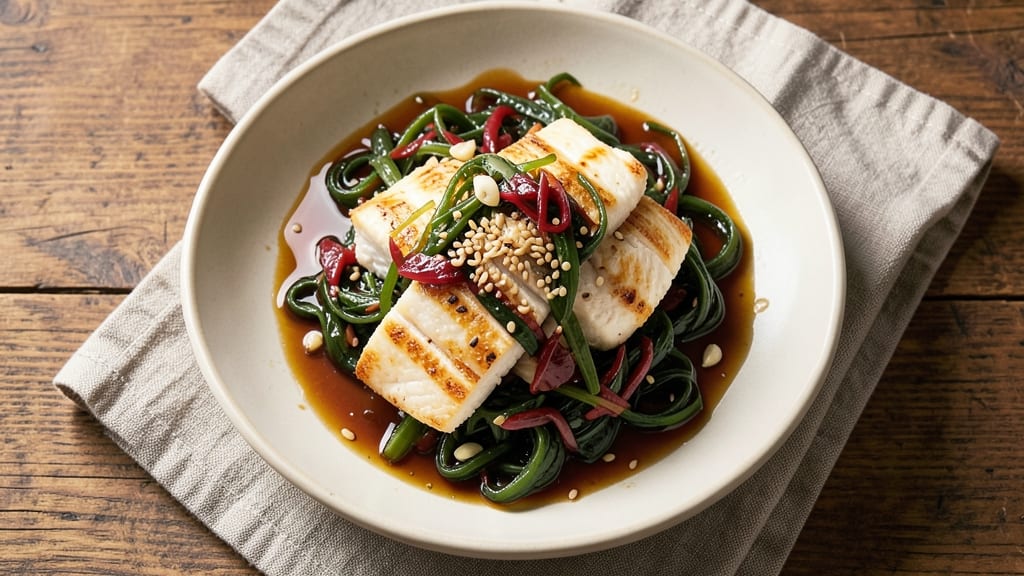
This Chinese sauerkraut fish recipe transforms simple ingredients into a dish that's bold, tangy, and impossible to resist. The secret lies in balancing the fermented crunch of sauerkraut with delicate, flaky fish fillets—creating a harmony of textures that feels both comforting and sophisticated.
I first discovered this technique while studying regional Chinese home cooking, where fermented vegetables elevate humble proteins into something extraordinary.
The magic happens in the preparation: fresh white fish (like cod or haddock) is lightly seared to lock in moisture, then braised with sauerkraut, soy sauce, and a touch of sugar to mellow the acidity.
The fish becomes fork-tender while absorbing the sauerkraut's complex flavors—sour, sweet, and umami all in one bite. This method works beautifully with firm white fish, delivering restaurant-quality results at home.
What you'll end up with is a dish that's rich in flavor but light enough for any meal—perfect over steamed rice or with a simple stir-fried green. The sauerkraut adds a satisfying crunch that contrasts beautifully with the melt-in-your-mouth fish.
Once you try this, you'll understand why it's a staple in Chinese home kitchens across generations.
For beginners, the key is patience—letting the sauerkraut mellow in the braising liquid while the fish cooks through. The result? A dish that's equal parts comforting and impressive, with flavors that develop deeper the longer it sits. Let's get cooking—this recipe delivers on every promise of authenticity and ease.
Ingredients for chinese sauerkraut fish
Simple yet transformative ingredients create this restaurant-worthy Chinese sauerkraut fish dish.
| Ingredient | Amount | Notes |
|---|---|---|
| White Fish Fillets 🐟 | 1 ½ lb | Cod or haddock, skin-on preferred |
| Sauerkraut 🥬 | 2 cups | Unsweetened, finely chopped |
| Light Soy Sauce 🍶 | ⅓ cup | Kikkoman preferred for balance |
| Brown Sugar 🍯 | 2 tbsp | Packed, for caramelization |
| Sesame Oil 🫒 | 1 tbsp | Toasted, for aroma |
| Garlic Cloves 🧄 | 4 cloves | Minced, aromatic intensity |
| Fresh Ginger 🌿 | 1 tbsp | Grated, for depth of flavor |
| Green Onions 🧅 | 3 whole | Sliced, for freshness |
| Neutral Oil 🫒 | 2 tbsp | Vegetable or canola |
| Shaoxing Wine 🍷 | ¼ cup | Substitute dry sherry |
| Cornstarch 🌾 | 1 tbsp | For velvety finish |
| Salt 🧂 | 1 tsp | Diamond Crystal preferred |
| Black Pepper 🌶️ | ½ tsp | Freshly cracked |
| Steamed White Rice 🍚 | 2 cups | For serving, jasmine preferred |
The sauerkraut is the heart of this dish—opt for unsweetened, finely chopped from a trusted brand like Rehr's or Bubbies, which maintain authentic fermentation. For the fish, wild-caught cod or haddock delivers the most delicate texture, though any firm white fish works. The garlic and ginger should be freshly grated or minced—pre-minced jars lack the aromatic punch. If you can't find Shaoxing wine, dry sherry is a perfect substitute, though it will alter the depth slightly. For sesame oil, toasted varieties add a nutty aroma that's essential to this recipe's character.
No Shaoxing wine? Dry sherry or even a splash of rice vinegar can bridge the flavor gap, though the dish will be slightly less complex. Substituting fish? Haddock or pollock work equally well, but avoid flaky fish like tilapia. For the sauerkraut, store-bought is fine, but homemade or fermented cabbage from Asian markets adds an extra layer of tang. The brown sugar can be swapped for white sugar, though it won't caramelize as beautifully. If you're short on time, pre-minced garlic is acceptable, but fresh is always superior. The cornstarch is critical for that velvety finish—don't skip it.
Store the sauerkraut in an airtight container in the refrigerator for up to 2 weeks, though it's best used within 5 days of opening. The fish should be used immediately or stored for no more than 2 days in the fridge, wrapped tightly in plastic. Once cooked, this dish reheats beautifully—simply warm in a skillet with a splash of water for 2-3 minutes. Leftovers keep for 3 days in the refrigerator, though the flavors are best enjoyed fresh. For meal prep, portion the fish and sauerkraut separately to maintain texture.
Why You'll Love This Recipe
- Foolproof Fish Night: I swear by this when I’m too tired to plan—just sear the fillets, toss in the sauerkraut (no chopping, just drain and stir), and let the soy and sugar work their magic. Five ingredients, zero stress.
- Tangy-Sweet Magic: That sauerkraut’s sharp bite cuts through the fish’s mildness while the brown sugar and sesame oil add this unexpected caramelized depth. Honestly, the first bite changes your mind about plain white fish forever.
- Leftover Hero: This keeps better than takeout. Reheat the fish in a pan with a splash of water—it stays moist—and the sauerkraut just gets more flavorful. Pack it for lunch or serve it cold over rice the next day.
- Budget Bright Spot: Fish fillets are affordable, sauerkraut lasts forever, and you’re using pantry staples. I’ll be real: it’s the kind of recipe that makes me feel like I’m feeding a crowd without breaking the bank. (Yes, even on a Tuesday night.)
Step-by-step instructions for Chinese sauerkraut fish
Here's how to achieve perfectly flaky fish with a tangy, fermented crunch that balances richness and acidity.
Prepare the Sauerkraut Marinade
In a medium bowl, combine the 2 cups sauerkraut, 0.33 cup light soy sauce, 2 tbsp brown sugar, 1 tbsp sesame oil, 4 cloves minced garlic cloves, and 1 tbsp grated fresh ginger. Mix thoroughly until the sauerkraut is evenly coated and the sugar begins to dissolve. This marinade should have a vibrant yellow hue from the ginger and a slightly sticky consistency from the soy sauce and sugar.
Let the mixture sit at room temperature for 15 minutes while you prepare the fish. This allows the flavors to meld together, creating a more cohesive sauce that will cling to the fillets. The acidity from the sauerkraut will begin to tenderize the fish slightly, ensuring maximum flakiness when cooked. If using skin-on fillets, ensure the skin is dry before proceeding—this prevents steam from forming between the skin and flesh, which can make the fish tough.
Season and Sear the Fish Fillets
Pat the 1.5 lb white fish fillets dry with paper towels, then season both sides generously with 1 tsp salt and 0.5 tsp black pepper. Place the fillets skin-side down in a cold skillet and turn the heat to medium-low. Allow the fillets to come to room temperature for 3-4 minutes before increasing the heat to medium. This gradual approach ensures even cooking and prevents the fish from curling.
Once the skillet is hot, carefully flip the fillets and cook for 3-4 minutes per side until the skin is crispy and golden brown and the fish flakes easily when tested with a fork. The internal temperature should reach 145°F—use an instant-read thermometer to check the thickest part of the fillet. Remove the fish from the skillet and set aside on a warm plate, skin-side up. The residual heat will continue cooking the fish slightly, so avoid overcooking during this step.
Build the Sauce and Finish the Fish
Reduce the heat to low and add 2 tbsp neutral oil to the same skillet. Pour in the 0.25 cup Shaoxing wine and scrape up any browned bits from the bottom of the pan—this adds depth of flavor to the sauce. Let the wine simmer for 2-3 minutes until reduced by half, then stir in the sauerkraut marinade. Simmer for an additional 4-5 minutes until the sauce thickens slightly and coats the back of a spoon.
In a small bowl, whisk together 1 tbsp cornstarch with 2 tablespoons of water to create a slurry. Slowly pour the slurry into the simmering sauce while stirring constantly. The sauce should thicken to a glossy, velvety consistency within 1-2 minutes. If it thickens too quickly, add a splash of water to adjust the texture. Taste and adjust seasoning with additional salt or pepper if needed.
Combine and Serve
Return the fish fillets, skin-side up, to the skillet and spoon the sauce evenly over the top. Cover the skillet and let it steam for 2-3 minutes to allow the fish to absorb the flavors of the sauce. This step ensures the fish remains moist and flaky while incorporating the tangy, sweet, and umami notes from the sauerkraut and soy sauce.
Garnish each serving with 3 sliced green onions and serve immediately over 2 cups steamed white rice. The contrast of the flaky, tender fish with the crisp, tangy sauerkraut and the neutral base of the rice creates a harmonious balance of textures and flavors. For best results, serve while the fish is still warm, as it continues to flake beautifully when cut into portions.
Pro Tips For Making Chinese Sauerkraut Fish
- Sear Fish First: Hit the fish fillets with a quick, hot sear in oil before adding sauerkraut—just 30 seconds per side. I learned this the hard way after serving rubbery fish; the initial crust keeps them tender while absorbing the tangy-sweet sauce later.
- Drain, Rinse, Repeat: Sauerkraut’s brine is sneaky—rinse it thoroughly in cold water and drain well before cooking. Skipping this step means your fish will swim in a pool of liquid, and the sauce won’t cling. Trust me, your future self will notice the difference.
- Deglaze Aggressively: After searing the fish, pour in the soy sauce and brown sugar immediately while the pan is still smoking. Scrape up every bit of fond—those caramelized bits are where the flavor lives. Let it bubble for 2 minutes before adding sauerkraut.
- Finish with Oil: Toss in the sesame oil last, right off the heat. Drizzle it over the fish and sauerkraut while stirring—this coats everything evenly and prevents the oil from burning. (Yes, even if you’re impatient like me, wait until the pan’s off the heat.)
Best sauces and condiments for this chinese sauerkraut fish
Sauerkraut's Tangy Base
The sauerkraut marinade is the foundation of this dish's bold flavor profile. I always use Rehr's unsweetened sauerkraut—its balanced fermentation delivers that perfect tang without overpowering the delicate fish. The key is to chop it finely so it distributes evenly throughout the sauce.
For extra depth, add 1 tsp of fish sauce to the marinade just before combining with the fish—it amplifies the umami without altering the dish's traditional character. 🥬
Sweet-Sour Balance
The brown sugar in this recipe isn't just for sweetness—it caramelizes slightly when simmered, creating a beautiful contrast to the sauerkraut's acidity. I like to use light muscovado sugar for its molasses notes, but regular brown sugar works perfectly fine.
For a more authentic touch, substitute 2 tbsp of honey instead of sugar, though it will add a floral dimension. The Shaoxing wine is non-negotiable for that classic Chinese depth, but dry sherry works in a pinch if you're short on time.
Umami Boosters
To elevate the sauce, I always add 1 tsp of oyster sauce to the finished mixture—it deepens the umami without overpowering the fish. For a vegetarian version, substitute 1 tbsp of soy sauce and ½ tsp of mushroom powder.
The sesame oil should be toasted for that nutty aroma, but if you're using regular sesame oil, add ½ tsp of ground toasted sesame seeds at the end for texture. The garlic and ginger should be freshly minced—pre-minced lacks the aromatic punch that makes this dish sing. 🧄
Finishing Touches
For a restaurant-quality finish, I drizzle 1 tsp of chili oil over the top just before serving—it adds a subtle heat that cuts through the richness. If you prefer a smoother texture, replace the chili oil with 1 tsp of toasted sesame oil for a nutty finish.
The cornstarch slurry is essential for that velvety coating, but if you're gluten-sensitive, use 1 tsp of arrowroot powder instead. Garnish with 3 sliced green onions and a sprinkle of toasted sesame seeds for that final touch of authenticity.
Sauce Variations
For a spicier version, add ½ tsp of red pepper flakes to the marinade or finish with a dash of Sichuan peppercorn oil for a tingling kick.
If you love sweet and sour, increase the sugar to 3 tbsp and add 1 tbsp of rice vinegar to the sauce. For a lighter version, reduce the soy sauce to ¼ cup and add 2 tbsp of coconut aminos for a milder flavor.
Each variation keeps the fish as the star while letting you customize the sauce to your taste. 🌶️
Nutrition facts
Frequently asked questions
Can I use frozen fish for this recipe?
Fresh fish is ideal for maximum flakiness, but you can use frozen fish if thawed properly. Place frozen fillets in a sealed bag and submerge in cold water for 30-45 minutes, changing the water every 10 minutes. Pat completely dry before seasoning—any moisture will prevent proper searing. For best results, use cod or haddock that's been previously frozen for 3-6 months, as this improves texture.
How do I adjust the recipe for spicier flavors?
For heat lovers, add ½ tsp of red pepper flakes to the sauerkraut marinade or finish with 1 tsp of chili oil before serving. For a tingling sensation, stir ¼ tsp of Sichuan peppercorn powder into the sauce. Start with small amounts—these spices intensify when combined with fermented flavors.
What's the best way to store leftovers?
Store cooked fish and sauce separately in airtight containers for up to 3 days in the fridge. Reheat gently in a skillet with 1 tbsp of water to prevent drying. The sauerkraut's texture softens when reheated, so serve it fresh if possible. For longer storage, freeze the sauce portion only for up to 1 month—thaw overnight in the fridge before using.
Can I make this dish without Shaoxing wine?
Substitute with ¼ cup dry sherry for similar depth, or use ¼ cup rice vinegar for tanginess. For a non-alcoholic version, add 1 tbsp of honey and 1 tsp of fish sauce to compensate for the missing umami. The wine's primary role is to deglaze the pan—any liquid that adds complexity will work.
Why did my fish turn out rubbery?
Overcooking is the most common cause. Fish should reach 145°F internally and flake easily with a fork. For delicate texture, cook skin-side down first at medium-low heat for 3-4 minutes, then flip. Avoid crowded pans—leave space between fillets. The sauerkraut's acidity can also toughen fish if simmered too long, so keep the final steaming to 2-3 minutes.