Breakfast & Brunch
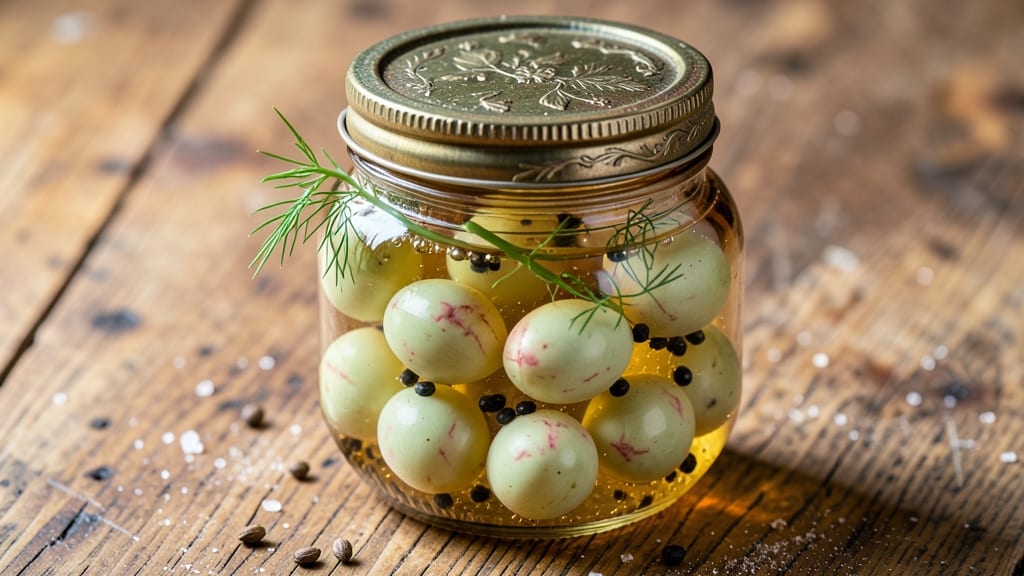
This old-fashioned pickled quail eggs recipe transforms delicate eggs into tangy, crunchy bites that elevate any spread—whether for holiday gatherings or everyday appetizers.
The secret lies in a precise vinegar-brine ratio that preserves texture while infusing bold, zesty flavor, a technique rooted in Eastern European traditions where pickled eggs were once a staple for preserving protein.
I’ve refined this method over years to ensure the eggs stay crisp yet tender, with a flavor profile that’s both nostalgic and modern.
The process is straightforward but requires patience: quail eggs are gently poached, then submerged in a carefully balanced brine of vinegar, water, and spices for at least 48 hours—long enough for the flavors to meld without overpowering the eggs’ natural taste.
The result is a dish that’s versatile yet impressive, perfect for charcuterie boards, salads, or as a standalone appetizer. Unlike store-bought versions, these pickled eggs maintain their crunchy exterior and creamy interior, thanks to the precise timing and ingredient ratios.
What sets this recipe apart is its adaptability—use white vinegar for a sharper bite or apple cider vinegar for a milder, fruitier twist. The eggs keep for up to 3 months in the refrigerator, making them ideal for meal prep or gifting.
Pair them with smoked salmon, crusty bread, or a fresh herb salad to showcase their bold, tangy complexity. This isn’t just a preservation method; it’s a way to turn simple eggs into a showstopping dish.
For those new to pickling, I’ll walk you through every step—from selecting the right vinegar to adjusting spice levels—so you can achieve restaurant-quality results at home.
Whether you’re reviving a family tradition or experimenting with a new flavor profile, these pickled quail eggs will become a staple in your culinary repertoire. Let’s get started!
Ingredients for old fashioned pickled quail eggs
Twelve ingredients transform delicate quail eggs into nostalgic, restaurant-worthy pickled bites perfect for holiday spreads or everyday indulgence.
| Ingredient | Amount | Notes |
|---|---|---|
| Quail Eggs 🥚 | 24 whole | Fresh, room temperature preferred |
| White Vinegar 💧 | 2 cups | Distilled, 5% acidity minimum |
| Water 💧 | 2 cups | Filtered preferred for clarity |
| Diamond Crystal Kosher Salt 🧂 | ¾ cup | Non-iodized for purity |
| Granulated Sugar 🍚 | ¼ cup | White or raw preferred |
| Mustard Seeds 🌶️ | 1 tbsp | Yellow or brown, whole |
| Black Peppercorns 🌶️ | 1 tsp | Freshly cracked preferred |
| Bay Leaves 🍃 | 2 whole | Dried, standard size |
| Garlic Cloves 🧄 | 3 cloves | Smashed, not minced |
| Fresh Dill Sprigs 🌿 | ¼ cup | Stems removed, loosely packed |
| Red Wine Vinegar 🍷 | ½ cup | Optional, for depth |
| Apple Cider Vinegar 🍎 | ½ cup | Optional, for fruitiness |
The quail eggs are the foundation—freshness is critical, so source them from a specialty grocer like Whole Foods or a trusted local farm. Room temperature eggs poach more evenly, so remove them from the fridge 30 minutes before starting. For the vinegar, white vinegar with 5% acidity is standard, but apple cider or red wine vinegar adds complexity. The Diamond Crystal kosher salt is essential; its coarse texture dissolves more evenly than table salt. If substituting, use 1.5 tsp table salt per 1 tbsp kosher. The mustard seeds and peppercorns should be whole—crushing them releases bitterness prematurely. For the dill, fresh is non-negotiable; dried would overpower the delicate flavor profile.
No white vinegar? Substitute with lemon juice at double the amount, though the flavor profile shifts toward citrus. Short on dill? Fresh tarragon or marjoram at half the quantity works, but traditionalists will notice the difference. The optional vinegars—red wine or apple cider—are where creativity shines. Trader Joe’s carries excellent small bottles of both, perfect for experimentation. If you’re pickling for a crowd, double the brine ingredients proportionally; the ratio of vinegar to water must remain precise. For a milder taste, reduce the mustard seeds to 0.5 tbsp and omit the black peppercorns entirely. The garlic cloves should be smashed with the flat side of a knife, not minced, to avoid muddying the brine.
Store the pickled quail eggs in an airtight glass jar submerged in their brine, refrigerated. They’ll develop optimal flavor after 48 hours, but patience yields better results—wait up to 72 hours for deeper infusion. Once opened, the eggs keep for 3 months in the fridge, though the texture softens slightly after 6 weeks. For gifting, use small, sterilized glass jars with tight-sealing lids. To serve, drain the eggs and rinse briefly under cold water to remove excess vinegar—pat dry with paper towels to maintain crispness. Pair with crusty sourdough or smoked salmon to highlight their tangy complexity.
Why You'll Love This Recipe
- Five-Minute Miracle: I swear, this takes less time than boiling water for tea. Just crack the eggs, toss them in the vinegar-sugar brine, and let time do the work—no stirring, no peeling, no fuss.
- Tangy Crunch Perfection: Between us, that first bite of the crispy shell with the briny, slightly sweet yolk? It’s the kind of contrast that makes you reach for seconds without thinking. The salt and sugar balance so well in the brine, it’s like a party in your mouth.
- Party Snack Hero: Honestly, these are my go-to for any gathering—charcuterie boards, picnic spreads, or just grazing while watching a movie. They’re small but mighty, and no one ever leaves a bowl empty.
- Fridge Stash Gold: I make a big batch and keep them in the fridge for weeks. They’re cheap to prep, last forever, and turn any last-minute salad or sandwich into something special. Zero waste, all flavor.
Step-by-step instructions for vinegar-kissed quail egg preservation
Mastering this technique transforms delicate quail eggs into vibrant, crunchy bites with complex layered flavors.
Prepare the Brine Solution with Precision
In a large, non-reactive container (glass or ceramic preferred), combine the 2 cups white vinegar, 2 cups water, 0.75 cup diamond crystal kosher salt, and 0.25 cup granulated sugar. Stir vigorously with a wooden spoon until all solids dissolve completely—this ensures even distribution throughout the curing process. The solution should be clear with no visible salt crystals remaining.
Next, add the 0.5 cup red wine vinegar and 0.5 cup apple cider vinegar if using, along with the 1 tbsp mustard seeds, 1 tsp black peppercorns, 2 whole bay leaves, and 3 smashed garlic cloves. The mustard seeds will add subtle heat, while the peppercorns and bay leaves contribute aromatic depth. Let this mixture steep at room temperature for 15 minutes, allowing the spices to infuse the liquid with their essential oils.
Clean and Cure the Quail Eggs Thoroughly
Gently rinse the 24 whole quail eggs under cool running water to remove any surface debris, then pat them completely dry with paper towels. Any moisture remaining on the shells will create weak spots during the curing process. Place the eggs in a single layer at the bottom of a clean, wide-mouthed jar or container—this prevents them from cracking against each other during the curing period.
Pour the prepared brine solution over the eggs, ensuring they are completely submerged. The liquid level should be at least 1 inch above the highest point of the eggs. If needed, add a small weight (like a clean glass plate) to keep them submerged. Cover loosely with a lid or cheesecloth and let the eggs cure at room temperature for 24 hours—this initial period allows the vinegar to begin penetrating the shells while maintaining their structural integrity.
Add Fresh Herbs and Complete the Cure
After the initial 24-hour cure, remove the eggs and add the 0.25 cup fresh dill sprigs to the brine. The dill will contribute bright, herbal notes that complement the vinegar's tang. Return the eggs to the jar, ensuring they remain fully submerged. Seal the container tightly and transfer it to a cool, dark place (like a pantry) to cure for an additional 5-7 days. This extended period develops the eggs' signature crunch while allowing the flavors to meld harmoniously.
The curing process is complete when the eggs develop a matte, slightly translucent appearance and a firm, crisp texture when gently tapped. The shells should feel cool to the touch and exhibit a subtle golden hue from the vinegar infusion. Taste one of the eggs—it should deliver a bright, acidic crunch with underlying notes of garlic, dill, and mustard.
Store and Serve for Maximum Freshness
Once fully cured, transfer the eggs to a clean, airtight container and cover them with the remaining brine. Store in the refrigerator, where they will maintain their quality for up to 3 months. The eggs can be served whole as a garnish for salads, chopped into deviled egg preparations, or used as a vibrant topping for charcuterie boards.
When ready to use, drain the eggs and pat them dry with a paper towel to remove excess moisture. The final product should offer a textural contrast—crisp shells yielding to a creamy, tangy yolk with a complex flavor profile that balances acidity, herbal brightness, and subtle warmth from the mustard seeds. Serve immediately or store in the brine for up to 2 weeks for optimal texture.
Pro Tips For Making Old Fashioned Pickled Quail Eggs
- BOIL EGGS UNTIL COLD: Drop quail eggs into boiling water, then turn off the heat and let them sit covered for 10 full minutes. I learned this the hard way—rushing the cook time leaves them rubbery, and you want that firm, creamy center that holds up to pickling.
- USE 1:1 VINEGAR TO WATER: Stick to equal parts white vinegar and water for the brine—no need to overcomplicate it. Too much vinegar makes the eggs taste harsh, while too little water dilutes the flavor. This ratio keeps it balanced and classic.
- SKIP THE HOT BRINE: Let your salt and sugar dissolve in cool water before adding vinegar. Pouring hot liquid into the mix can cloud the brine, and you’ll end up with murky pickled eggs instead of crystal-clear ones. Patience here makes all the difference.
- COVER EGGS WITH WEIGHT: Use a small plate or jar lid to weigh down the quail eggs in the brine—especially if they’re floating. I was skeptical until I tried it: this guarantees even pickling and prevents the tops from drying out or absorbing too much vinegar.
Serving suggestions for this dish
Charcuterie Board Star
Pickled quail eggs shine on charcuterie boards as the perfect acidic contrast to rich meats and creamy cheeses. Arrange them alongside prosciutto, aged cheddar, and cornichons for a balanced bite.
I like to scatter them with toasted walnuts and honey drizzle to highlight their tangy crunch. For a rustic touch, use a wooden board with dark rye bread as the base. 🧀
Salad Topping Extraordinaire
Add chopped pickled quail eggs to salads for a bright, crunchy element that cuts through creamy dressings. Toss ¼ cup chopped eggs into a mixed greens salad with avocado slices, cherry tomatoes, and a lemon vinaigrette.
They also elevate warm grain bowls—try them with quinoa, roasted sweet potatoes, and goat cheese crumbles. The acidity balances rich ingredients beautifully.
Deviled Egg Upgrade
Replace traditional hard-boiled eggs with pickled quail eggs in deviled egg recipes for a tangy twist. Halve 12 pickled eggs, remove yolks, and mix with 2 tbsp mayo, 1 tsp Dijon mustard, and ½ tsp paprika.
Pipe back into whites and garnish with chopped chives. The vinegar-infused yolks add a complex, zesty flavor that stands out from classic deviled eggs. 🥚
Smoked Salmon Pairing
Serve pickled quail eggs with smoked salmon on crusty bread for a Scandinavian-inspired appetizer. Spread 2 oz smoked salmon on a slice of rye bread, top with 2 pickled eggs, creme fraiche, and fresh dill.
The eggs’ acidity cuts through the salmon’s richness, creating a harmonious bite. For extra flair, add cucumber ribbons and a sprinkle of black pepper.
Garnish for Soups
Use whole pickled quail eggs as a garnish for creamy soups like potato leek or butternut squash. Place 1-2 eggs per bowl just before serving—their crunchy texture contrasts perfectly with velvety soups.
For a pop of color, add a few edible flowers or microgreens. The eggs’ tangy flavor also brightens hearty stews, adding a refreshing finish to each spoonful.
Holiday Gift Idea
Package pickled quail eggs in mini glass jars with a handwritten tag for a unique holiday gift. Include a small spoon and a note suggesting pairings like cheese boards or crackers. I’ve given these to friends as hostess gifts for dinner parties—they’re always a hit!
For presentation, tie jars with twine and attach a wooden spoon as a garnish. The jars make for stunning centerpieces too. 🎁
Nutrition facts
Frequently asked questions
Can I use chicken eggs instead of quail eggs in this recipe?
While you can use chicken eggs, the texture and flavor will differ significantly. Quail eggs are much smaller (1/10th the size of chicken eggs) and develop a more intense, concentrated flavor when pickled. Chicken eggs will absorb the brine but may become too soft and lose their signature crunch. If you must substitute, reduce the total number to 6-8 eggs for the same jar size.
How do I know when the pickling process is complete?
The eggs are ready when they develop a matte, slightly translucent shell and a firm, crisp texture when gently tapped. They should also exhibit a subtle golden hue from the vinegar infusion. Taste one—the flavor should balance bright acidity with underlying garlic, dill, and mustard notes. If they taste too sharp, let them cure 24-48 hours longer.
Can I adjust the spice level in the brine?
For a milder flavor, reduce the mustard seeds to 0.5 tbsp and omit the black peppercorns. For extra heat, add ½ tsp red pepper flakes or 1 tsp cayenne to the brine. If you love dill, double the amount to 0.5 cup, but traditionalists may prefer the original ratio. Always taste the brine before adding the eggs!
Why do some of my pickled eggs turn cloudy or soft?
Cloudiness or softness usually means the eggs weren’t fully submerged during curing or the vinegar-to-water ratio was off. Ensure the liquid covers the eggs by 1 inch and use 2:2 cups vinegar-to-water (never more water). Also, avoid using iodized salt—it can react with the vinegar and weaken the shells. If eggs soften after opening, they’ve been stored too long; discard any with an off smell.
How do I store pickled quail eggs for gifting?
Use sterilized glass jars (like mason jars) with tight-sealing lids. After curing, transfer the eggs and some of the brine to the jars, leaving ½ inch headspace. Label with the date and store in a cool, dark place. For shipping, wrap jars in bubble wrap and include a small spoon tied with twine. The eggs stay fresh for 3 months refrigerated or 1 month unrefrigerated in a cool pantry.