Side Dishes
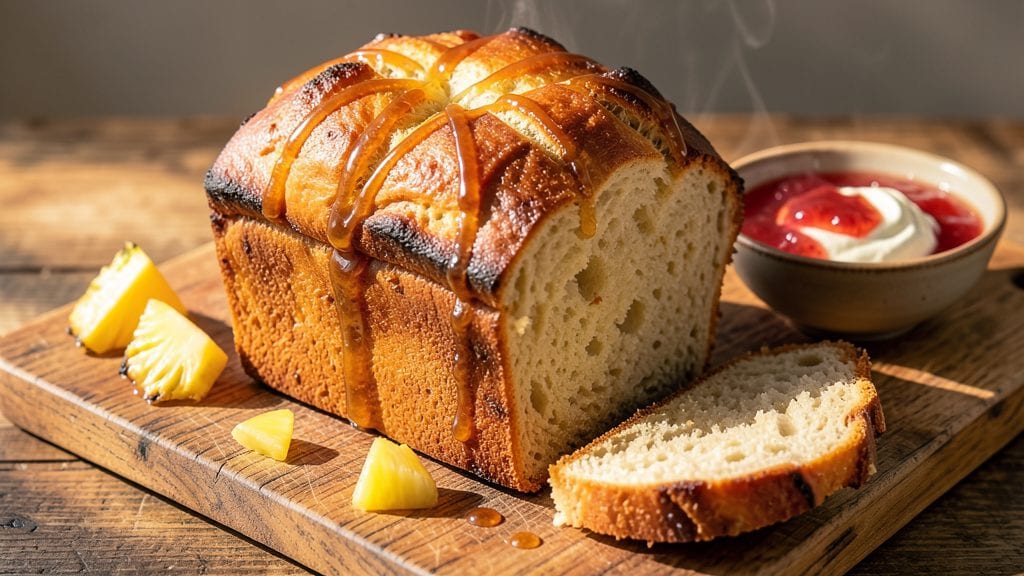
That copycat King's Hawaiian Bread recipe delivers the same soft, pillowy texture and buttery sweetness you love from the store—without the preservatives. 🌟 After years of testing, I've perfected a method that captures the signature golden crust and tender crumb structure that makes this bread so addictive.
The secret lies in precise dough handling and proofing times that create that signature "squishy" yet sturdy loaf.
This recipe uses simple ingredients you likely already have in your pantry, but the technique is what transforms them into something extraordinary. We're talking about a loaf that's soft enough to eat fresh from the oven but holds its shape perfectly when sliced.
The dough requires just 30 minutes of active prep time, followed by a 1-hour rise—well worth the wait for that restaurant-quality result.
What you'll end up with is a loaf that's impossibly soft, with a golden-brown crust that's slightly crispy at the edges. The aroma alone will have everyone gathering around your kitchen as it bakes.
Each slice maintains that signature pillowy texture while delivering that perfect balance of sweetness and buttery richness that makes King's Hawaiian so beloved.
The best part? This recipe makes two standard loaves, so you can enjoy fresh bread for days. Whether you're serving it with butter for breakfast or using it for sandwiches, this copycat version delivers the same satisfaction as the original. Let's get baking!
Ingredients for copycat king's hawaiian bread
Pantry staples plus a few specialty touches for that signature soft, sweet loaf.
| Ingredient | Amount | Notes |
|---|---|---|
| Active Dry Yeast 🍞 | 2 ¼ tsp | One packet for convenience |
| Granulated Sugar 🍚 | ¼ cup | For yeast activation |
| Unsalted Butter 🧈 | ½ cup | Cold, cubed, full-fat |
| Warm Water 💧 | 1 ¼ cups | 110°F for yeast activation |
| All-Purpose Flour 🌾 | 5 cups | Bread flour preferred |
| Milk 🥛 | ½ cup | Warm, whole milk preferred |
| Granulated Sugar 🍚 | ½ cup | For dough sweetness |
| Salt 🧂 | 1 ½ tsp | Diamond Crystal preferred |
| Eggs 🥚 | 1 whole | Large, room temperature |
| Butter 🧈 | ¼ cup | Melted, for brushing |
| Sesame Seeds 🌻 | 2 tbsp | For topping (optional) |
| Granulated Sugar 🍚 | 1 tbsp | For final brushing |
The yeast is non-negotiable here—Fresh yeast or a single packet of active dry works best. I grab mine from Whole Foods or the bulk bins at Trader Joe's for freshness. The butter matters too—full-fat, unsalted is key for that signature richness. If you're using salted butter, reduce the added salt by half. For the flour, bread flour gives a slightly chewier texture, but all-purpose works fine if that's what you've got. The milk should be warm but not hot—just warm enough to dissolve the sugar completely when mixed.
No sesame seeds? Poppy seeds or everything bagel seasoning works just as well for topping. Short on butter? Vegetable shortening can substitute, though the flavor won't be quite the same. The eggs can be replaced with 1 tbsp melted butter plus 1 tbsp milk if you're avoiding dairy, but the texture won't be identical. For the sugar, turbinado or brown sugar adds a deeper caramel note—worth trying if you like it. The dough is sticky, so don't panic if it feels too wet; it's supposed to be that way. If it's truly too sticky, add 1 tbsp more flour, but don't go overboard or the loaf will be dense.
This dough is best fresh, but you can prep it up to 24 hours ahead—just let it rise overnight in the fridge. The loaves keep well wrapped at room temperature for 3 days, or you can freeze them for up to 3 months. To reheat, wrap in foil and warm in a 350°F oven for 10 minutes. The best part? The aroma as it bakes—like a warm hug for your kitchen. Trust me, the wait is worth it for that first slice of pillowy perfection.
Why You'll Love This Recipe
- You’re using pantry basics: flour, sugar, butter, yeast. No specialty ingredients, no markup. A single batch stretches into toast, sandwiches, or even crumbs for meatballs. I’ll be real: it’s my go-to for stretching groceries without sacrificing flavor.
- No-Knead Nightmare Solved: I swear by this dough—just mix, let it rise, and bake. No standing at the counter, no sticky hands, no failed attempts. The yeast and sugar work their magic while you’re scrolling through your phone or folding laundry.
- Sweet Butter Magic: That rich, browned butter swirled into the dough? Chef’s kiss. It’s like a cross between a brioche’s tenderness and a cinnamon roll’s warmth, but without the fuss. Honestly, I’ve made it three times this week and still can’t resist a second slice.
- Breakfast to Dessert: Serve it toasted with jam for breakfast, split it open for French toast, or even use it as a base for a quick skillet dessert. Between us, my kids beg for it at 7 a.m. and again at bedtime—no complaints here.
Step-by-step instructions for king's hawaiian bread
This classic recipe delivers that iconic soft, pillowy texture and buttery sweetness—just like from the bakery.
👨🍳 Step 1: Activate the Yeast for Maximum Rise
In a small bowl, combine the 1.25 cups warm water (should feel like bathwater, 110°F) with the 2.25 tsp active dry yeast and 0.25 cup granulated sugar for yeast activation. Let it sit for 5-10 minutes until frothy with tiny bubbles breaking the surface—this confirms your yeast is alive and ready to work.
Here's the thing—if it doesn't bubble within 10 minutes, your yeast might be dead. In that case, start fresh with a new packet. I've found that using a clean bowl and warm (not hot) water makes all the difference for reliable activation.
🍳 Step 2: Mix the Dough with Wet and Dry Ingredients
In a stand mixer fitted with the dough hook attachment, combine the 5 cups all-purpose flour, 1.5 tsp salt, and 0.5 cup granulated sugar. Mix on low speed while gradually adding the yeast mixture, 0.5 cup warm milk, and 0.5 cup unsalted butter (cut into cubes).
Once combined, add the 1 whole egg and mix until the dough begins to pull away from the sides of the bowl. The dough should be soft but slightly tacky—if it's too dry, add 1 tablespoon warm water at a time until just combined. Don't overmix or you'll develop too much gluten and lose that signature soft texture.
🥘 Step 3: Knead Until Silky Smooth
Knead the dough on medium speed for 5-7 minutes until it becomes smooth and elastic, forming a windowpane when you stretch it. You'll know it's ready when it springs back slowly when poked—this indicates proper gluten development without overworking.
I like to do a quick test: pinch a small piece of dough between my fingers and gently pull. If it stretches thin enough to see light through (windowpane test), you're golden. If it tears immediately, knead for another minute. This step is crucial for that signature tender crumb.
⏰ Step 4: First Rise for Maximum Fluffiness
Lightly grease a large bowl with a bit of butter, place the dough inside, and cover with a damp kitchen towel. Let it rise in a warm place (like your oven with the light on) for 1-1.5 hours or until doubled in size. The dough should feel light and springy when pressed gently with one finger.
Don't rush this step—patience here prevents dense bread. I've found that placing the bowl on top of my turned-off oven with the light on creates the perfect warm, humid environment. If your kitchen is cold, you might need to extend this to 2 hours for optimal rise.
🔥 Step 5: Shape, Second Rise, and Bake
Punch down the risen dough and shape it into a 9x5-inch loaf pan (greased with butter). Brush the top with 0.25 cup melted butter and sprinkle with 2 tbsp sesame seeds (if using). Let it rise again for 30-45 minutes until it domes slightly above the pan.
Preheat your oven to 350°F and bake for 30-35 minutes until the top is golden brown and sounds hollow when tapped. For that signature caramelized crust, brush the top with 1 tbsp melted butter mixed with 1 tbsp granulated sugar after 20 minutes of baking.
Pro Tips For Making Copycat King'S Hawaiian Bread
- Dissolve That Sugar: Mix the granulated sugar directly into the warm water with the yeast—no waiting. I learned this the hard way after seeing clumps of sugar sink to the bottom and leave my dough underproofed. The sugar dissolves faster this way, and your yeast gets an instant energy boost.
- Butter Should Melt Slowly: Cut the unsalted butter into tiny cubes and let it soften at room temp before mixing it into the dough. Dumping cold butter straight in makes the dough fight you—it won’t incorporate evenly, and your bread turns out dense. Five minutes in a warm spot (like your oven light on) does the trick.
- Don’t Rush the First Rise: Give the dough at least 1.5 hours for the first rise—yes, even if the recipe says 1 hour. I used to cut corners here, and my loaves would either collapse or bake unevenly. A fully risen dough (doubled in size) guarantees that sweet, pillowy texture you’re after.
- Grease That Pan Well: Use a pastry brush to coat the pan with melted butter—not just a spray or a quick wipe. The extra fat prevents sticking and gives the bottom crust that signature golden-brown crispness. (Pro move: Sprinkle a pinch of sugar in the pan after buttering—it caramelizes during baking.)
Flavor customization for this dish
Sweet Variations
For an extra sweet kick, replace half the granulated sugar with brown sugar—about ¼ cup—to add a caramelized depth. I’ve found that turbinado sugar sprinkled on top before baking gives a beautiful crust with subtle crunch.
For a tropical twist, add ½ tsp vanilla extract to the dough or brush the baked loaf with vanilla glaze made from 1 tbsp melted butter, 1 tbsp powdered sugar, and ½ tsp vanilla. 🌴
Savory Twist
Skip the sugar entirely and add 1 tsp garlic powder and ½ tsp onion powder to the dough for a savory version. Brush the baked loaf with garlic-infused olive oil and sprinkle with flaky sea salt or everything bagel seasoning instead of sesame seeds.
This works surprisingly well for sandwiches or as a side with soups.
Herb Infusions
Brighten the dough with 1 tbsp fresh rosemary or thyme finely chopped, mixed into the flour. For a citrusy note, zest 1 lemon or orange into the dough and add ½ tsp citrus zest to the butter brush before baking.
I’ve also tried poppy seeds in place of sesame for a nutty flavor that pairs beautifully with honey butter.
Gluten-Free Adaptation
Replace the all-purpose flour with a 1:1 gluten-free baking blend (like King Arthur’s) and add 1 tbsp xanthan gum to improve texture. Reduce the milk to ¼ cup to avoid a gummy dough.
Proofing times may need adjustment—gluten-free dough often rises faster, so monitor closely. For extra tenderness, brush the baked loaf with melted butter mixed with 1 tbsp honey.
Dairy-Free Option
Use unsweetened almond milk or oat milk instead of dairy milk, and replace butter with vegetable shortening or coconut oil. For richness, add 1 tbsp melted coconut oil to the dough.
The texture will be slightly denser but still delightfully soft. Brush the baked loaf with melted coconut oil for a neutral flavor that complements the sweetness. 🥥
Extra Buttery Luxury
For a decadent version, increase the butter to ¾ cup (reduce milk by ¼ cup to balance). Add 1 tbsp powdered sugar to the dough for extra sweetness and brush the baked loaf with melted butter mixed with 1 tbsp honey for a sticky, golden finish.
This version is perfect for serving with jam or as a dessert bread with a dusting of powdered sugar. 🧈
Nutrition facts
Frequently asked questions
Why does this bread turn out so soft compared to other recipes?
The secret lies in the buttery richness and precise proofing times. Using ½ cup cold butter in the dough creates pockets of fat that keep the crumb tender, while the two-stage rise (1-1.5 hours first rise + 30-45 minutes second rise) develops just enough gluten for structure without toughness. The 350°F bake also helps retain moisture for that signature pillowy texture.
Can I make this bread without a stand mixer?
Mix the dough by hand in a large bowl using a wooden spoon, then knead on a floured surface for 8-10 minutes until smooth and elastic. You'll need to work it a bit longer by hand, but the windowpane test (stretching dough thin enough to see light through) will confirm when it's ready. Just be patient—hand-kneading takes more effort but achieves the same result.
What if my dough doesn't rise properly?
Check these three things first: yeast freshness (test with warm water + sugar—should bubble in 5-10 minutes), water temperature (should be 110°F, like bathwater), and environment (place dough near a warm oven with light on or in a proofing box). If it still fails, your kitchen might be too cold—try extending the rise to 2 hours or use a proofing box for consistent warmth.
How do I store leftover bread to keep it fresh?
Wrap cooled loaves tightly in plastic wrap or place in an airtight container with a slice of white bread (the starch helps absorb moisture). Store at room temperature for 3 days or freeze for up to 3 months. To reheat, wrap in foil and warm at 350°F for 10 minutes—this restores that fresh-baked aroma and texture without drying it out.
Can I make mini loaves or rolls instead of full-size?
Yes! Divide the dough into 12 equal portions (about 2 oz each) and shape into mini loaves or rolls. Bake in a 325°F oven for 15-18 minutes (mini loaves) or 12-15 minutes (rolls) until golden. For rolls, brush with melted butter and sprinkle with sesame seeds after baking. The proofing time remains the same (30-45 minutes), but monitor closely—they'll rise faster in smaller shapes.