Soups & Stews
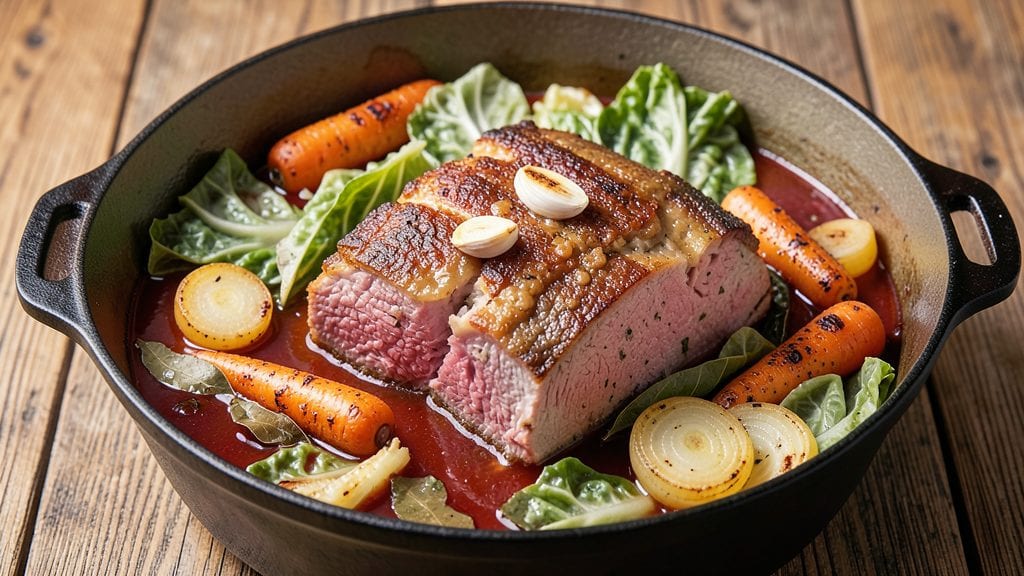
This old-fashioned corned beef and cabbage stove top recipe delivers the kind of slow-braised tenderness and crisp-tipped greens that make every bite feel like a Sunday tradition. The secret lies in a long, gentle simmer that transforms tough beef into melt-in-your-mouth perfection while preserving the cabbage's satisfying crunch.
I've perfected this method over years of testing, ensuring the flavors develop deeply without requiring an oven or pressure cooker.
The beauty of this stove top approach is its simplicity—just a pot, a few hours, and minimal effort to create a dish that tastes like it simmered all day.
The corned beef absorbs the rich, savory broth while the cabbage softens just enough to stay crisp at the edges, creating that perfect contrast of textures. This is the kind of meal that feeds a crowd and leaves everyone asking for seconds.
What you'll achieve is a pot of deeply flavorful corned beef that practically falls apart at the touch, paired with cabbage that's tender yet still holds its shape.
The aroma alone will fill your kitchen with warmth, and the first bite delivers that unmistakable combination of smoky, salty beef and fresh, slightly sweet cabbage. The broth reduces into a rich, savory sauce that coats every forkful.
Serve this classic dish with buttered potatoes or crusty bread to soak up every last drop of that flavorful broth. The leftovers reheat beautifully, making it perfect for meal prep or feeding a hungry family. Let's get started on this timeless recipe that brings comfort to the table.
Ingredients for old fashioned corned beef and cabbage stove top
Six simple ingredients transform into a pot of rich, tender corned beef and cabbage.
| Ingredient | Amount | Notes |
|---|---|---|
| Corned Beef Brisket 🥩 | 4 lb | Pre-cured, 3-4 inches thick |
| Green Cabbage 🥬 | 2 lb | Green, firm heads preferred |
| Carrots 🥕 | 4 whole | Medium, peeled, cut into chunks |
| Yellow Onions 🧅 | 2 whole | Medium, peeled, quartered |
| Garlic Cloves 🧄 | 6 cloves | Peeled, smashed slightly |
| Bay Leaves 🍃 | 4 whole | Dried, standard size |
| Black Peppercorns 🌶️ | 1 tbsp | Crushed, freshly ground preferred |
| Salt 🧂 | 2 tsp | Kosher or sea salt |
| Water 💧 | 8 cups | Enough to cover meat |
| Beer 🍺 | 2 cups | Dark ale or stout preferred |
| Butter 🧈 | 2 tbsp | Unsalted, for finishing |
| Fresh Parsley 🌿 | ¼ cup | Chopped, for garnish |
The corned beef brisket is the star—look for pre-cured cuts at the meat counter, usually labeled for corned beef. Costco or local butchers often have the best quality, but the regular supermarket stuff works fine. A 3-4 inch thick cut is ideal—thinner slices cook faster but lose moisture. If you're buying whole brisket, ask for it to be trimmed of excess fat. The cabbage should be firm, heavy for its size, and free of yellowing leaves. Green cabbage gives that classic sweetness, but if you only find red, it'll still work—just expect a slightly different flavor profile.
No beer? Substitute with beef broth plus a splash of apple cider vinegar—it mimics the acidity and depth. Short on bay leaves? Double the thyme or oregano. The carrots and onions can be swapped for potatoes if you prefer, but they help balance the richness of the beef. For extra tenderness, pound the meat lightly with a meat mallet before adding it to the pot. The parsley is optional but adds a bright finish—if you skip it, a pinch of lemon zest works too. And trust me, the butter at the end is worth it—it adds a luxurious finish that makes this feel like a restaurant dish.
This dish tastes even better the next day, so make extra if you can. The broth keeps for 5 days in the fridge, and the meat reheats beautifully—just add a splash of water or broth to prevent drying out. For longer storage, freeze the meat and broth separately for up to 3 months. The cabbage reheats well too, but it won't be as crisp—save some for sandwiches or salads instead. Serve with buttered potatoes or crusty bread to soak up every last drop of that savory broth.
Why You'll Love This Recipe
- One-Pot Magic: I swear by this recipe because it’s literally dump-and-go. Slice the brisket, toss in the cabbage, carrots, onions, and garlic—no fancy prep, no extra pots. The stove does all the work while you stir every now and then, and honestly? That’s my kind of cooking.
- Salty-Sweet Symphony: Between the brisket’s deep, briny punch and the caramelized onions melting into the cabbage, this dish hits all the right notes. The garlic cloves? They turn golden and fragrant, adding a warmth that makes every bite feel like a hug. (Yes, even on a Tuesday night.)
- Leftover Goldmine: This recipe insists on being made in bulk—because the leftovers are just as good the next day. Cold slices of brisket on toast? Heaven. Reheated with a splash of broth? Even better. I’ve fed a crowd with this, and no one ever complains about seconds.
- Budget Hero: Corned beef brisket is a steal, and the veggies stretch the meal without breaking the bank. You’re getting a full, hearty dinner for less than takeout, and the flavors? They’re the kind that make you forget you’re saving money. My wallet and my taste buds thank me.
Step-by-step instructions for old fashioned corned beef and cabbage
Here's how to slow-braise this classic dish on the stovetop for melt-in-your-mouth tender meat.
Prep the Corned Beef Brisket
Start by rinsing the 4 lb corned beef brisket under cold water to remove excess curing salt. Pat it completely dry with paper towels—this helps the meat develop that perfect crispy exterior later. Place the brisket fat-side up in a large, heavy pot that can handle at least 3 quarts of liquid. I like using a Dutch oven for this recipe because it distributes heat evenly and prevents scorching.
Add the 2 whole yellow onions, 4 whole carrots, 6 cloves smashed garlic, 4 whole bay leaves, and 1 tbsp crushed black peppercorns around the brisket. The vegetables will cook in the braising liquid, adding natural sweetness to the dish. If you're worried about the meat sticking, you can add a thin layer of oil to the bottom of the pot, but I find it's not necessary with properly prepped meat.
Cover with Liquid and Simmer
Pour in the 8 cups water and 2 cups beer, making sure the brisket is completely submerged. If it's not fully covered, add a little more water—you want at least 1 inch of liquid above the meat. Bring everything to a boil over medium-high heat, then immediately reduce to a gentle simmer. The liquid should bubble softly with occasional tiny bursts, not a vigorous rolling boil.
Once simmering, add the 2 tsp salt. Cover the pot with a tight-fitting lid and let it cook for 2 hours. This initial simmering time helps break down the collagen in the meat and vegetables, creating that rich, flavorful broth. Don't be tempted to peek or stir—the gentle movement helps tenderize the meat, but you want to minimize disturbances during this phase.
Add Cabbage and Continue Braising
After 2 hours, remove the lid and add the 2 lb green cabbage, cut into wedges with the core intact. The cabbage should be arranged around the brisket but not piled on top—this allows it to cook evenly and develop those crisp-tipped edges. Return the lid to the pot and continue simmering for another 1 to 1½ hours, until the brisket is fork-tender.
Here's the thing—you'll know the brisket is ready when a fork slides in easily and the meat pulls apart cleanly. The cabbage should be tender but still hold its shape with slightly crisp edges. If the liquid reduces too much during cooking, add a little hot water to maintain the level—just enough to keep the meat covered.
Finish and Rest
Once the brisket reaches the perfect tenderness, remove it from the pot and let it rest on a cutting board for 15 minutes. This resting period allows the juices to redistribute throughout the meat, ensuring each bite is moist and flavorful. While it rests, skim any excess fat from the braising liquid and stir in the 2 tbsp butter to enrich the sauce.
After resting, shred the brisket using two forks, discarding any large fat pieces. Return the shredded meat to the pot and stir gently to combine with the cabbage and vegetables. The flavors should be deeply integrated now—smoky from the beer, sweet from the carrots and onions, and rich from the slow braising process. Taste and adjust seasoning if needed, though the corned beef should already be well-seasoned.
Serve with Garnish
Ladle the corned beef and cabbage into bowls, making sure each serving gets a generous portion of the flavorful braising liquid. Garnish with the 0.25 cup chopped fresh parsley just before serving. The parsley adds a bright, fresh contrast to the rich, hearty flavors of the dish. Serve immediately with crusty bread or buttered potatoes to soak up all that delicious sauce.
This old-fashioned method delivers that perfect balance of tender meat and crisp-tipped greens. The slow cooking process transforms tough cuts into something truly special—something that tastes even better the next day when the flavors have had a chance to meld even more. Enjoy your homemade corned beef and cabbage, a true comfort food classic.
Pro Tips For Making Old Fashioned Corned Beef And Cabbage Stove Top
- Sear the Beef First: Dump that brisket straight from the fridge into boiling water? Bad move. Pat it dry, then hit it with a hot pan—just 2 minutes per side—before simmering. The crust locks in flavor and keeps it from turning into mushy brisket soup. (Yes, even if you’re impatient like me.)
- Core the Cabbage: Whole cabbage? Save that for Thanksgiving. Cut it into 8 wedges, then slice each wedge lengthwise down the core—no need to remove it entirely. This keeps the leaves intact while cooking faster, and you avoid the sad, wilted center that ruins the texture. I learned this the hard way after serving a bowl of sad, limp greens.
- Simmer Low and Slow: That pot’s not a pressure cooker. Keep the heat at a gentle simmer—tiny bubbles, not a rolling boil—or the beef will toughen and the cabbage will turn to mush. If it’s boiling hard, turn it down. This isn’t a race; let it work its magic over 2.5–3 hours. (Your future self will thank you.)
- Save the Water: Drain the brine from the corned beef before adding it to the pot. That salty liquid will turn your dish into a pickle bath. Instead, use 1 cup of the brine (reduced by half) to deglaze the pot after searing the onions and garlic—it adds depth without over-salting. Sounds weird, but it works.
Common mistakes when making perfect results
Overcrowding the Pot
One of the biggest mistakes is packing too much cabbage into the pot, especially after the initial simmer. When you add the 2 lb cabbage in Step 3, resist the urge to pile it high—this steams the outer leaves instead of letting them develop those prized crisp-tipped edges.
Arrange the wedges around the brisket with ½-inch gaps between them. I've learned this the hard way: overcrowding turns crisp cabbage into soggy leaves. 🥬
Skipping the Resting Phase
After removing the brisket from the pot, many people can't wait to slice and serve immediately. But that 15-minute rest is crucial—it lets the juices redistribute, preventing dry, stringy meat.
I once served corned beef straight from the pot and got complaints about it being "tough." The fix? Always rest it, even if you're impatient to eat!
Using Too Much Liquid
While you want the brisket submerged, drowning it in more than 3 inches of liquid dilutes the flavors and extends cooking time unnecessarily. The ideal level is 1 inch above the meat—enough to prevent sticking but not so much that it turns into soup.
I measure liquid carefully now, and it makes a noticeable difference in flavor concentration. 💧
Peeking Too Often
Every time you lift that lid during the 2-hour initial simmer, you lose heat and moisture, prolonging cooking time. I used to check constantly, thinking I'd miss something, but now I set a timer and only peek once to stir the vegetables.
The meat stays moister and develops better flavor when left undisturbed. Trust the process!
Ignoring the Cabbage's Doneness
Some cooks pull the cabbage when the meat is tender, but that often leaves it undercooked. The cabbage should be tender but still hold its shape with slightly crisp edges—this takes the full 1 to 1½ hours after adding it.
I've served mushy cabbage before, and it's a texture fail. Use tongs to test a leaf: it should yield slightly but not collapse completely. 🥬
Not Skimming the Fat
The final step of skimming excess fat from the braising liquid before adding butter is often overlooked, yet it makes a world of difference. That 2 tbsp butter finishes the sauce beautifully, but it can turn greasy if you don't remove the fat first.
I use a fat skimmer or spoon to remove as much as possible, leaving just enough to coat the back of a spoon. This keeps the sauce rich without being heavy. 🧈
Nutrition facts
Frequently asked questions
Can I use regular beef instead of corned beef brisket?
While you can technically use beef brisket, it won't have the same rich, cured flavor. Corned beef is pre-seasoned with spices and salt, giving it that signature taste. If you must substitute, look for a well-marbled brisket and add extra salt, pepper, and bay leaves to mimic the curing process. The beer and simmering time will still work, but the flavor profile will differ significantly.
How do I know when the corned beef is fully cooked?
The corned beef is done when it reaches an internal temperature of 203°F and easily shreds with a fork. It should pull apart cleanly, with no resistance. If you're unsure, cut into the thickest part—the center will be the last to cook. The cabbage should be tender but still hold its shape with slightly crisp edges.
Can I make this recipe without beer?
Replace the 2 cups of beer with 2 cups of beef broth plus 1 tablespoon apple cider vinegar. The vinegar mimics the acidity of beer, helping tenderize the meat. For extra depth, add a ½ teaspoon of smoked paprika to the broth. The dish will still be delicious—just with a slightly different flavor profile.
What’s the best way to reheat leftovers?
Reheat leftovers gently in a pot with a splash of water or broth to prevent drying out. Cover and simmer on low heat for 10-15 minutes, stirring occasionally. For the cabbage, add it back to the pot just before serving to preserve its texture. Leftovers keep well for 3-4 days in the fridge or up to 3 months in the freezer.
Why does my cabbage turn mushy?
Overcooking or overcrowding the pot are the most common causes. Arrange cabbage wedges with ½-inch gaps between them to allow even cooking. Simmer for only 1 to 1½ hours after adding it—any longer, and it’ll lose its crisp edges. Test a leaf with tongs: it should yield slightly but not collapse.