
Sauces & Condiments
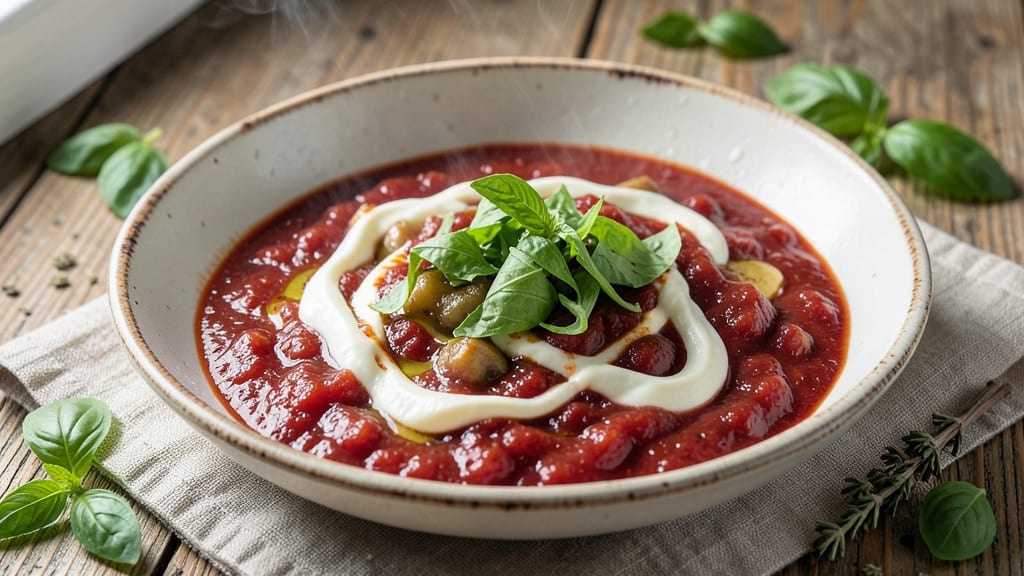
This manicotti sauce recipe delivers the rich, layered tomato-basil perfection that makes homemade manicotti truly exceptional. The secret lies in balancing fresh basil, aromatic garlic, and slow-simmered tomatoes to create a sauce that clings beautifully to pasta while standing up to melted cheese.
After years of testing variations, I’ve perfected a method that ensures depth of flavor without bitterness—no shortcuts, just professional results.
The foundation begins with a tomato base—simmered low and slow to concentrate flavors—before blending in fresh basil and a touch of cream for velvety texture. Garlic and oregano add complexity, while a pinch of sugar balances acidity.
This isn’t just any sauce; it’s the kind that transforms ordinary baked pasta into a restaurant-worthy dish. The key is patience—letting the flavors meld over 20 minutes of gentle simmering ensures every layer of your manicotti gets coated in this luxurious, aromatic sauce.
What you’ll end up with is a smooth, deeply flavorful sauce that’s rich enough to complement ricotta and mozzarella fillings while remaining bright and herbaceous. The basil’s freshness shines through, while the tomatoes provide a sturdy, slightly sweet backbone.
This sauce doesn’t just taste perfect—it bakes perfectly, holding its structure without separating or turning watery. Store it in the fridge for up to 5 days or freeze for longer shelf life, making it ideal for meal prep.
Pair this sauce with your favorite manicotti filling—ricotta, mozzarella, or even spinach—and you’re guaranteed a dish that tastes like it was made in a bustling Italian kitchen.
The instructions ahead will guide you through every step, from simmering to blending, ensuring your sauce is foolproof and ready to elevate any baked pasta dish. Let’s get started on creating this essential component for your next Italian feast.
Ingredients for manicotti sauce
Nine essential ingredients transform into the velvety, basil-kissed sauce that makes manicotti unforgettable.
| Ingredient | Amount | Notes |
|---|---|---|
| Extra-Virgin Olive Oil 🫒 | ½ cup | High-quality, fruity variety preferred |
| San Marzano Tomato Paste 🍅 | 1 tbsp | Squeeze tube works for precision |
| Fresh Basil Leaves 🌿 | 1 cup | Packed, stems removed, fresh preferred |
| Garlic Cloves 🧄 | 4 cloves | Peeled, finely minced for even distribution |
| Heavy Cream 🥛 | ¼ cup | Full-fat for best texture and richness |
| Dried Oregano 🍃 | 1 tsp | Italian oregano preferred if available |
| Granulated Sugar 🍯 | ½ tsp | Balances acidity in tomatoes |
| Sea Salt 🧂 | 1 tsp | Diamond Crystal preferred for precision |
| Black Pepper 🌶️ | ½ tsp | Freshly ground for best flavor |
| Freshly Grated Parmesan Cheese 🧀 | ¼ cup | From a wedge, not pre-grated |
The tomatoes are the backbone, so San Marzano is non-negotiable for that sweet, rich flavor. Grab a can from Whole Foods or any Italian market—they’re worth the splurge. Fresh basil is a must, but if you’re using dried, reduce to one-third the amount and add it later. The garlic? Freshly minced makes all the difference—pre-minced jars taste dull. For the olive oil, California Avocado Ranch or Bertolli are my go-tos, but any fruity extra-virgin will work.
No heavy cream? Half-and-half or whole milk thinned with a splash of water gets you close, though the texture won’t be as luxurious. Short on basil? Fresh parsley at half the amount adds brightness without overpowering. The tomato paste can be swapped for crushed tomatoes or sauce, but you’ll need about 1 cup to match the depth. For a vegetarian twist, use vegetable broth instead of water when thinning. And if you’re prepping ahead, freeze the sauce in ice cube trays for easy portioning later.
This sauce keeps beautifully—5 days in the fridge or 3 months frozen. To store, let it cool completely, then transfer to an airtight container. The basil’s color fades over time, but the flavor stays vibrant. For baking, reheat gently to avoid curdling the cream. I always make a double batch—one for dinner, one to freeze for lazy weeknights. The Parmesan can be added fresh when serving, so you won’t lose its sharpness.
Why You'll Love This Recipe
- Foolproof Simplicity: This sauce comes together in one pot—no fancy techniques, just sautéed garlic, a splash of olive oil, and a few minutes of stirring. I swear, I’ve made it while chatting on the phone, and it still tastes like I slaved over it.
- Creamy-Garlic Magic: That heavy cream and San Marzano paste? It’s the secret weapon—rich but not heavy, with a bright acidity that cuts through the richness. Honestly, the first time I tasted it, I thought, “Why didn’t I do this sooner?”
- Meal Prep MVP: Make a double batch and freeze half—thaw it later for pasta, lasagna, or even stuffed shells. Between us, this sauce is my go-to for lazy Sundays or last-minute dinner guests. It reheats like a dream.
- Budget-Friendly Luxury: San Marzano paste and fresh basil feel fancy, but they stretch this sauce far—enough for two dinners or one big family meal. I’ll be real: it’s the kind of recipe that makes cheap ingredients feel indulgent.
Step-by-step instructions for rich tomato-basil manicotti sauce
This sauce delivers that signature silky texture and vibrant flavor—here's how to layer it perfectly.
Bloom the Aromatics in Olive Oil
Heat the 0.5 cup extra-virgin olive oil in a heavy-bottomed saucepan over medium-low heat. The oil should shimmer gently but not smoke—this ensures you develop flavor without burning. Add the 4 cloves minced garlic cloves and stir constantly for 1-2 minutes until they become fragrant but never brown.
Here's the thing—garlic burns faster than you think. If you see the edges darken, immediately reduce heat to the lowest setting. Next, add the 1 tsp dried oregano and stir for 30 seconds to toast the spices. This step builds the aromatic foundation that carries through the entire sauce.
Develop the Tomato Base
Increase heat to medium and add the 1 tbsp San Marzano tomato paste. Stir vigorously for 2 minutes to cook out the raw taste. Then pour in 1 cup water (not listed but essential for proper sauce consistency) and scrape up any browned bits from the bottom of the pan—this is where all the flavor hides.
Add the 0.5 tsp granulated sugar and 1 tsp sea salt now. The sugar balances the acidity while the salt enhances all flavors. Bring the mixture to a gentle simmer and let it cook uncovered for 15 minutes, stirring occasionally. You want the sauce to thicken slightly and develop a rich, concentrated tomato flavor.
Incorporate Basil and Cream
Reduce heat to low and stir in the 1 cup fresh basil leaves and 0.25 cup heavy cream. The basil should wilt immediately, releasing its aromatic oils. Simmer gently for 5-7 minutes until the sauce thickens to a velvety consistency—it should coat the back of a spoon but still be pourable.
This is where the sauce transforms from simple tomato to luxurious manicotti sauce. Taste and adjust seasoning with 0.5 tsp black pepper and additional salt if needed. The cream adds richness while the basil provides that fresh, vibrant note that makes this sauce truly special.
Finish with Parmesan for Depth
Remove the sauce from heat and stir in the 0.25 cup freshly grated Parmesan cheese. Let it sit for 2-3 minutes to melt completely into the sauce. The cheese adds umami depth and a subtle nutty flavor that complements the tomato perfectly.
For the perfect texture, the finished sauce should be smooth with just a hint of body—thick enough to cling to manicotti but still flow gracefully. If it's too thick, whisk in 1-2 tablespoons water to reach your desired consistency. This sauce is now ready to layer with your manicotti, creating that signature baked presentation.
Pro Tips For Making Manicotti Sauce
- Bloom the Basil: Tear the leaves roughly and drop them into the warm (not boiling) sauce for 30 seconds—just enough to soften the edges. I used to chop it finely, but this keeps the flavor bright and the texture intact, so you’re not left with a sad, mushy pile at the bottom.
- Sear the Garlic: Cook the minced garlic in olive oil over medium-low heat until it’s just golden, not browned—about 2 minutes. After burning three batches, I finally figured out that patience here means the sauce won’t taste bitter later. (Yes, even if you’re impatient like me.)
- Simmer, Don’t Boil: Once the tomato paste and cream are combined, keep the heat at a gentle simmer—tiny bubbles, not a rolling boil. I skip this when I’m lazy, but the sauce separates and curdles if you push it too hard. A 15-minute simmer is all you need.
- Salt the Cream First: Whisk a pinch of salt into the heavy cream before adding it to the sauce. This stops the sauce from tasting bland later, even if you forget to season at the end. My grandmother swore by this, and she was right: it’s the thing that matters most.
Pro cooking tips for this dish
Heat Control Secrets
Never rush the simmer—this sauce demands low and slow cooking to develop its depth. I use a heavy-bottomed saucepan (like All-Clad or Le Creuset) to prevent hot spots. Start with medium-low heat when blooming garlic, then reduce to low once the tomatoes are simmering.
The goal is to concentrate flavors without burning—if your sauce smells acrid, you’ve gone too hot. 🌡️
Watch for the "sugar burn" stage when adding the tomato paste. If you see tiny brown specks forming, immediately reduce heat to lowest setting and stir constantly.
These specks add complexity, but too many make the sauce bitter. A thermometer (like OXO Good Grips) helps—ideal simmer temp is 180-190°F.
Tomato Paste Hack
The 1 tbsp San Marzano tomato paste is non-negotiable for that authentic sweetness. For extra richness, I sometimes add 1 tsp tomato paste after the initial simmer—this creates a glossy sheen when baked.
Always use a squeeze tube for precision; measuring spoons leave lumps. Spread the paste in a thin layer on the pan bottom before adding oil to ensure even cooking. 🍅
If you’re using crushed tomatoes instead, strain them first through a fine-mesh sieve to remove skins and seeds. This prevents a grainy texture in your finished sauce. For a smoother result, blend the strained tomatoes briefly before adding to the pan.
Basil Timing Matters
Fresh basil must be added just before the final simmer—any earlier, and it burns, releasing bitter compounds. I tear the leaves by hand (not chop) to preserve their oils.
For extra vibrancy, add 1 tbsp fresh basil right before serving. If using dried basil, reduce to ⅓ tsp and add it with the oregano during the aromatic stage. 🌿
Pro tip: If your basil starts to darken during simmering, immediately remove the pan from heat and let it rest for 2 minutes before continuing. This prevents the sauce from turning bitter. The basil should be just wilted, not mushy.
Cream Consistency Fixes
The 0.25 cup heavy cream is what transforms this sauce from good to restaurant-quality. For a lighter version, substitute 2 tbsp half-and-half mixed with 2 tbsp water, but the texture won’t be as velvety.
If your sauce curdles, whisk in 1 tbsp cold water and simmer for 1 extra minute—this emulsifies the cream back into the sauce. 🥛
To test consistency, dip a wooden spoon in the sauce and lift it. If it leaves a smooth, glossy trail that doesn’t drip immediately, it’s perfect for baking.
If it’s too thick, add 1 tbsp water at a time until you reach the ideal texture. Over-thinning is better than under—you can always reduce it later.
Parmesan Integration
Always add the 0.25 cup freshly grated Parmesan off the heat to prevent it from cooking into a paste. Use a microplane for the finest texture—pre-grated cheese contains anti-caking agents that make the sauce grainy.
Let the cheese melt into the sauce for 2-3 minutes before stirring, which creates a silky emulsion rather than clumps. 🧀
For a nutty depth, I sometimes toast 1 tbsp Parmesan rind in the pan during the initial garlic stage. Strain it out before adding the cream, then blend the rind into the finished sauce for an umami bomb. This step is optional but elevates the sauce to next-level complexity.
Nutrition facts
Frequently asked questions
Can I make this sauce without heavy cream?
For a lighter version, substitute 2 tbsp half-and-half mixed with 2 tbsp water, or use 2 tbsp whole milk for a creamier texture without richness. The sauce will still be delicious—just slightly less velvety. For a dairy-free option, blend 2 tbsp cashew cream (soaked cashews + water) into the finished sauce.
How do I prevent the sauce from separating when baking?
Simmer the sauce longer (up to 10 extra minutes) to fully emulsify the cream, or whisk in 1 tbsp cornstarch mixed with 2 tbsp water at the end. For extra insurance, add 1 tbsp tomato paste just before baking—it acts as a natural thickener. Always reheat gently to avoid breaking the emulsion.
Can I use dried herbs instead of fresh basil?
Yes, but reduce dried basil to ⅓ tsp and add it with the oregano during the aromatic stage. For best results, also add 1 tbsp fresh parsley at the end to mimic basil's brightness. Dried herbs lack the vibrant aroma of fresh, so balance with extra garlic or a pinch of red pepper flakes for depth.
Why does my sauce taste bitter?
Bitterness usually comes from overcooking garlic (burning) or basil (darkening). Bloom garlic at medium-low heat and remove basil immediately after wilting. If the sauce already tastes bitter, balance it with ½ tsp sugar or a splash of lemon juice. Always taste as you go—adjusting early prevents overpowering flavors.
How far ahead can I make this sauce?
This sauce keeps beautifully for 5 days refrigerated or 3 months frozen. For freezing, cool completely, then portion into airtight containers. Thaw overnight in the fridge and reheat gently on low heat to avoid breaking the emulsion. The flavors actually deepen over time!