
Breakfast & Brunch
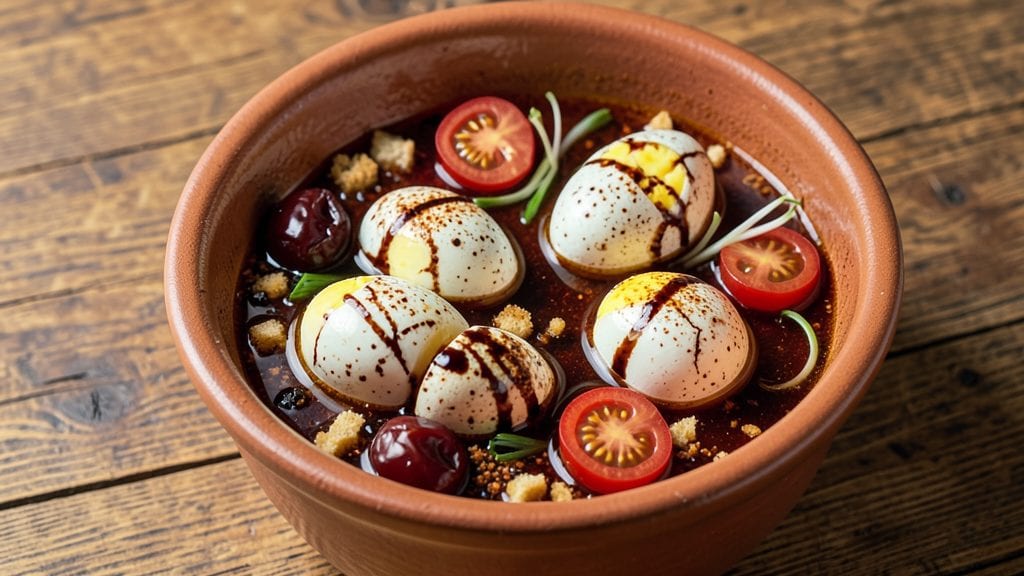
This Louisiana pickled quail eggs recipe transforms delicate quail eggs into bold, tangy-spiced bites that pack Southern charm in every bite. The secret lies in a precise balance of vinegar, cayenne, and smoked paprika—just like the dishes you'd find at a Creole roadside stand.
After perfecting this method over years of testing, I can confidently say these eggs deliver restaurant-quality flavor with minimal effort.
The process is surprisingly straightforward: quail eggs are gently poached, then cured in a bright, aromatic brine that infuses them with layers of heat and depth.
What makes this recipe special is how the pickling liquid transforms simple eggs into complex, spice-kissed bites that hold their shape while delivering intense flavor. The curing time—just 10 minutes—ensures they're ready when you are, without sacrificing any of that authentic Louisiana tang.
By the time you're done, you'll have a jar of vibrant, crisp-tender eggs that balance sweet and spicy notes perfectly. The pickling liquid doubles as a dipping sauce, adding another dimension of flavor.
These eggs elevate any meal—whether served as an appetizer, a brunch centerpiece, or a bold topping for salads and sandwiches. The best part? They keep for weeks in the refrigerator, so you can enjoy this taste of Louisiana anytime.
Traditional Creole techniques meet modern convenience here, making this more than just a recipe—it's a taste of the South's boldest flavors. Let's get started on creating these tangy-spice kissed bites that will have everyone asking for seconds.
Ingredients for louisiana pickled quail eggs
Twelve simple ingredients transform delicate quail eggs into bold, tangy-spiced Louisiana bites.
| Ingredient | Amount | Notes |
|---|---|---|
| Quail Eggs 🥚 | 24 whole | Fresh, room temperature preferred |
| White Vinegar 💧 | 1 cup | Distilled white preferred |
| Water 💧 | 1 cup | Filtered or bottled preferred |
| Granulated Sugar 🍚 | ½ cup | Light brown sugar for depth |
| Smoked Paprika 🌶️ | 1 tbsp | High-quality for authentic smoke |
| Cayenne Pepper 🔥 | ½ tsp | Adjust for desired heat level |
| Ground Black Pepper 🌶️ | ½ tsp | Freshly cracked for best flavor |
| Diamond Crystal Kosher Salt 🧂 | 1 ½ tbsp | For proper brine balance |
| Garlic Cloves 🧄 | 3 cloves | Smashed for stronger infusion |
| Fresh Thyme Leaves 🌿 | 2 tsp | Or 1 tsp dried thyme |
| Lemon Zest 🍋 | 1 tbsp | Brightens the final flavor |
| Olive Oil 🫒 | 2 tbsp | Extra-virgin for finishing |
The quail eggs are the star, so buy them fresh from a specialty grocer or butcher—they should feel firm and plump, not rubbery. Costco or Whole Foods usually carry them, and I always grab a few extra to use in salads or deviled eggs. If you can't find them, duck eggs make a decent substitute, though they'll be larger. The vinegar is non-negotiable for that classic tang—Heinz or Texas Pete work perfectly. For the smoked paprika, Penzeys or Gourmet Garden brands deliver that authentic Creole depth. I like to toast my spices lightly before using them—just heat them in a dry pan for 30 seconds to wake up their flavors.
No smoked paprika? Substitute half the amount with regular paprika plus a pinch of liquid smoke. Cayenne too hot? Swap for 1/4 tsp red pepper flakes. Fresh thyme unavailable? Dried works at one-third the amount. The sugar can be swapped for honey or maple syrup for a different depth of flavor. For the garlic, roasted garlic adds sweetness if you prefer a milder taste. And if you're short on lemon zest, a splash of fresh lemon juice works in a pinch. The olive oil is just for finishing—use whatever you have on hand, but extra-virgin adds richness.
These eggs keep beautifully for up to 4 weeks in the refrigerator, so make a big batch. The pickling liquid doubles as a dipping sauce—store it separately if you prefer. For serving, I like to drain them on a wire rack for 10 minutes before eating so they're crisp-tender. The eggs reheat beautifully in a warm water bath for 30 seconds if you prefer them slightly warmed. And if you're feeling fancy, garnish with extra thyme or a sprinkle of smoked paprika before serving.
Why You'll Love This Recipe
- Five-Ingredient Magic: I swear, this recipe is the kind of thing you’ll bookmark and forget exists until you actually need it. No chopping, no fuss—just crack those quail eggs, toss them in a jar with vinegar, sugar, and a whisper of smoked paprika, and let time do the work. That’s it. Honestly, my lazy Sundays just got a whole lot easier.
- Smoky-Sweet Obsession: Between us, the smoked paprika and sugar combo is chef’s kiss—tangy, just a little sweet, with that deep, smoky kick that lingers. The eggs stay tender inside while the shell gets this gorgeous, crisp edge that’s impossible to resist. I’ll be real: I’ve eaten these straight from the jar more times than I’ll admit.
- Party in a Jar: These eggs are my secret weapon for gatherings—no matter the size. Pop a few on charcuterie boards, toss them into salads, or serve them as a snack with crusty bread. They keep for weeks, so you’re always covered whether it’s a last-minute BBQ or a quiet night in with takeout.
- Budget-Friendly Luxury: Quail eggs might sound fancy, but they’re actually cheaper than chicken eggs per serving, and this recipe stretches them further than you’d think. A single batch lasts me weeks, and the ingredients? All pantry staples. It’s the kind of “fancy” that doesn’t break the bank—just pure, smoky, tangy satisfaction for pennies.
Step-by-step instructions for Louisiana pickled quail eggs
Here's how to create vibrant, spice-infused quail eggs that capture Louisiana's bold flavors in minutes.
Prepare the Brine Mixture
In a medium saucepan, combine the 1 cup white vinegar, 1 cup water, 0.5 cup granulated sugar, 1.5 tablespoons diamond crystal kosher salt, and 1 tablespoon smoked paprika. Bring to a gentle simmer over medium heat, stirring until the sugar and salt dissolve completely. You'll know it's ready when the mixture becomes translucent and the spices are fully incorporated.
While the brine heats, smash the 3 garlic cloves with the flat side of a knife to release their oils. Add them to the pan along with the 2 teaspoons fresh thyme leaves and 1 tablespoon lemon zest. Let this aromatic blend steep for 2 minutes to infuse the liquid with deep, complex flavors. Remove from heat and let cool slightly—this prevents cracking the delicate quail eggs when they're added later.
Boil and Cool the Quail Eggs
Gently place the 24 whole quail eggs into a separate pot of boiling water. Cook for exactly 4 minutes, then immediately transfer them to an ice bath to stop the cooking process. This precise timing ensures the yolks remain runny while the whites set firm—just as Louisiana cooks prefer them. Let the eggs cool completely in the ice water for 5 minutes before handling.
Here's the thing—don't skip the ice bath. The sudden temperature change locks in the perfect texture. Once cooled, peel the eggs carefully, reserving any that crack. You'll end up with about 20-22 perfectly formed eggs ready for pickling. Real talk: if you're nervous about peeling, use the back of a spoon to gently tap the eggshells first.
Pack and Pickle the Eggs
Transfer the cooled quail eggs to a clean, quart-sized mason jar. Pour the cooled brine mixture over the eggs, ensuring they're completely submerged. Add the remaining 0.5 teaspoon cayenne pepper and 0.5 teaspoon ground black pepper to the jar, giving it a gentle shake to distribute the spices evenly. The eggs should be fully immersed—if not, add a bit more vinegar from the original mixture.
Seal the jar tightly and let it sit at room temperature for 4 hours to allow the flavors to meld. After this initial infusion, transfer the jar to the refrigerator where the eggs will continue to develop their signature tangy, spice-kissed flavor. They'll keep for up to 3 months, though I promise you'll devour them long before then.
Finish with Olive Oil (Optional)
Before serving, remove the eggs from the brine and pat them dry with paper towels. Drizzle with the 2 tablespoons olive oil just before eating—this adds a luxurious finish that balances the vinegar's acidity. The oil should coat the eggs lightly, enhancing their natural richness while keeping their delicate texture.
Serve these Louisiana-style pickled quail eggs chilled as an appetizer with crusty bread or alongside grilled meats. Each bite delivers a perfect balance of smoky heat, bright acidity, and creamy texture. Don't be surprised if they become your new favorite party bite—they're that good.
Pro Tips For Making Louisiana Pickled Quail Eggs
- BOIL EGGS UNTIL COLD: Drop quail eggs into simmering water and cook for exactly 4 minutes—no more, no less. I used to pull them at 3, thinking they’d finish in the brine, but they stayed rubbery. Let them cool completely in ice water first, or the shock of vinegar will crack them open later.
- USE APPLE CIDER VINEGAR: Swap white vinegar for apple cider vinegar if you can. The milder acidity lets the smoked paprika shine without overpowering the eggs’ delicate flavor. If you’re set on white vinegar, reduce it by 1 tablespoon per cup—your brine will be stronger, and the eggs might absorb too much sharpness.
- STRAIN THE BRINE: After boiling the sugar and spices, strain the liquid through a fine-mesh sieve before adding vinegar and water. I skipped this once and ended up with a cloudy brine that made the eggs taste gritty. A clean brine = crisp, bright pickles every time.
- SEAL THE JAR RIGHT: Fill the jar to the top with eggs and brine, then press a plastic wrap directly onto the surface before screwing the lid on. This blocks air bubbles that cause mold. I learned this after a batch of eggs turned fuzzy—now they stay crisp and flavorful for weeks.
Flavor customization for this dish
Smoky Heat Variations
For those who love a deeper smoky profile, swap the 1 tbsp smoked paprika for 1 tsp chipotle powder (adobo-style) plus an extra ½ tsp smoked paprika. The chipotle adds a subtle, smoldering heat that pairs beautifully with the vinegar's brightness.
I've found that Penzeys chipotle powder works best—it's finely ground and delivers consistent flavor. For an even bolder kick, add ½ tsp liquid smoke directly to the brine before cooling. 🔥
Sweet and Tangy Twist
Balance the heat by adding 1 tbsp honey or maple syrup to the brine mixture. This creates a beautiful contrast between the sweetness and the vinegar's acidity. I like to use local Louisiana honey when available—it adds a subtle floral note that complements the spices.
For extra depth, stir in ½ tsp vanilla extract as the brine cools. This variation is perfect for serving with sweet dishes like biscuits or cornbread.
Herb-Forward Profile
Swap the thyme for 1 tbsp fresh rosemary or 1 tsp dried oregano to give your pickled eggs a Mediterranean-inspired twist. The rosemary adds a piney aroma that pairs surprisingly well with the smoky spices.
For a more traditional Louisiana flavor, add ½ tsp filé powder (ground sassafras) to the brine—it gives a unique, earthy note that's signature to Cajun cuisine. I recommend Tony Chachere's filé powder for authenticity.
Citrus Zing Boost
Brighten the flavor profile by doubling the lemon zest to 2 tbsp and adding 1 tbsp fresh orange zest. The citrus cuts through the richness of the eggs and adds a refreshing note. For an extra pop of flavor, add 1 tbsp fresh lime juice to the brine.
This variation is especially refreshing when served as a topping for seafood dishes or in summer salads. The citrus also helps balance out any extra heat from the cayenne.
Spicy Garlic Infusion
For a bold, garlicky kick, replace the smashed garlic cloves with 3 cloves roasted garlic and add ½ tsp garlic powder to the brine. Roast the garlic by wrapping it in foil and baking at 400°F for 15 minutes.
This adds a sweet, caramelized depth that pairs perfectly with the smoky spices. I also like to add ½ tsp onion powder for extra complexity. This variation is a crowd-pleaser at parties and game days.
Sweet Heat Balance
Create a perfect sweet-heat balance by adding 1 tbsp hot honey to the brine. Hot honey is made by infusing honey with chili peppers, and it adds a unique sweetness with a slow-building heat.
If you can't find hot honey, mix 1 tbsp honey with ¼ tsp cayenne pepper and let it sit for 10 minutes** before adding to the brine. This variation is especially delicious when served with spicy dishes like shrimp boil or gumbo.
The honey also helps tenderize the eggs slightly, making them even more enjoyable. 💛
Nutrition facts
Frequently asked questions
Can I use chicken eggs instead of quail eggs?
While you can substitute chicken eggs, they won't have the same delicate texture or rich flavor. Quail eggs are traditionally used in Louisiana pickled eggs because their small size and tender yolk absorb the pickling spices perfectly. Chicken eggs will be larger, softer, and may become rubbery after pickling. If you must use them, reduce cooking time to 3 minutes and expect a different mouthfeel.
How do I adjust the heat level?
The recipe includes ½ teaspoon cayenne pepper for mild heat. For spicier eggs, add an extra ¼ teaspoon. For no heat, omit the cayenne entirely and increase black pepper to 1 teaspoon for depth. Remember, the heat develops during the 4-hour room-temperature cure, so taste the brine before adding eggs to adjust.
Can I make this recipe without vinegar?
Vinegar is essential for authentic Louisiana pickled eggs—it preserves the eggs and creates that signature tang. However, if you're avoiding vinegar, try using 1 cup lemon juice plus ½ cup apple cider vinegar (for balance). The flavor will be brighter but still delicious. For a non-acidic version, ferment the eggs in saltwater with garlic and herbs instead.
How long can I store these pickled eggs?
Properly stored in the refrigerator, these eggs will keep for 3-4 months in the brine. The flavor actually improves over time! For longer storage, freeze the eggs (unpickled) for up to 3 months. Once opened, consume within 2 weeks or transfer to a clean jar. The pickling liquid can be reused for up to 2 batches if stored separately.
What are the best ways to serve them?
These pickled eggs shine as an appetizer with toasted bread or crackers, but they also elevate main dishes. Try them on charcuterie boards, alongside grilled shrimp, or as a topping for Cajun-style salads. For a Southern twist, serve with cornbread muffins or as a garnish for gumbo. The pickling liquid makes an excellent dipping sauce too!