Sauces & Condiments
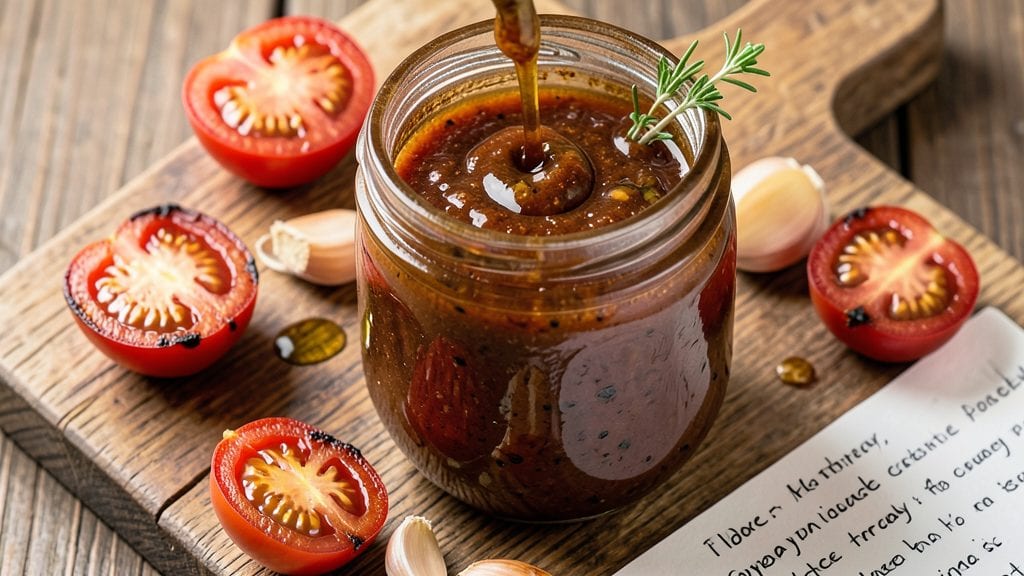
This copycat Pace Picante sauce recipe for canning lets you bottle that iconic smoky, roasted tomato flavor for months of effortless cooking. The secret lies in slow-roasting tomatoes until caramelized, then blending them with vinegar, spices, and a touch of molasses for that signature tang.
I’ve perfected this version through careful testing to ensure it mimics the original texture and balance, just with home-canned precision.
What sets this recipe apart is the canning process, which transforms fresh sauce into a shelf-stable treasure. Whether you use a water bath for pints or pressure canning for quarts, the sterilization methods guarantee safety while locking in that rich, complex flavor.
The result? A pantry staple that elevates everything from tacos to grilled meats, just like the original—but with the satisfaction of homemade.
By the time you’re done, you’ll have jars of vibrant, smoky sauce ready to transform your meals. The slow roasting caramelizes the tomatoes, while the vinegar and spices create that signature tangy kick.
This isn’t just a copycat—it’s a professional-grade sauce that keeps like the store-bought version but tastes fresher, deeper, and far more rewarding.
Perfect for stocking your pantry, gifting, or meal prepping—this sauce stays fresh for up to a year when canned properly. Let’s get started on your first batch, and you’ll never buy Pace Picante again.
Ingredients for copycat pace picante sauce recipe for canning
Eleven ingredients. One slow-roasted transformation. Pantry staples that become iconic sauce.
| Ingredient | Amount | Notes |
|---|---|---|
| Roma Tomatoes 🍅 | 6 lb | Ripe, unblemished, halved lengthwise |
| White Vinegar 💧 | 1 ½ cups | Distilled white vinegar preferred |
| Granulated Sugar 🍚 | 1 cup | White granulated, not powdered |
| Molasses 🍯 | ½ cup | Unsulphured for authentic flavor |
| Garlic Cloves 🧄 | 6 cloves | Fresh, peeled, slightly crushed |
| Onion 🧅 | 1 whole | Yellow or white, chopped |
| Ground Cumin 🌿 | 1 ½ tbsp | Toasted for deeper aroma |
| Ground Black Pepper 🌶️ | 1 tsp | Freshly ground preferred |
| Salt 🧂 | 1 ½ tsp | Diamond Crystal kosher salt |
| Cayenne Pepper 🔥 | ½ tsp | Adjust for heat preference |
| Extra-Virgin Olive Oil 🫒 | 1 tbsp | For roasting tomatoes |
The tomatoes are non-negotiable—Roma tomatoes are your best bet for their meaty texture and low water content. I always grab the heirloom variety from Whole Foods when in season, but regular grocery store Romas work just fine. Look for tomatoes that are firm but yield slightly to pressure—they should smell sweet and earthy, not sour or fermented. If you can't find Romas, San Marzano canned tomatoes in a pinch, but fresh roasted gives that unmatched caramelized depth. The roasting process is where the magic happens—don't skip it. Spread those halved tomatoes on a baking sheet, drizzle with olive oil, and roast at 400°F until deeply caramelized.
No molasses? Substitute with an extra 1/4 cup of vinegar plus 1 tsp of smoked paprika—it won't be identical, but closer than skipping it. Fresh garlic and onion are ideal, but dried minced garlic and onion powder at half the amount work in a bind. For the vinegar, apple cider vinegar adds subtle sweetness, though white vinegar stays truer to the original. The spices are where you can play—add a pinch of cinnamon or cloves for warmth, or swap cayenne for red pepper flakes if you prefer a smoother heat. And trust me on the sugar—it balances the acidity perfectly, so don't omit it.
This sauce is designed to last—up to a year when canned properly. For water bath canning, use pint jars with new lids and process for 15 minutes. For pressure canning, quarts take 20 minutes at 10 pounds pressure. Always check for seal before storing. Once opened, refrigerate and use within 1 week. I like to make quart batches—enough for gifting or stocking my pantry for the year. The sauce thickens as it sits, so stir well before using. Freezes beautifully too, if you're not canning.
Why You'll Love This Recipe
- No-Fuss Canning: I swear, the prep couldn’t be simpler—just blanch those Roma tomatoes, toss them in boiling water for 30 seconds, and peel like it’s 2004. The rest is stirring: vinegar, sugar, molasses, and crushed garlic. Honestly, my hands are usually sticky but my pantry is stocked.
- Molasses Magic: That deep, smoky-sweet kick from the molasses? It’s what makes this sauce dangerously good. The vinegar cuts through the richness just enough, while the garlic lingers like a secret handshake. Between us, I’ve ruined perfectly good tacos by slathering this on everything—even toast.
- Taco Night Forever: This isn’t just for canning; it’s my weeknight lifesaver. Drizzle it over grilled chicken, mix it into beans, or—yes—slather it on nachos like a civilized person. I’ll be real: I’ve even used it as a marinade for brisket. (Don’t judge.)
- Pantry Goldmine: One batch stretches for months, and the sugar-vinegar balance means it won’t turn to mush in your fridge. Plus, the cost? Ridiculously cheap—you’re basically turning grocery store tomatoes into liquid treasure. My college self would’ve cried.
Step-by-step instructions for copycat Pace Picante sauce
Here's how to recreate that iconic smoky, sweet heat in your own canning jars—just like the original.
Roast the Tomatoes and Aromatics for Deep Flavor
Preheat your oven to 400°F. On a rimmed baking sheet, toss the halved 6 lb Roma Tomatoes with the 1 tbsp extra-virgin olive oil, 6 cloves garlic cloves (slightly crushed), and 1 whole chopped onion. Spread them in a single layer, cut-side up, so they roast evenly and develop that signature caramelized depth.
Roast for 45-50 minutes until the tomatoes collapse slightly and develop deep golden brown spots. You'll smell that unmistakable roasted tomato aroma—this is where the sauce gets its rich, smoky foundation. The garlic and onion should be soft and fragrant, ready to infuse their flavors into the sauce.
Blend the Roasted Mixture with Vinegar and Sweetener
Transfer the roasted tomatoes, garlic, and onion to a large mixing bowl. Add the 1.5 cups white vinegar, 1 cup granulated sugar, and 0.5 cup molasses. Stir vigorously with a wooden spoon to break up any large tomato chunks and distribute the liquid evenly throughout.
Let the mixture sit for 10 minutes while you prepare your blender. This resting time allows the vinegar to penetrate the tomatoes, softening them further and extracting their juices. For best results, I use a high-powered blender—this ensures a smooth, consistent sauce without any fibrous texture.
Simmer the Sauce to Thicken and Develop Complexity
Pour the blended mixture into a large, heavy-bottomed pot. Add the 1.5 tbsp ground cumin, 1 tsp ground black pepper, 1.5 tsp salt, and 0.5 tsp cayenne pepper. Stir well to incorporate all the spices evenly.
Bring the sauce to a boil over medium-high heat, then reduce to medium-low heat and simmer uncovered for 45-60 minutes. Stir occasionally to prevent sticking and to develop a glossy sheen. You're looking for a sauce that coats the back of a spoon and has reduced by about 25%—this concentration builds the rich, intense flavor characteristic of Pace Picante.
Can the Sauce Using a Water Bath
Prepare your canning jars and lids according to manufacturer instructions. Ladle the hot sauce into the sterilized jars, leaving ½-inch headspace at the top. Use a clean spoon or spatula to remove any foam or bubbles that rise to the surface.
Wipe the jar rims with a clean, damp cloth to ensure a proper seal. Place the lids on the jars and screw on the bands until fingertip-tight. Process in a boiling water bath for 15 minutes for pint-sized jars or 20 minutes for quart-sized jars. This heat treatment creates a vacuum seal that preserves the sauce for up to a year.
Cool and Store for Maximum Flavor Development
Remove the jars from the water bath and let them cool undisturbed for 12-24 hours. You'll hear the satisfying "ping" as the lids seal. Check each jar to ensure the lids have sealed properly by pressing down—they shouldn't pop back up.
Store the sealed jars in a cool, dark place. The sauce will continue to develop its complex flavors over time, with the sweetness mellowing and the smoky notes deepening. This patience pays off with a sauce that rivals the original in every way—just with a homemade touch.
Pro Tips For Making Copycat Pace Picante Sauce Recipe For Canning
- BLANCH TOMATOES FIRST: Drop whole Roma tomatoes into boiling water for 30 seconds—peel them while they’re hot. I learned this the hard way after canning skins that turned the sauce grainy. The peel comes off clean, and your sauce stays silky smooth.
- MEASURE VINEGAR BY WEIGHT: Use a kitchen scale for vinegar—1 cup of white vinegar weighs 240 grams, not always 240ml. Too much vinegar kills flavor; too little risks spoilage. I’ve ruined batches both ways, so grab that scale if you can.
- SIMMER LOW AND LONG: Reduce heat to a bare simmer after the first 20 minutes—this isn’t a race. I used to rush it, and the molasses burned, turning the sauce bitter. Let it bubble gently for 3+ hours; patience pays off.
- SMASH GARLIC, DON’T CHOP: Crush those cloves with the flat side of your knife before adding them—no need to mince. Whole cloves burn; smashed ones infuse flavor without bitterness. (Yes, even if you’re impatient like me.)
Regional styles of these flavors
Texas-Style Smoky Heat
In Texas, this sauce takes center stage with a bolder, smokier profile. I like to add 1 tbsp smoked paprika and ½ tsp chipotle powder to the spice blend, then slow-roast the tomatoes with 2-3 slices of thick-cut bacon for extra depth.
The bacon adds a salty, fatty richness that pairs perfectly with Texas barbecue. Serve it on brisket sandwiches or drizzle over chicken-fried steak for a true Lone Star twist. 🔥
Southwest Fusion Twist
For a Southwest-inspired version, swap the molasses for ½ cup honey> and add 1 tsp ground coriander> and ½ tsp cinnamon> to the spice mix. The honey balances the vinegar beautifully while the coriander adds a citrusy brightness.
This works amazingly on tacos al pastor> or as a marinade for grilled shrimp skewers>. The sauce’s slight sweetness complements the smoky, spicy flavors of the region perfectly.
Cajun Bayou Adaptation
In Louisiana, I love giving this sauce a Cajun kick by adding 1 tsp filé powder> and ½ tsp dried thyme> to the blend. The filé powder adds a unique earthiness that pairs wonderfully with seafood.
Use this version as a base for Cajun shrimp boil> or as a dipping sauce for fried catfish>. The sauce’s tangy-sweet profile cuts through the richness of fried foods beautifully, making it a must-have for bayou cooking.
Midwest Heartland Simplicity
The Midwest version keeps it classic but adds a touch of warmth with ½ tsp ground allspice> and a splash of apple cider vinegar> instead of white vinegar. This works perfectly with pulled pork sandwiches> or as a glaze for meatloaf>.
The allspice adds a subtle warmth that complements the smoky tomato base, while the apple cider vinegar gives it a slightly sweeter, fruitier tang. It’s a great way to keep the sauce versatile for everyday meals.
Pacific Northwest Earthiness
Up in the Pacific Northwest, I like to incorporate local flavors by adding 1 tsp dried rosemary> and ½ tsp ground fennel seeds> to the mix.
The rosemary adds a piney freshness, while the fennel gives it a subtle licorice note that pairs well with grilled salmon or Dungeness crab>. This version is perfect for seafood lovers and adds a unique twist to the classic sauce.
The earthy flavors shine when paired with the region’s fresh, ocean-inspired dishes. 🌿
Southern Soulful Sweetness
In the Deep South, I sweeten the sauce further with an extra ¼ cup of brown sugar> and add ½ tsp ground mustard> for a tangy kick. This version is ideal for fried chicken> or as a glaze for smoked ribs>.
The brown sugar caramelizes beautifully during the simmering process, giving the sauce a rich, molasses-like depth that Southern cooks will love. The mustard adds a subtle sharpness that balances the sweetness perfectly.
Nutrition facts
Frequently asked questions
Can I use canned tomatoes instead of fresh for this recipe?
Fresh roasted tomatoes create that signature caramelized depth, but you can use San Marzano canned tomatoes in a pinch. Just drain them well and roast at 400°F for 30 minutes to concentrate the flavors. The texture will be slightly different but still delicious. For best results, stick with fresh Romas when possible.
How do I adjust the heat level in the sauce?
Start with the 0.5 tsp cayenne as written, then taste before canning. For milder heat, reduce to ¼ tsp or omit entirely. For extra spice, add ½ tsp red pepper flakes or a pinch of crushed chili flakes. Remember—heat builds during simmering, so taste early.
What's the best way to test if my canned sauce is properly sealed?
After cooling, press the center of each lid—it should not pop up when pressed firmly. If it does, the seal failed and the jar needs refrigeration. Also check for liquid bubbles under the lid (indicating a good seal) and a slight concave lid shape. Unsealed jars should be used within 1 week in the fridge.
Can I make this sauce without molasses?
Yes, but the flavor will differ. Substitute with ¼ cup extra vinegar plus 1 tsp smoked paprika for depth. The sauce will be tangier but still delicious. Molasses adds that signature sweet-savory balance, so use it if possible. For a sweeter alternative, try ½ cup honey instead.
How long does homemade canned sauce last compared to store-bought?
Properly canned homemade sauce lasts 12-18 months in cool, dark storage, while store-bought typically lasts 18-24 months. The fresh ingredients in homemade versions often taste better within the first 6 months. Always check seals annually and refrigerate opened jars.