
Desserts
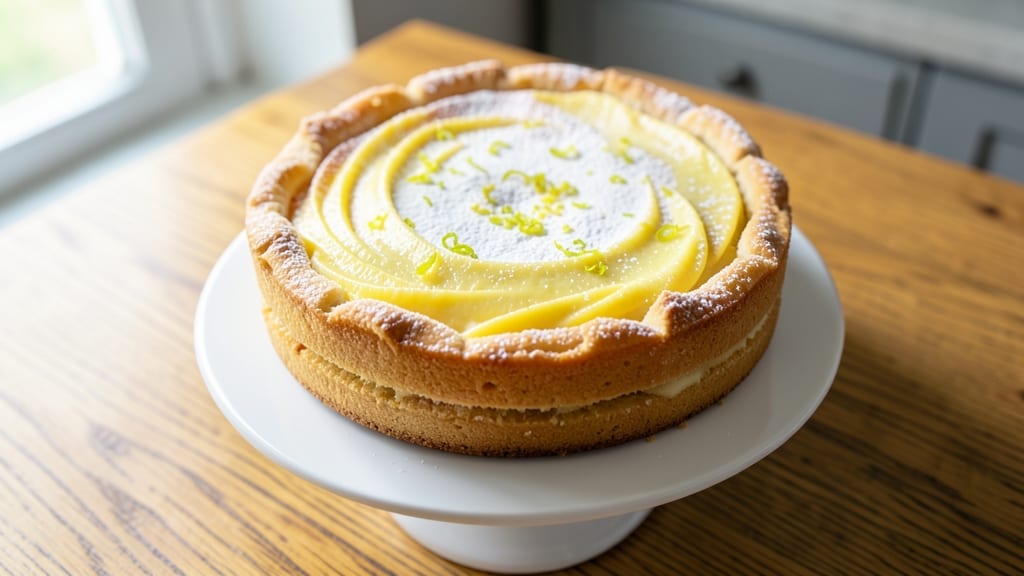
This classic lemon cake recipe delivers that perfect balance of bright citrus and ultra-moist layers that make it a timeless favorite. The secret lies in using both fresh lemon juice and zest for maximum flavor, combined with a precise mixing technique that ensures tender crumb and rich, zesty filling.
I've baked this recipe dozens of times—it never disappoints.
The cake's signature moisture comes from buttermilk in the batter and a simple syrup poured over the warm layers. This method guarantees a tender texture that stays fresh for days, while the lemon glaze adds that professional finish you see in bakery displays.
The recipe is straightforward but requires patience—letting the cake cool completely before slicing prevents crumbling.
What you'll end up with is a cake that's perfectly balanced: not too sweet, not too tart, with layers that pull apart cleanly and a filling that's rich without being heavy.
The aroma alone will have everyone anticipating dessert, and the first bite delivers that classic lemon flavor you love. This is the kind of recipe that becomes a family tradition.
Serve it at brunch, holiday gatherings, or as a simple afternoon treat with fresh berries or whipped cream. The possibilities are endless, but the foundation remains the same—bright, moist, and impossible to resist. Let's get baking.
Ingredients for classic lemon cake
Bright citrus meets buttery richness in this timeless cake. Just 12 ingredients for layers that pull apart cleanly.
| Ingredient | Amount | Notes |
|---|---|---|
| All-Purpose Flour 🌾 | 2 ½ cups | Sifted for light texture |
| Granulated Sugar 🍚 | 2 cups | Divided for batter and syrup |
| Unsalted Butter 🧈 | 1 cup | Room temperature, full-fat |
| Large Eggs 🥚 | 4 whole | Room temperature, separated |
| Buttermilk 🥛 | 1 cup | Fresh, not powdered |
| Fresh Lemon Juice 🍋 | ½ cup | From 3-4 lemons, strained |
| Lemon Zest 🍋 | 2 tbsp | Fine, from organic lemons |
| Baking Powder 🧂 | 2 tsp | Aluminum-free preferred |
| Salt 🧂 | ½ tsp | Fine sea salt |
| Vanilla Extract 🌿 | 1 tsp | Pure, high-quality |
| Powdered Sugar 🍚 | 1 cup | For glaze, sifted |
| Heavy Cream 🥛 | ¼ cup | Cold for glaze stability |
The lemons make or break this cake. Organic Meyer lemons from the grocery store's produce section give the best balance of sweet-tart flavor, but regular lemons work too—just use more zest. For juice, roll the lemons firmly before cutting to get every last drop. The butter should be room temperature but not melted—press a finger into it; it should leave a slight indent. If it's too soft, chill the bowl for 15 minutes. Land O'Lakes unsalted or Plugrá are my go-tos, but any full-fat butter works. The buttermilk? Cultivate brand is my secret weapon for tangy, clump-free performance, but homemade (milk + vinegar) works perfectly too.
No buttermilk? Substitute 1 cup milk + 1 tbsp vinegar or lemon juice, let sit 5 minutes. Running short on lemons? Lemon extract at half the zest amount gets you close, but fresh zest is non-negotiable for that bakery-quality flavor. The powdered sugar for the glaze should be 10X or confectioners' sugar—lumpy sugar ruins everything. For a lighter cake, sift the flour twice to avoid dense layers. And if you're baking in a dry climate, add 1 tbsp milk to the batter for extra moisture. The vanilla? Pure almond extract works in a pinch, but real vanilla is worth the splurge.
This cake keeps beautifully—3 days at room temperature wrapped tightly, 5 days refrigerated in an airtight container, or 3 months frozen between parchment layers. For freezing, wrap each layer separately. The glaze sets at room temperature, so assemble the cake 1 hour before serving. Pro tip: Brush the warm layers with simple syrup (equal parts sugar and water, heated until dissolved) before adding filling—this guarantees that signature moisture. Store leftovers covered at room temperature; never refrigerate unless you're keeping it for more than 2 days.
Why You'll Love This Recipe
- No Fancy Tools: I swear by this recipe because it only needs a bowl and a whisk—no mixer, no fancy gadgets. The butter gets creamed with sugar by hand, the eggs get folded in gently, and the buttermilk keeps it tender without overcomplicating things.
- Zesty Tang Perfection: That bright lemon flavor? It’s the real star. The zest in the batter gives it a citrusy punch, while the buttermilk keeps it from being too dry. Honestly, the first bite makes me want to bake another slice right away.
- Weeknight or Celebration: You can serve it plain for a lazy afternoon or dress it up with whipped cream for a birthday. It’s the kind of cake that works for both—no stress, no fuss, just pure lemony goodness that everyone loves.
- Budget-Friendly Leftovers: A single batch feeds six, and the leftovers? They stay moist for days. Between us, I’ve had this cake for lunch the next day, and no one ever complains—it’s that good, and it won’t break the bank.
Step-by-step instructions for classic lemon cake
This method delivers the signature balance of tender crumb and bright citrus flavor.
Prepare the Cake Batter
Preheat your oven to 350°F. In a medium bowl, whisk together the 2.5 cups all-purpose flour, 2 teaspoons baking powder, and ½ teaspoon salt. Sift this dry mixture directly into a large mixing bowl to aerate the flour and prevent lumps. Set aside.
In a separate large bowl, cream together the 1 cup unsalted butter and 2 cups granulated sugar on medium speed until light and fluffy, about 3-4 minutes. The mixture should nearly double in volume and become pale. This step is crucial for achieving that signature tender crumb.
Add the 4 whole large eggs, one at a time, mixing well after each addition. Scrape down the sides of the bowl as needed. Stir in the 1 teaspoon vanilla extract, ½ cup fresh lemon juice, and 2 tablespoons lemon zest. The batter should be bright yellow and well combined. With the mixer on low speed, gradually add the dry ingredients until just combined. Be careful not to overmix—stop as soon as the flour disappears.
Bake the Cake Layers
Divide the batter evenly between two 8-inch round cake pans lined with parchment paper or greased with butter. Smooth the tops with a spatula. Bake for 25-30 minutes, or until a toothpick inserted into the center comes out clean and the tops spring back when touched lightly.
I check for doneness at the 25-minute mark—your oven might run hot, so start checking early. The cake should be golden at the edges but still slightly pale in the center. Overbaking dries out the cake, so remove it immediately when done. Let the cakes cool in the pans for 10 minutes before transferring to a wire rack to cool completely.
While the cakes are cooling, prepare the lemon syrup by combining ½ cup fresh lemon juice and ½ cup granulated sugar in a small saucepan. Bring to a boil over medium heat, then simmer for 2-3 minutes until slightly thickened. This syrup will keep the cake moist and add extra lemon flavor.
Assemble and Glaze the Cake
Once the cakes are completely cool, level the tops if necessary using a serrated knife. Place one layer on a serving plate and brush it generously with the lemon syrup. Repeat with the second layer. For the classic look, I like to add a thin layer of lemon curd or whipped cream between the layers, but the syrup alone ensures moisture.
To make the glaze, whisk together the 1 cup powdered sugar and ¼ cup cold heavy cream until smooth. The glaze should be thick enough to coat the back of a spoon but still drizzle easily. Pour the glaze over the top of the cake and let it drip slightly down the sides for that professional finish. The cake will keep well at room temperature for 3 days, covered loosely with plastic wrap.
Slice into wedges and serve immediately for the best texture. The cake should be tender with a fine crumb, bright with lemon flavor, and perfectly moist—no dry edges or dense centers. The glaze adds a sweet contrast that balances the tangy lemon perfectly.
Pro Tips For Making Classic Lemon Cake
- Melt Butter Slowly: I used to dump cold butter straight into the dry ingredients and wondered why my cake turned out dense. Instead, melt the butter just until fluid—about 10 seconds in the microwave or until it’s smooth but not browned—then let it cool for 2 minutes before mixing. Warm butter incorporates better, but you don’t want to cook the flour.
- Whisk Eggs First: Beat the eggs and sugar together until the mixture lightens by at least 30 seconds—you’ll see it go from pale to frothy. This step aerates the batter, which makes the cake rise higher and stay moist longer. (Yes, even if you’re impatient like me, give it those 30 seconds.)
- Measure Buttermilk Precisely: Buttermilk’s acidity is the cake’s secret weapon, but cheap substitutions (like adding vinegar to milk) can throw off the texture. Use full-fat buttermilk straight from the carton—no diluting—and measure it after shaking the bottle. The thicker it is, the better it’ll hold up in the oven.
- Test for Doneness Early: The toothpick trick works, but I’ve learned to pull the cake 5 minutes before the recipe’s suggested time. If it’s still jiggly, tent it with foil and let it rest—overbaking dries out the crumb faster than you’d think. (Your future self will thank you for that extra 5 minutes.)
Troubleshooting this dish
Dense Cake Layers
If your cake turns out dense instead of tender, you likely overmixed the batter or used cold butter. Cream the butter and sugar until light and fluffy (about 3-4 minutes)—this incorporates air for a lighter texture.
Also, sift the flour twice to remove lumps and aerate it properly. I’ve found that using room-temperature eggs helps too, as cold eggs can make the batter heavier. 💡
Another common cause is overbaking. Remove the cake from the oven as soon as a toothpick comes out clean—even a minute too long can dry it out. If your oven runs hot, check for doneness at 25 minutes instead of waiting for the full 30 minutes.
For extra moisture, brush the warm layers with simple syrup (equal parts sugar and water) before assembling.
Dry or Crumbly Texture
Dry cake often stems from using old or improperly stored ingredients. Check that your buttermilk is fresh—sour buttermilk can alter the chemistry. If your kitchen is dry, add 1 tablespoon milk to the batter to compensate.
Also, ensure your lemon juice is fresh—oxidized juice can make the cake taste off and dry out faster. 🍋
If the cake crumbles when slicing, it may not have cooled enough. Let the layers cool completely on a wire rack before assembling—this prevents them from breaking apart. For extra stability, chill the cake in the fridge for 30 minutes before slicing, especially in warm weather.
Soggy Bottoms
Soggy bottoms usually mean the cake was underbaked or the pan wasn’t properly prepared. Always grease your cake pans thoroughly with butter and line them with parchment paper to prevent sticking. If your pans are dark-colored, they can absorb heat unevenly—consider using light-colored metal pans for even baking. 🔥
Another fix is to tap the pans gently on the countertop before baking to settle the batter and release air bubbles. This helps create a more even rise.
If you notice the bottoms are still underdone, broil the cake for 1-2 minutes at the end of baking—just watch it closely to avoid burning.
Weak or Collapsed Layers
Weak layers often happen when the leavening agents (baking powder and baking soda) are old or expired. Always check the expiration dates on your baking powder—it loses effectiveness over time.
For extra lift, whisk the dry ingredients vigorously before adding them to the wet mixture to ensure they’re fully aerated. 🌾
If your cake collapses after baking, it might have been overmixed. Once the flour disappears into the batter, stop mixing immediately—overworking the gluten makes the cake tough and prone to sinking.
Also, ensure your oven is properly calibrated—if it runs hot, reduce the temperature by 25°F and bake for a few extra minutes.
Uneven Baking
Uneven baking is usually caused by an oven that isn’t preheated long enough or hot spots in your oven. Always preheat your oven for at least 20 minutes before baking to ensure even heat distribution.
If your oven has hot spots, rotate the pans halfway through baking for consistent results. 🌡️
Another trick is to place a baking sheet on the lower rack while the cake bakes—this helps circulate heat more evenly. If you notice one side baking faster, cover it loosely with aluminum foil for the last 5-10 minutes of baking to slow the process.
Lemon Flavor Too Weak
If your cake lacks lemon flavor, it’s likely because the zest wasn’t fresh or the juice was diluted. Use only organic lemons for zest—their thicker skins yield more flavorful zest. For juice, roll the lemons firmly before cutting to extract every last drop.
If you’re short on lemons, add 1 teaspoon of lemon extract alongside the zest, but fresh is always better. 🍋
To boost flavor further, reduce the sugar slightly (by 2 tablespoons) and increase the lemon juice to ⅔ cup—this enhances the citrus notes without making the cake too sweet. Also, zest the lemons just before using—stored zest loses potency quickly.
Nutrition facts
Frequently asked questions
Can I make this lemon cake in a 9-inch pan instead of 8-inch?
Yes, but adjust the baking time and reduce the batter by about 20%. For a 9-inch pan, bake at 350°F for 20-25 minutes instead of 25-30. The cake will be thicker but still moist—just slice it slightly thicker to maintain texture. The lemon syrup method works the same for any pan size.
How do I store leftovers to keep them fresh?
Wrap the cake tightly in plastic wrap at room temperature for up to 3 days. For longer storage, refrigerate for 5 days or freeze individual layers (separated by parchment) for 3 months. Thaw overnight in the fridge—never at room temperature. The glaze stays freshest when applied just before serving.
What's the best way to boost the lemon flavor if I don't have fresh lemons?
Use 1 teaspoon lemon extract plus 1 extra tablespoon zest (from bottled lemons if needed). For juice, substitute ½ cup bottled lemon juice but reduce sugar by 1 tablespoon to balance tartness. Fresh is ideal, but these swaps work in a pinch—just don't skip the zest entirely!
Can I substitute buttermilk with something else?
Mix 1 cup milk with 1 tablespoon vinegar or lemon juice, then let sit for 5 minutes until thickened. For dairy-free, use 1 cup unsweetened almond milk plus 1 tablespoon apple cider vinegar. The acidity activates the baking powder just like buttermilk, keeping your cake tender and moist.
Why did my cake turn out dense instead of light?
Dense cake usually means overmixing or cold ingredients. Cream the butter and sugar until light and fluffy (about 3-4 minutes) and use room-temperature eggs. Also, stop mixing as soon as the flour disappears—overworking develops gluten, making the cake tough. Sift the flour twice for extra aeration.