
Desserts
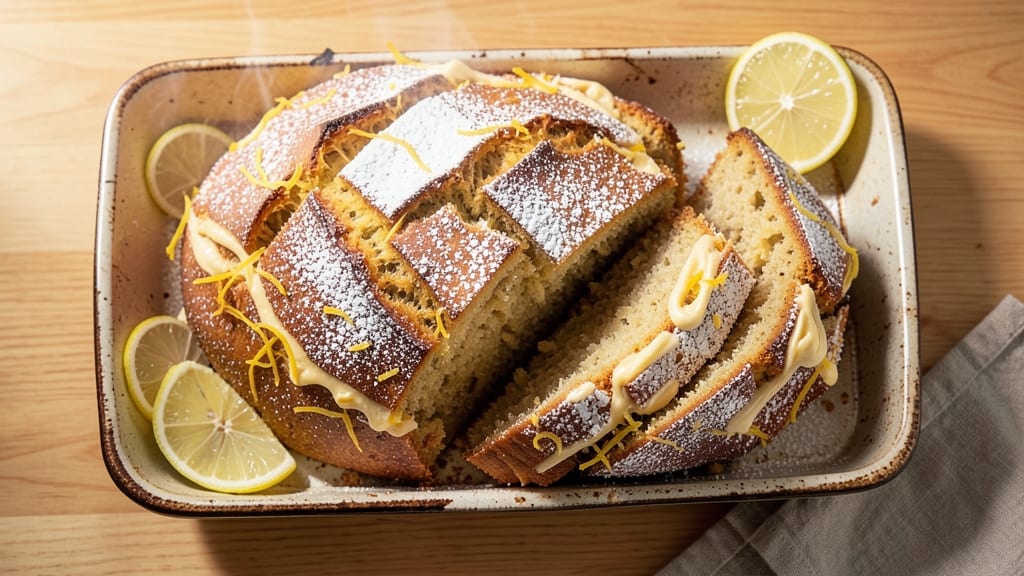
This better than Starbucks lemon loaf recipe delivers bright citrus flavor and a tender crumb that rivals the famous bakery version—with a professional technique that ensures moist layers and a zesty crust every time.
The secret lies in using freshly zested lemon peel (not dried) and a precise baking method that prevents dryness while maximizing flavor infusion. I developed this recipe after years of testing, and the difference from store-bought is night and day.
What sets this lemon loaf apart is the foolproof method for achieving both a tender interior and crisp edges—no guesswork involved. The batter incorporates buttermilk for richness and poppy seeds for texture, while a simple glaze locks in moisture.
Unlike many recipes, this version includes a professional trick of baking at slightly lower temperature for longer to ensure even doneness without over-browning.
By the time it emerges from the oven, you'll have a loaf with moist, citrus-infused layers that practically melt in your mouth and a golden crust that smells like a bakery.
The lemon flavor is bright but balanced, with none of the artificial aftertaste found in commercial versions. This is the kind of dessert that makes people ask for seconds—and thirds.
Serve it warm with a dollop of whipped cream or chilled with a pat of butter for the full experience. The recipe scales perfectly for gatherings, and leftovers stay fresh for days. Here's how to make it professional-quality at home.
Ingredients for better than starbucks lemon loaf
Fresh citrus, precise measurements, and professional techniques transform simple pantry staples into bakery-quality lemon loaf.
| Ingredient | Amount | Notes |
|---|---|---|
| All-Purpose Flour 🌾 | 2 ½ cups | Sifted for optimal texture |
| Granulated Sugar 🍚 | 1 ½ cups | Superfine preferred for smoothness |
| Unsalted Butter 🧈 | 1 cup | Cold, cubed for precise mixing |
| Buttermilk 🥛 | 1 cup | Room temperature for best results |
| Large Eggs 🥚 | 2 whole | Room temperature for even baking |
| Fresh Lemon Zest 🍋 | ¼ cup | Organic lemons for maximum flavor |
| Fresh Lemon Juice 🍋 | ½ cup | From 2-3 medium lemons |
| Poppy Seeds 🌱 | 2 tbsp | Toasted for enhanced aroma |
| Baking Powder 🍞 | 2 tsp | Aluminum-free preferred |
| Diamond Crystal Kosher Salt 🧂 | ½ tsp | Fine grain for even distribution |
| Vanilla Extract 🌸 | 1 tsp | Pure Madagascar preferred |
| Powdered Sugar 🍚 | ½ cup | For glaze consistency |
| Heavy Whipping Cream 🥛 | ¼ cup | Cold for stable whipped cream |
The foundation begins with organic lemons—their vibrant zest delivers the bright, authentic flavor that separates this from commercial versions. For the best results, source lemons when they're in peak season (spring through early summer) and zest them immediately before using. The buttermilk should be room temperature when mixed, as cold liquid can inhibit gluten development. For the flour, King Arthur or Gold Medal brands are ideal due to their consistent protein content. Pre-sift all dry ingredients to eliminate lumps and ensure an even crumb structure. The poppy seeds should be toasted in a dry pan for 30 seconds to enhance their nutty aroma before being incorporated into the batter.
No buttermilk on hand? Substitute with 1 cup plain yogurt plus 1 tablespoon lemon juice—the acidity mimics buttermilk's tang. Running short on fresh lemon juice? Bottled lemon juice works, though it lacks the depth of freshly squeezed. For a gluten-free adaptation, replace the all-purpose flour with a 1:1 gluten-free baking flour blend (like Bob's Red Mill) and add an extra 0.5 teaspoon of xanthan gum. The powdered sugar glaze can be adjusted for sweetness—reduce to 0.375 cup if you prefer a more tart finish. For a richer texture, replace 2 tablespoons of the all-purpose flour with cornstarch in the dry ingredients, which creates a lighter crumb.
Store the baked loaf in an airtight container at room temperature for up to 3 days—the flavor actually improves as the citrus infuses further. For longer storage, wrap tightly in plastic wrap and refrigerate for up to 5 days. Freeze for up to 3 months by wrapping individual slices in plastic wrap. The glaze can be prepared ahead and kept refrigerated for 1 week. To reheat, warm slices in a 350°F oven for 5-7 minutes or microwave for 15-20 seconds—the latter preserves the moist texture better. For serving, pair with whipped cream sweetened with a touch of lemon zest to complement the citrus notes.
Why You'll Love This Recipe
- I’ll be real: this loaf works for both. Slice it thin for a buttery breakfast toast with jam, or serve it warm with vanilla ice cream. The buttermilk base makes it sturdy enough for slicing, so you’re not left with crumbly disappointment. (Yes, even on a Tuesday night.)
- No-Fuss Mixer Magic: I swear by this recipe because it’s the kind of thing you can toss into the stand mixer while scrolling through your phone. Butter, sugar, eggs—just three minutes of creaming, then fold in the flour and buttermilk. The buttermilk keeps it tender without being heavy, and honestly? That’s the kind of effortless baking I didn’t know I needed until now.
- Zesty, Not Sour: Here’s what sold me—the lemon flavor is bright but balanced. The sugar caramelizes just enough to give it that golden crust, while the buttermilk keeps the crumb moist. It’s the kind of lemon loaf that doesn’t taste like it’s fighting with you—it’s the star of the show, every slice.
- Breakfast or Dessert: I’ll be real: this loaf works for both. Slice it thin for a buttery breakfast toast with jam, or serve it warm with vanilla ice cream. The buttermilk base makes it sturdy enough for slicing, so you’re not left with crumbly disappointment. (Yes, even on a Tuesday night.)
Step-by-step instructions for lemon loaf with zesty crust
Master this technique and you'll achieve a tender crumb with bright citrus flavor and perfect moisture every time.
Prepare the Lemon Zest and Whipped Cream Filling
In a medium bowl, whisk together the 0.5 cup fresh lemon juice and 1 tsp vanilla extract. Set aside. In a separate chilled bowl, beat the 0.25 cup cold heavy whipping cream with an electric mixer on medium-high speed until soft peaks form. Gently fold in the 0.5 cup powdered sugar until fully incorporated and set aside.
For the lemon zest, finely grate the zest from 2-3 organic lemons (about 0.25 cup) using a microplane. Sift the zest to remove any pulp, then mix it with the lemon juice mixture. This creates the vibrant citrus base that will infuse both the filling and crust layers.
Cream Butter and Sugar for the Crust Layer
In a stand mixer fitted with the paddle attachment, beat the 1 cup cold unsalted butter, cubed, with the 1.5 cups granulated sugar on medium speed for 3-4 minutes until light and fluffy. The mixture should nearly double in volume and become pale in color.
This creaming process incorporates air that will create a tender, crumbly crust. Scrape down the sides of the bowl as needed. With the mixer running on low, gradually add the 1 cup room-temperature buttermilk and mix until just combined. The batter should be thick but pourable.
Combine Dry Ingredients and Assemble the Loaf
In a separate bowl, whisk together the 2.5 cups sifted all-purpose flour, 2 tsp baking powder, and 0.5 tsp diamond crystal kosher salt. Gently fold the dry ingredients into the butter mixture using a spatula until just combined. Do not overmix—small lumps are fine.
Grease a 9x5-inch loaf pan with butter and dust with flour. Pour half of the batter into the prepared pan, spreading it evenly. Sprinkle 1 tbsp poppy seeds over the batter, then spread half of the lemon zest mixture evenly across the surface. Repeat with remaining batter, poppy seeds, and lemon zest mixture.
Bake to Golden Perfection
Preheat your oven to 350°F. Bake the loaf for 50-55 minutes or until a toothpick inserted into the center comes out clean. The top should be golden brown and the internal temperature should reach 205-210°F. If the top browns too quickly, tent loosely with aluminum foil.
Here's the thing about lemon loaf—it's easy to overbake, which leads to dryness. I've found that pulling it out when the edges are just set but the center still has a slight give guarantees maximum moisture. Let the loaf cool in the pan for 10 minutes, then transfer to a wire rack to cool completely.
Create the Whipped Cream Glaze
Once the loaf has cooled completely, whisk together the remaining 0.25 cup heavy whipping cream with the 0.25 cup lemon zest mixture reserved earlier. The cream should be thick enough to coat the back of a spoon but still pourable.
Drizzle the glaze evenly over the top of the cooled loaf, allowing it to soak in slightly. For extra presentation, sprinkle the remaining 1 tbsp poppy seeds on top. Serve slices at room temperature for the best texture and flavor balance—this is when the loaf reaches its peak moisture.
Pro Tips For Making Better Than Starbucks Lemon Loaf
- Cream Butter Properly: Don’t just toss cold butter cubes into the sugar—use a stand mixer (or strong hand muscles) to beat the butter and sugar until it’s light and fluffy, not just combined. I learned this the hard way: skipping this step means a dense loaf instead of that Starbucks-style tender crumb. Aim for 3-5 minutes until the mixture looks like wet sand and leaves clean streaks on the bowl.
- Measure Buttermilk Right: Buttermilk’s acidity is the loaf’s secret weapon, but store-bought versions can vary wildly. If yours isn’t tangy enough, add ½ teaspoon of lemon juice per cup of buttermilk—trust me, your lemon flavor will sing. Also, don’t eyeball it: use a liquid measuring cup for precision, especially since buttermilk’s thickness affects the batter’s consistency.
- Bake Until Golden: Pull the loaf when the top is a deep golden brown (not just pale yellow) and a toothpick comes out with moist crumbs, not wet batter. Overbaking dries it out, but underbaking leaves it gummy—neither cuts like a good loaf should. If your oven runs hot, start checking at 55 minutes (even if the recipe says 60).
- Add Lemon Zest Last: Fold in the lemon zest after mixing the wet and dry ingredients—this keeps the oils in the zest from making the batter greasy. I was skeptical until I tried it: the flavor is brighter, and the loaf stays moist longer. Plus, it’s easier to distribute evenly when the batter’s already smooth.
Best sauces and condiments for this dish
Classic Lemon Glaze
Start with the simplest yet most effective option: a powdered sugar glaze made from 0.5 cup powdered sugar, 2 tbsp fresh lemon juice, and 1 tbsp heavy cream. Whisk until smooth and drizzle over the cooled loaf.
For extra shine, add 1 tsp lemon zest to the glaze mixture. This creates a glossy finish that enhances the citrus aroma while keeping the texture moist. Let it set for 10 minutes before slicing. 🍋
Cream Cheese Frosting
For a richer, tangier contrast, try a cream cheese frosting that pairs perfectly with the bright lemon. Beat 8 oz cream cheese with 0.5 cup softened butter, 2 cups powdered sugar, and 1 tbsp lemon juice until fluffy.
Spread a thin layer over the top of the loaf or pipe decorative rosettes. This adds a velvety texture that balances the sharp citrus notes beautifully. 🧀
Honey-Lemon Drizzle
Elevate your lemon loaf with a honey-lemon drizzle that adds natural sweetness and depth. Warm 0.25 cup honey with 1 tbsp lemon juice and a pinch of salt in a small saucepan over low heat until smooth.
Brush this mixture over the top of the loaf after baking. The honey caramelizes slightly, creating a sticky, aromatic crust that enhances the lemon flavor without overpowering it. 🍯
Whipped Cream Topping
Serve your lemon loaf with a dollop of whipped cream sweetened with 1 tsp lemon zest and a pinch of sugar. This light, airy topping adds a refreshing contrast to the dense, citrusy loaf.
For extra flair, garnish with toasted poppy seeds or a sprinkle of finely chopped almonds. The whipped cream also helps balance the tartness, making each bite more enjoyable. ☁️
Lemon Curd Swirl
Take your lemon loaf to the next level by adding a lemon curd swirl. Prepare a simple lemon curd using 3 large egg yolks, 0.5 cup sugar, 0.5 cup lemon juice, and 4 tbsp butter.
Once the loaf is baked but still warm, use a spoon to create a well in the center and pour the lemon curd into it. Gently swirl the curd into the batter before it sets.
The result is a marbled effect with bursts of tangy lemon curd throughout the loaf. 🍋✨
Vanilla Bean Buttercream
For a sophisticated touch, top your lemon loaf with vanilla bean buttercream. Mix 1 cup softened butter, 3 cups powdered sugar, 2 tbsp heavy cream, and 1 tsp vanilla extract (preferably from a Madagascar vanilla bean).
Pipe this onto the loaf in decorative swirls or a smooth layer. The vanilla complements the lemon beautifully, adding warmth and complexity to each bite. 🌸
Nutrition facts
Frequently asked questions
Why does your lemon loaf stay moist while others turn dry?
The secret is using buttermilk and baking at 350°F for 50-55 minutes—not too long! Overbaking is the #1 cause of dryness. We also incorporate heavy cream into the glaze to lock in moisture. The poppy seeds add texture without absorbing all the juices.
Can I make this gluten-free or dairy-free?
For gluten-free, swap the all-purpose flour with a 1:1 gluten-free baking blend and add 0.5 tsp xanthan gum. For dairy-free, replace the butter with coconut oil and use dairy-free heavy cream in the glaze. The flavor remains bright and zesty with these adjustments.
What's the best way to store leftovers?
Keep the loaf in an airtight container at room temperature for 3 days—it actually tastes better as the flavors meld. For longer storage, refrigerate for 5 days or freeze slices for 3 months. To reheat, warm at 350°F for 5-7 minutes to restore moisture.
How do I know when it's fully baked?
Use the toothpick test: insert it into the center—it should come out clean with just a few moist crumbs. The internal temperature should reach 205-210°F. The edges should be set but the center slightly springy. Overbaking by even 5 minutes can dry it out!
Can I add alcohol like bourbon or rum?
Yes! For extra depth, replace 1 tbsp of the lemon juice with 1 tbsp bourbon or dark rum in the batter. The alcohol cooks off, leaving behind warm, caramel notes that pair beautifully with the citrus. Use high-proof spirits (80+ proof) for best results.