
Sauces & Condiments
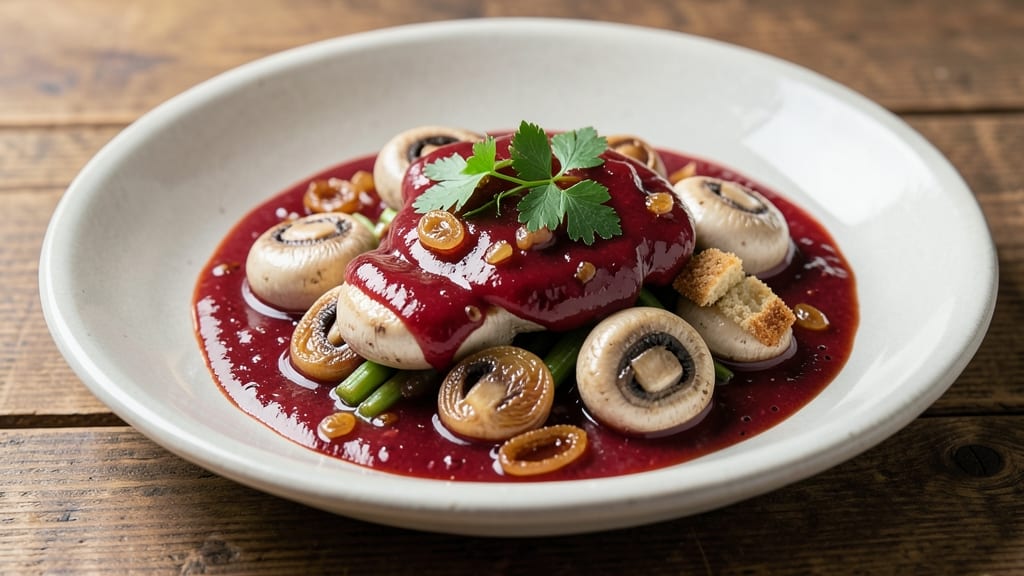
This chasseur sauce recipe transforms humble mushrooms and red wine into a rich, velvety sauce that elevates everything from steak to roasted vegetables. The key lies in slow reduction—caramelizing shallots, cooking mushrooms until deeply flavorful, and finishing with brandy for a touch of warmth.
I developed this version after years of restaurant-style sauce experimentation, and it delivers that perfect balance of earthy umami and bright herbs.
The sauce begins with a classic French technique: building flavor through gentle cooking. Shallots and mushrooms sweat in olive oil until deeply aromatic, then simmer with red wine and beef stock until reduced to a thick, glossy consistency.
A splash of brandy adds depth, while fresh parsley brightens the final product. What makes this sauce special is how it transforms simple ingredients into something restaurant-worthy with minimal effort.
What you’ll end up with is a deep, glossy sauce that clings beautifully to meats and vegetables, offering layers of savory, slightly sweet, and herby notes. The reduction process concentrates the flavors, ensuring every bite delivers that rich, complex taste.
This sauce is perfect for drizzling over steak, pairing with roasted chicken, or even using as a base for pasta dishes.
One of the best things about this recipe is its versatility—it keeps well in the refrigerator for up to a week, making it ideal for meal prep. The balance of ingredients ensures it won’t overpower delicate dishes, yet it’s bold enough to stand out on its own.
Let’s get started on creating this timeless French classic.
Ingredients for chasseur sauce
Nine ingredients, one French masterpiece—this sauce turns simple mushrooms and wine into a restaurant-worthy velvety dream.
| Ingredient | Amount | Notes |
|---|---|---|
| Shallots 🧅 | 1 lb | Minced finely for caramelization |
| White Button Mushrooms 🍄 | 1 ½ lb | Sliced uniformly for even cooking |
| Extra-Virgin Olive Oil 🫒 | ½ cup | High quality, peppery variety |
| Dry Red Wine 🍷 | 2 cups | Bold Cabernet Sauvignon preferred |
| Beef Stock 🍲 | 1 ½ cups | Homemade or quality store-bought |
| Brandy 🍶 | ¼ cup | Aged 3-5 years for depth |
| Fresh Parsley 🌿 | ¼ cup | Chopped finely for brightness |
| Fresh Thyme 🌿 | ⅛ cup | Leaves only, chopped |
| Diamond Crystal Kosher Salt 🧂 | 1 ½ tsp | For seasoning and balance |
| Freshly Ground Black Pepper 🌶️ | ½ tsp | Cracked peppercorns preferred |
The shallots and mushrooms are your flavor anchors. Look for firm, dry mushrooms—none of that slimy stuff—and shallots with papery skins (they’re sweeter). Whole Foods or Trader Joe's usually carry pre-minced shallots, but I prefer doing it myself for that extra caramelization. The red wine? Cabernet Sauvignon or Merlot—whatever’s open in your fridge—just make sure it’s dry. For the beef stock, homemade is ideal, but Kitchen Basics or Pacific Foods brands are solid shortcuts. Pro tip: Toast your mushrooms in the olive oil until deeply browned—this builds the umami magic.
No brandy? Substitute with a splash of port wine or even more red wine (just reduce the wine amount by 2 tbsp). Fresh thyme unavailable? Dried thyme at one-third the amount works in a pinch, but fresh is non-negotiable for that bright herbaceous note. The parsley? Flat-leaf if you can find it—it’s more flavorful than curly. For the olive oil, avoid the cheap stuff—you’ll taste the difference in that final glossy finish. And if you’re worried about alcohol content, the brandy burns off completely during reduction, leaving just that warm, caramelized depth.
This sauce gets better with time—reheat gently on low or even better, let it come to room temp before serving. Keeps 5-7 days in the fridge, sealed tightly with a layer of olive oil on top to preserve freshness. For freezing, portion into ice cube trays—perfect for single-use portions later. The flavor actually deepens overnight, so if you have leftovers, don’t hesitate to reheat and drizzle over steak the next day. Trust me, it’s worth the extra minute of patience.
Why You'll Love This Recipe
- I’ll be real: this sauce is my secret weapon for stretching meals. A small bottle of wine and a handful of mushrooms go a long way, and the leftovers? Even better the next day. Reheat it, add a splash of stock if it’s too thick, and suddenly you’ve got a freezer-friendly sauce for next week’s dinner. Frugal but far from boring.
- No Wine Waste: That leftover red wine? It’s the star here. Instead of tossing it, you’ll simmer it down into something so rich and savory, you’ll wonder why you ever bought cheap cooking wine. The shallots caramelize right in the pan while the mushrooms soak up all that deep, boozy flavor—no fancy techniques, just pure transformation.
- One-Pan Magic: Honestly, this sauce is my lazy-day hero. Sauté the mushrooms and shallots in olive oil, deglaze with wine, add stock, and let it bubble. That’s it. No blender, no whisking, no stress—just 20 minutes of hands-off simmering while you chop veggies or set the table. The pan’s already half-cleaned by the time you’re done.
- Steakhouse at Home: Between us, this sauce turns even the simplest protein into a restaurant-worthy dish. Drizzle it over grilled chicken, toss it with pasta, or spoon it onto steak—suddenly, you’re serving something that tastes like it belongs on a bistro menu. The beef stock adds that meaty depth, while the wine keeps it bright and sophisticated.
Step-by-step instructions for deep mushroom-wine reduction with herb brightness
Here's how to transform humble mushrooms and wine into a velvety, aromatic sauce that sings with depth.
Develop Rich Flavor with Caramelized Shallots
Heat the 0.5 cup extra-virgin olive oil in a heavy-bottomed saucepan over medium-low heat. Add the 1 lb minced shallots and cook gently for 15-20 minutes, stirring occasionally. You're aiming for deep golden caramelization—this forms the flavor foundation.
Watch closely as the shallots transform from pale to rich amber. If they start to brown too quickly, reduce heat immediately. This slow cooking process develops complex sugars that will carry through the entire sauce. Once beautifully caramelized, remove the shallots with a slotted spoon and set aside—you'll add them back later.
Build Depth with Mushrooms and Wine
Increase heat to medium and add the 1.5 lb sliced white button mushrooms to the same pan. Cook for 8-10 minutes until they release their moisture and begin to brown. Stir occasionally to ensure even cooking and prevent sticking.
When the mushrooms are deeply browned and most of their liquid has evaporated, pour in the 2 cups dry red wine. Increase heat to medium-high and let the wine reduce by half—this should take about 5 minutes. You'll notice the aroma intensify dramatically as alcohol evaporates, leaving behind concentrated wine flavors.
Create Velvety Texture with Stock and Brandy
Stir in the 1.5 cups beef stock and 0.25 cup brandy, bringing everything to a gentle simmer. Reduce heat to low and let the sauce cook uncovered for 20-25 minutes, stirring occasionally. The sauce should reduce until it coats the back of a spoon with a glossy sheen.
This slow reduction develops the sauce's signature depth. Taste occasionally and adjust seasoning with 1.5 tsp diamond crystal kosher salt and 0.5 tsp freshly ground black pepper. The sauce should be rich but balanced—add salt gradually as you taste. If the sauce thickens too much, add 1-2 tablespoons water to achieve the perfect consistency.
Finish with Herb Brightness
Remove the sauce from heat and stir in the 0.25 cup chopped fresh parsley and 0.125 cup chopped fresh thyme. Return the caramelized shallots to the pan and let everything meld together for 2-3 minutes off the heat.
The herbs should brighten the sauce without overpowering its rich mushroom-wine base. For an extra touch of elegance, strain the sauce through a fine-mesh sieve if you prefer a silky texture. Serve immediately over grilled meats, roasted vegetables, or creamy pasta for an unforgettable flavor experience.
Pro Tips For Making Chasseur Sauce
- Sweat the Shallots Slow: I used to rush this step and end up with bitter, watery shallots—don’t. Cut them into paper-thin slices (a sharp knife helps) and cook them in olive oil on low heat for 8-10 minutes, stirring occasionally, until they’re golden and caramelized but not crisp. This builds the sauce’s depth—skip it, and you’ll taste the difference.
- Deglaze Immediately: As soon as you remove the mushrooms, pour in that red wine while the pan is still hot—the residual fond will lift right off. Let it bubble for 2-3 minutes before adding stock. I learned this the hard way: waiting cools the pan, and you’re left scraping brown bits off the bottom instead of dissolving them into flavor.
- Use Button Mushrooms Whole: Halving or quartering them turns your sauce into mush. Keep them whole (or in large chunks) and cook them in batches if needed—just 4-5 minutes on medium-high until they release their moisture and brown slightly. This keeps texture, and you’ll get that classic "chasseur" look without soggy bits.
- Reduce the Wine Fully: Don’t be lazy—reduce the wine until it’s almost dry before adding stock. You want a rich, concentrated base, not a watery glaze. If you’re impatient, lower the heat to a simmer and stir occasionally; it takes 6-8 minutes, but it’s worth it. Trust me, your sauce will taste like it simmered all day.
Pro cooking tips for great chasseur sauce
Pan Selection Matters
Use a heavy-bottomed saucepan—I swear by my All-Clad Stainless Steel—to prevent scorching during the long reduction. A 3-quart capacity pan gives you room to work without overflowing.
If you don’t have one, a deep skillet or even a Dutch oven works in a pinch, but avoid thin, reactive metals like aluminum that can alter flavors. The goal is even heat distribution for that perfect caramelization and reduction. 🔥
Low and Slow Caramelization
Caramelizing shallots is where the magic happens, but patience is key. Cook them at medium-low heat for 15-20 minutes—any faster, and they’ll burn before developing those sweet, complex flavors. I like to stir every 2-3 minutes to ensure even browning.
If your shallots start to darken too quickly, immediately reduce heat to low or even remove the pan from heat for a minute to cool slightly. The deeper the amber color, the richer the sauce’s foundation. ✨
Wine Reduction Technique
When reducing the wine, never let it boil vigorously—this causes harsh, alcohol-heavy flavors. Instead, maintain a gentle simmer at medium-high heat until reduced by half (5 minutes). You’ll know it’s ready when the aroma shifts from sharp wine to deep, fruity richness.
Pro tip: Use a long-handled spoon to stir occasionally and prevent hot spots. If your wine reduces too quickly, lower the heat immediately to avoid overcooking the mushrooms. 🍷
Brandy Flambé Safety
While this recipe doesn’t require flambéing, if you’re tempted to torch the brandy for drama, do it carefully. Remove the pan from heat, add the brandy, and let it sit for 10 seconds before igniting. Keep a metal lid nearby to smother flames if needed.
I prefer the simpler method—just simmer the brandy into the sauce to avoid unnecessary fire risks. The alcohol will still burn off during reduction, adding warmth without the spectacle. 💡
Herb Timing Trick
Add fresh herbs off the heat to preserve their bright, vibrant flavors. If you stir them in too early, they’ll wilt and release bitterness. For extra freshness, I like to blanch the parsley and thyme in boiling water for 10 seconds, then plunge into ice water before chopping.
This removes any dirt while intensifying their aroma. The herbs should brighten the sauce without overpowering its deep, umami base. 🌿
Sauce Consistency Fixes
If your sauce thickens too much, thin it with 1-2 tablespoons water or beef stock—never milk or cream, which can break the sauce’s balance. For a silky texture, strain through a fine-mesh sieve lined with cheesecloth.
If it’s too thin, simmer uncovered for 5-10 more minutes to reduce further. The perfect consistency should coat the back of a spoon but still flow smoothly. Trust your taste—adjust gradually! 💪
Nutrition facts
Frequently asked questions
Can I substitute red wine with something else?
Yes! If you don’t have red wine, use 2 cups dry white wine or even grape juice (though the flavor will differ). For a non-alcoholic version, try 1 cup apple cider vinegar + 1 cup beef stock—it’ll be tangier but still delicious. The key is maintaining the 2 cups total liquid for proper reduction.
Why does my sauce taste too bitter?
Over-reduction or burnt mushrooms/shallots cause bitterness. To fix it, stir in 1-2 tablespoons beef stock to dilute, then finish with a pinch of sugar (just ½ teaspoon) to balance. For prevention: Keep heat at medium-low during reduction and remove mushrooms/shallots as soon as they’re golden-brown, not blackened.
How can I make this sauce vegetarian?
Replace the beef stock with 2 cups vegetable stock and add 1 tablespoon soy sauce or 1 teaspoon miso paste for umami depth. The mushrooms and caramelized shallots will still provide rich flavor, but the sauce will have a slightly lighter profile. Serve over portobello mushrooms or lentils for a hearty vegetarian dish.
Can I make this sauce ahead of time?
This sauce actually improves overnight. Store it in an airtight container in the fridge for up to 5-7 days. Reheat gently on low heat or in the microwave (covered) until warm. For freezing, portion into ice cube trays—thaw quickly in the fridge before reheating. The flavors meld beautifully with time!
What’s the best way to serve chasseur sauce?
This versatile sauce shines on grilled steak, roasted chicken, or creamy mashed potatoes. For extra elegance, drizzle over seared scallops or use as a pasta sauce with fettuccine. The rich, earthy flavors also pair wonderfully with pan-seared duck or even as a dip for crusty bread.