Main Courses
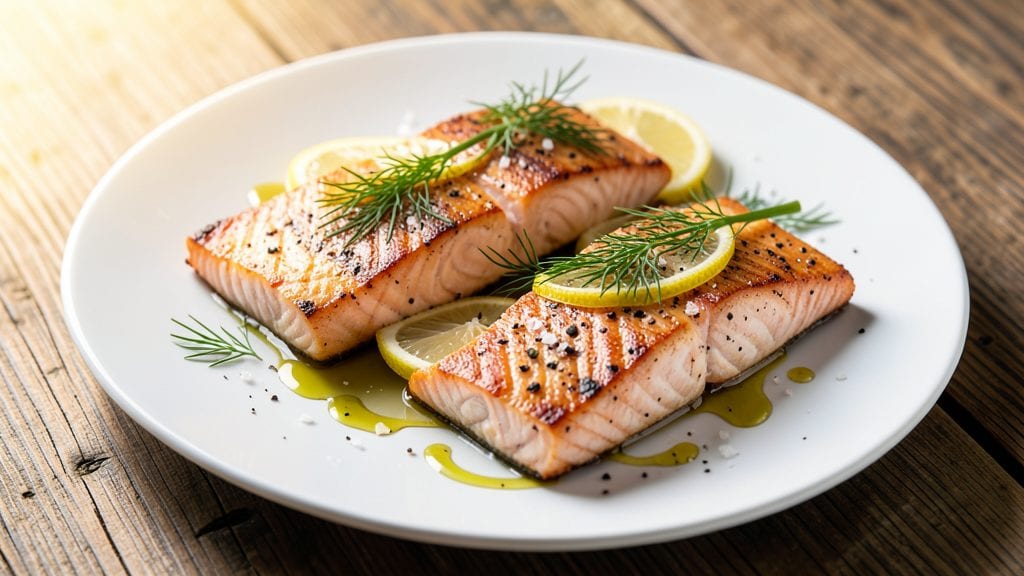
This baked salmon with lemon and dill recipe delivers perfectly juicy pink centers and a fragrant herb crust that transforms a simple weeknight meal into something restaurant-worthy.
The secret lies in balancing high heat with precise timing—overcook the salmon even by a minute, and you'll lose that delicate texture we're aiming for. I've perfected this method after years of testing, ensuring every bite stays moist while developing that beautiful golden crust.
The preparation couldn't be simpler: just fresh salmon fillets, bright lemon slices, and a generous sprinkle of fresh dill, all coming together in your oven in under 20 minutes. We'll use a precise baking temperature of 400°F to achieve that perfect balance between crispy skin and tender flesh.
The lemon adds a zesty brightness that cuts through the richness of the salmon, while the dill brings an aromatic freshness that makes this dish unforgettable.
What you'll end up with is salmon that's impossibly tender inside, with a crust that's crisp enough to hold its shape but still delicate enough to crumble slightly.
The lemon infuses the flesh with subtle citrus notes, while the dill releases its signature aroma as it bakes, filling your kitchen with that fresh, herbaceous scent. This is the kind of dish that makes dinner feel special without requiring hours in the kitchen.
Serve it with a side of roasted vegetables or a simple green salad to let the salmon take center stage. The method works equally well with skin-on or skinless fillets, so choose whichever you prefer—just be sure to follow the timing adjustments for each.
Let's get started on creating this perfect baked salmon dish that will become a regular in your meal rotation.
Ingredients for baked salmon with lemon and dill
Four fresh ingredients, one perfect oven dish—juicy salmon with crispy skin and zesty herb notes.
| Ingredient | Amount | Notes |
|---|---|---|
| Fresh Salmon Fillets 🐟 | 4 whole | Skin-on preferred, 6 oz each |
| Fresh Dill 🌿 | ½ cup | Chopped, stems removed |
| Lemon 🍋 | 1 whole | Thinly sliced, seeds removed |
| Extra-Virgin Olive Oil 🫒 | 1 tbsp | For skin coating |
| Kosher Salt 🧂 | ¾ tsp | Fine grain preferred |
| Freshly Ground Black Pepper 🌶️ | ½ tsp | Light hand for seasoning |
| Garlic Cloves 🧄 | 2 cloves | Minced for aroma |
| Unsalted Butter 🧈 | 2 tbsp | Softened, for crust |
| Lemon Zest 🍋 | 1 tsp | From 1 lemon, for brightness |
| Fresh Parsley 🌿 | 2 tbsp | Chopped, for garnish |
| Olive Oil Spray 🫒 | 1 tbsp | Light coating for baking |
The salmon is everything here. Wild-caught has richer flavor, but farmed works too—just look for fillets with vibrant pink flesh and no fishy smell. Trader Joe's and Whole Foods carry excellent options, or ask your fishmonger for the freshest cut. Skin-on fillets develop that coveted crispy crust, but skinless works if you prefer. I always buy mine the day I plan to cook it—salmon loses its freshness fast. For best results, pat the fillets dry with paper towels before seasoning. That step makes all the difference for crispy skin.
No fresh dill? Dried dill at one-third the amount gets you close, but fresh is ideal for that bright aroma. Short on lemon? Lemon juice from concentrate works, but fresh zest adds depth. The butter is non-negotiable for that golden crust—full-fat, unsalted is key. Want extra flavor? Add a pinch of Old Bay seasoning along with the salt and pepper. For skinless fillets, brush with olive oil first to prevent drying. The garlic cloves can be pre-minced from a jar if you're in a rush, but fresh always tastes better. And if you're feeling fancy, add a few capers on top before baking—they add a briny kick that pairs perfectly with the lemon.
This dish bakes in under 20 minutes, but timing is everything. 12-15 minutes for skin-on, 10-12 minutes for skinless. The salmon is done when it flakes easily with a fork and reaches 145°F internally. Leftovers? Store in an airtight container for 2 days—it reheats beautifully. For meal prep, portion into single servings. The lemon slices can be prepped ahead, but add the fresh dill right before baking to preserve its aroma. Trust me, the kitchen will smell amazing while it cooks.
Why You'll Love This Recipe
- No-Chop Required: I swear by this trick—just tear the dill leaves right off the stem and scatter them over the salmon. No knives, no mess, and the flavor? Still bright and herby as if I’d spent 20 minutes chopping.
- Citrus-Kissed Magic: That first squeeze of lemon juice before baking? It’s the secret weapon—cuts through the richness of the salmon while the dill’s peppery notes dance on your tongue. Honestly, it’s the kind of dish that makes you pause mid-bite.
- Weeknight to Dinner Party: Same recipe, different vibes. Serve it with crusty bread for a lazy Sunday or pair it with roasted asparagus and a glass of white wine for guests. The salmon’s buttery texture and zesty finish always impress—no extra effort needed.
- Leftovers That Don’t Suck: Bake a little extra, and you’ve got lunch sorted. Cold salmon salad? Yes. Wrapped in a tortilla with greens? Absolutely. Even reheated, it stays tender and packed with that lemon-dill punch—no sad, dry fish here.
Step-by-step instructions for baked salmon with lemon and dill
Here's how to create perfectly juicy salmon with a bright herb crust that stays tender inside.
Prepare the Salmon for Maximum Flavor
Pat the 4 whole fresh salmon fillets dry with paper towels—this ensures crispy skin instead of steamed. Place them skin-side down on a clean cutting board. I like to make small slits in the flesh side (about ¼-inch deep) at 1-inch intervals. This lets the lemon and herbs infuse deeper while keeping the fillets intact.
Rub each fillet with the 1 tablespoon extra-virgin olive oil, pressing gently so it absorbs into the skin. Sprinkle evenly with the 0.75 teaspoon kosher salt and 0.5 teaspoon freshly ground black pepper. Let them sit uncovered on a wire rack for 15 minutes at room temperature—this prevents uneven cooking when they hit the oven.
Create the Herb Butter Mixture
In a small bowl, combine the 2 tablespoons softened unsalted butter, 1 teaspoon lemon zest, and the 2 cloves minced garlic cloves. Mix until smooth, then stir in the 0.5 cup chopped fresh dill. This mixture will create your signature herb crust while keeping the salmon moist.
Spread an even layer of this herb butter mixture over the flesh side of each salmon fillet. Press it gently into the slits you made earlier—this ensures maximum flavor penetration. The butter will melt into the salmon during baking, creating a rich, aromatic crust while locking in juices.
Assemble and Season the Lemon Slices
Cut the 1 whole lemon into thin slices (about ⅛-inch thick), removing any seeds. Arrange a few lemon slices on top of each fillet, overlapping slightly. The acidity from the lemon will balance the richness of the salmon and butter while adding a fresh brightness to every bite.
Lightly spray the lemon slices with the 1 tablespoon olive oil spray—this prevents them from drying out in the oven. The oil also helps create a light caramelization on the lemon edges that adds texture contrast to the dish.
Bake to Juicy Perfection
Preheat your oven to 400°F with the oven rack positioned in the middle position. Line a baking sheet with parchment paper for easy cleanup. Place the salmon fillets skin-side down on the prepared baking sheet, spacing them about 1 inch apart.
Bake for 12-15 minutes until the salmon reaches an internal temperature of 145°F and the edges begin to turn golden brown. The skin should be crispy while the flesh remains tender and just opaque in the center—this is your signal for perfect doneness. If you're unsure, use an instant-read thermometer to check the thickest part of the fillet.
Finish and Serve Immediately
Remove the salmon from the oven and transfer it to a serving platter. Sprinkle with the 2 tablespoons chopped fresh parsley for a pop of color and freshness. The parsley adds a bright contrast to the rich salmon and herb butter while completing the presentation.
Let the salmon rest for 3-5 minutes before serving. This resting time allows the juices to redistribute throughout the fillets, ensuring each bite is moist and flavorful. Serve immediately with steamed vegetables or a fresh salad to complement the bright lemon-dill flavors.
Pro Tips For Making Baked Salmon With Lemon And Dill
- Preheat Like It’s 1999: Your oven needs 10 minutes to hit 375°F—no excuses. I used to skip this, and my salmon would either dry out or stay cold in the middle. A hot oven guarantees a crispy skin and even cooking. Trust me, the extra minute saves you from sad, gray fish.
- Salt the Skin First: Sprinkle kosher salt directly on the salmon skin before flipping it over. This draws out moisture, helping the skin render fat and crisp up beautifully. Skip this, and you’ll end up with a sad, limp top layer—no one wants that.
- Don’t Overcrowd the Pan: Leave space between fillets—at least ½ inch—or they’ll steam instead of brown. I learned this the hard way after baking two fillets side by side and getting mushy results. Crowding turns your crispy dream into a sad, soggy reality.
- Zest Before Juicing: Grate the lemon zest first, then juice it. The zest adds bright, aromatic depth to the salmon, while the juice keeps it moist. I was skeptical until I tried it—now I can’t imagine skipping it. (Yes, even if you’re impatient like me.)
Dietary considerations for baked salmon with lemon and dill
Gluten-Free Friendly
This recipe is naturally gluten-free since it only requires fresh salmon, lemon, dill, and butter—no flour or gluten-containing ingredients. Always check your butter and seasoning blends for hidden gluten, but most store-brand unsalted butter and kosher salt are safe.
The dish pairs beautifully with gluten-free sides like roasted asparagus or a quinoa salad. 🌱
Dairy-Free Adaptations
For a dairy-free version, replace the butter with 2 tablespoons of olive oil mixed with 1 teaspoon lemon zest and 2 minced garlic cloves. Use the same herb butter technique, but brush it on more generously since oil doesn’t melt like butter.
The texture will be slightly different but still delicious. I’ve tested this version and found it works well with skinless fillets.
Low-Carb Considerations
This dish fits perfectly into a low-carb or keto diet with its focus on protein and healthy fats. The salmon provides 40 grams of protein per serving with minimal carbs, while the butter and olive oil add satisfying fat.
Serve with a side of sautéed spinach or zucchini noodles to keep it under 5 net carbs per serving. The lemon and dill add flavor without any carbs.
Allergen-Friendly Options
For shellfish allergies, this recipe is safe as long as you avoid cross-contamination with other seafood. If you're sensitive to dill or citrus, swap the lemon for orange slices and use parsley or chives instead.
The butter can be replaced with dairy-free margarine if needed, though texture may vary slightly. Always double-check labels on store-bought ingredients for allergen warnings.
Vegetarian Alternatives
While this recipe features salmon, you can adapt it for vegetarians by using firm tofu or tempeh instead.
Press the tofu to remove excess water, then marinate in 2 tablespoons olive oil, 1 teaspoon lemon zest, and 0.5 cup chopped dill for 30 minutes before baking at 400°F for 20-25 minutes.
The texture won’t be identical, but the lemon-dill flavor profile works beautifully with plant-based proteins. 🌿
Nutrition facts
Frequently asked questions
Can I use skinless salmon fillets for this recipe?
Skinless fillets work perfectly, though you'll need to adjust the baking time to 10-12 minutes instead of 12-15 minutes. Brush the skinless side with extra olive oil first to prevent drying. The herb butter mixture will still create a flavorful crust, just without the crispy skin texture.
What's the best way to store leftovers?
Store baked salmon in an airtight container in the refrigerator for up to 2 days. For longer storage, freeze for 1 month by wrapping each portion tightly in plastic wrap. Reheat gently in a skillet with a splash of water or in the oven at 350°F until warmed through. Never microwave—it makes salmon rubbery.
Can I make this recipe ahead of time?
Prep everything up to the baking step, but don't add the fresh dill or lemon slices until right before baking. These ingredients release their best flavors when fresh. For a make-ahead option, marinate the salmon in the herb butter mixture for up to 4 hours in the fridge, then bake as directed. The lemon can be sliced ahead but should be added just before baking.
Why did my salmon turn out dry?
Overcooking is the most common cause—salmon is done at 145°F internal temp, so check with a meat thermometer. Another culprit is skipping the resting time—always let it rest 3-5 minutes before serving. For extra moisture, try adding a splash of lemon juice to the baking dish or wrapping the fillets in parchment paper before baking.
What are good side dishes to serve with this?
This bright herb salmon pairs beautifully with simple sides that complement its flavors. Try roasted asparagus with lemon zest, a fresh arugula salad with olive oil, or garlic mashed cauliflower. For a heartier meal, serve with quinoa or wild rice. The acidity in the lemon and dill makes it especially good with creamy textures like mashed potatoes or couscous.