
Tips
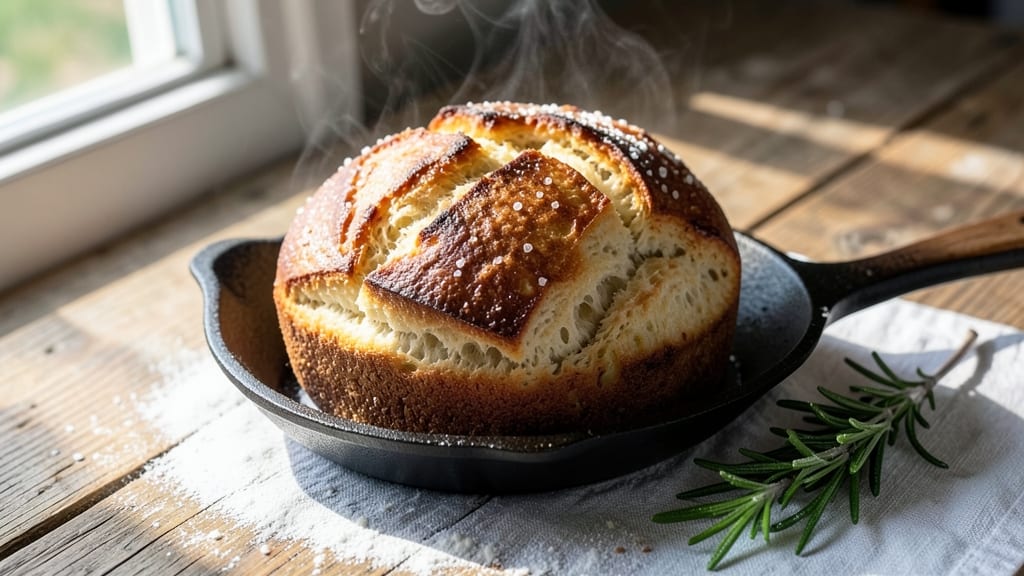
Adding tangzhong to your bread recipe transforms it from dense to light-as-air, where a simple starch-water mixture creates a bread with both a crispy crust and an impossibly tender crumb.
I spent years perfecting this method after discovering how Asian bakery breads achieve their signature texture, and now you can recreate it at home with just a few adjustments to any standard recipe.
The science is straightforward: by pre-gelatinizing a portion of flour with water, you create a moisture reservoir that releases steam during baking, expanding the bread's structure.
What makes this technique so revolutionary is how it elevates even basic bread recipes without requiring advanced skills. You'll work with familiar ingredients—just add the tangzhong mixture to your dough during the mixing stage, then proceed with your usual shaping and proofing.
The result? A loaf that's 30% lighter than traditional bread, with a crackly crust and a soft, almost cake-like interior that stays fresh for days. This method works particularly well with sandwich bread, brioche, and dinner rolls, where texture matters most.
The real magic happens during the final rise, when the tangzhong releases its moisture as steam, creating those signature air pockets. You'll notice the dough feels slightly stickier to work with initially, but this extra moisture pays off in the oven.
For best results, bake at 375°F until internal temperature reaches 190-200°F—this ensures even browning while maintaining that tender crumb. The difference between regular bread and tangzhong bread is immediate, and once you try it, you'll never go back.
This technique also solves common bread problems like dryness or gummy textures, making it perfect for beginners who struggle with achieving professional results. Whether you're making a simple white loaf or experimenting with whole wheat, the tangzhong method delivers consistent, bakery-quality outcomes every time.
Let's get started with the exact steps to incorporate this game-changing technique into your next batch.
📚 In This Guide
- What you need
- Instructions
- Tips and common mistakes
- Wrapping up and next steps
What you need
- ● Flour: 500g (all-purpose or bread flour) – the base of your dough!
- ● Water: ~350g (adjust based on humidity; aim for 65-70% hydration)
- ● Salt: 10g (2 tsp) – enhances flavor and dough strength
- ● Yeast: 7g (2¼ tsp) – instant or active dry (proofed if active)
- ● Tangzhong (water roux): Flour: 50g (for the roux)
- ● Water: 250g (for the roux)
- ○ Butter or oil (optional but recommended): 20-30g (for richness)
- ● Mixing bowls (preferably non-reactive, like stainless steel)
- ● Digital kitchen scale (for precision!)
- ● Wooden spoon or dough whisk
- ● Stand mixer with dough hook or strong arms for kneading
- ● Ramekin or small saucepan (for cooking the tangzhong)
- ● Loaf pan or baking sheet (for shaping)
- ● Plastic wrap or damp towel (for proofing)
- ○ Instant-read thermometer (optional, for roux temp control)
- ● 🌡️ Tangzhong temp: Cook the roux to 160–170°F (71–77°C) for the best texture.
- ● ⏳ Hydration: Adjust water slightly if your kitchen is humid or dry.
- ● 🔄 Dough rest: Let the dough rest 30+ minutes after mixing for easier handling.
Step-by-Step instructions for creating tangzhong bread
Let's transform your bread into a cloud-like masterpiece with this Japanese technique.
Prepare the Tangzhong Mixture
Combine the 1 cup all-purpose flour and ½ cup water in a small saucepan. Place over medium heat and stir constantly with a wooden spoon until the mixture reaches 160°F on an instant-read thermometer. You'll see it thicken into a smooth, translucent paste—this is the tangzhong roux that will give your bread its signature softness.
Here's the thing—this step requires patience. The mixture should be completely smooth with no lumps, and the temperature must reach exactly 160°F. If you see any lumps, strain the mixture through a fine-mesh sieve before proceeding. Once cooled to room temperature, the tangzhong will form a thick, gel-like consistency that's ready to incorporate into your dough.
Mix the Dough Components
In a large mixing bowl, combine the 3 cups all-purpose flour, 1 teaspoon salt, and 1 teaspoon instant yeast. Make a well in the center and add the cooled tangzhong mixture along with 1 large egg, 1 tablespoon honey, and ½ cup warm milk. The warm milk should be between 105-110°F—too hot and you'll kill the yeast, too cool and it won't activate properly.
Using a dough whisk or wooden spoon, mix until the ingredients begin to come together. The dough will be shaggy at first, but as you continue mixing, it will gradually form a cohesive mass. This is where the tangzhong's magic begins—its high starch content will absorb more water than regular flour, creating a dough with superior moisture retention.
Develop the Dough
Turn the dough out onto a lightly floured surface and knead for 8-10 minutes until smooth and elastic. You'll notice the dough is softer and stickier than traditional bread dough—this is completely normal due to the tangzhong's moisture content. The dough should pass the windowpane test: stretch a small piece until it's thin enough to see light through without tearing.
During kneading, avoid adding extra flour unless absolutely necessary. The tangzhong already provides the structure, and excessive flour will dilute its benefits. Once properly developed, place the dough in a lightly oiled bowl, cover with a damp towel, and let it rise in a warm place for 1-1½ hours or until doubled in size. The dough should feel light and springy when pressed gently with a finger.
Shape and Proof the Bread
Punch down the risen dough to release air bubbles, then divide it into 4 equal portions. Shape each portion into a smooth boule or batard by sealing the seams tightly. Place the shaped loaves on a parchment-lined baking sheet, cover with a damp towel, and let them proof for 30-45 minutes until they've risen about 50%. The surface should look slightly domed and feel firm to the touch.
This second proofing stage is crucial for developing flavor and structure. The tangzhong's moisture content means the dough will rise more slowly than traditional dough, so don't rush this step. The bread's final volume and airy crumb depend entirely on proper proofing—don't skip it, even if it seems like the dough isn't rising enough.
Bake to Golden Perfection
Preheat your oven to 375°F with a Dutch oven inside for 30 minutes. This creates steam that's essential for developing that signature soft crust and open crumb. Carefully transfer each shaped loaf to the hot Dutch oven and bake, covered, for 25 minutes. Then remove the lid and bake for an additional 10-15 minutes until the bread is deep golden brown and sounds hollow when tapped on the bottom.
The internal temperature should reach 190-200°F at the center. As the bread bakes, you'll notice the crust develop a beautiful sheen from the steam. This is your signal that the tangzhong has done its job—creating a bread with both a tender crumb and a crisp, flavorful crust. Let the bread cool on a wire rack for at least 30 minutes before slicing to allow the steam to escape and the crumb to set properly.
Tips & tricks for perfect tangzhong bread
Mastering the tangzhong technique transforms ordinary bread into something extraordinary—but only if you nail these key details. Here's what separates good results from truly exceptional ones.
Precision in Step 1: The 160°F temperature in Step 1 isn't arbitrary—it's what creates that signature gel-like structure. Use an instant-read thermometer and stir constantly to prevent scorching. If your mixture reaches 160°F but still looks lumpy, strain it immediately through a fine-mesh sieve. I learned this the hard way after ending up with gummy patches in my bread. The tangzhong should be completely smooth and translucent before cooling, or it won't distribute evenly in the dough.
Yeast Activation Secret: That 105-110°F range for warm milk in Step 2 is critical for yeast activation. Too hot and you'll kill the yeast; too cool and it won't activate properly. I always test the milk temperature with a thermometer—if it's borderline, let it sit for 2-3 minutes to warm up slightly. The yeast should foam visibly within 5-10 minutes of mixing, which confirms it's active and ready to work its magic in the dough.
Kneading Technique: The 8-10 minutes of kneading in Step 3 might seem long, but this is where the tangzhong's moisture content gets properly incorporated. The dough will feel unusually soft and sticky—this is normal! Focus on developing gluten without overworking it. I find using a dough whisk helps distribute the tangzhong more evenly than my hands. Stop when you can stretch the dough to a thin membrane without tearing, which typically happens right at that 10-minute mark.
Proofing Patience: The second proof in Step 4 (30-45 minutes) is where many home bakers rush the process. The tangzhong dough rises more slowly than traditional dough, so resist the urge to check constantly. Instead, look for the dough to rise about 50% and feel firm to the touch. I place my proofing dough in a warm oven with the light on for consistent temperature—this creates ideal conditions without the risk of overproofing that can happen with a hot kitchen.
Pro Tips for Adding Tangzhong To Bread Recipe
- Mastering the tangzhong technique transforms ordinary bread into something extraordinary—but only if you nail these key details.
- Precision in Step 1: The 160°F temperature in Step 1 isn't arbitrary—it's what creates that signature gel-like structure.
- Yeast Activation Secret: That 105-110°F range for warm milk in Step 2 is critical for yeast activation.
Frequently asked questions
Got questions about tangzhong? You’re not alone—this Japanese bread technique is game-changing but can feel tricky at first! Here are answers to the most common questions to help you bake like a pro.
What exactly is tangzhong, and why does it make bread so fluffy?
Tangzhong (or "water roux") is a pre-gelatinized starch mixture (usually flour + water) cooked to create a chewy, elastic dough. When added to bread, it retains moisture and traps steam during baking, resulting in a softer crumb and thicker crust. Think of it as a secret weapon for ultra-airy, bakery-style bread!
How long can I store the tangzhong before using it in my recipe?
The tangzhong stays fresh in the fridge for up to 5 days or in the freezer for 2-3 months. Store it in an airtight container—it’ll thicken slightly over time but won’t spoil. Pro tip: Let it sit at room temp for 10-15 minutes before using to make mixing easier!
What happens if I don’t cook the tangzhong long enough or at the right temperature?
If undercooked (below 160°F/70°C), the starch won’t fully gelatinize, and your bread may turn out dense or gummy. Overcooking (above 170°F/77°C) can make it too stiff, leading to a harder crumb. Aim for a smooth, glossy paste that coats the back of a spoon—like thin pancake batter.
Can I substitute tangzhong with something else for a similar effect?
While nothing exactly replaces tangzhong, you can try:
- Vital wheat gluten (1 tbsp per 1 cup flour): Adds chewiness but lacks moisture retention.
- Extra egg yolks (1-2): Boosts richness and softness (but alters flavor).
- Commercial bread improvers: Often contain emulsifiers like DATEM, but tangzhong’s texture is unmatched!
My tangzhong bread turned out dense. What went wrong?
Dense bread usually means one of these:
- Over-kneading: Tangzhong dough is delicate—knead just until smooth (5-7 mins by hand).
- Too much flour: Measure by weight (grams) for accuracy.
- Underproofed dough: Let it rise until doubled in size (1-2 hours, depending on temp).
- Skipping the autolyse step: Mix flour + water first, rest 20-30 mins before adding tangzhong.
Wrapping up and next steps
Adding tangzhong to your bread recipe is a game-changer—it’s your secret weapon for achieving that perfectly fluffy crust and airy crumb you’ve been dreaming of! 🌟 With just a few simple steps, you can transform ordinary dough into bakery-worthy loaves that’ll impress everyone at the table.
Whether you’re a beginner or a seasoned baker, this technique is worth mastering.
Now that you’re equipped with the knowledge, grab your ingredients and get baking! Experiment with flavors, textures, and ratios to make this method your own. Happy baking—and enjoy those cloud-like slices of heaven! 🍞✨