
Sauces & Condiments
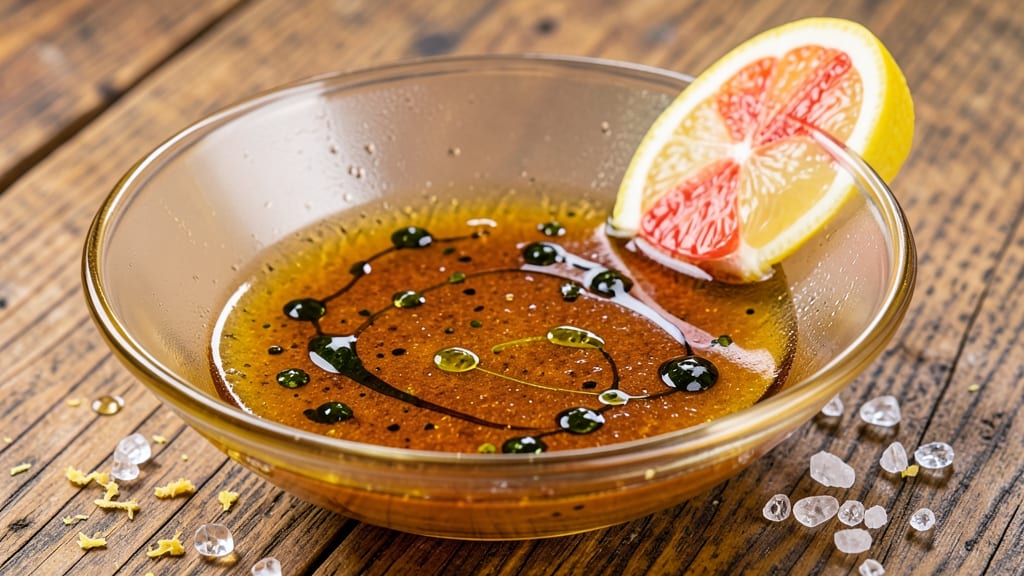
This white balsamic recipe transforms simple pantry staples into a sophisticated sauce that elevates pasta, salads, and grilled meats with its bright, tangy-sweet depth. The secret lies in a precise reduction of white balsamic vinegar and sugar, creating a glossy, versatile glaze that adds complexity without overpowering flavors.
I developed this recipe after years of experimenting with vinegar reductions—finally achieving the perfect balance of acidity and sweetness that professional chefs use.
The process is straightforward yet requires patience: simmering the vinegar and sugar until it thickens into a syrupy consistency that clings beautifully to food. Unlike traditional balsamic reductions, this version remains pale and delicate, making it ideal for lighter dishes where dark, aged flavors might compete.
The result is a sauce that enhances rather than dominates, with a finish that’s both sophisticated and approachable.
What you’ll end up with is a versatile condiment that can drizzle over fresh pasta, glaze roasted vegetables, or even enhance a simple charcuterie board. The reduction process takes about 20 minutes but requires minimal effort—just heat, stir, and reduce.
Once cooled, it keeps for weeks in the refrigerator, making it a perfect pantry staple for quick flavor upgrades.
Whether you’re dressing a summer salad or finishing a plate of grilled chicken, this white balsamic sauce delivers restaurant-quality depth with minimal ingredients. The key is control: don’t rush the reduction, and taste frequently to achieve the perfect balance. Let’s create this bright, tangy-sweet sauce that will transform your cooking.
Ingredients for white balsamic
Six simple pantry staples create a restaurant-worthy sauce that transforms ordinary dishes into elegant masterpieces.
| Ingredient | Amount | Notes |
|---|---|---|
| White Balsamic Vinegar 🍷 | 1 cup | High-quality, aged 6-12 months |
| Granulated Sugar 🍚 | ½ cup | White sugar for pale reduction |
| Water 💧 | ¼ cup | Distilled preferred for clarity |
| Fresh Lemon Juice 🍋 | 1 tbsp | Brightens the final reduction |
| Extra-Virgin Olive Oil 🫒 | 1 tbsp | Light finish, fruity variety |
| Diamond Crystal Kosher Salt 🧂 | ¼ tsp | Fine grain for delicate seasoning |
| Freshly Ground Black Pepper 🌶️ | ⅛ tsp | Freshly cracked for aroma |
The white balsamic vinegar is the heart of this sauce—look for aged 6-12 months at specialty stores like Whole Foods or Trader Joe's for the best quality. The sugar isn't just sweetness; it helps create that glossy, syrupy texture that clings perfectly to food. I always use Diamond Crystal kosher salt because it dissolves cleanly without graininess. For the lemon juice, fresh is non-negotiable—the bottled stuff lacks that bright zing. The olive oil should be fruity and light, like California Early Harvest, to complement rather than overpower the delicate reduction. If you're using store-brand vinegar, simmer it a few minutes longer to deepen the flavor.
No white balsamic vinegar? Substitute apple cider vinegar—it’ll give a slightly different profile but still work beautifully. Running out of sugar? Honey or agave at half the amount adds subtle floral notes. If you can’t find extra-virgin olive oil, avocado oil works in a pinch. The pepper is optional but adds a sophisticated finish—skip it if you prefer purely sweet-tangy. For a quicker version, reduce the vinegar and sugar first, then stir in the lemon juice and oil at the end. This sauce is incredibly forgiving—just taste as you go and adjust the balance of sweetness and acidity to your preference.
Store the finished reduction in a clean glass jar with a tight lid in the fridge for up to 3 weeks. It’ll keep getting better as the flavors meld! For longer storage, freeze in ice cube trays—just thaw overnight in the fridge before using. This sauce is magical on fresh pasta (try it with tagliatelle), drizzled over grilled asparagus, or even mixed into creamy dressings. A little goes a long way—start with 1 teaspoon per serving and adjust to taste. The reduction thickens as it cools, so don’t be tempted to over-reduce—trust the process!
Why You'll Love This Recipe
- Five-Ingredient Magic: I swear by this—just vinegar, sugar, water, lemon, and olive oil. No fancy gadgets, no stress. Simmer it down, and you’ve got a pantry staple that feels like a hug.
- Bright & Balanced: That first sip? Tangy, sweet, and bright—like a lemonade you’d actually drink. The white balsamic’s subtle depth pairs with the lemon’s zing, and the olive oil ties it all together without overpowering.
- Every Occasion Ready: Drizzle it on grilled fish, toss it in salads, or glaze roasted veggies. It’s my go-to for weeknight dinners and fancy-ish gatherings. (Yes, even on a Tuesday night.)
- Money-Saving Secret: A little goes a long way—this batch lasts me weeks. Plus, it’s cheaper than store-bought dressings, and I’ll never buy overpriced vinegar again. Budget win.
Step-by-step instructions for white balsamic reduction
Transform simple pantry staples into a luminous, tangy-sweet reduction that elevates any dish.
Combine Ingredients in a Saucepan
In a medium saucepan, pour in the 1 cup white balsamic vinegar, the 0.5 cup granulated sugar, and the 0.25 cup water. Stir with a wooden spoon until the sugar fully dissolves—this creates a smooth base for the reduction. The mixture should be completely clear with no graininess remaining.
Add the 1 tablespoon fresh lemon juice and 1 tablespoon extra-virgin olive oil. The lemon juice will brighten the final reduction, while the olive oil adds a subtle fruity finish that balances the acidity. Give it a final stir to distribute everything evenly before proceeding.
Simmer Until Thickened
Place the saucepan over medium-high heat and bring the mixture to a gentle boil. Once boiling, reduce the heat to medium-low and let it simmer uncovered for 15-20 minutes. You're looking for a syrupy consistency—when you run a finger through it, the liquid should coat your finger and leave a visible trail.
Here's the thing—don't walk away. The reduction needs constant attention. If it boils too vigorously, it'll splatter and reduce unevenly. You'll know it's ready when the mixture darkens slightly and becomes syrupy enough to coat the back of a spoon. The aroma will shift from vinegary to something more complex and caramel-like.
Finish with Seasoning
Remove the saucepan from heat and let it cool for 2-3 minutes. This brief rest prevents the delicate seasoning from scattering when you stir. Add the 0.25 teaspoon diamond crystal kosher salt and 0.125 teaspoon freshly ground black pepper, then stir gently to incorporate.
The salt enhances the depth of flavor, while the pepper adds a subtle warmth that cuts through the sweetness. Taste as you go—this is your final opportunity to adjust seasoning. If it needs more brightness, add a pinch of lemon zest. For extra richness, a drizzle of olive oil can be added later when serving.
Cool and Store Properly
Transfer the reduction to a clean glass jar or airtight container. Let it cool completely at room temperature before sealing—this prevents condensation from forming inside the container, which can dilute the flavor. The reduction will thicken further as it cools, so don't be alarmed if it appears slightly more viscous than when hot.
Store in the refrigerator for up to 2 weeks. When ready to use, gently reheat in a small saucepan over low heat, stirring occasionally, until warmed through. This reduction is incredibly versatile—drizzle over pasta, toss with grilled vegetables, or use as a glaze for roasted meats. The possibilities are endless, and every use will deliver that bright, tangy-sweet depth you've created.
Pro Tips For Making White Balsamic
- Simmer Slow and Steady: White balsamic needs time to marry with sugar—don’t rush it. A gentle simmer (just bubbles, not a rolling boil) for 15-20 minutes lets the flavors meld instead of turning bitter. I used to crank the heat and end up with something sharp and vinegary.
- Use Real Lemon, Not Bottled: Fresh lemon juice cuts through the sweetness better than bottled. If you’re short on time, squeeze the juice right before adding it—oxidation makes bottled juice taste dull. (Yes, even if you’re impatient like me.)
- Don’t Skimp on Oil: The olive oil is what makes this dressing luxurious, not just functional. Use at least ¼ cup—enough to coat everything and give it that silky finish. I learned this after making a batch that tasted like sugar and vinegar, nothing more.
- Strain for Smoothness: If you’re using a high-quality white balsamic, strain it through a fine-mesh sieve before reducing. It removes any sediment and makes the final product silky. (Does it look weird? Yes. Does it work? Every single time.)
Pro cooking tips for white balsamic
Heat Control Secrets
Use a medium-low heat setting after the initial boil to prevent splattering and ensure even reduction. I recommend using a heavy-bottomed saucepan—like a Le Creuset Dutch oven—to distribute heat evenly and avoid hot spots that can burn your sauce.
If you notice the mixture boiling too vigorously, immediately reduce the heat or remove the pan from the burner for 10-15 seconds to let it settle. 🌡️
Timing the Reduction
Start checking for doneness after 12 minutes of simmering. The reduction should coat the back of a spoon and leave a visible trail when you run your finger through it. If it’s not thick enough, continue simmering in 2-minute intervals, stirring occasionally to prevent sticking.
Over-reducing can create a bitter taste, so aim for a glossy, syrupy consistency rather than a hard caramel.
Stirring Technique
Use a wooden spoon to stir gently every 2-3 minutes—this prevents the sugar from caramelizing too quickly at the bottom. If you see any browned bits forming, immediately scrape them off with a spatula and stir them back into the mixture.
The goal is a smooth, pale reduction, not a dark, caramelized glaze. A silicon spatula works well for scraping stubborn bits from the sides.
Acidity Balance
Taste the reduction every 5 minutes during the last half of cooking. If it tastes too sharp, add a pinch of sugar (¼ teaspoon) to mellow the acidity. Conversely, if it’s too sweet, add ½ teaspoon lemon juice to brighten it.
The perfect balance should be tangy-sweet with a clean finish—like a well-made vinaigrette. Adjust gradually to avoid overcorrecting.
Finishing Touches
Let the reduction cool for 2-3 minutes before adding salt and pepper—this prevents the seasoning from scattering when you stir. For extra depth, add a pinch of vanilla bean paste (about ¼ teaspoon) or a few drops of orange blossom water (about ⅛ teaspoon) to infuse floral notes.
These additions elevate the sauce from simple to sophisticated without overpowering its bright character.
Equipment Upgrades
Invest in a candy thermometer for precision—aim for a reduction temperature between 230-240°F. A fine-mesh strainer also comes in handy if you prefer a completely smooth sauce, especially if using lower-quality vinegar.
For storage, use amber glass jars to protect the reduction from light, which can degrade its delicate flavors over time. 💡
Nutrition facts
Frequently asked questions about white balsamic reduction
Can I make this white balsamic sauce without sugar?
The sugar plays two crucial roles: it creates the syrupy texture and balances the acidity of the vinegar. For a sugar-free version, try ¼ cup honey or maple syrup instead—it'll add subtle floral notes while maintaining the reduction's glossy consistency. Just reduce the liquid slightly longer since honey has a lower water content.
How do I know when the reduction is done?
Look for three key signs: the mixture should coat the back of a spoon and leave a visible trail when you run your finger through it, the aroma should shift from vinegary to caramel-like, and it should take 15-20 minutes total simmering time. If it's not thick enough, continue simmering in 2-minute intervals—just don't let it boil too vigorously or it'll burn.
What are the best uses for this white balsamic glaze?
This delicate sauce shines on light dishes where you want to add depth without overpowering. Try drizzling it over fresh pasta (especially tagliatelle or linguine), glaze roasted vegetables like asparagus or Brussels sprouts, or use it as a finishing touch for grilled chicken or fish. It also works beautifully in creamy dressings or as a marinade base.
Why does my white balsamic reduction turn darker?
Over-reducing or using high heat causes the sugars to caramelize, creating a darker color. For a pale reduction, maintain medium-low heat after the initial boil and stir frequently. If you see browned bits forming, immediately scrape them off and stir back into the mixture. The goal is a glossy, pale glaze—not a dark syrup.
Can I make this recipe in a slow cooker?
Yes, but with adjustments! Combine all ingredients in your slow cooker and cook on low for 3-4 hours, stirring occasionally. The low heat prevents splattering but extends the cooking time significantly. You'll need to reduce the water slightly (use ¼ cup instead of ⅓ cup) since slow cooking evaporates less liquid. Check for doneness by testing the consistency as described above.