
Main Courses
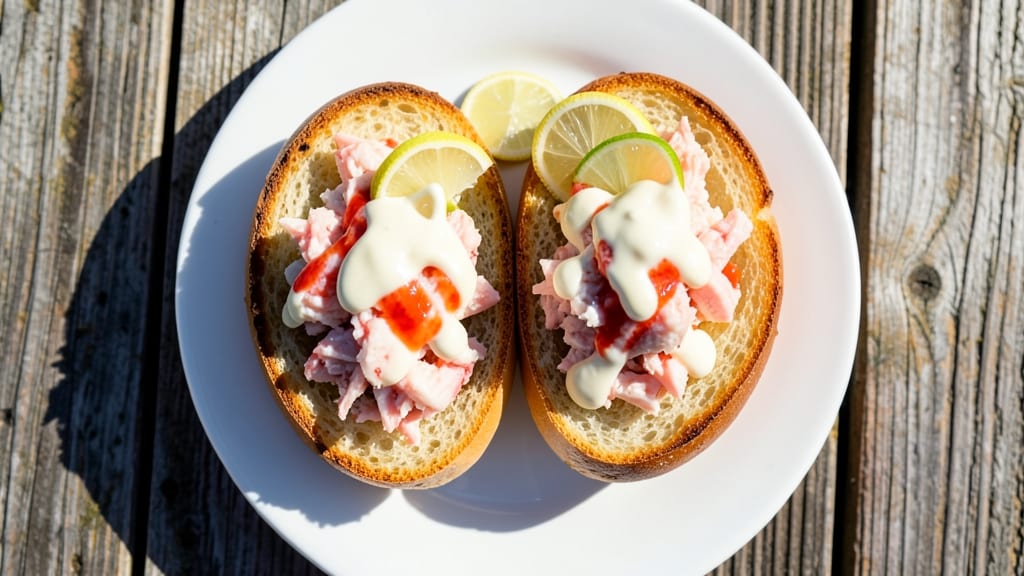
This traditional Maine lobster roll recipe captures the essence of coastal New England in every bite—tender sweet lobster meat, buttery brioche buns, and a bright lemon-mayo dressing that balances richness perfectly.
The key to authenticity lies in using fresh, sweet lobster meat and a proper lobster roll bun, neither of which can be substituted without compromising the dish's integrity.
I've spent years perfecting this recipe, and the difference between a good lobster roll and a great one comes down to technique and quality ingredients.
The process begins with properly cooking the lobster—steamed just until the meat pulls away from the shell easily, ensuring it stays tender and sweet.
The meat is then carefully chopped and mixed with a simple yet essential dressing of mayonnaise, butter, and lemon juice, creating a creamy, tangy base that complements the lobster's natural sweetness.
The brioche buns are toasted lightly to add texture, preventing them from becoming soggy under the weight of the filling.
What you'll end up with is a lobster roll that's crisp on the edges, rich in flavor, and perfectly balanced—sweet lobster, buttery bun, and a zesty dressing that cuts through the richness.
This is the kind of dish that transports you to a seaside lobster shack in Maine, where the air smells of saltwater and the lobster is so fresh it practically melts in your mouth.
The result is a meal that feels both indulgent and refined, worthy of any special occasion or summer gathering.
While traditional lobster rolls are served cold, some coastal regions prefer them warm, with the lobster meat gently heated in butter and served on toasted buns.
Whether you choose the classic cold version or the warm variation, the principles remain the same: fresh lobster, quality ingredients, and a respect for the dish's heritage. Let's get started on creating your own taste of Maine.
Ingredients for traditional maine lobster roll
Fresh lobster, buttery brioche, and zesty lemon-mayo—just the essentials for authentic Maine flavor.
| Ingredient | Amount | Notes |
|---|---|---|
| Live Maine Lobster 🦞 | 1 ½ lb | Fresh, sweet, and whole (about 2 medium lobsters) |
| Brioche Lobster Roll Buns 🥖 | 4 whole | Store-bought or homemade, lightly toasted |
| Mayonnaise 🥛 | ½ cup | High-quality, like Duke's or Hellmann's |
| Unsalted Butter 🧈 | 4 tbsp | Cold, cut into small cubes |
| Fresh Lemon Juice 🍋 | 2 tbsp | From 1 large lemon, freshly squeezed |
| Kosher Salt 🧂 | ½ tsp | For seasoning lobster meat |
| Black Pepper 🌶️ | ¼ tsp | Freshly cracked, for subtle heat |
| Fresh Chives 🌿 | 2 tbsp | Finely chopped, for garnish |
| Lemon Wedges 🍋 | 4 whole | For serving, extra tang |
| Butter Lettuce Leaves 🥬 | 4 whole | For wrapping, optional |
| Ice ❄️ | 2 cups | For keeping lobster fresh |
| Lemon Zest 🍋 | 1 tsp | For extra brightness |
The lobster is non-negotiable for authenticity. Opt for live Maine lobsters from a trusted seafood market—look for vibrant, bright blue-green shells and firm tails. If you can't find live ones, freshly frozen is acceptable, but thaw them overnight in the fridge, never at room temperature. Whole Foods or local seafood purveyors often carry the best quality. Avoid pre-cooked or canned lobster—it lacks the delicate sweetness that defines this dish. For the brioche buns, Trader Joe's or bakeries offer the best pre-made options, but if you're ambitious, homemade brioche with a touch of sugar and butter is ideal. The key is a light toast—just until golden—to lock in moisture without overpowering the lobster.
No live lobster? Pre-cooked frozen lobster meat works in a pinch, but it won’t taste the same. For the mayo dressing, Duke’s or Hellmann’s are the gold standards, but if you’re making it from scratch, use high-quality olive oil and a touch of Dijon mustard for depth. The butter should be cold and cubed—this creates pockets of richness in the dressing. Fresh lemon juice is a must; bottled won’t cut it. If you’re feeling adventurous, swap the chives for tarragon or parsley for a different coastal twist. The lettuce leaves are optional but add a crisp contrast—butter lettuce or romaine work best. Pro tip: Zest the lemon before juicing—it adds a bright, aromatic layer that elevates the whole dish.
Lobster meat keeps best 1-2 days in the fridge if stored properly—place it in a sealed container with a lemon wedge and ice to preserve freshness. The dressing can be made a day ahead and stored in the fridge, but fold in the lobster meat just before serving to keep it tender. Brioche buns stay fresh for 2-3 days if wrapped tightly in plastic, but toast them fresh before serving. For leftovers, reheat gently in a skillet with a pat of butter—never microwave, or the texture suffers. This dish is best enjoyed immediately, but if you must store it, keep the lobster and dressing separate until ready to assemble.
Why You'll Love This Recipe
- No Fuss, Big Payoff: I swear, the hardest part is cracking the shells—once that’s done, it’s just butter, lemon, and a gentle hand. No chopping, no blending, no waiting for sauces to thicken. Just lobster, toasted brioche, and 10 minutes of your life.
- Butter, Lemon, Magic: That first bite of warm lobster meat with melted butter pooling around it? Honestly, it’s like the ocean and a bakery had a baby. The lemon cuts through the richness, and the brioche soaks up every last drop—no dry bites here.
- Weekend Picnic Ready: Between us, this is my go-to for beach days, tailgates, or when my brother-in-law “forgets” to RSVP. Wrap it in foil, toss it in a cooler, and you’ve got a showstopper that doesn’t need a fancy plate. (Yes, even on a Tuesday night.)
Step-by-step instructions for traditional Maine lobster rolls
Here's the authentic method for buttery buns stuffed with sweet, tender lobster meat.
Prepare the Lobster
Fill a large bowl with the 2 cups ice and place the 1.5 lb live Maine lobster in it. This keeps the meat fresh and cold while you work. Using kitchen shears or a chef's knife, carefully cut through the shell from the underside to expose the tail meat. The lobster should be alive when you start—this ensures the sweetest, most tender meat.
Twist the tail to remove it from the shell, then use a small knife to cut along the top of the shell to access the claw meat. Remove the claws and break them open to extract the meat, being careful to avoid the hard cartilage. Place all the meat in a bowl and set aside. Discard the shell pieces—you won't need them for this traditional preparation.
Season and Chill the Lobster Meat
In a separate bowl, combine the lobster meat with the 0.5 cup mayonnaise, 2 tbsp fresh lemon juice, 1 tsp lemon zest, 0.5 tsp kosher salt, and 0.25 tsp black pepper. Use a fork to gently mix everything together—you want to coat the meat evenly without tearing it. The lemon juice and zest brighten the natural sweetness of the lobster while the mayonnaise keeps it moist.
Cover the bowl and refrigerate the mixture for at least 30 minutes. This chilling step allows the flavors to meld together and the mayonnaise to fully absorb into the meat. The texture will be firm and ready for the buns, ensuring clean slices when you assemble the rolls later.
Toast the Brioche Buns
Preheat your oven to 375°F. Lightly butter the outside of the 4 whole brioche lobster roll buns with 1 tbsp of the 4 tbsp unsalted butter, focusing on the cut sides. Place them on a baking sheet and toast for 5-7 minutes until they're golden brown and slightly crisp. The brioche should be warm but not hard—this creates the perfect texture for holding the lobster filling.
While the buns toast, melt the remaining 3 tbsp unsalted butter in a small saucepan over low heat. Keep it warm for spreading later—this adds extra richness to the rolls. The buttery aroma will fill your kitchen, signaling that your lobster rolls are almost ready to assemble.
Assemble the Lobster Rolls
Slice each toasted brioche bun lengthwise, creating two equal halves. Spread the warm melted butter evenly between the halves. Using a spoon, carefully fill each bun half with the chilled lobster mixture, pressing gently to help it hold its shape. The mayonnaise mixture should be cool enough to stay put without melting immediately.
Garnish each roll with 0.5 tbsp of the 2 tbsp finely chopped fresh chives and a lemon wedge. For an elegant presentation, wrap each roll in a butter lettuce leaf. The lettuce adds a delicate crunch and keeps the rolls from getting soggy if you're serving them outdoors. Arrange the rolls on a platter with the lemon wedges on the side for squeezing.
Serve Immediately
Serve the lobster rolls immediately while the brioche is still warm and the filling is cool. The contrast of temperatures creates the perfect bite—crispy, buttery bun with sweet, chilled lobster. Each roll should be generously stuffed without spilling, with the chives adding a fresh herbal note that complements the rich flavors.
For a true Maine experience, serve with tartar sauce on the side and a crisp green salad. The traditional method keeps the preparation simple but delivers maximum flavor—just like you'd find at a classic seaside lobster shack.
Pro Tips For Making Traditional Maine Lobster Roll
- Boil Lobster Fast: Drop live lobsters into salted boiling water—no need to wait for a rolling boil. I used to waste 10 minutes heating water to 212°F; now I just toss them in at 180°F with a big pinch of salt and cover the pot. They’ll cook just as fast, and the meat stays sweeter.
- Chill Lobster Meat: Shock the cooked lobster in ice water immediately to stop cooking, then refrigerate for at least 30 minutes before chopping. I learned this the hard way—warm meat turns mushy when you slice it, and no one wants a soggy lobster roll.
- Toast Buns Low: Butter brioche buns lightly and toast them in a 300°F oven for 5–7 minutes—just until golden, not crispy. Over-toasting dries them out, and you want that soft, buttery base to hold the filling without falling apart.
- Lemon Last: Mix lemon juice into the mayo after adding chopped lobster—otherwise, the acid starts breaking down the meat while you prep. A splash (about 1 tablespoon per cup of mayo) brightens the flavor without curdling the sauce.
Wine and beer pairings for this recipe
Crisp Coastal Whites
For a classic Maine lobster roll, a dry, mineral-driven white wine cuts through the richness beautifully. I recommend a chilled Sauvignon Blanc from New Zealand—its bright citrus and herbal notes mirror the lemon in the dressing.
The Cloudy Bay or Kim Crawford varieties are my go-tos, served at 45-48°F to enhance their crisp acidity. 🍷
Crisp Lager Pairings
A crisp, clean lager is the perfect beer match, balancing the lobster's sweetness with refreshing carbonation. Newcastle Brown Ale or Corona work wonders—their light malt profiles won’t overpower the dish.
For a local twist, try a Maine-brewed IPA like Allagash White—the citrusy hops complement the lemon in the dressing while adding a subtle hoppy bite. 🍺
Light Rosé for Warm Rolls
If you're serving the warm lobster roll variation, a dry rosé with its delicate red fruit notes and crisp finish elevates the dish. Look for a Provence-style rosé like Whispering Angel or Château d'Esclans.
The pale hue and subtle berry flavors won’t compete with the lobster but instead enhance its natural sweetness. Serve it well-chilled at 48-50°F.
Non-Alcoholic Options
For a refreshing non-alcoholic pairing, sparkling lemonade with a splash of tonic water mimics the wine’s brightness. Add a few fresh mint leaves and a lemon twist for an elegant touch. Alternatively, a cucumber-mint infused water with a pinch of sea salt evokes the coastal vibe without alcohol. ✨
Regional Beer Specialties
In Maine, local craft beers are a must. Try Bissell Brothers Brewing’s "Maine Pale Ale"—its malty sweetness and caramel notes harmonize with the lobster’s richness. For a lighter option, Allagash Brewing’s "Curieux" (a Belgian-style witbier) brings citrusy coriander and peppery spice that pairs beautifully with the lemon-mayo dressing.
Support local brewers when you can! 🍻
Wine Service Tips
Serve white wine in chilled 10-12 oz glasses to preserve its crispness. For beer, use pint glasses and pour at 40-45°F to maintain carbonation. I like to open the wine 10-15 minutes before serving to let it breathe—just enough to soften its edges without losing its vibrancy.
Always offer lemon wedges on the side for guests to squeeze into their drinks. 💡
Nutrition facts
Frequently asked questions
What's the difference between a hot and cold lobster roll?
Cold lobster rolls are the traditional Maine style—chilled lobster meat in a buttery bun, served immediately. Hot lobster rolls (common in Connecticut) use warmed lobster meat mixed with butter and served on toasted buns. The cold version highlights the lobster's natural sweetness, while the hot version adds richness from melted butter.
Can I substitute frozen lobster meat?
You can use frozen lobster meat in a pinch, but fresh live lobster is ideal for authenticity. Thaw frozen meat overnight in the fridge, then drain well before mixing with mayo. The texture won't be as tender as fresh, but it still works for a quick version. For best results, choose "sweet lobster" labeled specifically for rolls.
Why does my lobster roll filling get watery?
Watery filling usually means over-mixed lobster meat or using pre-cooked lobster that's too soft. Always chop the meat coarsely, mix gently with mayo, and chill for 30 minutes before assembling. For extra firmness, add 1 tbsp cornstarch to the mayo mixture. The chilling step is crucial for texture!
What's the best way to toast brioche buns?
Toast brioche buns at 375°F for 5-7 minutes until golden brown, focusing on the cut sides. Brush with melted butter immediately after topping. For extra crispiness, broil for 1-2 minutes at the end. The key is a light toast—just enough to crisp without drying out.
How far ahead can I prepare the filling?
Prepare the lobster filling 1 day ahead and store it covered in the fridge. Keep the dressing and lobster meat separate until ready to assemble—this prevents sogginess. The buns should be toasted fresh before serving. For best flavor, assemble the rolls just before eating.