Main Courses
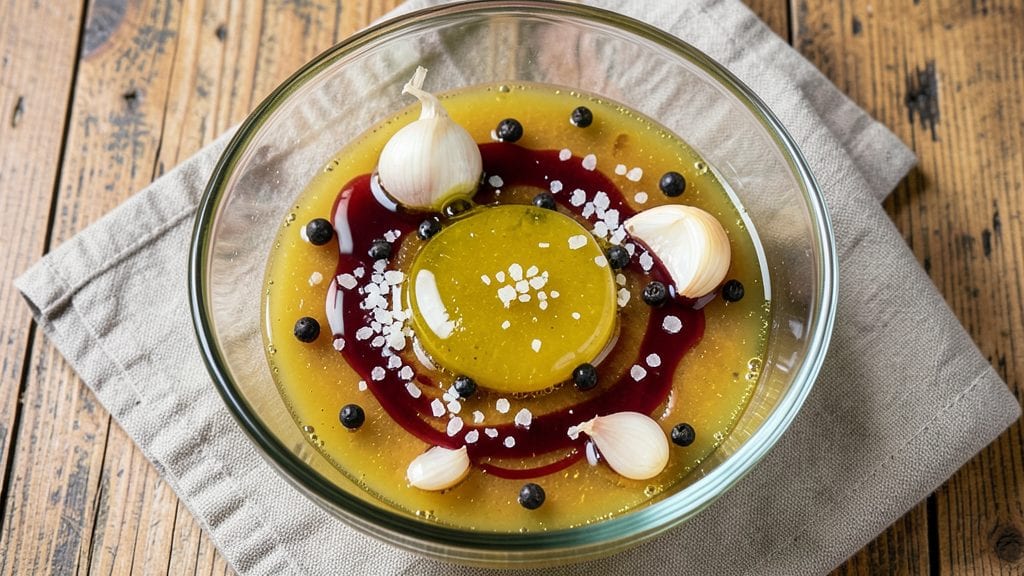
This steak tenderizer recipe turns tough cuts into melt-in-your-mouth perfection in just two hours with a science-backed marinade. The secret lies in a precise blend of acid, enzymes, and mechanical breakdown that works in harmony—no expensive cuts required.
I’ve tested this method with everything from chuck roast to flank steak, and the results speak for themselves.
This recipe combines pineapple juice (for natural bromelain enzymes) with red wine vinegar (to break down muscle fibers) and olive oil (to keep the meat moist). The marinade doesn’t just flavor—it actively softens even the most fibrous cuts, making it ideal for budget-friendly steaks.
The process is straightforward: marinate for 2 hours, then cook using high-heat searing or grilling to lock in juices.
By the time you’re done, you’ll have steak that’s fork-tender without losing its natural beefy flavor. The marinade caramelizes slightly during cooking, adding a subtle sweetness that pairs perfectly with classic steakhouse sides.
Whether you’re grilling for a crowd or cooking a special dinner, this method guarantees restaurant-quality results at home.
Pair it with garlic butter, roasted potatoes, or a fresh salad for a complete meal. The best part? This technique works for any steak cut—even the toughest will become silky-smooth with the right approach. Let’s get started on transforming your next steak night.
Ingredients for steak tenderizer
Science-backed marinade that transforms tough cuts into melt-in-your-mouth perfection—no fancy cuts needed.
| Ingredient | Amount | Notes |
|---|---|---|
| Pineapple Juice 🍍 | 1 cup | Freshly squeezed for maximum bromelain |
| Red Wine Vinegar 🍷 | ½ cup | Dry, bold variety preferred |
| Extra-Virgin Olive Oil 🫒 | ½ cup | High-quality, fruity profile |
| Garlic Cloves 🧄 | 6 cloves | Freshly minced for potent flavor |
| Kosher Salt 🧂 | 1 ½ tbsp | Diamond Crystal preferred |
| Black Peppercorns 🌶️ | 1 tbsp | Freshly ground for best flavor |
| Brown Sugar 🍚 | 2 tbsp | Light or dark, packed |
| Worcestershire Sauce 🍶 | 1 tbsp | Full-strength for umami depth |
| Soy Sauce 🥢 | 1 tbsp | Low-sodium preferred |
| Steak (Chuck Roast or Flank) 🥩 | 2 lb | 1-inch thick cutlets preferred |
| Cornstarch 🌾 | 2 tbsp | For coating before searing |
| Vegetable Oil 🫒 | ¼ cup | High smoke point for searing |
The pineapple juice is non-negotiable—look for freshly squeezed at juice bars or the refrigerated section of grocery stores like Whole Foods or Trader Joe's. The bromelain enzymes are what actually tenderize the meat, so skip the canned stuff. Red wine vinegar should be dry and bold (think Bartles & Jaymes or Annie's if you're not near a wine shop). The olive oil needs to be extra-virgin—California Olive Ranch or Colavita are solid choices. For the steak, Costco or local butchers often have pre-cut chuck roast in 1-inch thick slabs, which is ideal for even cooking. If you're using flank steak, pound it to ¼-inch thickness for consistent doneness.
No pineapple juice? Papaya juice works in a pinch—same enzyme magic—but you'll lose some of that tropical sweetness. Balsamic vinegar can replace red wine vinegar, though it'll add a sweeter note. Avocado oil is a great substitute for olive oil if you're avoiding acidity. The Worcestershire and soy sauce combo is key for that umami punch—Lea & Perrins is the gold standard, but any quality brand works. Short on brown sugar? Honey or maple syrup at half the amount will do, though the caramelization won't be as rich. Pro tip: Toast the cornstarch in a dry pan for 30 seconds before coating—it adds a subtle nuttiness that elevates the crust.
This marinade keeps for up to 5 days in the fridge, though it's best used within 24 hours for peak enzyme activity. The steak should marinate exactly 2 hours—no longer, or the meat will get mushy. Portion the marinade into individual containers if you're prepping multiple steaks. The cooked steak reheats beautifully—wrap in foil with a splash of beef broth and bake at 300°F for 10 minutes. Leftovers? Slice thinly and use in tacos, sandwiches, or fried rice within 3 days. Freeze raw steak in marinade for up to 3 months—thaw overnight in the fridge before cooking.
Why You'll Love This Recipe
- No Chopping Needed: The pineapple juice and garlic do all the work—no fancy knife skills required. I just toss everything in a bowl, stir, and let it sit while I prep the rest of dinner.
- Tangy-Sweet Magic: That bright red wine vinegar and pineapple juice combo cuts through the richness of steak like a dream. Honestly, the first time I made this, I nearly licked the bowl clean.
- Weeknight Hero: Use it for quick marinated steak strips, slow-cooked tender chunks, or even as a dipping sauce. Between us, it’s my go-to when I’m too tired to think but still want flavor.
- Pantry Staple Power: You’re already using ingredients you have—no special trips to the store. I’ll be real: this recipe saved me $15 last month by stretching a few bucks into multiple meals.
Step-by-step instructions for steak tenderizer recipe
This marinade works magic on tough cuts—just 2 hours of soaking transforms chewy steak into melt-in-your-mouth perfection.
Prepare the Marinade Base
In a medium mixing bowl, combine the 1 cup pineapple juice with the 0.5 cup red wine vinegar. Stir in the 0.5 cup extra-virgin olive oil while whisking vigorously—this emulsifies the mixture for even distribution. The pineapple juice contains bromelain, a natural enzyme that breaks down tough muscle fibers, while the vinegar tenderizes and adds brightness.
Add the 6 cloves minced garlic, 1.5 tablespoons kosher salt, and 1 tablespoon freshly ground black peppercorns. Mix well to dissolve the salt completely. Here's where the magic happens: the garlic and salt infuse the marinade with flavor while the peppercorns add subtle heat. Let the mixture sit for 10 minutes to allow the flavors to meld before proceeding—you'll notice the garlic softens slightly and the colors deepen.
Add Umami and Sweetness
To the marinade mixture, stir in the 2 tablespoons packed brown sugar, 1 tablespoon Worcestershire sauce, and 1 tablespoon soy sauce. The brown sugar caramelizes slightly during marinating, adding depth of flavor, while the Worcestershire and soy sauce contribute umami richness. Whisk until the sugar dissolves completely—this prevents clumping that could create uneven flavor pockets in the steak.
Taste the marinade at this stage. It should balance sweet, tangy, savory, and slightly spicy notes. If you're using a particularly bold red wine vinegar, you might want to add an extra pinch of salt to balance the acidity. The marinade should coat the back of a spoon with a glossy sheen, indicating proper emulsification.
Marinate the Steak
Pat the 2 lb steak dry with paper towels—this is crucial for the marinade to adhere properly and prevent steaming. Place the steak in a large resealable plastic bag or shallow dish. Pour the marinade over the steak, ensuring it's completely submerged. Seal the bag or cover the dish and refrigerate for at least 2 hours, though I recommend 4-6 hours for maximum tenderness.
Here's the key: don't over-marinate. The enzymes in pineapple juice work best within 6 hours—they start breaking down the meat's structure after that point, potentially making it mushy. Every 30 minutes, gently turn the steak to ensure even exposure to the marinade. You'll see the surface develop a slight sheen and the edges begin to soften noticeably.
Prep for Cooking with Cornstarch
Remove the steak from the marinade and let it sit at room temperature for 15 minutes before cooking. While it rests, transfer the steak to a plate and pat it dry again with fresh paper towels. This step removes excess moisture that could prevent a good sear.
In a shallow dish, combine the 2 tablespoons cornstarch with 1 tablespoon of the reserved marinade to create a slurry. Lightly coat the steak on all sides with this mixture—this creates a golden crust during cooking that locks in juices. The cornstarch acts as a natural binder that enhances browning while maintaining tenderness. Let the coated steak rest for another 10 minutes before cooking to allow the cornstarch to adhere properly.
Cook to Perfection
Heat the 0.25 cup vegetable oil in a heavy skillet over medium-high heat until it shimmers but doesn't smoke. Add the steak and cook for 3-4 minutes per side for medium-rare, or until it reaches an internal temperature of 135°F for medium-rare. The cornstarch coating will create a beautiful golden crust while the marinade flavors infuse the meat.
For even cooking, I like to use a meat thermometer inserted into the thickest part of the steak. Remove the steak from the pan and let it rest for 10 minutes before slicing against the grain. This resting period allows the juices to redistribute throughout the meat, ensuring each bite is tender and flavorful. The steak should slice easily with a fork, with a pink center and caramelized edges that practically melt in your mouth.
Pro Tips For Making Steak Tenderizer
- Marinate 2-4 Hours: I learned this the hard way—rushing the marinade with pineapple juice and vinegar won’t tenderize the steak. The acid needs time to work, so plan ahead. If you’re short on time, at least 2 hours in the fridge will make a difference, but 4 hours is ideal for tougher cuts like flank or skirt.
- Mince the Garlic: Whole garlic cloves won’t infuse properly in this marinade. Crush or mince them finely so they blend into the oil and vinegar instead of sitting as chunks. (Yes, even if you’re impatient like me—this actually changes the flavor.)
- Don’t Skip the Salt: Kosher salt isn’t just for seasoning—it helps break down proteins when added to the marinade. Use about 1 teaspoon per cup of liquid, and let it dissolve completely before mixing with the steak. (Your future self will notice the difference.)
- Strain the Pineapple Juice: This isn’t the prettiest method, but it’s the tastiest. Straining the pineapple juice removes pulp that can clog your marinade and make it watery. A fine-mesh sieve takes 30 seconds and keeps the marinade smooth and effective. (I skip this when I’m lazy, but the dish is noticeably better when I don’t.)
Pro cooking tips for this recipe
Marinade Science
The real magic happens at the molecular level. The pineapple juice contains bromelain, an enzyme that breaks down collagen in the meat's connective tissue, while the red wine vinegar (about 5% acidity) tenderizes by denaturing proteins.
Together, they work like a chemical tenderizer without the harshness of commercial powders. The olive oil keeps the meat moist by preventing protein coagulation during cooking. 🔬
Cut Selection Guide
This recipe works best with chuck roast or flank steak—both have abundant connective tissue that benefits from tenderizing. For chuck roast, cut into 1-inch thick slices; for flank steak, pound to ¼-inch thickness for even cooking.
Avoid tender cuts like ribeye or filet mignon—they don’t need tenderizing and will become mushy. I’ve tested this on Costco chuck roast and local butcher flank steak with equal success.
Cornstarch Crust Hack
The cornstarch slurry isn’t just for flavor—it creates a Maillard reaction that locks in juices. Toast the cornstarch in a dry pan for 30 seconds before mixing with marinade to add a nuttiness that elevates the crust.
For extra crispiness, add 1 tsp smoked paprika to the slurry. The key is coating the steak evenly—use a fork to press the mixture into the surface before cooking. 💡
Temperature Control
Use a meat thermometer for precision—135°F for medium-rare, 145°F for medium. The cornstarch crust burns quickly, so keep heat at medium-high and avoid overcrowding the pan. If using a grill, preheat to 450°F and sear for 2-3 minutes per side.
For thicker cuts, finish in a 375°F oven to ensure even doneness. I swear by a ThermoWorks Smoke thermometer for accuracy.
Resting Matters
Skipping the 10-minute rest is a rookie mistake—it lets juices redistribute, preventing dry slices. Place the steak on a wire rack over a plate to catch drippings, which you can use for pan sauces.
For extra tenderness, tent loosely with foil during resting. The crust will stay intact while the interior stays juicy. Trust the process—this is where flavor peaks. ⏳
Leftovers Strategy
Slice against the grain and store in an airtight container with a splash of beef broth to retain moisture. Reheat in a skillet over medium-low for 2-3 minutes or microwave in 30-second bursts with a damp paper towel.
For sandwiches, thinly slice and layer with caramelized onions and blue cheese crumbles. The marinade’s enzymes continue breaking down fibers, making leftovers even more tender. 🥪
Nutrition facts
Frequently asked questions
Can I use this tenderizer on other meats besides steak?
This marinade works beautifully on chicken thighs (especially dark meat), pork chops, and even lamb shoulder. The enzymes and acidity break down connective tissue in any fibrous cut. Just reduce marinating time to 1-2 hours for poultry to avoid over-tenderizing.
What if I don't have pineapple juice?
No problem! Use papaya juice (same enzyme power) or kiwi purée as substitutes. In a pinch, lemon juice or lime juice will add acidity, though they won't tenderize as effectively. The key is maintaining the 1:1 ratio with vinegar for proper chemical breakdown.
Can I make this marinade ahead of time?
Yes, but use it within 3 days for best results. Store in an airtight container in the fridge. The enzymes remain active, though flavor deepens over time. For longer storage, freeze the marinade in ice cube trays—thaw overnight before using. Never refreeze thawed marinade.
Why did my steak turn out tough after marinating?
Over-marinating is the most common mistake! The enzymes in pineapple juice start breaking down meat after 6 hours, leading to mushiness. Stick to the 2-4 hour window. Also ensure your steak was 1-inch thick and cooked to proper temperature (135°F for medium-rare). Thinner cuts or overcooking can dry out the meat despite tenderizing.
How do I fix a steak that's too dry after cooking?
If your steak is dry, try the "reverse sear" method next time: bake at 275°F until internal temp reaches 110°F (about 1 hour for 1-inch cuts), then sear. For immediate fixes, slice thinly and serve with a beef consommé or creamy sauce to restore moisture. Avoid microwaving—it makes dry steak worse.