Main Courses
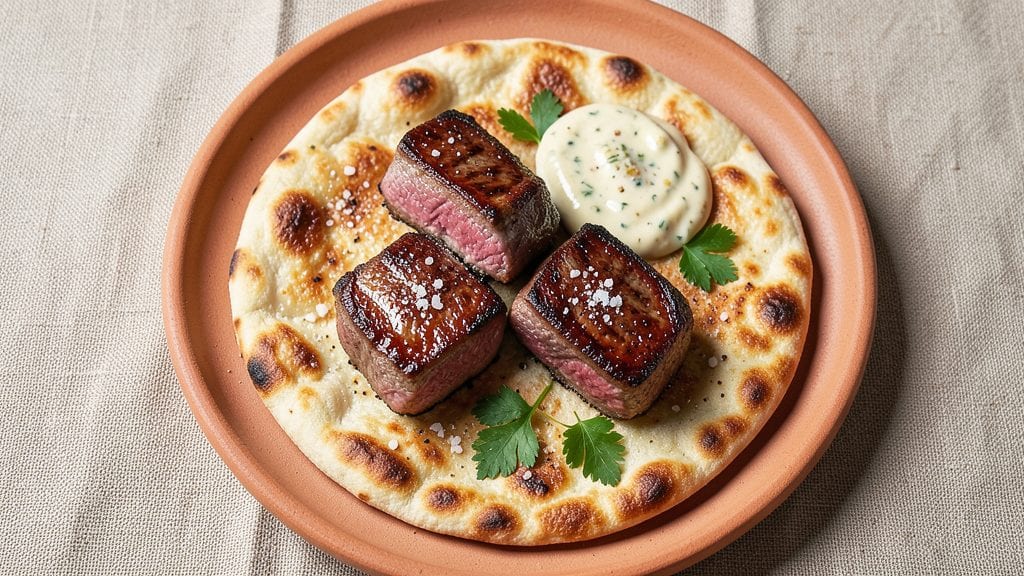
This steak flatbread recipe delivers the perfect balance of juicy steak bites and flaky dough, creating a handheld meal that’s both satisfying and elegant. The secret lies in searing the steak to medium-rare perfection before wrapping it in warm, pillowy flatbread—store-bought or homemade—so every bite is tender and flavorful.
I’ve tested this recipe countless times, and the difference between a good flatbread and a great one comes down to precise steak seasoning and dough assembly.
The process starts with a simple yet effective steak seasoning blend—coarse salt, black pepper, and garlic powder—that enhances the natural richness of the meat.
While the steak rests, you’ll assemble the flatbread by spreading a thin layer of garlic aioli or chimichurri, adding the sliced steak, and folding it into neat, bite-sized parcels. The dough stays soft and pliable, making it easy to shape without tearing, even for beginners.
What you’ll end up with is a dish that’s hearty enough to stand alone but versatile enough to pair with grilled vegetables or a fresh salad. The steak remains juicy and flavorful, while the flatbread provides the perfect flaky contrast—each bite is a harmony of textures and tastes.
This recipe is ideal for weeknight dinners, game day spreads, or even a quick lunch when you’re craving something hearty but don’t want to spend hours in the kitchen.
For extra flair, brush the assembled flatbreads with melted butter before serving—it adds a golden finish and extra richness. The key is keeping everything warm until you’re ready to eat, so the steak stays tender and the dough remains soft.
Let’s get started on this foolproof, restaurant-worthy dish that’s sure to impress.
Ingredients for steak flatbread
Juicy steak bites wrapped in flaky dough—just these 13 ingredients make it happen.
| Ingredient | Amount | Notes |
|---|---|---|
| Flatbread Dough 🍞 | 1 package | Store-bought or homemade, room temperature |
| Ribeye Steak 🥩 | 1 lb | 1-inch thick cutlets, trimmed of fat |
| Coarse Kosher Salt 🧂 | 1 ½ tbsp | Diamond Crystal preferred for texture |
| Freshly Ground Black Pepper 🌶️ | 1 tsp | Cracked peppercorns preferred |
| Garlic Powder 🧄 | 1 tsp | Freshly ground for best flavor |
| Garlic Aioli 🍋 | ¼ cup | Store-bought or homemade, room temperature |
| Unsalted Butter 🧈 | 2 tbsp | Melted for brushing, full-fat preferred |
| Fresh Rosemary 🌿 | ¼ cup | Finely chopped, for garnish |
| Fresh Arugula 🌱 | ½ cup | Baby leaves for serving |
| Extra-Virgin Olive Oil 🫒 | 1 tbsp | For searing steak, high-quality preferred |
| Red Wine Vinegar 🍷 | 1 tbsp | For optional chimichurri substitute |
| Red Bell Pepper 🌶️ | ½ cup | Diced, for optional serving side |
| Lemon Wedges 🍋 | 2 whole | For serving, fresh preferred |
The steak is everything here. Ribeye stays tender and flavorful when sliced thick, but sirloin works too if you prefer leaner bites. Look for cuts with good marbling—Whole Foods or your local butcher will have the best quality. Trim excess fat before seasoning, but leave a thin layer for flavor. The dough? Store-bought naan or lavash saves time, but homemade pizza dough (rolled thin) gives that professional flakiness. If using homemade, let it rest 30 minutes before shaping to prevent tearing.
No garlic aioli? Mix 2 tbsp mayonnaise, 1 tsp lemon juice, and 1 tsp minced garlic for a quick substitute. Short on rosemary? Fresh thyme or parsley works just as well—just chop it finely. For the chimichurri swap, blend 0.25 cup olive oil, 2 tbsp red wine vinegar, 2 garlic cloves, and 0.25 cup parsley. The red bell pepper side can be swapped for grilled zucchini or cherry tomatoes if you're short on time. And that melted butter? Use European-style butter if you can find it—the higher fat content makes all the difference for that golden finish.
Steak stays best 2 days in the fridge, but flatbread dough should be used within 1 day of purchase. Prep the aioli and chop garnishes ahead—they keep for 3 days in the fridge. For make-ahead flatbreads, assemble them, wrap in plastic, and refrigerate up to 24 hours. Reheat in a 350°F oven for 5-7 minutes until warm and crisp. The steak reheats best in a skillet over medium heat for 2-3 minutes—just until warmed through, no more.
Why You'll Love This Recipe
- No-Knead Magic: I swear by that pre-made flatbread dough—no rolling, no fuss, just stretch and slap onto the pan. The ribeye sears in minutes while the dough puffs up like a dream, and honestly? That’s half the battle won before you even taste it.
- Salty-Smoky Crunch: That ribeye—coarse salt cracked right on top—develops this insane crust while staying juicy inside. The garlic powder? A little goes a long way, but it’s the secret that makes every bite feel like a hug. (Yes, even on a Tuesday night.)
- Lunchbox Hero: Between us, this is my go-to for meal prep. Slice the flatbread, wrap it around leftover steak strips, and boom—you’ve got a portable, no-reheating lunch. My kids fight over these, and I’ve never had to explain why they’re “just dinner.”
- Budget Steak Night: Ribeye doesn’t have to break the bank. A single steak stretched over two flatbreads feeds four, and the leftovers? Even better cold the next day. I’ll be real: it’s my way to eat fancy without the fancy price tag.
Step-by-step instructions for steak flatbread wraps
Here's how to create perfectly flaky dough cradling tender steak bites every time.
Prepare the Ribeye Cutlets
Pat the 1 lb ribeye steak dry with paper towels, then slice it into 4 equal 1-inch thick cutlets. Trim any excess fat but leave a thin layer to keep the meat moist during cooking. Season both sides generously with 1.5 tbsp coarse kosher salt and 1 tsp freshly ground black pepper, pressing the seasoning into the meat so it adheres well.
Heat 1 tbsp extra-virgin olive oil in a heavy skillet over medium-high heat until shimmering. Add the steak cutlets and cook for exactly 3 minutes per side for medium-rare doneness. You'll know they're ready when they develop a deep golden crust and reach an internal temperature of 130°F. Transfer to a plate and tent loosely with foil to keep warm while you work with the dough.
Assemble the Flatbread Dough
Remove the 1 package flatbread dough from the refrigerator and let it sit at room temperature for 10 minutes to soften slightly. On a lightly floured surface, roll out each dough piece into a 6-inch round using a rolling pin. Keep them covered with a clean kitchen towel to prevent drying. The dough should be about ⅛-inch thick for perfect flakiness.
While the dough rests, melt the 2 tbsp unsalted butter in a small saucepan over low heat. Stir in 1 tsp garlic powder and let it infuse for 1 minute. This aromatic butter will brush the flatbreads for extra flavor. Keep it warm for brushing later.
Create the Steak Filling
Spread 1 tbsp of the melted garlic butter evenly over each rolled flatbread, leaving a ½-inch border around the edges. This butter will create a tender, flaky layer when baked. Place one steak cutlet in the center of each flatbread, then drizzle 1 tbsp of the ¼ cup garlic aioli over each steak. Fold the flatbread in half to create a half-moon shape, then fold it in half again to form a compact package.
Seal the edges by pinching them gently with your fingers, creating a tight seal that will hold the filling during baking. Place the assembled flatbreads seam-side down on a parchment-lined baking sheet. Brush the tops with any remaining garlic butter for extra richness.
Bake to Golden Perfection
Preheat your oven to 375°F. Bake the flatbreads for 12-15 minutes until they're golden brown and crispy around the edges. The internal temperature of the steak should reach 135°F, ensuring it's perfectly warmed through while maintaining juiciness. Watch carefully in the last 2 minutes to prevent overbrowning.
Remove from the oven and let rest for 3 minutes before serving. This resting period allows the juices to redistribute, preventing any potential leakage when you slice into them. The flatbreads should be crisp on the outside with a tender, flaky interior that perfectly complements the juicy steak.
Garnish and Serve
Transfer each flatbread to a serving plate and slice in half with a sharp knife. Arrange 2 tbsp of the ½ cup fresh arugula and 2 tbsp of the ½ cup diced red bell pepper on each half. Drizzle with any remaining garlic aioli and a squeeze of the 2 lemon wedges for brightness.
Sprinkle with the ¼ cup finely chopped fresh rosemary and a final pinch of black pepper. The combination of crispy flatbread, juicy steak, and bright garnishes creates a restaurant-quality dish that's perfect for sharing. Serve immediately while the flatbreads are still warm and flaky.
Pro Tips For Making Steak Flatbread
- Sear Steak First: Take that ribeye out of the fridge 30 minutes early, then hit it with a screaming-hot cast-iron or skillet for 2-3 minutes per side before assembling the flatbread. The crust forms faster, and the steak stays juicier when it finishes in the oven—no more dry, overcooked edges from baking straight through.
- Salt the Dough Twice: Mix just a pinch of kosher salt into the flatbread dough upfront (like ½ teaspoon for a single serving), then sprinkle a generous layer on the rolled-out dough right before adding the steak. The first dose helps the dough rise evenly; the second ensures every bite has that salty punch without tasting like a salt shaker exploded.
- Don’t Overwork the Dough: Once you’ve kneaded the flatbread dough enough to smooth it out, stop. Every extra fold or punch makes the gluten tighten up, and you’ll end up with a chewy, dense wrap instead of a tender, pillowy base. Handle it like you’re tucking in a baby—gentle but firm.
- Press the Steak Flat: Before wrapping it in the dough, smash the ribeye to about ½-inch thickness with a meat mallet or heavy pan. It cooks faster, caramelizes better, and doesn’t turn the flatbread into a steak sandwich where the meat’s still pink in the middle while the edges burn. (Yes, I’ve done that. Twice.)
Storing and reheating your steak flatbread
Flatbread Storage
Store-bought flatbread dough should be kept in its original packaging in the refrigerator for up to 3 days or frozen for 3 months. If using homemade dough, wrap it tightly in plastic wrap and refrigerate for 2 days maximum—beyond that, the texture becomes too dry.
For longer storage, freeze the dough in 1-inch thick discs on a parchment-lined tray before transferring to a ziplock bag. Thaw overnight in the fridge before using. 🧊
Steak Prep Ahead
The ribeye steak stays best when prepped 1 day ahead. Season and slice the steak, then store it in an airtight container with a piece of parchment paper between layers.
Refrigerate for up to 2 days—just sear it straight from the fridge (no thawing needed) for that perfect crust. For longer storage, freeze the raw steak in vacuum-sealed bags for up to 3 months. Thaw overnight in the fridge before slicing. 🥩
Assembled Flatbreads
Assembled but unbaked flatbreads can be refrigerated for 24 hours if stored properly. Place them seam-side down on a parchment-lined tray, cover tightly with plastic wrap, and refrigerate. To reheat, bake at 350°F for 5-7 minutes until golden and crisp.
For freezing, wrap each flatbread individually in plastic wrap, then place in a ziplock bag for up to 1 month. Thaw in the fridge overnight before reheating. ❄️
Steak Reheating
Reheat steak in a skillet over medium heat for 2-3 minutes per side—just enough to warm through without overcooking. Add 1 tsp olive oil to prevent sticking, and cover the skillet with a lid to retain moisture.
For microwave reheating, place steak on a plate with a damp paper towel and heat on 50% power for 30-second intervals until reaching 135°F internally. Avoid microwaving flatbreads—they’ll turn soggy. 🔥
Garnish Freshness
Fresh garnishes like rosemary, arugula, and red bell pepper should be prepped 1 day ahead and stored in airtight containers in the fridge. The aioli keeps for 3 days in the fridge, but lemon wedges are best used fresh.
For extra flavor, zest the lemons ahead and store the zest in a small container—add it to the aioli just before serving for a bright citrus kick. 🍋
Serving Warm
Flatbreads and steak are best served immediately after reheating while still warm and crisp. If reheating from the fridge, let them sit for 2-3 minutes after baking to redistribute juices. For a restaurant-style finish, brush the tops with melted butter and a pinch of flaky sea salt right before serving.
The contrast of warm flatbread and cool garnishes makes every bite feel special. ✨
Nutrition facts
Frequently asked questions
Can I use a different type of steak besides ribeye?
While ribeye offers the best marbling for flavor, sirloin or filet mignon work well too. For leaner cuts like sirloin, sear at medium heat for 2-3 minutes per side to prevent overcooking. Avoid extra-lean cuts like flank steak—they dry out when wrapped in flatbread.
How do I make this recipe gluten-free?
Swap the flatbread for a gluten-free naan or tortilla (like Siete or Mission brands) and use a certified gluten-free dough recipe if making from scratch. For extra flavor, brush with melted ghee instead of butter. The steak prep remains the same, but check all seasonings for hidden gluten (like garlic powder blends).
Why did my flatbread turn out soggy?
Soggy flatbread usually means overfilling or underbaking. Use 1 tbsp aioli per flatbread max, and bake until golden (12-15 minutes at 375°F). For extra crispiness, brush with melted butter after baking. If using store-bought dough, check the package for baking instructions—some require pre-baking.
Can I make these ahead of time?
Yes! Assemble flatbreads up to 24 hours ahead and refrigerate unbaked. Freeze unbaked versions for 1 month (thaw overnight). Reheat from frozen at 350°F for 15-18 minutes. For the steak, prep it 1 day ahead (season and refrigerate raw), then sear fresh before wrapping. Never reheat flatbreads in the microwave—they'll lose their crispness.
What's the best way to serve these?
Slice flatbreads in half and arrange on a platter with arugula, roasted peppers, or chimichurri for color. Serve with a side of grilled asparagus or a simple mixed greens salad**. For a party, assemble flatbreads on skewers (like shish kabobs) for easy grabbing. Always include lemon wedges—they cut through the richness beautifully.