
Breakfast & Brunch
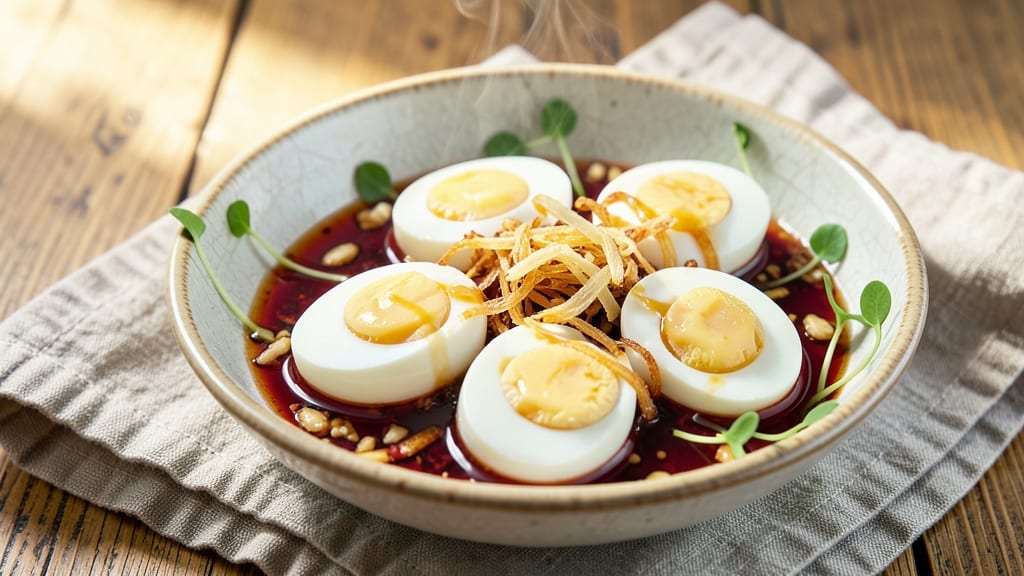
This spicy pickled quail eggs recipe transforms delicate quail eggs into bold, tangy bites that pack heat and crunch—perfect for elevating any brunch spread. 🌟 I first discovered pickled quail eggs at a Portland farmers market, where the vendor swore by a vinegar-based brine that preserved flavor while delivering that signature zing.
The secret lies in balancing vinegar, spices, and a touch of sweetness to create a marinade that tenderizes the eggs while infusing them with complex flavor.
What sets these apart is the crispy texture from the vinegar bath and the fiery kick of cayenne and chili flakes, which develop deeper as they marinate. Unlike store-bought versions, this method uses fresh ingredients—garlic, ginger, and a splash of apple cider vinegar—for a bright, aromatic profile.
The process is simple: boil, cool, pack, and let the flavors meld overnight, resulting in eggs that stay vibrant and zesty for weeks.
By morning, you’ll have vibrant, heat-kissed eggs ready to pop into salads, skewer as appetizers, or serve alongside crispy bacon and fresh herbs. The tangy-sweet-spicy balance makes them irresistible, whether paired with cool drinks or rich buttery toast.
This recipe delivers restaurant-quality flavor with minimal effort—just 15 minutes of prep and patience for the marinade to work its magic.
Perfect for brunch crowds, game day snacks, or gifting in small jars, these pickled quail eggs prove that bold flavors don’t require complicated techniques. Let’s get started—your taste buds will thank you.
Ingredients for spicy pickled quail eggs
Fresh quail eggs meet aromatic vinegar and bold spices for restaurant-quality crunch and heat.
| Ingredient | Amount | Notes |
|---|---|---|
| Quail Eggs 🥚 | 24 whole | Fresh, unwashed for best adhesion |
| Apple Cider Vinegar 🍎 | 2 cups | Raw, unfiltered preferred |
| White Vinegar 💧 | 1 cup | For additional tang |
| Granulated Sugar 🍚 | ½ cup | Light brown preferred |
| Garlic Cloves 🧄 | 6 cloves | Thinly sliced for infusion |
| Fresh Ginger 🌿 | 1 tbsp | Finely grated, aromatic |
| Red Chili Flakes 🌶️ | 2 tsp | Adjust for desired heat |
| Cayenne Pepper 🌶️ | 1 tsp | For deep spice profile |
| Diamond Crystal Kosher Salt 🧂 | 1 ½ tsp | For proper preservation |
| Mustard Seeds 🌱 | 1 tsp | Whole, for subtle crunch |
| Black Peppercorns 🌶️ | 1 tsp | Crushed for texture |
| Bay Leaves 🍃 | 2 whole | Fresh preferred |
| Water 💧 | 1 cup | Filtered preferred |
| Vegetable Oil 🫒 | 1 tbsp | For egg coating |
The quality of quail eggs determines the final texture—farm-fresh from specialty grocers like Whole Foods or local farms yield the best results. Apple cider vinegar should be raw and unfiltered for maximum flavor complexity, while Bragg brand is a reliable choice. Fresh ginger and garlic should be vibrant, with no signs of sprouting or discoloration. For the spices, Penzeys or bulk bins at natural markets provide the most aromatic options. The kosher salt must be coarse-grained (like Diamond Crystal) to properly preserve the eggs without over-salting the brine.
No apple cider vinegar? White vinegar with 1 tbsp lemon juice works in a pinch, though the flavor will be slightly sharper. Substitute brown sugar for granulated at a 1:1 ratio, but the texture may vary slightly. For heat adjustments, reduce cayenne to 0.5 tsp if sensitive to spice. Mustard seeds can be omitted if unavailable, but they add a delightful crunch. The vegetable oil acts as a barrier—avocado oil is a great alternative for higher smoke point. If using dried bay leaves, crush them lightly to release more flavor, but fresh leaves impart a brighter aroma.
Quail eggs must be boiled for exactly 6 minutes to maintain their delicate texture—overcooking leads to rubbery results. The brine keeps for up to 3 months in the refrigerator, though the flavor intensifies over time. Store eggs in airtight jars, fully submerged in the brine. For serving, chill the eggs for at least 4 hours before enjoying to allow flavors to fully meld. These eggs make exceptional gifts—simply transfer to decorative jars with a handwritten tag.
Why You'll Love This Recipe
- Here’s what sold me: the jar lasts weeks, and I’m not exaggerating. The eggs stay crisp and flavorful, so I can prep a big batch, stash it in the fridge, and grab them whenever I need a quick bite. Plus, quail eggs are cheaper than you’d think—double the fun, half the cost.
- Five-Ingredient Magic: Honestly, I swear by this recipe because it’s that simple—just quail eggs, vinegars, sugar, garlic, and a pinch of spice. No fancy techniques, no last-minute grocery runs, and the eggs do all the work while you sip your coffee.
- Tangy Kick: That balance of apple cider vinegar’s sharpness and white vinegar’s bite? It’s the perfect play. The garlic cloves add a warm punch, and the sugar just rounds it out—like a little flavor party in every bite, especially when the spice lingers just enough to wake up your taste buds.
- Party-Ready Snack: Between us, these eggs disappear at gatherings—no one can resist the crunch and tang. I’ve used them as appetizers, tossed them into salads, or even stuffed them into sandwiches, and they’re always the hit. (Yes, even on a Tuesday night.)
Step-by-step instructions for spicy pickled quail eggs
Mastering this technique delivers perfectly preserved quail eggs with vibrant color and intense flavor.
👨🍳 Step 1: Prepare the Brine Mixture
In a medium saucepan, combine the 2 cups apple cider vinegar, 1 cup white vinegar, 0.5 cup granulated sugar, 1.5 tsp diamond crystal kosher salt, 2 tsp red chili flakes, 1 tsp cayenne pepper, 1 tbsp fresh ginger, 6 cloves garlic cloves, 1 tsp mustard seeds, 1 tsp black peppercorns, and 2 whole bay leaves. Bring to a gentle simmer over medium heat for 5 minutes to fully dissolve the sugar and infuse the flavors.
Here's the thing—don't rush this infusion. The spices need time to bloom and release their aromatic oils. After 5 minutes, remove from heat and let the mixture cool to room temperature. This prevents cracking the delicate quail eggs when they're added later. The cooled brine should be vibrant red from the chili and cayenne, with visible ginger and garlic particles suspended throughout.
🍳 Step 2: Coat and Cure the Quail Eggs
While the brine cools, gently rinse the 24 whole quail eggs with cool water to remove any loose dirt, but leave the natural bloom intact—this helps the pickling solution adhere better. Pat them completely dry with paper towels, then carefully coat each egg with the 1 tbsp vegetable oil using your fingers. This creates a protective barrier that prevents the vinegar from penetrating too aggressively and cracking the shells.
Place the oiled eggs in a single layer in a clean, sterilized quart-sized mason jar. The oil coating will make them slippery, so work gently to avoid rolling them around. Leave about ½ inch of space at the top of the jar—the eggs will expand slightly as they cure. This step is crucial for maintaining the eggs' structural integrity during the long preservation process.
🥘 Step 3: Assemble and Seal the Pickling Jar
Using a funnel, carefully pour the cooled brine over the quail eggs until they're completely submerged by at least 1 inch. Tap the jar gently on the counter to remove any air bubbles trapped between the eggs and the liquid. The liquid level should remain above the eggs throughout the curing process to prevent surface mold.
Here's where it gets technical: add the 1 cup water to the jar, filling it to the very top. This creates a water seal that prevents air from entering, which is essential for proper preservation. Seal the jar tightly with the lid and give it a final gentle shake to ensure all eggs are fully coated with the brine. The jar should feel slightly pressurized when sealed—this indicates a good vacuum seal.
⏰ Step 4: Cure for Optimal Flavor and Texture
Store the sealed jar of pickled quail eggs in a cool, dark place (like a pantry) for at least 7 days, though I recommend 10-14 days for maximum flavor development. The eggs will gradually absorb the spicy, tangy brine, developing their signature crunchy texture and vibrant color. Real talk: the first 3 days are critical for proper preservation—don't open the jar during this period.
After 7 days, check the eggs for doneness by gently pressing one with your finger. It should feel firm with a slight give, not rock-hard. The brine should have deepened in color and developed a rich, complex aroma. If the eggs aren't fully infused after 14 days, they'll continue curing in the refrigerator—just extend the storage time. The longer they cure, the more intense the flavor becomes, but they're safe to eat after just 7 days.
🍽️ Step 5: Serve and Enjoy with Proper Storage
When ready to serve, remove one egg at a time using tongs to preserve the brine. The eggs should have a glossy, slightly translucent appearance with deep red undertones from the spices. Serve chilled as an appetizer with toothpicks, or incorporate into salads, rice bowls, or charcuterie boards for a spicy crunch.
For long-term storage, keep the jar sealed in the refrigerator where these pickled eggs will remain safe to eat for up to 3 months. The flavor actually improves with time in cold storage, developing deeper complexity. If you notice any mold or off odors, discard the entire batch immediately—proper sealing should prevent this, but it's always better to be cautious with preserved foods.
Pro Tips For Making Spicy Pickled Quail Eggs
- BOIL EGGS UNTIL JIGGLY: Quail eggs cook faster than chicken eggs—drop them in simmering water (not rolling boil) and set a timer for 4 minutes. Overcooking turns them rubbery, and nobody wants that. I learned this after cracking open a batch that tasted like sad, overworked rubber bands.
- USE FRESH GARLIC: Minced garlic loses its punch fast. Smash 3-4 cloves with the flat side of your knife before chopping—this releases more oils and flavor. Stale garlic just sits there like a flavorless afterthought. (Yes, I’ve made that mistake.)
- BALANCE THE VINEGARS: Apple cider vinegar adds depth, but white vinegar cuts through the richness. Use 2 parts apple cider to 1 part white vinegar—any more white and the eggs taste harsh. I used to eyeball it and ended up with a pickle bath that tasted like a science experiment.
- COOL BEFORE PICKLING: Toss warm eggs into the vinegar mix and they’ll steam up, diluting the brine. Shock them in ice water first, then let them cool completely before adding to the jar. This keeps the spice and sugar sharp, not watered down. (Trust me, your taste buds will notice.)
Best sauces and condiments for this recipe
Spicy Brine Upgrades
This recipe’s apple cider vinegar base already delivers bold tang, but adding 1 tbsp lime juice before sealing brightens the flavor profile. I like to finish with ½ tsp smoked paprika for depth—it pairs perfectly with the cayenne’s heat.
For extra crunch, toss in 1 tsp coriander seeds during the 5-minute simmer; they’ll toast slightly and add a citrusy note. 🌶️
Sweet Heat Balance
The ½ cup granulated sugar in the brine isn’t just for preservation—it balances the cayenne’s kick. For a deeper caramelized edge, replace ¼ cup sugar with honey> (like Madhava organic honey) and simmer the brine for an extra 2 minutes.
This creates a glossy, slightly syrupy coating on the eggs. If you prefer less sweetness, reduce sugar to ⅓ cup> and add ½ tsp vanilla extract> for complexity.
Dipping Sauce Magic
Serve these eggs with a quick spicy mayo> by mixing ¼ cup mayo> with 1 tsp sriracha>, ½ tsp honey>, and a pinch of smoked salt>.
For a tangy twist, blend 2 tbsp Greek yogurt> with 1 tsp lime zest> and ½ tsp chili powder>. Both sauces cut through the vinegar’s sharpness while amplifying the heat. I keep a small bowl of each on my brunch table—guests go wild for the combo. 💛
Herb-Infused Brine
Fresh herbs elevate the brine’s aroma without overpowering the spices. Add 2 sprigs thyme> and 1 sprig rosemary> during the 5-minute simmer>, then remove before cooling. For a brighter profile, stir in 1 tbsp chopped cilantro> or mint leaves> right before pouring over the eggs.
These herbs add a refreshing contrast to the spicy-sweet balance, especially when served with cool drinks like sparkling water with lime>.
Crunchy Garnishes
Before serving, sprinkle the eggs with toasted sesame seeds> or crushed pistachios> for texture. For a smoky touch, drizzle with 1 tsp chili oil> (like La Choy chili crisp>) right before eating.
I also love adding thinly sliced scallions> for a fresh bite. These garnishes turn the eggs into a showstopper appetizer—perfect for parties or charcuterie boards. 🌟
Nutrition facts
Frequently asked questions
Can I use chicken eggs instead of quail eggs for this recipe?
While you can technically use chicken eggs, they won't have the same delicate texture or vibrant flavor profile. Chicken eggs are much larger and denser, which means they won't absorb the spicy brine as evenly. The recipe is specifically designed for quail eggs' tender, crunchy texture that pairs perfectly with the tangy-spicy marinade.
How do I adjust the heat level in this spicy brine?
Start by reducing the cayenne pepper to ½ tsp for mild heat, or omit it entirely if you prefer no spice. For medium heat, use 1 tsp cayenne as written. To make it extra fiery, add ½ tsp crushed red pepper flakes or 1 tsp gochugaru (Korean chili flakes). Always taste the cooled brine before adding the eggs to gauge the intensity.
Can I make this recipe without vinegar?
Vinegar is essential for both preservation and flavor in this recipe. However, you could substitute with lemon juice (though it won't preserve as long) by using 2 cups lemon juice plus 1 tbsp citric acid to help with preservation. The flavor will be brighter but less tangy. For best results, stick with the vinegar-based method for that signature crunch and long shelf life.
How long will these pickled eggs stay fresh?
When properly sealed and stored in the refrigerator, these spicy pickled quail eggs will stay fresh for 3-4 months. The flavor actually improves over time as the spices meld. For longer storage, you can freeze the eggs (without the brine) for up to 2 months—just thaw in the refrigerator before serving. Always check for any signs of mold or off odors before eating.
What are the best ways to serve these spicy pickled eggs?
These eggs make fantastic appetizers served with toothpicks on a charcuterie board. They also elevate salads (like arugula or grain bowls), pair perfectly with crispy bacon, or work as a topping for avocado toast. For a Pacific Northwest twist, serve with fresh Dungeness crab or smoked salmon. The tangy-spicy flavor cuts through rich dishes beautifully.