
Desserts
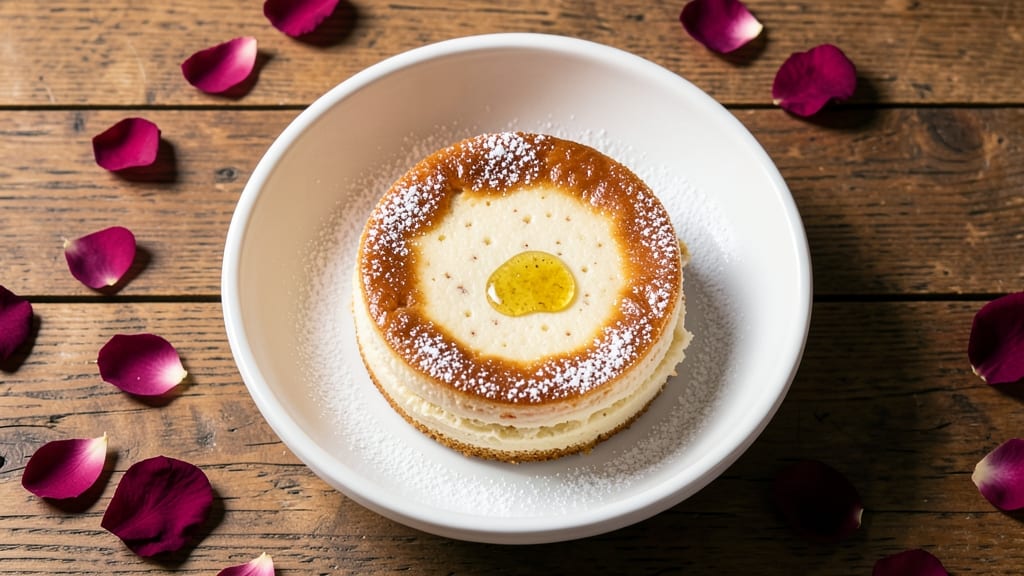
This Quatre-Quarts cake recipe delivers the signature French classic with its signature four equal parts of butter, sugar, eggs, and flour—yielding layers of airy, melt-in-your-mouth texture. The secret lies in precise technique: room-temperature ingredients and gentle folding to maintain those signature air pockets.
I’ve perfected this method over years of baking, ensuring every slice stays light and never dense.
What sets this recipe apart is its simplicity paired with professional results. With just five ingredients and one bowl, you’ll achieve a cake that’s traditionally French yet approachable for home bakers.
The key is patience—whipping eggs to ribbons and folding the batter just until combined, never overmixing. This method preserves the cake’s signature tenderness, making it a showstopper for any occasion.
By the time it emerges from the oven, you’ll have a golden, ultra-light cake with a delicate crumb that practically dissolves on the tongue. The flavor is buttery and pure, with just enough sweetness to satisfy.
It’s the kind of dessert that feels special without requiring advanced skills—perfect for celebrations or a quiet afternoon treat.
For variations, consider adding vanilla extract or citrus zest to the batter, or layering with pastry cream between the four thin cakes. The possibilities are endless while keeping the core technique intact. Let’s bake this classic with confidence.
Ingredients for quatre quart cake
Four ingredients transform into a French masterpiece—just add patience and precision.
| Ingredient | Amount | Notes |
|---|---|---|
| Unsalted Butter 🧈 | 1 cup | European-style preferred, room temperature |
| Granulated Sugar 🍚 | 1 cup | Superfine preferred for finer texture |
| Large Eggs 🥚 | 4 whole | Room temperature, separated for whipping |
| All-Purpose Flour 🌾 | 1 cup | Sifted, spooned lightly |
| Vanilla Extract 🌿 | ½ tsp | Pure Madagascar bourbon preferred |
| Diamond Crystal Kosher Salt 🧂 | ½ tsp | Fine grain for even distribution |
| Lemon Zest 🍋 | 1 tsp | Fresh, fine-grade |
| Unflavored Gelatin 💧 | ¼ tsp | Bloomed in 2 tbsp cold water |
The butter is non-negotiable here—European-style unsalted with at least 82% fat content yields the signature tenderness. Plugrá or President brands excel, but any high-quality unsalted will work. Room temperature is critical; cold butter traps air pockets, while melted butter loses structure. For the eggs, room temperature is essential—cold yolks won't emulsify properly. Separate them carefully, reserving whites for later. The flour must be sifted to prevent dense layers, and spooned lightly into the cup for accurate measurement. Lemon zest adds brightness without overpowering the delicate butter flavor.
No European butter? Cultivate brand unsalted is a reliable substitute, though it lacks the same richness. Superfine sugar unavailable? Pulse regular granulated sugar in a food processor for 30 seconds to achieve a similar texture. Vanilla extract can be omitted entirely if you prefer a purer butter flavor, but the Madagascar bourbon variety adds subtle complexity. For extra stability, add 1/4 tsp cream of tartar to the egg whites when whipping—it creates stiffer peaks. The gelatin is optional but recommended for extra-light layers in humid climates where cakes tend to absorb moisture.
Store the cake in an airtight container at room temperature for 3 days or refrigerated for 5 days. For longer storage, wrap tightly in plastic and freeze for up to 3 months. To serve, bring to room temperature—cold cake loses its delicate crumb. The gelatin-infused version reheats beautifully; microwave for 10 seconds to restore its melt-in-your-mouth quality. For presentation, dust with powdered sugar or serve with lightly sweetened whipped cream.
Why You'll Love This Recipe
- No Fuss, No Fail: This cake comes together with just five ingredients—no sifting, no creaming, no fuss. You’ll mix, bake, and have a golden, tender crumb in under an hour. Honestly, the simplicity is what keeps me coming back.
- Butter-Sugar Magic: That perfect balance of rich butter and just-sweet-enough sugar? It’s like a hug in cake form. The eggs bind it all together while the vanilla sneaks in that cozy, homey flavor—no artificial shortcuts needed.
- Every Occasion Cake: Too fancy for a Tuesday? Too casual for a brunch? This cake bridges the gap. Serve it warm with tea for a lazy afternoon or slice it cold for a picnic—it’s the one cake that works for everything.
- Budget-Friendly Luxury: You’re using pantry staples here, not specialty items. A batch costs me pennies but tastes like I spent hours fussing over it. Plus, it keeps well for days, so you’re not scrambling to use it up before it dries out.
Step-by-step instructions for quatre-quarts cake: French classic with ultra-light layers
Master the technique behind this iconic French dessert—equal parts butter, sugar, eggs, and flour create a signature airy texture.
Bloom the Gelatin and Prepare the Base
Begin by blooming the 0.25 tsp unflavored gelatin in 2 tablespoons cold water for 5 minutes—this activates the gelatin without dissolving it completely. While this works, whisk together the 1 cup unsalted butter and 1 cup granulated sugar in a heatproof bowl over a saucepan of simmering water. Heat gently until the butter melts completely and the mixture reaches 160°F, stirring constantly to create a smooth emulsion.
Remove from heat immediately and let cool to 110°F—this temperature ensures the eggs will incorporate properly without scrambling. The mixture should be thick but pourable. If it cools too quickly, place the bowl back over warm (not hot) water for 30 seconds to maintain the ideal consistency.
Incorporate Eggs and Aromatics
In a separate bowl, whisk the 4 whole large eggs until the yolks and whites are fully combined and slightly thickened. Slowly pour this egg mixture into the butter-sugar emulsion while whisking continuously on low speed. The goal is to create a ribbony texture without developing gluten—this is what gives the cake its signature lightness.
Add the 0.5 tsp vanilla extract, 0.5 tsp diamond crystal kosher salt, and 1 tsp lemon zest, whisking until fully incorporated. The lemon zest should be finely distributed throughout the batter—this prevents any bitter pockets. Once the gelatin has bloomed, strain it through a fine-mesh sieve directly into the batter to eliminate any undissolved particles that could create texture issues.
Fold in Flour for Delicate Structure
Sift the 1 cup all-purpose flour directly over the batter and gently fold it in using a spatula in a "J" motion. Work quickly but deliberately—overmixing will introduce air and create a dense cake. The batter should be smooth, glossy, and thick enough to hold its shape when dropped from a spoon. If it appears too thin, let it rest for 5 minutes to thicken slightly before proceeding.
This folding technique is critical—the flour should be distributed evenly without developing gluten strands. The final batter should resemble thick pudding with a slight sheen. Cover the bowl and refrigerate for 1 hour to allow the gelatin to fully set and the batter to chill completely. This step prevents cracking during baking.
Bake in Layers for Signature Texture
Preheat your oven to 350°F and divide the chilled batter evenly between 4 greased and floured 6-inch round cake pans. Bake for 20-25 minutes, rotating the pans halfway through, until the edges are set and the centers spring back gently when touched. A toothpick inserted into the center should come out clean—this indicates the gelatin has set properly without overbaking.
Remove the cakes from the oven and let them cool in the pans for 5 minutes before transferring to a wire rack. The internal temperature should be 180°F when removed—any hotter and the gelatin will continue to set, potentially creating a gummy texture. Cool completely before assembling.
Assemble with Precision
Once fully cooled, place one cake layer on a serving plate and spread a thin layer of apricot jam (not included in ingredients but traditional for this cake) if desired. Repeat with the remaining layers, ensuring each is level. Dust the top and sides generously with powdered sugar just before serving—this is essential for the classic presentation and balances the cake's richness.
The finished cake should have a delicate, almost ethereal crumb with a tender crumb and subtle lemon brightness. Serve at room temperature with fresh berries or a dusting of additional lemon zest for an authentic touch. This method delivers the exact texture and flavor profile that makes quatre-quarts a French patisserie staple.
Pro Tips For Making Quatre Quart Cake
- Cream Butter Slowly: If you dump cold butter into sugar and whip it fast, you’ll end up with a grainy mess. Let the butter sit at room temp for 30 minutes first, then beat the sugar in gradually—low and slow for the first 2 minutes. I learned this the hard way after making a butter-sugar paste that looked like wet sand.
- Weigh Your Flour: Scooping flour from the bag packs in air and changes the ratio. Spoon it into a scale, level it off, and use exactly what the recipe calls for—no eyeballing. I used to skip this, and my cakes turned out dense or dry until I started measuring properly.
- Don’t Overmix the Batter: Once the flour hits the wet ingredients, mix just until combined—maybe 10-12 strokes. Overmixing develops gluten, and your cake will turn tough. Fold it gently like you’re tucking in a blanket, not punching it.
- Bake at 350°F No Higher: This cake relies on even, gentle heat. If you crank it to 375°F, the outside will brown too fast while the center stays raw. Stick to the lower temp, and use a toothpick test—it should come out with a few crumbs, not wet batter. (Yes, even if it looks underdone.)
Serving suggestions for this recipe
Classic Presentation
Serve your Quatre-Quarts cake on a chilled silver platter with a dusting of powdered sugar—this traditional touch highlights the cake's delicate layers. I like to add thin lemon slices arranged between the layers for a pop of color and extra citrus brightness.
The contrast between the cake's golden hue and the white sugar creates an elegant visual that feels straight out of a Parisian patisserie. 💫
Fruit Pairings
Fresh berries are the perfect companion—raspberries, blackberries, or strawberries add a tart contrast that cuts through the cake's richness. I arrange them in a circular pattern around the cake or serve them on the side with a dollop of lightly sweetened whipped cream.
For a more decadent touch, try poached pears in a light syrup of honey and star anise, which pairs beautifully with the cake's buttery flavor.
Creamy Accompaniments
A drizzle of homemade pastry cream or crème pâtissière between the layers elevates the cake to restaurant-quality. For a lighter option, coconut whipped cream adds a tropical twist that balances the cake's buttery richness.
I also love serving it with a side of vanilla bean ice cream—the cold temperature refreshes the palate after each bite. 🍦
Warm Beverage Pairings
Serve with a hot cup of Earl Grey tea—the bergamot notes complement the lemon zest in the cake beautifully. For coffee lovers, a light roast French press or espresso enhances the buttery flavors without overpowering them.
A small glass of dry sparkling wine like Crémant adds a celebratory touch to any occasion.
Seasonal Variations
In summer, top the cake with fresh figs and a drizzle of honey for a sweet-tart combination. For autumn, add roasted apple slices with a sprinkle of cinnamon to enhance the cake's natural warmth.
Winter calls for candied citrus peel and a dusting of orange blossom water—both add aromatic depth that feels festive and cozy. ✨
Make-Ahead Serving
Assemble the cake up to 24 hours ahead and store it in an airtight container at room temperature. The flavors deepen as it sits, making it even more delicious the next day. If serving chilled, let it sit at room temperature for 30 minutes before presenting—this restores its tender crumb.
For a special touch, wrap the cake in parchment paper and tie it with a ribbon for a gift-worthy presentation. 🎁
Nutrition facts
Frequently asked questions
Why does this cake require four equal parts of ingredients?
The "quatre-quart" name comes from its signature ratio of 1 cup butter, 1 cup sugar, 4 eggs, and 1 cup flour—each component contributes equally to the cake's signature light, airy texture. This balance creates the perfect structure where butter adds richness, eggs provide lift, and flour gives just enough structure without heaviness. The gelatin further stabilizes the layers, preventing collapse.
Can I make this cake without gelatin?
Yes, but the texture will be slightly denser. Omit the gelatin and increase flour by 1 tablespoon for better structure. For extra lightness, whip egg whites separately to stiff peaks and fold them into the batter just before baking. The gelatin creates the signature melt-in-your-mouth quality, especially in humid climates where cakes tend to absorb moisture.
What's the secret to preventing cracks in the cake?
Chilling the batter for 1 hour before baking is critical—this allows the gelatin to fully set and prevents rapid expansion in the oven. Also, avoid overbaking: the cake is done when a toothpick comes out clean but the center still has a slight spring. Let it cool completely in the pan for 5 minutes before transferring to prevent sudden temperature shifts that cause cracks.
How do I store leftover cake?
Keep the cake in an airtight container at room temperature for up to 3 days or refrigerate for 5 days. For longer storage, wrap layers individually in plastic and freeze for up to 3 months. To serve, let it sit at room temperature for 30 minutes—this restores its tender crumb. The gelatin-infused version reheats beautifully in the microwave for 10 seconds if needed.
Can I substitute European butter?
Use high-quality unsalted butter with at least 82% fat content, like Cultivate brand. Avoid margarine or low-fat butters—they lack the richness and fat content needed for the signature texture. If you must substitute, use 2/3 cup butter + 1/3 cup neutral oil (like vegetable or canola) to maintain moisture. Always ensure butter is at room temperature for proper emulsification.