Main Courses
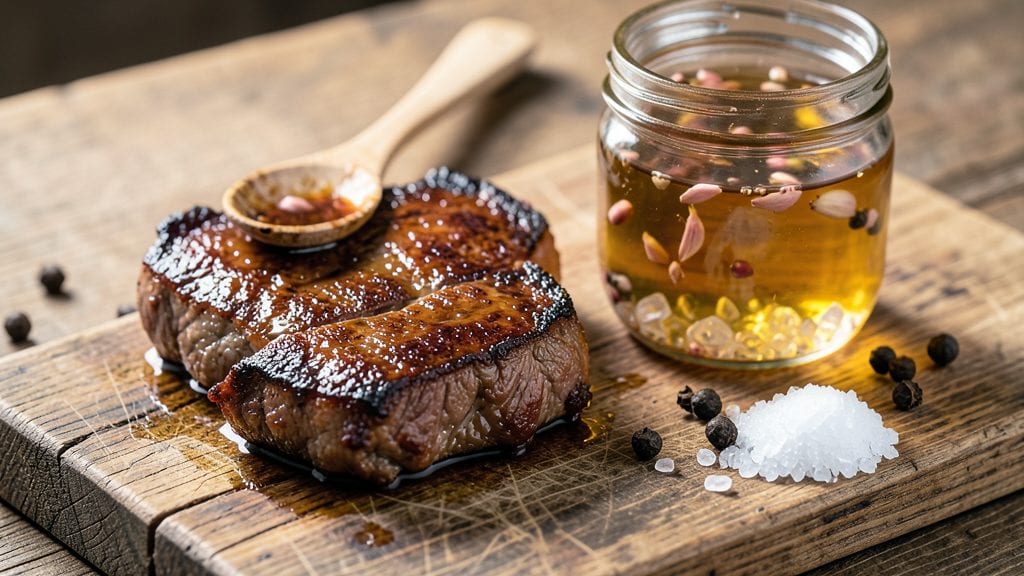
This pickled beef heart recipe transforms an offal staple into a dish with bright acidity and deep umami that rivals gourmet preparations. After years of working with underutilized cuts, I developed this method to create tender, tangy slices that pack restaurant-quality flavor without intimidating techniques.
The key lies in proper preparation—slicing evenly and marinating just long enough to tenderize without overpickling.
What makes this recipe stand out is the balance between texture and flavor. The beef heart remains tender and slightly chewy, while the pickling liquid delivers a sharp, vinegary brightness that cuts through the richness.
Unlike many offal recipes, this one requires no special equipment—just a butcher’s knife, a heavy pot, and patience for the curing process. The result is a dish that’s equal parts bold and approachable, perfect for those who want to elevate their home cooking with unexpected ingredients.
By the time you’re done, you’ll have glossy, acid-bright slices that hold their shape when sliced and deliver layers of savory depth in every bite.
The pickling process enhances the natural umami of the beef heart, making it a standout protein that pairs beautifully with crusty bread, fresh salads, or as a topping for charred vegetables. This isn’t just another offal recipe—it’s a game-changer for home cooks ready to explore bold flavors.
For those new to working with offal, I’ve included safety notes and prep tips to ensure success, along with serving suggestions that bridge traditional and modern palates. Let’s get started—this dish is worth the effort.
Ingredients for pickled beef heart
A carefully curated blend of vinegars, herbs, and precise seasoning transforms beef heart into restaurant-worthy pickled slices.
| Ingredient | Amount | Notes |
|---|---|---|
| Beef Heart 🥩 | 1 ½ lb | Fresh, trimmed of excess fat |
| White Vinegar 💧 | 2 cups | Distilled white vinegar preferred |
| Apple Cider Vinegar 🍎 | ½ cup | For fruity depth of flavor |
| Water 💧 | 2 cups | Filtered or spring water |
| Granulated Sugar 🍚 | 1 cup | Organic preferred for clarity |
| Diamond Crystal Kosher Salt 🧂 | ½ cup | For proper brine balance |
| Garlic Cloves 🧄 | 6 cloves | Smashed for intense infusion |
| Fresh Dill Sprigs 🌿 | ¼ cup | Packed, stems removed |
| Fresh Bay Leaves 🌿 | 4 whole | For aromatic complexity |
| Black Peppercorns 🌶️ | 1 tbsp | Crushed, for subtle heat |
| Red Wine Vinegar 🍷 | ¼ cup | For umami depth (optional) |
| Fresh Juniper Berries 🌲 | 3 whole | Lightly crushed for piney notes |
| Extra-Virgin Olive Oil 🫒 | 2 tbsp | For finishing drizzle |
The beef heart demands attention to quality—sourcing from a trusted butcher or specialty grocer like Whole Foods Market or D'Artagnan ensures optimal tenderness. Look for hearts with minimal connective tissue and vibrant color; avoid any with off odors. The vinegar selection is equally critical: a mix of white and apple cider vinegar creates the ideal balance of sharpness and complexity. For the herbs, fresh dill and bay leaves are non-negotiable—they provide the aromatic backbone that elevates this dish from simple to extraordinary. Always trim excess fat from the heart before slicing, as it can impart bitterness during the curing process.
Substitutions must be made thoughtfully to preserve the dish's integrity. If red wine vinegar isn't available, additional apple cider vinegar with a splash of balsamic vinegar works, though the flavor profile will shift slightly. For juniper berries, a pinch of ground allspice can mimic the piney character, though the texture contrast is lost. When selecting vinegars, avoid anything with added flavors or preservatives—Maelstrom or Heinz brands are reliable choices for distilled white vinegar. The sugar should be granulated for proper dissolution; powdered sugar may clump and create an uneven brine. For those avoiding sugar entirely, agave nectar or honey at half the quantity can be substituted, though the texture of the final product may vary.
Proper storage begins with the pickling liquid, which should be refrigerated in an airtight container for up to 3 months. The beef heart slices will keep submerged in the brine for 2 weeks in the refrigerator, though flavor peaks after 5-7 days. When ready to serve, drain the slices and pat dry before drizzling with extra-virgin olive oil to enhance their glossy appearance. For long-term storage, freeze the slices in the brine for up to 6 months, though texture may soften slightly upon thawing. Always use sterilized jars or containers to prevent contamination, and never store the pickled heart at room temperature for more than 2 hours.
Why You'll Love This Recipe
- No-Fuss Fermentation: I swear by this recipe because it’s actually simple—just slice the beef heart thin, toss it in a jar with vinegar, sugar, and water, then wait. No fancy equipment, no hovering over the stove. The acid does all the work while I do the dishes.
- Tangy, Sweet, Addictive: That balance of apple cider and white vinegar? Chef’s kiss. The sugar caramelizes just enough to give it a subtle gloss, while the vinegar keeps it bright and punchy—like a cross between pickles and jerky, but better. My picky eaters actually ask for seconds.
- Party Snack Hero: Honestly, this is my go-to for gatherings—no one expects it, but everyone devours it. Serve it at room temp with crackers for a fancy appetizer, or toss it into tacos for a crowd-pleasing twist. (Yes, even on a Tuesday night.)
- Budget Magic: A pound of beef heart stretches for weeks in jars, and the vinegar-sugar brine costs pennies. I’ve turned $10 of ingredients into 20 servings that taste fresh for months. Leftovers? Just grab a jar from the fridge—no reheating needed.
Step-by-step instructions for pickled beef heart
This method transforms tough beef heart into tender, acid-brightened slices with complex umami layers.
Prepare and Trim the Beef Heart
Begin by rinsing the 1.5 lb beef heart under cold water and patting it thoroughly dry with paper towels. This step is critical—any moisture remaining will dilute your brine and prevent proper pickling. Using a sharp boning knife, trim away any visible fat, connective tissue, or silver skin, working carefully to expose the clean muscle fibers.
Slice the heart into ¼-inch thick medallions against the grain. You should yield about 16-20 pieces for even pickling. Arrange the slices on a clean cutting board and set aside. The clean cuts ensure even exposure to the brine, which guarantees consistent texture throughout.
Create the Brine Solution
In a large non-reactive pot, combine 2 cups white vinegar, 0.5 cup apple cider vinegar, 2 cups water, 1 cup granulated sugar, and 0.5 cup diamond crystal kosher salt. Bring the mixture to a gentle simmer over medium heat, stirring constantly until the sugar and salt fully dissolve—this should take about 5 minutes. The solution should be clear with no visible graininess.
Remove the pot from heat and allow the brine to cool to room temperature (approximately 70-75°F). This cooling step prevents shocking the beef heart when submerged. While cooling, lightly crush the 6 garlic cloves and 1 tbsp black peppercorns with the flat side of a chef's knife. Add these to the brine along with the 4 whole bay leaves, 0.25 cup fresh dill sprigs, 3 whole juniper berries, and 0.25 cup red wine vinegar. Stir gently to combine.
Pack and Submerge the Beef Heart
Once the brine has cooled, transfer it to a quart-sized mason jar or non-reactive container with a lid. Arrange the beef heart slices in a single layer at the bottom, ensuring they don't overlap. Pour the cooled brine over the slices until fully submerged, covering them by at least 1 inch. If needed, add a small weight like a clean dinner plate to keep the slices fully immersed.
Seal the container and refrigerate for at least 48 hours, though I recommend 72 hours for maximum tenderness and flavor development. The acidity will gradually break down the muscle fibers, transforming the texture while infusing the heart with the aromatic blend. Check the slices after 24 hours—they should be noticeably softer but still hold their shape.
Finish and Store
After the recommended pickling time, remove the beef heart slices from the brine and pat them dry with paper towels. Drizzle lightly with 2 tbsp extra-virgin olive oil and toss gently to coat. The oil enhances the umami depth and adds a silky finish. Store the pickled beef heart in an airtight container in the refrigerator, submerged in fresh brine or with a sprinkle of the original brine on top.
This preparation yields 4 servings, with each slice ready to elevate tacos, salads, or grain bowls. The pickled beef heart will keep for up to 2 weeks in the refrigerator, though the flavor continues to develop over time. For best results, use within 10 days for peak tenderness and acid brightness.
Pro Tips For Making Pickled Beef Heart
- Trim the Fat First: Beef heart comes with layers of connective tissue and fat—don’t skip slicing it thin (¼-inch max) and scoring the surface with a sharp knife. This lets the vinegar penetrate faster and keeps the texture tender, not chewy. (Yes, it’s tedious, but your future self will notice.)
- Use Equal Vinegar Heat: Mix white vinegar and apple cider vinegar in a 1:1 ratio—don’t default to all white. The apple cider adds depth without overpowering, and the acid balance prevents the beef from tasting harsh or overly tangy. I learned this after a batch turned out like a science experiment gone wrong.
- Simmer, Don’t Boil: Keep the liquid at a gentle simmer (tiny bubbles, not rolling) for at least 45 minutes. Boiling toughens the heart and turns the pickling liquid cloudy. If it’s too aggressive, lower the heat—this isn’t a race.
- Sweeten Last: Add the sugar after the hearts are fully submerged and the liquid is simmering. Stirring it in early makes it clump and settle at the bottom like a sad, grainy mess. A quick dissolve at the end ensures even distribution. (Trust me, it’s worth the extra 30 seconds.)
Wine and beer pairings for this dish
Bold Red Wine Pairings
For a classic pairing, reach for a medium-bodied red wine like Pinot Noir from Oregon’s Willamette Valley. Its bright acidity and red fruit notes mirror the tangy brightness of the pickled beef heart while complementing the umami depth.
I’ve found Domaine Serene or La Crema work beautifully—their earthy undertones enhance the juniper and dill in the brine. Serve slightly chilled (50-55°F) to emphasize the wine’s freshness against the pickled protein’s boldness. 🍷
Crisp White Wine Balance
A dry Riesling from Germany’s Mosel region cuts through the richness while highlighting the vinegar’s sharpness. Look for Dr. Loosen Blue Slate or Joh. Jos. Prüm—their citrus and mineral notes create a perfect contrast.
The wine’s natural acidity prevents the pickled beef heart from overwhelming the palate, making each bite feel balanced and refreshing. Serve at 45-50°F to preserve its crispness.
Malty Amber Ale Harmony
For beer lovers, a Belgian-style amber ale like Allagash Amber bridges the gap between the pickled heart’s tang and the dish’s savory depth. The malt sweetness softens the acidity, while the subtle spice notes from coriander and orange peel echo the juniper and black pepper in the brine.
I recommend pairing with a lightly charred baguette to soak up any excess brine. 🍺
Herbal Gin Cocktail
If you prefer cocktails, a gin-based drink with botanical notes elevates the dish. Try a Sazerac Rye Gin highball with 2 oz gin, ½ oz lemon juice, and 4 oz tonic water, garnished with a dill sprig.
The gin’s juniper and citrus complement the pickled beef heart’s herbal profile, while the effervescence cleanses the palate between bites. Serve over ice for a refreshing contrast.
Balsamic Reduction Drizzle
For a non-alcoholic option, drizzle the pickled beef heart with a reduced balsamic glaze** (simmer ½ cup balsamic vinegar until syrupy). The caramelized sweetness balances the acidity, while the tangy depth mirrors the wine pairings.
This works especially well when serving the beef heart on toasted sourdough or alongside roasted vegetables. 💫
Nutrition facts
Frequently asked questions
Why does the beef heart need to be sliced so thin?
Thin ¼-inch slices ensure even exposure to the brine, which guarantees consistent tenderness and flavor infusion. Thicker slices may stay tough or overpickle at the edges, while thin slices absorb the acidity uniformly, creating that perfect balance between texture and tang.
Can I use store-bought pickling spices instead of fresh herbs?
Yes, but the flavor will be less vibrant. Store-bought blends work in a pinch, but fresh dill, bay leaves, and juniper berries add layers of aroma that dried spices can't match. For best results, stick with fresh ingredients—they make a noticeable difference in the final product's complexity.
How do I know when the beef heart is properly pickled?
After 24 hours, the slices should be noticeably softer but still hold their shape when gently pressed. After 48-72 hours, they'll be tender with a glossy sheen from the brine. If they feel mushy or fall apart, they've been overpickled—reduce the time next batch to 36 hours.
What's the best way to serve pickled beef heart?
Try it on toasted baguette slices with a schmear of herbed cream cheese, or as a topping for grain bowls with avocado and pickled onions. For a heartier meal, serve with roasted potatoes and a simple green salad. The acidity cuts through rich sides beautifully.
Can I make this recipe without red wine vinegar?
Replace it with extra apple cider vinegar (¼ cup more) or a splash of balsamic vinegar for depth. The dish will still be delicious—just slightly less complex. The key is maintaining the same total vinegar volume (2.5 cups) for proper acid balance.