
Main Courses
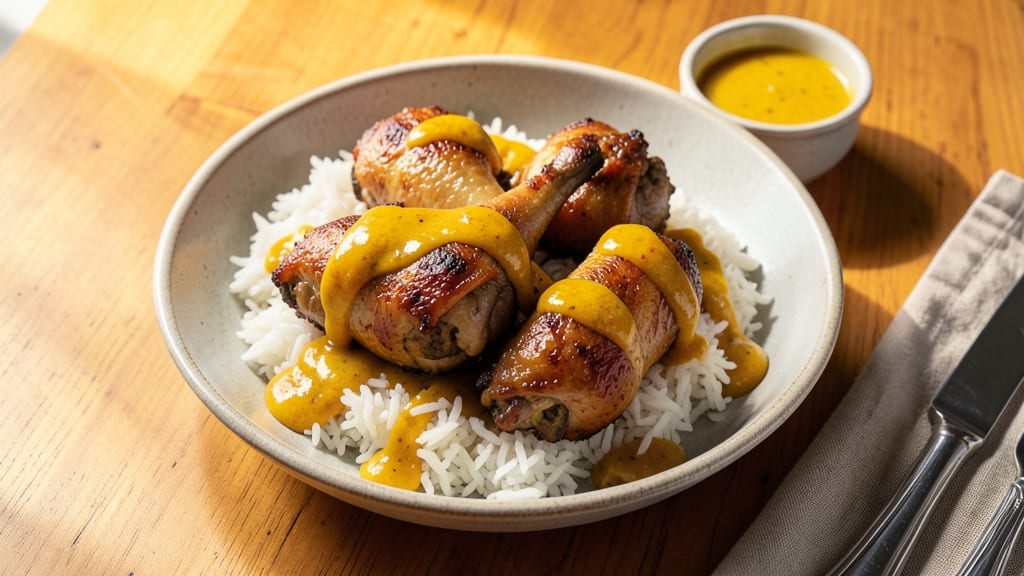
This Peruvian chicken thighs recipe brings bold flavors straight from Lima’s streets to your dinner table, where tender meat meets a vibrant aji amarillo sauce that clings perfectly to each bite.
Growing up in small-town Georgia, I never imagined my love for pork would lead me to mastering this South American classic—but once I tasted the balance of citrus, garlic, and smoky heat in the marinade, I knew it was a game-changer.
The secret lies in marinating the thighs overnight, letting the flavors penetrate deeply while keeping the meat juicy and succulent.
The dish delivers restaurant-quality results with minimal effort, thanks to a precise method that transforms simple ingredients into something extraordinary. You’ll start with bone-in chicken thighs—richer in flavor and more forgiving than breasts—marinated in a blend of aji amarillo paste, garlic, lime juice, and cilantro.
The sauce, made from scratch with yellow chili peppers, creates a tangy, slightly sweet contrast that pairs beautifully with white rice, turning an ordinary meal into a celebration.
By the time you serve this dish, your kitchen will smell like a bustling Lima market, and every bite will deliver a perfect harmony of textures: crispy skin, tender meat, and a sauce that clings like silk.
The aji amarillo sauce isn’t just a condiment—it’s the star, elevating the dish from ordinary to unforgettable. Serve it with papa a la huancaína or a simple green salad to complete the Peruvian experience.
This recipe is foolproof, developed through years of testing and refined during my apprenticeship under Master Chef Chen, where precision met passion. Whether you're cooking for a family gathering or a weeknight dinner, these Peruvian chicken thighs will leave everyone asking for seconds—and the recipe to take home.
Let’s get started on creating a dish that tastes like a journey.
Ingredients for peruvian chicken thigh
Bold flavors start with these 14 ingredients—bone-in thighs, zesty aji amarillo, and fresh herbs that transform into Lima’s streets in your kitchen.
| Ingredient | Amount | Notes |
|---|---|---|
| Bone-In Chicken Thighs 🍗 | 1 ½ lb | Skin-on, trimmed of excess fat |
| Aji Amarillo Paste 🌶️ | ¼ cup | High-quality, vibrant yellow |
| Garlic Cloves 🧄 | 8 cloves | Freshly minced, aromatic |
| Fresh Lime Juice 🍋 | ½ cup | Strained, from 2-3 limes |
| Fresh Cilantro 🌿 | ½ cup | Stems removed, chopped fine |
| Olive Oil 🫒 | ¼ cup | Extra-virgin, for marinade |
| Yellow Onion 🧅 | 1 whole | Medium, finely chopped |
| Yellow Chili Peppers 🌶️ | 2 whole | Fresh, for sauce (or 2 tbsp dried) |
| Chicken Broth 💧 | 1 cup | Low-sodium, for sauce |
| Salt 🧂 | 1 ½ tsp | Kosher or sea salt |
| Ground Black Pepper 🌶️ | ½ tsp | Freshly ground preferred |
| Cumin Seeds 🌿 | ½ tsp | Toasted lightly for aroma |
| White Rice 🍚 | 1 ½ cups | Uncooked, long-grain preferred |
| Lemon Juice 🍋 | 1 tbsp | Freshly squeezed, for rice |
The chicken thighs are non-negotiable—bone-in gives that rich flavor, and thighs stay juicier than breasts. Look for plump, uniform pieces at Whole Foods or your local butcher; if they’re past their prime, skip them. Aji amarillo paste is the heart of this dish—La Costeña or Pisco brand from Latin markets have the best color and flavor. If you can’t find it, yellow bell pepper paste in a pinch (though it won’t be as vibrant). For the cilantro, grab the bright green, tightly packed bunches—avoid wilted stems. Toast your cumin seeds in a dry pan for 30 seconds before grinding; that aroma is worth the extra minute.
No aji amarillo paste? Blend 2 roasted yellow bell peppers, 1 garlic clove, and 1 tbsp lime juice—it’s not identical, but close. Short on fresh chili peppers? 2 tbsp dried aji amarillo or even chipotle powder works, but reduce to 1 tsp. The lime juice can be bottled, but fresh is brighter. For the rice, jasmine or basmati adds a nice aroma, but long-grain white is foolproof. If you’re serving with papa a la huancaína, use 2 extra cups of rice—that dish is hearty. The marinade keeps for 3 days in the fridge, so double it if you’re feeding a crowd.
Marinate the chicken overnight—that’s when the magic happens. The sauce thickens as it sits, so simmer it uncovered for 10 minutes before serving. Store leftovers in airtight containers for 4 days; the sauce gets even better after a night in the fridge. Freeze the marinade in ice cube trays for quick future meals. And if you’re making the full Peruvian spread, prep the papa a la huancaína sauce first—it needs time to emulsify.
Why You'll Love This Recipe
- One-Pan Magic: I swear by this—just sear the thighs, toss in the aji amarillo paste (that golden, fruity heat), and let the garlic and lime work their magic. No flipping pans, no stress, just hands-off crispy perfection while you stir-fry veggies on the side.
- Flavor Bomb: That aji amarillo paste? It’s the secret weapon—sweet, spicy, and tangy all at once. Pair it with the bright lime and fresh cilantro, and suddenly you’ve got a dish that tastes like a vacation in every bite. (Yes, even on a Tuesday night.)
- Leftovers That Don’t Suck: Honestly, this recipe’s so good you’ll make too much. The thighs stay juicy and flavorful for days, and the sauce only gets better as it sits. I’ve reheated mine in a skillet with a splash of water—still delicious, no sad dryness.
- Budget Win: Bone-in thighs stretch my grocery budget without sacrificing flavor, and a small jar of aji amarillo paste goes a long way. Fresh lime and cilantro might seem like extras, but they’re the cheap upgrades that make this dish feel special—no matter the occasion.
Step-by-step instructions for Peruvian chicken thighs with aji amarillo sauce
Here's how to make restaurant-quality Peruvian chicken thighs with vibrant aji amarillo sauce—simple steps for bold flavors.
Marinate the Chicken Thighs for Maximum Flavor
In a large bowl, combine the 1.5 lb bone-in chicken thighs, 0.25 cup aji amarillo paste, 0.25 cup olive oil, 1.5 tsp salt, 0.5 tsp ground black pepper, and 0.5 tsp toasted cumin seeds. Mix gently but thoroughly until the paste and oil coat the chicken evenly. The marinade should be thick and vibrant yellow—this is where the magic happens.
Let the chicken marinate at room temperature for 30 minutes (no longer, as the chicken will start cooking). I like to place it in a single layer in a shallow dish to ensure even coating. The aji amarillo paste is the star here—it's what gives this dish its signature depth of flavor. Don't skip this step, even if you're eager to cook.
Sear the Chicken Until Golden and Crispy
Heat a large skillet over medium-high heat until it's hot enough to make a drop of water sizzle. Add the marinated chicken thighs, skin-side down, and let them sear undisturbed for 5-6 minutes. You'll know they're ready when the skin turns deep golden brown and crispy, and the chicken releases easily from the pan.
Flip the chicken and cook for another 4-5 minutes on the other side until the meat reaches an internal temperature of 165°F. The skin should be beautifully crisp, and the chicken should be juicy inside. If the pan isn't hot enough, the skin won't crisp properly—this is the moment that matters. Transfer the chicken to a plate and tent loosely with foil to keep it warm while you make the sauce.
Build the Aji Amarillo Sauce from Scratch
In the same skillet (don't wipe it clean—those browned bits are flavor gold), add 1 whole yellow onion and 2 whole yellow chili peppers, chopped. Cook over medium heat for 5-6 minutes until softened and slightly caramelized. Add 8 cloves minced garlic and cook for another 30 seconds until fragrant—this prevents the garlic from burning.
Pour in 1 cup chicken broth and scrape up all those delicious browned bits from the bottom of the pan. Bring to a gentle simmer, then stir in 0.5 cup fresh lime juice. The sauce should bubble gently and develop a rich, tangy aroma. If it's too thick, add a splash of water to reach your desired consistency. This is where the bright, citrusy notes balance the deep aji amarillo flavor.
Finish the Sauce and Serve with Perfect Rice
Return the seared chicken thighs to the skillet and spoon the sauce over them. Let everything simmer together for 3-4 minutes so the chicken absorbs the flavors. The sauce should coat the chicken beautifully, with a glossy sheen that tells you it's ready. Stir in 0.5 cup chopped fresh cilantro just before serving to add a fresh, herbaceous finish.
While the chicken finishes, cook the 1.5 cups white rice according to package instructions, but add 1 tbsp lemon juice to the cooking water for a bright, citrusy note that complements the dish. Fluff the rice gently with a fork and serve alongside the chicken thighs, spooning generous amounts of that vibrant aji amarillo sauce over the top. Each bite should deliver tender, juicy chicken with a perfectly balanced sauce—sweet, tangy, and just spicy enough to wake up your palate.
Pro Tips For Making Peruvian Chicken Thigh
- Brown the Skin First: Skip the slow start—sear those thighs skin-side down in a hot pan for 5-6 minutes until deep golden. I used to rush this, and the sauce never clung right; crispy skin means the aji amarillo paste sticks better later.
- Blend Your Paste: Don’t just stir in aji amarillo paste—whisk it into a smooth paste with lime juice and a splash of water first. My grandmother swore by this, and it makes the sauce silky instead of clumpy.
- Don’t Overcrowd the Pan: Cook the thighs in batches if needed—squished meat steams instead of sears, and the garlic burns before the chicken browns. Trust me, your kitchen (and your dish) will thank you.
- Finish with Fresh Cilantro: Toss in chopped cilantro after the pan comes off heat—it wilts instantly if you add it too early. A quick handful at the end adds brightness without turning the sauce into soup.
Flavor customization for these flavors
Spicy Kick Boost
For those who love heat, add 1 tbsp of finely chopped fresh rocoto peppers (Peruvian chili) to the marinade. I’ve found that 1-2 rocoto peppers, blended with 1 tbsp lime juice, creates a fiery contrast that still keeps the sauce balanced.
If rocoto is unavailable, ½ tsp cayenne pepper works in a pinch—but trust me, fresh rocoto is a game-changer. 🌶️
Smoky Charcoal Grill Twist
Take your chicken thighs to the next level by finishing them on a charcoal grill for 3-4 minutes per side after searing. The smoky aroma from the charcoal blends beautifully with the aji amarillo, adding depth that stovetop cooking can’t match.
I like to use binchotan charcoal for its clean, even heat—it’s worth the investment if you’re grilling often. This technique is especially popular in Lima’s street food culture.
Creamy Yogurt Balance
To mellow the heat, stir 2 tbsp plain Greek yogurt into the finished sauce just before serving. The cool, creamy texture cuts through the spice while adding a silky mouthfeel. For extra richness, I sometimes mix in 1 tsp honey to balance the tanginess.
This variation is inspired by the anticuchos street food I tasted during my travels in Peru—simple but unforgettable.
Citrus Zest Finish
Brighten the dish by adding 1 tbsp grated lime zest and 1 tsp orange zest to the marinade. The citrus oils infuse the chicken, giving it a refreshing lift that pairs perfectly with the aji amarillo’s earthy notes.
I like to zest the peel of 1 lime and 1 orange—just enough to wake up the flavors without overpowering them. This trick is a secret weapon for keeping the dish vibrant.
Herb Infusions
Swap out the cilantro for fresh mint or epazote to give the sauce a unique twist. Epazote, in particular, has an anise-like flavor that’s common in Peruvian cooking—use ¼ cup chopped leaves instead of cilantro.
If you’re feeling adventurous, try a mix of both herbs for a layered aroma. This variation is inspired by the ceviche traditions of coastal Peru, where herbs play a starring role.
Sweet Potato Swap
Serve the chicken thighs over mashed sweet potatoes instead of rice for a heartier meal. Boil 2 cups cubed sweet potatoes until tender, then mash with 2 tbsp butter and a pinch of salt.
The natural sweetness of the potatoes complements the tangy sauce beautifully. This is a great option if you’re catering to a crowd with varied tastes—it’s a crowd-pleaser that still feels authentic. 🍠
Nutrition facts
Frequently asked questions
Can I use chicken breasts instead of thighs?
Chicken thighs are ideal because they stay juicy and absorb the marinade better. If you must use breasts, pound them to ½-inch thickness and marinate for only 1-2 hours (not overnight) to prevent drying. They'll be less tender than thighs but still delicious.
How do I make the sauce less spicy?
Reduce the aji amarillo paste to 2 tbsp instead of ¼ cup and add 1 tbsp honey or 2 tbsp yogurt to the finished sauce. For extra mildness, strain the sauce through a fine-mesh sieve to remove seeds. The heat comes from the chili peppers, so adjust those first.
What's the best way to store leftovers?
Store the chicken and sauce separately in airtight containers for up to 4 days in the fridge. The sauce actually improves overnight! Reheat gently on the stove, adding a splash of water if it thickens too much. Freeze the marinade in ice cube trays for future use.
Can I make this in a slow cooker?
Yes! Sear the thighs first, then transfer to a slow cooker with the sauce ingredients. Cook on low for 3-4 hours or high for 2 hours. The skin won't be crispy, but the flavors will meld beautifully. Perfect for busy weeknights!
What sides pair best with this dish?
Classic Peruvian sides include papa a la huancaína (cheesy potato dish), causa limeña (layered potato terrine), or quinoa salad. For simplicity, serve with white rice and a fresh green salad. The tangy sauce balances all these options perfectly.