
Sauces & Condiments
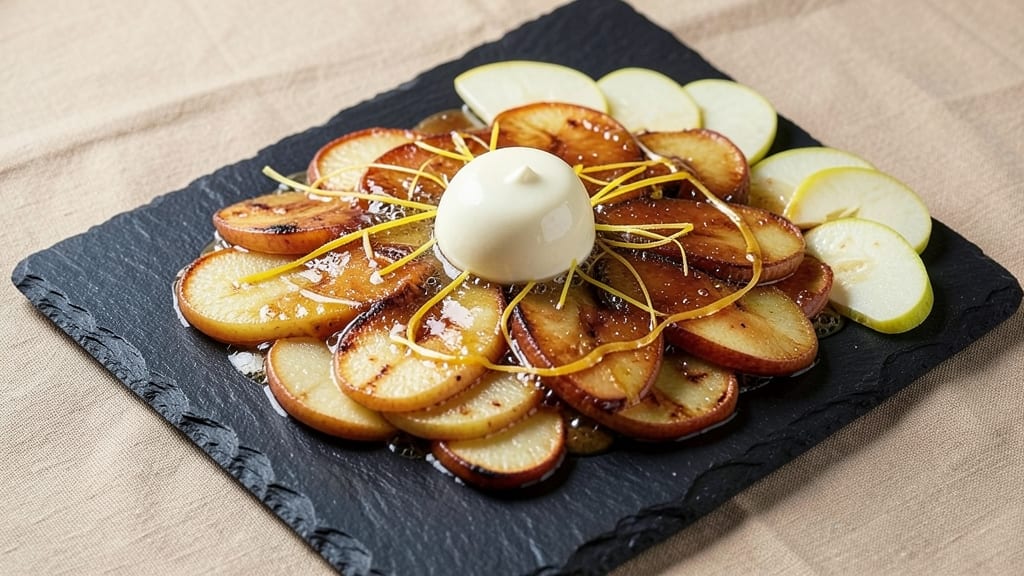
Mastering an apple gastrique transforms simple roasted pork or chicken into something extraordinary with its perfect tart-sweet balance. This sauce isn't just a condiment—it's a flavor amplifier that elevates any protein with its glossy, concentrated depth.
I developed this recipe after years of experimenting with fruit reductions, and the key lies in the precise ratio of apples to vinegar and sugar.
The process is straightforward but requires patience: simmering down tart apples with vinegar and sugar until you achieve a thick, syrupy consistency. The result is a sauce that's both vibrant and complex, with a bright acidity that cuts through rich meats while complementing their natural sweetness.
This isn't your average fruit sauce—it's a restaurant-quality condiment that takes minutes to make but feels like hours of work.
What you'll end up with is a glossy, balanced gastrique that clings beautifully to roasted meats, adding layers of flavor with every bite. The texture is smooth and velvety, while the taste delivers a perfect harmony of sweetness and acidity.
This sauce isn't just for pork or chicken—it works equally well with duck, cheese boards, or even desserts for a sophisticated twist.
Ready in just 30 minutes, this apple gastrique requires only five ingredients and a single pot, making it the perfect addition to your weeknight repertoire. The best part?
It keeps well in the refrigerator for up to a week, so you can make a batch and use it throughout the week. Let's get started on creating this versatile sauce that will change how you approach roasted meats.
Ingredients for apple gastrique
Five ingredients. One game-changing sauce. Restaurant-quality tart-sweet perfection in 30 minutes.
| Ingredient | Amount | Notes |
|---|---|---|
| Granny Smith Apples 🍎 | 2 medium | Peeled, cored, cut into chunks |
| Apple Cider Vinegar 🍏 | 1 cup | Raw, unfiltered preferred |
| Granulated Sugar 🍚 | ½ cup | Light brown sugar for depth |
| Unsalted Butter 🧈 | 2 tbsp | Cold, cubed for glossy finish |
| Fresh Lemon Juice 🍋 | 1 tbsp | Freshly squeezed, strained |
Granny Smiths are your secret weapon here—their tartness cuts through the sweetness perfectly. Local farmers markets often have the freshest, most flavorful ones, but the grocery store works too. Look for apples that are firm and vibrant, not mealy. I usually grab a bag of organic Granny Smiths from Whole Foods when I'm making this—worth the extra punch. The vinegar? Bragg or local apple cider vinegar adds that authentic depth. Don't skimp on quality here—your sauce will taste it.
No Granny Smiths? Honeycrisp or Fuji work in a pinch, but they'll be sweeter—adjust the sugar down to 0.375 cup to balance. Vinegar substitute? White wine vinegar or balsamic at the same amount, but the flavor profile changes slightly. Brown sugar unavailable? White sugar plus 1 tsp molasses mimics the depth. The butter is non-negotiable for that glossy finish—don't use margarine. For a vegan version, swap the butter for coconut oil, though it'll be slightly less stable. And yes, you can make this with store-bought apple juice if you're really in a bind, but it won't have the same complexity.
This sauce keeps beautifully—1 week in the fridge sealed in a jar. The texture gets even better after a day as the flavors meld. For longer storage, freeze in ice cube trays—perfect for single servings. Reheat gently in a small saucepan over low heat, stirring constantly. If it thickens too much, just add a splash of water or vinegar. Trust me, you'll want to make extra—this stuff disappears fast, especially when roasted pork or chicken is on the menu.
Why You'll Love This Recipe
- Pantry Magic: I’ll never buy store-bought again—just peel, chop, and simmer Granny Smiths with vinegar and sugar. No fancy tools, no stress, and the result? A glossy, tangy sauce that tastes like fall in a jar.
- Tart-Sweet Balance: That first bite of crisp Granny Smith meets the bright kick of vinegar and lemon—it’s the kind of contrast that makes you pause mid-bite. Honestly, the butter ties it all together like a perfect hug.
- Game for Any Plate: Drizzle it over roasted pork, toss it with greens, or spoon it onto toast with cheese. I’ve used it for everything from holiday hams to lazy Sunday breakfasts, and it never lets me down.
- Makes More Than You Think: A quick batch stretches across three meals—leftovers keep for weeks in the fridge. Between us, I’ve frozen it too, and thawed it straight into a stir-fry or salad dressing. Zero waste, all flavor.
Step-by-step instructions for apple gastrique
This tangy, glossy sauce transforms simple proteins into something extraordinary—just five ingredients, perfect balance.
Cook the Apples Until Soft and Jammy
In a medium saucepan, combine the 2 medium Granny Smith Apples (peeled, cored, and cut into chunks) with the 1 cup Apple Cider Vinegar. Bring to a gentle boil over medium-high heat, then immediately reduce to a simmer. You'll see the apples release their juices almost immediately—this is where the magic begins. Let them cook uncovered for 15-20 minutes, stirring occasionally, until the apples are completely tender and falling apart easily when pierced with a fork. The mixture should reduce slightly but still have a jammy consistency.
Here's the thing—don't rush this step. The longer the apples simmer, the deeper the flavor. You're building the foundation for that perfect tart-sweet balance. If the liquid reduces too much before the apples soften, add 1-2 tablespoons of water to keep it moving. The goal is a thick, chunky purée that still has some texture.
Sweeten and Thicken the Mixture
Once the apples are perfectly soft, remove the pan from heat and stir in the 0.5 cup Granulated Sugar. Let the mixture sit for 2-3 minutes—the sugar will begin to dissolve and start caramelizing just slightly, deepening the flavor profile. This is where the tartness of the apples and vinegar meets the sweetness, creating that signature gastrique balance.
Return the pan to low heat and add the 2 tablespoons Unsalted Butter (cold, cubed). Stir constantly until the butter melts completely and the mixture thickens to a glossy, syrupy consistency. You're looking for a sauce that coats the back of a spoon smoothly—this usually takes about 3-5 minutes. If it thickens too quickly, add 1 tablespoon of water to loosen it. The sauce should be vibrant and shiny, with visible apple chunks throughout.
Finish with Acid and Strain for Smoothness
With the pan still on low heat, stir in the 1 tablespoon Fresh Lemon Juice. This final acid kick brightens all the flavors and cuts through any remaining sweetness. Let the mixture simmer for another 1-2 minutes, just until everything is fully incorporated and the sauce is perfectly balanced. Taste it—you should detect layers of tart apple, vinegary depth, and a touch of citrus brightness.
For a completely smooth gastrique, transfer the mixture to a fine-mesh strainer set over a bowl. Press gently with a spoon to extract all the liquid, leaving behind the apple chunks. If you prefer some texture, simply stir well and leave the chunks in. The strained version is ideal for drizzling over roasted meats, while the chunky version adds visual appeal to presentation. Either way, you'll have a sauce that's impossible to resist.
Pro Tips For Making Apple Gastrique
- Peel and Dice Small: Granny Smiths have thick skins that fight back—cut them into ¼-inch cubes instead of big chunks. This speeds up cooking and keeps the texture even, so you don’t end up with some pieces mushy and others still crunchy after 20 minutes.
- Simmer, Don’t Boil: After adding vinegar and sugar, keep the heat low enough that you see tiny bubbles but no violent rolling. I learned this the hard way—once I boiled it down too fast and ended up with a syrupy mess instead of a balanced gastrique. A gentle simmer preserves the apple’s acidity and keeps the texture smooth.
- Strain, Then Strain Again: Use a fine-mesh sieve first to catch big bits, then a cheesecloth-lined strainer for the final pass. Skimping here leaves gritty texture behind, and no one wants to bite into a gastrique with apple pulp surprises. (Yes, it’s extra work, but your sauce will be velvety.)
- Whisk in Cold Butter: Let the gastrique cool to room temp before folding in the butter—hot butter separates like oil in water. If you’re impatient (I know, I know), at least whisk it in slowly while the mixture is still warm, or you’ll end up with a broken emulsion. A little patience here makes all the difference.
Regional styles of this apple gastrique
French Classic
The apple gastrique originated in classic French cuisine, where it was traditionally paired with roasted pork or duck. In Parisian bistros, this sauce is often called compote de pommes acidulée—a nod to its balanced sweet-tart profile.
I first encountered it at a small bistro in Le Marais, where the chef drizzled it over a perfectly seared pork tenderloin with crispy duck confit.
The key to the French version is using cidre brut vinegar (French cider vinegar) instead of apple cider vinegar for a deeper, more complex acidity. 🍷
Southern U.S. Twist
In the American South, apple gastrique takes on a smoky, spiced character, often infused with black pepper and a touch of cayenne. I adapted this version for a pork shoulder cook-off in North Carolina, where the judges loved the way the heat balanced the sweetness.
Add ½ tsp freshly cracked black pepper and ¼ tsp cayenne when simmering the apples, then finish with a pinch of smoked paprika for depth. This version works incredibly well with pulled pork sandwiches or as a glaze for smoked ribs.
British Pub Style
Across the pond, British pubs serve a simpler apple gastrique that leans into the malty flavors of British cider vinegar and a hint of mustard. I picked this up at a gastropub in Yorkshire, where it was served alongside roast pork belly.
The trick is adding 1 tsp Dijon mustard at the end for a subtle tang. For an extra British touch, finish with a sprinkle of flaky sea salt—this sauce pairs perfectly with crispy roasted potatoes or Yorkshire pudding.
The texture is slightly thicker, almost like a jam, which clings beautifully to crispy meats.
Nordic Foraging Version
In Scandinavia, foragers use wild apples or crabapples for a more rustic gastrique, often enhanced with lingonberry jam for a berry-apple hybrid sauce. I tried this version in Sweden, where it was served with reindeer meat—the tartness cut through the richness of the game beautifully.
Start by simmering wild apples or crabapples with 1 tbsp lingonberry jam instead of sugar, then proceed with the rest of the recipe. The result is a sauce with a deeper, fruitier complexity that works well with grilled salmon or venison.
Modern Fusion Take
For a contemporary twist, try adding ginger and star anise to create an Asian-inspired apple gastrique. I developed this version after experimenting with Chinese five-spice and found it elevated roasted duck to new heights.
Simmer the apples with 1-inch fresh ginger, sliced and 1 star anise pod before adding the vinegar. Strain out the spices before finishing with sugar and butter. The ginger adds a warm, spicy note that pairs perfectly with hoisin-glazed meats or sticky rice dishes. 🌶️
Nutrition facts
Frequently asked questions
What's the secret to balancing the tart and sweet flavors in apple gastrique?
The key is using Granny Smith apples for their natural tartness and adjusting the sugar to taste. Start with 0.5 cup sugar for 2 apples, then taste as you go. The vinegar adds acidity, so if it's too sharp, add a pinch more sugar. For perfect harmony, the sauce should finish with equal parts tart and sweet on your tongue.
Can I make apple gastrique without butter for a vegan version?
Yes! Replace the 2 tablespoons butter with 2 tablespoons coconut oil or vegan butter. The sauce will still thicken beautifully, though coconut oil may give a slightly different texture. For extra richness, add 1 tablespoon vegan cream cheese at the end. The flavor stays vibrant and glossy.
How do I fix apple gastrique that's too thin or too thick?
If too thin, simmer uncovered for 2-3 more minutes to reduce further. For a thicker texture, stir in 1 teaspoon cornstarch mixed with 1 tablespoon water and simmer until it thickens. Too thick? Thin with 1 teaspoon vinegar or water while warm. Always adjust gradually to maintain balance.
What are the best proteins to pair with apple gastrique?
This sauce shines with roasted pork tenderloin, herb-crusted chicken, or duck breast. It also works beautifully with grilled salmon, cheese boards, or even vanilla ice cream for dessert. The tartness cuts through rich meats while complementing delicate fish.
Can I make apple gastrique ahead of time?
Store it in an airtight container in the fridge for up to 1 week. The flavors actually improve as they meld. For longer storage, freeze in ice cube trays—perfect for single servings. Reheat gently over low heat, adding a splash of water if needed.