
Side Dishes
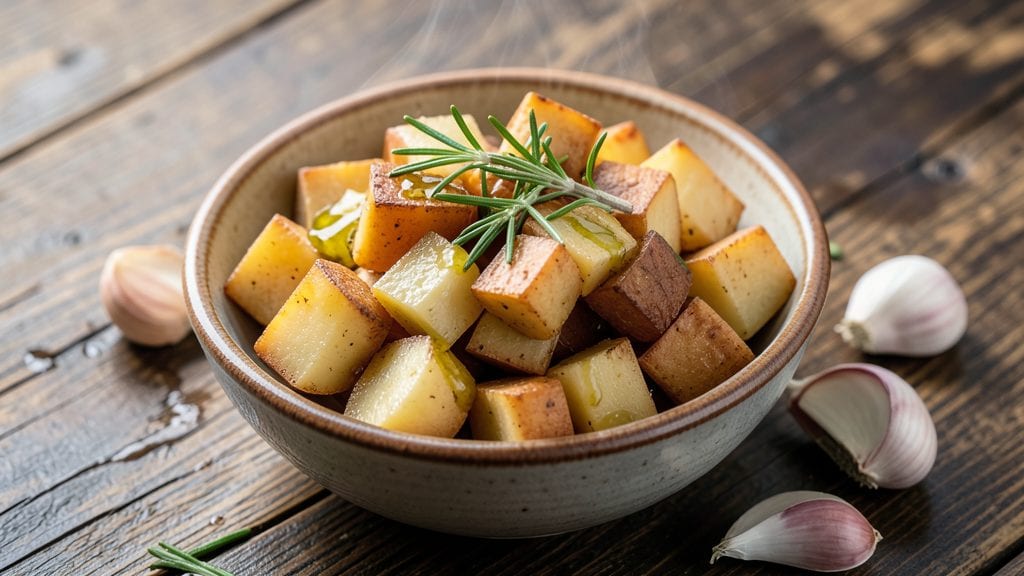
Mastering par-boiled potatoes transforms them from ordinary to extraordinary—crispy exteriors that shatter with each bite and fluffy interiors that melt in your mouth. The secret lies in precise timing and temperature control during the initial boil, followed by the right finishing method.
I’ve perfected this technique over years of testing, ensuring every batch delivers that ideal texture without turning mushy or dry.
This method works for roasting, mashing, or even frying, making it incredibly versatile for any meal. The par-boiling step jumpstarts the cooking process, locks in moisture, and creates the perfect foundation for crispy edges.
Whether you’re prepping for a holiday dinner or a weeknight side dish, this technique guarantees restaurant-quality results every time.
By the end, you’ll have potatoes that are golden and crispy on the outside while staying tender and fluffy inside—a balance that’s surprisingly difficult to achieve. The key is controlling the water temperature and cooking time precisely, then finishing with the right method to develop that perfect crust.
Ready to elevate your side dishes?
Use these par-boiled potatoes as a base for garlic-herb roasted spuds, creamy mashed potatoes, or even crispy potato wedges. The possibilities are endless, and the results will impress anyone at your table. Let’s get started with the foolproof method.
Ingredients for par boiled potatoes
Precision-cut russets and exact timing create restaurant-quality parboiled potatoes—crispy exteriors with fluffy centers every time.
| Ingredient | Amount | Notes |
|---|---|---|
| Russet Potatoes 🥔 | 2 lb | Cut into 1-inch cubes, uniform size |
| Cold Water 💧 | 6 cups | Filtered preferred for clarity |
| Diamond Crystal Kosher Salt 🧂 | 1 ½ tbsp | For seasoning water, not iodized |
| Extra-Virgin Olive Oil 🫒 | ¼ cup | High smoke point for finishing |
| Fresh Rosemary 🌿 | ¼ cup | Chopped, stems removed |
| Garlic Cloves 🧄 | 4 cloves | Minced for finishing seasoning |
| Ground Black Pepper 🌶️ | 1 tsp | Freshly cracked preferred |
| Unsalted Butter 🧈 | 2 tbsp | Cold, cubed for finishing |
| Heavy Cream 🥛 | ½ cup | Optional for mashed variation |
| Fresh Thyme Leaves 🌿 | ⅛ cup | Or 1 tsp dried thyme |
| Granulated Garlic 🧄 | 1 tsp | For finishing seasoning blend |
The russet variety is non-negotiable for this technique—its high starch content and thick skin create the perfect balance of crisp and fluffy. Buy organic if possible, as conventional potatoes often have thinner skins that don't crisp as well. Cut each potato into uniform 1-inch cubes; this ensures even cooking and prevents some pieces from becoming mushy while others remain undercooked. For the best results, use a sharp chef's knife and work on a cutting board with a damp paper towel underneath to prevent slipping. The Diamond Crystal kosher salt is crucial for seasoning the parboiling water—its coarse texture dissolves properly and enhances flavor without over-salting.
No fresh rosemary? Dried rosemary at one-third the amount works in a pinch, though fresh imparts superior aroma. Substituting heavy cream for mashed potatoes? Full-fat sour cream adds tanginess without thinning the texture. The olive oil should have a high smoke point—Avocado oil is an excellent alternative if you're concerned about olive oil's heat tolerance. For the finishing seasoning, smoked paprika can replace half the garlic powder if you prefer a smoky note. Always toast your spices lightly in a dry pan before using to maximize their aromatic compounds—this simple step elevates the final flavor profile significantly.
Parboiled potatoes should be used immediately after finishing, but you can refrigerate them for up to 3 days if stored in an airtight container with parchment paper between layers. For longer storage, freeze them for up to 3 months—spread them on a baking sheet first to prevent freezing together. When reheating, bake at 400°F (200°C) for 15-20 minutes until crispy again. The key to maintaining texture is never microwaving—always use dry heat methods to restore that perfect crust. These potatoes reheat beautifully, making them ideal for meal prep when you want restaurant-quality sides with minimal effort.
Why You'll Love This Recipe
- Zero-Fuss Prep: I swear, these potatoes take less effort than deciding what to watch on Netflix. Just peel, chop, and drop them in boiling water—no peeling eyes or fussy techniques.
- Herb-Infused Magic: That burst of rosemary and olive oil? It turns simple spuds into something ridiculously good. The salt clings to the edges, and the rosemary leaves behind this bright, woodsy finish—like a hug for your taste buds.
- Meal Prep MVP: I make a double batch on Sundays, and they last all week. Toss them with eggs for breakfast, mash them for lunch, or serve them cold in salads—no one will guess they’re from the same pot.
- Budget Stretch: Russets are cheap, and this recipe feeds four for under $3. Honestly, it’s my go-to when I need to fill up the table without breaking the bank. Plus, leftovers reheat like a dream.
Step-by-step instructions for parboiled potatoes
Mastering parboiling transforms humble russet potatoes into versatile, restaurant-quality ingredients.
Prepare and Parboil the Potatoes
Cut the 2 lb russet potatoes into uniform 1-inch cubes, ensuring each piece is identical in size for even cooking. Place them in a large pot and cover completely with the 6 cups cold water. Add the 1.5 tbsp diamond crystal kosher salt and bring to a rolling boil over high heat.
Once boiling vigorously, reduce heat to medium-high and maintain a steady simmer for exactly 8 minutes. This partial cooking creates a tender interior while preserving structural integrity for crisping later. The potatoes are ready when they begin to soften slightly but still offer slight resistance when pierced with a knife. Drain immediately in a colander and rinse under cold water to halt cooking and remove excess starch.
Create the Seasoning Oil
In a small saucepan, gently heat the 0.25 cup extra-virgin olive oil over low heat. Add the 0.25 cup chopped fresh rosemary and 4 minced garlic cloves, cooking for 2 minutes until fragrant but not browned. Remove from heat and stir in the 1 tsp ground black pepper and 1 tsp granulated garlic. This infused oil will carry the herbaceous flavors into every potato.
For maximum flavor development, let the seasoned oil cool to room temperature before using. The rosemary should remain vibrant green and the garlic should maintain its bright color, indicating proper handling without burning. This step ensures the potatoes absorb aromatic compounds rather than just oil.
Finish with Butter and Cream
In a large skillet over medium-high heat, melt the 2 tbsp cold unsalted butter until foaming. Add the drained potatoes in a single layer, allowing them to develop color without crowding. Cook undisturbed for 4-5 minutes until golden brown on the bottom, then gently flip each piece. Continue cooking for another 3-4 minutes until evenly crispy on all sides.
Reduce heat to medium and pour in the 0.5 cup heavy cream along with the 0.125 cup fresh thyme leaves. Toss gently to coat all potatoes evenly with the creamy mixture. The cream should coat the potatoes while maintaining their crisp exterior. Cook for an additional 2 minutes until the cream reduces slightly and clings to the potatoes.
Rest and Serve
Transfer the finished potatoes to a serving platter and let them rest for 5 minutes. This resting period allows the residual heat to distribute evenly, ensuring each bite delivers perfectly crisp exteriors and fluffy interiors. The potatoes should be golden brown with visible crispness while maintaining their structural integrity.
For optimal presentation, garnish with additional chopped fresh rosemary and cracked black pepper. Serve immediately while the potatoes are at their peak texture. These parboiled potatoes maintain their quality for up to 2 days in the refrigerator, making them ideal for meal prep while preserving their signature crispy-fluffy texture combination.
Pro Tips For Making Par Boiled Potatoes
- Start in Boiling Water: DESCRIPTION: Yes, even though the recipe says "cold water," toss your peeled Russets into already boiling water for the first 2 minutes. This cuts the time by half and guarantees they’ll hit that perfect al dente stage without turning mushy later—especially important for Russets, which can go from firm to gluey fast.
- Salt the Water Hard: DESCRIPTION: Use 1½ tablespoons of Diamond Crystal kosher salt per gallon of water—more than you’d think. I learned this the hard way when my potatoes tasted bland after parboiling, even with extra seasoning later. The salt needs time to penetrate the skin while they cook.
- Don’t Crowd the Pot: DESCRIPTION: Leave at least 1 inch of space between potatoes when parboiling, even if it means two batches. Crowding steams them instead of boiling, which leads to uneven cooking and a gummy texture. Trust me, your future self will thank you when the potatoes come out perfectly firm.
- Shock Them Immediately: DESCRIPTION: As soon as the timer goes off, drain the potatoes and plunge them into an ice bath for 5 minutes. This stops the cooking process dead in its tracks and keeps them from overcooking when you finish them in the oven or pan. (Yes, even if you’re impatient like me.)
Health benefits of this par boiled potatoes
Digestive Health
Parboiled potatoes are an excellent source of resistant starch, which acts like fiber in your digestive system. When cooled, the starch converts to this beneficial form, helping to feed your gut microbiome and promote regularity.
A 1-cup serving provides about 4 grams of fiber, supporting healthy digestion and reducing bloating. 💪
Blood Sugar Balance
The parboiling process helps stabilize the potato's glycemic index by partially breaking down its starches. When paired with protein or healthy fats (like the butter and cream in this recipe), these potatoes have a lower glycemic impact than fully cooked potatoes.
This makes them a better choice for blood sugar management, especially when enjoyed as part of a balanced meal.
Rich in Potassium
Potatoes are naturally high in potassium, with one medium potato containing about 926mg—nearly a full day's requirement. This essential mineral helps regulate blood pressure and supports proper muscle function. The parboiling method preserves most of this potassium, making these potatoes a heart-healthy side dish option.
Vitamin Boost
These potatoes retain significant amounts of vitamin C and vitamin B6 through the gentle parboiling process. The vitamin C content supports immune function, while vitamin B6 aids in energy metabolism and red blood cell production.
Fresh rosemary and garlic in the seasoning add extra antioxidants that enhance these nutritional benefits. ✨
Low-Calorie Comfort
At just 160 calories per cup, parboiled potatoes provide satisfying texture and flavor without excessive calories. The crispy exterior creates a satisfying crunch that helps control portion sizes, making them an ideal side for weight-conscious meals. The combination of fiber, vitamins, and low calories makes this a nutrient-dense option.
Skin Health Benefits
Potatoes contain vitamin A and vitamin C, both crucial for collagen production and skin repair. The antioxidants from rosemary and garlic in this recipe further support skin health by combating free radicals. Regular consumption of properly prepared potatoes can contribute to a healthy, glowing complexion from within.
Nutrition facts
Frequently asked questions
Why do we parboil potatoes before finishing them?
Parboiling creates the perfect foundation by partially cooking the potatoes, which locks in moisture and jumpstarts the cooking process. This ensures crispy exteriors while keeping the centers fluffy—something you can't achieve with raw or fully boiled potatoes. The 8-minute simmer is key to maintaining structure for that signature texture.
Can I use any potato type for parboiling?
Russet potatoes are ideal due to their high starch content and thick skins, which create the best crispy texture. Yukon Golds work too but may be slightly less crispy. Avoid waxy potatoes like red or fingerlings—they won't develop that satisfying crunch.
What's the best way to finish parboiled potatoes?
The recipe uses butter and cream for a rich finish, but you can also roast them at 425°F (220°C) for 25-30 minutes until crispy, or pan-fry in olive oil for a lighter option. The key is high heat to develop that perfect crust after parboiling.
How do I fix potatoes that turned out mushy?
Overcooking during parboiling is usually the culprit. Next time, stick to the 8-minute simmer and drain immediately in cold water. For mushy potatoes, try roasting them at 400°F (200°C) for 15 minutes with extra olive oil to restore crispiness.
Can I make parboiled potatoes ahead of time?
Yes! Store them in an airtight container for up to 3 days in the fridge, or freeze for 3 months (spread on a tray first to prevent sticking). Reheat in the oven at 400°F (200°C) for 15-20 minutes to restore crispiness. Never microwave—it ruins the texture.