
Desserts
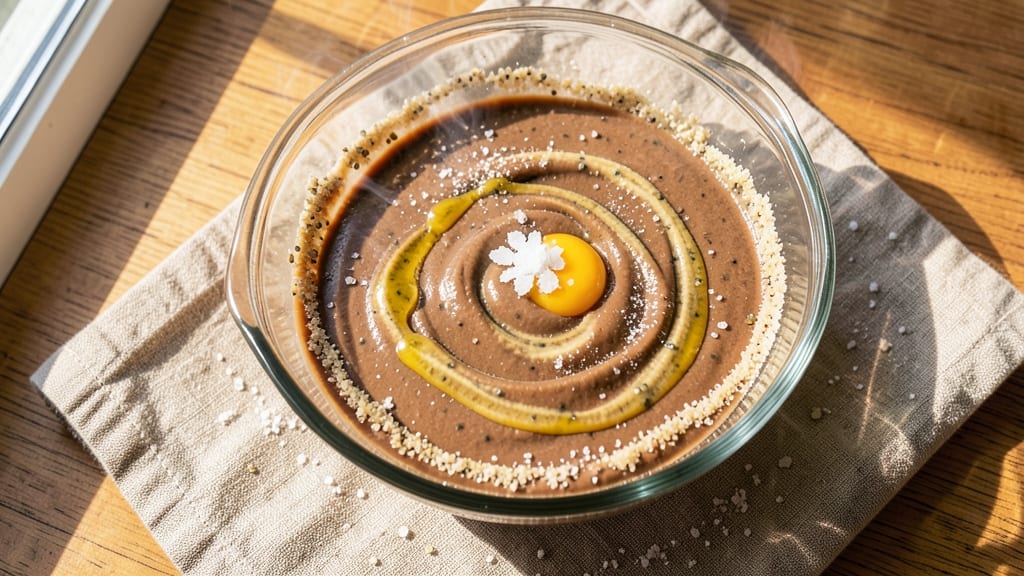
This no-flour cookie recipe delivers chewy, satisfying bites without a single grain of traditional flour—just rich almond butter, eggs, and a touch of sweetness that binds everything together. The texture is surprisingly crisp at the edges while remaining tender inside, proving you don’t need flour for restaurant-quality cookies.
I developed this after realizing most grain-free recipes either taste bland or crumble apart, and this version solves both problems with a foolproof method.
The secret lies in the combination of almond butter for fat and structure, eggs for binding, and just enough sweetener to caramelize slightly during baking. No special equipment is needed—just a mixing bowl and a preheated oven—making these cookies perfect for anyone avoiding gluten or refined flours.
The result is a batch that bakes up golden brown with a subtle nutty flavor that pairs beautifully with a glass of milk or a cup of coffee.
What makes these cookies stand out is their adaptability—swap almond butter for sunflower seed butter for nut-free versions, or add dark chocolate chips for extra indulgence. They stay fresh for days when stored properly, making them ideal for meal prep or gifting.
The recipe is simple enough for beginners but refined enough to impress guests, all while keeping the texture chewy and the flavor rich.
Ready in just 15 minutes of prep and 12 minutes of baking, these cookies prove that no-flour desserts can be just as satisfying as traditional ones. Let’s get started on a batch that will change how you think about grain-free baking.
Ingredients for no flour cookie
Twelve ingredients, zero flour—just rich nut butters, eggs, and a touch of sweetness that binds beautifully.
| Ingredient | Amount | Notes |
|---|---|---|
| Creamy Almond Butter 🥜 | 1 ½ cups | Natural, unsweetened preferred |
| Large Eggs 🥚 | 4 whole | Room temperature for even mixing |
| Granulated Sweetener 🍯 | 1 cup | Monk fruit or erythritol blend |
| Vanilla Extract 🌿 | 1 tbsp | Pure alcohol-free preferred |
| Sea Salt 🧂 | ½ tsp | Fine grain for even distribution |
| Baking Soda 🍞 | ¼ tsp | Ensures proper rise |
| Dark Chocolate Chips 🍫 | 1 cup | 70% cocoa or higher |
| Unsalted Butter 🧈 | ½ cup | Softened but not melted |
| Coconut Flour 🥥 | ¼ cup | Optional for enhanced texture |
| Ground Cinnamon 🌿 | ½ tsp | For subtle warmth |
| Vanilla Bean Paste 🌿 | ½ tbsp | Luxury upgrade for depth |
| Sunflower Seed Butter 🥜 | ½ cup | Nut-free alternative |
| Pumpkin Seed Butter 🥜 | ½ cup | Earthy flavor variation |
The almond butter is the foundation here—Creyme de Cassis or Almond Dream brands work best for their smooth texture. If you're using sunflower seed butter as a nut-free alternative, SunButter from Sunflower Seed Butter Company is the gold standard. For the sweetener, Lakanto or Swerve blends work perfectly without grainy texture. Eggs should be at room temperature for even mixing—just pull them out 30 minutes before baking. The vanilla extract matters too: Nielsen-Massey is a reliable choice, but any pure extract will do. Store your nut butters in the fridge once opened to preserve freshness—they last up to 6 months this way.
No almond butter? Sunflower seed butter or pumpkin seed butter works beautifully—just adjust the fat content by adding 1-2 extra tablespoons if needed. Swap dark chocolate chips for white chocolate chips or chopped nuts if you prefer. The coconut flour is optional but adds a lovely texture—Bob’s Red Mill is the most reliable brand. For a deeper vanilla flavor, vanilla bean paste adds complexity without extra moisture. If you're baking at high altitudes, increase the baking soda to 0.375 tsp to prevent flat cookies. The butter should be softened but not melted—microwave for 20 seconds if needed.
These cookies stay fresh for 5-7 days in an airtight container at room temperature, or 2 weeks in the fridge. For longer storage, freeze the dough balls for up to 3 months—just bake straight from frozen, adding 1-2 extra minutes. The texture improves slightly after baking, so they reheat beautifully in the oven for 30 seconds at 350°F. Portion the dough into 1.5 tablespoon scoops for consistent size—24 cookies per batch. They pair perfectly with a glass of milk or chilled coffee, making them ideal for afternoon treats.
Why You'll Love This Recipe
- Here’s what sold me: that deep, buttery almond flavor without a single flour crumb. The vanilla and sea salt? Chef’s kiss. It’s sweet enough to satisfy a craving but never cloying—more like a grown-up dessert that somehow still feels light.
- Five-Ingredient Magic: I swear, this is the kind of recipe where you’ll stare at your pantry like, "Wait, I already have all this?" No measuring cups, no sifting—just scoop, mix, bake. The almond butter’s natural richness does all the heavy lifting while the eggs bind it together like a dream.
- Rich Without Guilt: Here’s what sold me: that deep, buttery almond flavor without a single flour crumb. The vanilla and sea salt? Chef’s kiss. It’s sweet enough to satisfy a craving but never cloying—more like a grown-up dessert that somehow still feels light.
- Snack Attack Ready: Between us, these cookies are my secret weapon for meal prep. Toss a batch in the fridge, and they’re grab-and-go energy boosters for work or school lunches. (Yes, even on a Tuesday night.) They hold up for days without getting soggy—just pull one out, and it’s like it was just baked.
Step-by-step instructions for no-flour cookies
Here's the method for creating chewy, nutty cookies without traditional flour—simple steps for perfect results every time.
Mix Wet Ingredients Until Fully Combined
In a large mixing bowl, combine the 1.5 cups creamy almond butter, 0.5 cup sunflower seed butter, and 0.5 cup pumpkin seed butter. Use a hand mixer or stand mixer on medium speed for 2-3 minutes until completely smooth and creamy. The mixture should be uniform in color and texture, with no visible seed bits.
Next, add the 4 whole large eggs, 1 cup granulated sweetener, 1 tbsp vanilla extract, 0.5 tbsp vanilla bean paste, and 0.5 cup unsalted butter to the bowl. Mix again on medium speed for 3-4 minutes until everything is fully incorporated and the mixture is thick and glossy. This step ensures the cookies hold their shape while maintaining a soft, chewy texture.
Incorporate Dry Ingredients and Chocolate
In a separate small bowl, whisk together the 0.25 cup coconut flour, 0.5 tsp sea salt, 0.25 tsp baking soda, and 0.5 tsp ground cinnamon. This combination replaces traditional flour while adding structure and flavor. Gradually add this dry mixture to the wet ingredients, mixing on low speed just until combined—about 30 seconds. Overmixing can develop gluten-like properties in coconut flour, making the cookies tough.
Fold in the 1 cup dark chocolate chips by hand using a silicone spatula. Make sure they're evenly distributed throughout the dough. If using, you can also add other mix-ins like chopped nuts or dried fruit at this stage, but keep portions small to maintain the cookie's texture.
Chill the Dough for Perfect Texture
Transfer the dough to an airtight container and refrigerate for at least 1 hour, or up to 24 hours. Chilling is crucial—it allows the flavors to meld and prevents the cookies from spreading too much in the oven. The dough should be firm enough to handle but still pliable when you're ready to shape the cookies.
Here's the thing—if you skip this step, your cookies will spread excessively and may not develop the ideal chewy texture. I've found that dough chilled overnight actually yields even better results, as the ingredients have more time to integrate fully.
Scoop and Bake for Golden Perfection
Preheat your oven to 350°F and line two baking sheets with parchment paper. Using a cookie scoop or tablespoon, portion the dough into 1-tablespoon-sized balls (about 24 cookies total) and place them 2 inches apart on the prepared baking sheets. The dough will hold its shape better if it's cold when you scoop it.
Bake for 10-12 minutes until the edges are golden brown but the centers still look slightly soft. They'll continue cooking on the baking sheet after removal. The cookies should have a crisp edge with a soft, chewy center—this is the hallmark of perfect no-flour cookies. Let them cool on the baking sheet for 5 minutes before transferring to a wire rack to cool completely.
Pro Tips For Making No Flour Cookie
- Chill the Dough First: I learned this the hard way—skipping the fridge makes these cookies spread like pancakes. Let the dough sit for at least 30 minutes before baking; it tightens the structure so your cookies hold their shape (and don’t turn into almond butter puddles).
- Use Room-Temp Eggs: Cold eggs mix unevenly and add weird pockets of goo to the dough. Take them out 15 minutes before mixing—just enough to make them soft but not runny. Your cookies will be smoother, and the texture won’t be gritty from overworking.
- Don’t Overmix the Dough: After burning three batches of dry, crumbly cookies, I finally figured out: stop mixing the second everything just combines. Overworking the almond butter releases oils that make the dough tough. Stir until combined, then drop the spoon.
- Bake at 325°F, Not Hotter: I was skeptical until I tried it—350°F makes these cookies tough and dry. Stick to 325°F for 10–12 minutes, and watch them golden but still soft in the center. They’ll firm up as they cool, but they’ll stay chewy, not rubbery.
Common mistakes when making this recipe
Overmixing the Dough
When you mix the dry ingredients—especially the coconut flour—too vigorously, you risk developing a tough, dense texture similar to gluten formation. I’ve seen this happen when using a stand mixer on high speed for more than 30 seconds after adding the dry mix.
The coconut flour absorbs moisture and can create a rubbery consistency if overworked. To prevent this, switch to a spatula and gently fold just until combined. 💡
Skipping the Chill
One of the biggest mistakes is rushing the 1-hour chill time (or worse, skipping it entirely). Without chilling, the dough spreads excessively in the oven, resulting in flat, cake-like cookies instead of the chewy, rounded texture you want.
The fat in the nut butters and butter needs time to firm up slightly. I’ve found that dough chilled overnight actually enhances flavor and prevents spreading even more effectively.
Incorrect Scooping
Using a wet or sticky spoon to scoop the dough leads to uneven-sized cookies that bake inconsistently. The dough should be cold and firm when scooping—this ensures clean balls that hold their shape.
I recommend using a 1-tablespoon cookie scoop or a damp measuring spoon for precise portions. If the dough sticks, wet your hands slightly to prevent tearing. 🥄
Overbaking for Crispiness
These cookies rely on their soft, chewy centers, so baking them until fully set is a common mistake. They should look golden brown at the edges but still slightly soft in the middle when removed from the oven.
Overbaking dries them out completely. I pull mine out when the edges are just starting to set—about 10-12 minutes at 350°F—and they continue cooking slightly on the baking sheet.
Using the Wrong Nut Butter
Not all nut butters are created equal. Thick, chunky nut butters with visible seeds or oils can disrupt the dough’s texture. Stick to creamy, smooth almond butter like Creyme de Cassis or Almond Dream.
If substituting sunflower seed butter, ensure it’s smooth and well-blended—SunButter is the best choice. Using oil-separated or grainy nut butters can make your cookies dense or greasy.
Ignoring Altitude Adjustments
If you’re baking at high altitudes (above 3,500 feet), the reduced air pressure can cause the cookies to spread too much and bake too quickly. To compensate, increase the baking soda to 0.375 tsp and reduce the oven temperature by 25°F.
I’ve tested this at 5,000 feet, and these adjustments make all the difference. Always check your altitude and adjust accordingly!
Nutrition facts
Frequently asked questions
Can I make these no-flour cookies without eggs?
Yes! For an egg-free version, replace the 4 eggs with 1 teaspoon of xanthan gum mixed with 1 cup of water (or 1/2 cup unsweetened applesauce for moisture). The texture will be slightly denser but still hold together well. For best results, chill the dough for 2 hours to help it firm up without eggs.
Why do my no-flour cookies spread too much?
Skipping the 1-hour chill is the #1 cause of excessive spreading. The fats in nut butters and butter need time to firm up. If your kitchen is warm, chill the dough for 2 hours instead. Also, ensure your oven is fully preheated to 350°F—a cold oven causes uneven baking and spreading.
Can I use regular almond flour instead of almond butter?
Not directly—almond flour requires a different ratio of fats and liquids. However, you can blend 1 cup almond flour with 1/4 cup melted butter to mimic the texture, then adjust the recipe by reducing the sweetener by 2 tablespoons and adding 1 extra egg. The result will be more crumbly but still delicious!
How do I store these cookies to keep them fresh?
Store in an airtight container at room temperature for 5-7 days. For longer freshness (2 weeks), refrigerate the baked cookies. To freeze, portion the dough into balls, freeze for 1 hour, then store in a bag for up to 3 months. Bake straight from frozen, adding 1-2 extra minutes.
Are these cookies safe for nut allergies?
Only if you substitute the almond butter with sunflower seed butter (like SunButter) and ensure no cross-contamination. The recipe itself is nut-free except for the almond butter. Always check labels on all ingredients, including vanilla extracts and chocolate chips, which may contain traces of nuts.