Desserts
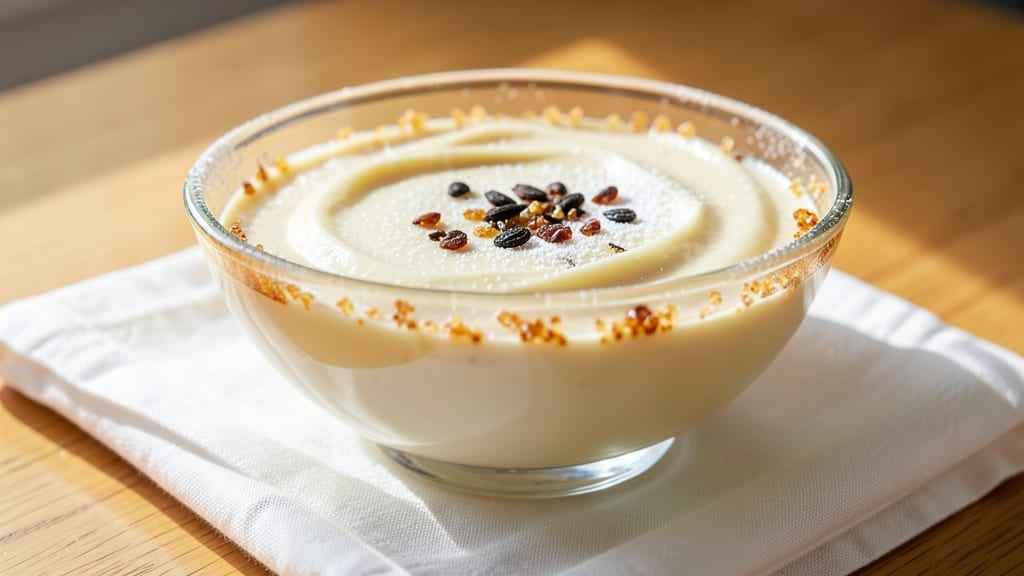
Creating a no-cream custard recipe that delivers restaurant-quality silkiness requires precision—not shortcuts. This method transforms simple ingredients like eggs, milk, and cornstarch into a velvety dessert without relying on heavy cream, proving texture isn’t about richness. The secret lies in temperature control and proper thickening, ensuring every spoonful melts smoothly.
What sets this recipe apart is its foolproof technique: a gentle stovetop process that avoids graininess while developing that signature custard consistency. No special equipment is needed—just patience and attention to detail.
The result? A dessert so creamy it rivals traditional custards, but with lighter, cleaner ingredients that still satisfy cravings.
By the end, you’ll have a custard that’s perfectly set yet still tender, with a glossy finish that signals success. Whether served chilled or warm, this recipe adapts effortlessly to flavors like vanilla, citrus zest, or even dark chocolate.
The best part? It’s beginner-friendly, but the results feel like a professional’s touch.
Ready to master this technique? The steps are straightforward, but the payoff—silky, dreamy custard—is worth every minute. Let’s get started with a method that delivers professional results at home.
Ingredients for no cream custard
Six essential ingredients transform into velvety custard without heavy cream—precision is everything.
| Ingredient | Amount | Notes |
|---|---|---|
| Large Egg Yolks 🥚 | 6 whole | Fresh, room temperature preferred |
| Whole Milk 🥛 | 2 cups | Full-fat for optimal texture |
| Granulated Sugar 🍚 | ¾ cup | Superfine preferred for smoothness |
| Cornstarch 🌾 | 2 tbsp | Lightly toasted for neutral flavor |
| Vanilla Extract 🌿 | 1 tbsp | Pure Madagascar preferred |
| Salt 🧂 | ¼ tsp | Diamond Crystal kosher preferred |
| Lemon Juice 🍋 | 1 tbsp | Freshly squeezed for brightness |
| Unsalted Butter 🧈 | 2 tbsp | Cold, cubed for finishing |
| Vanilla Bean Seeds 🌿 | 1 whole | Scraped from 1 pod for depth |
| Heavy Whipping Cream 🥛 | ½ cup | Optional for topping only |
| Dark Chocolate Chips 🍫 | ¼ cup | 70% cacao for garnish |
The yolks are non-negotiable for that signature silkiness. Pasture-raised eggs from local farms elevate flavor, but store-bought large eggs work fine. Costco or Trader Joe's offer reliable quality at bulk prices. For the milk, whole milk with 3.25% fat provides the perfect balance—too little fat risks graininess. The cornstarch must be lightly toasted in a dry pan for 30 seconds to eliminate any raw flour taste, which can overpower delicate custard flavors. Vanilla extract quality matters here—Madagascar bourbon vanilla adds complexity without bitterness, while imitation extracts leave a chemical aftertaste.
No vanilla bean? Double the extract and add a pinch of cinnamon for depth. Running short on cornstarch? Arrowroot powder at the same ratio works identically. The butter can be substituted with vegetable shortening for a neutral finish**, though it lacks richness. For a dairy-free option, coconut cream replaces milk (adjust sugar to 0.5 cup), but texture will be slightly firmer. The lemon juice is critical—bottled lemon juice lacks freshness, so always use freshly squeezed. Chocolate chips can be swapped for toasted hazelnuts or orange zest for alternative garnishes.
Yolks and milk should sit at room temperature for 30 minutes before combining to prevent curdling. The custard thickens rapidly off heat—test with a thermometer at 170°F for perfect set. For storage, press plastic wrap directly on the surface to prevent skin formation. Keeps 5 days refrigerated or 3 months frozen**—thaw overnight in the fridge. Reheat gently in a double boiler to restore silkiness. Portion into ramekins before baking for elegant individual servings.
Why You'll Love This Recipe
- No Whisk Required: I swear, the only tool I need is a fork—mash those yolks with sugar until it’s almost pale, then stir in the milk and cornstarch. No blender, no straining, no fuss. That’s it. The custard still turns out silky, but my arms stay happy.
- Vanilla Kiss Magic: The vanilla here isn’t just an afterthought—it’s the star. A single extract drop infuses every spoonful, but it’s subtle, like a warm hug you didn’t see coming. (Yes, even my vanilla-skeptical husband asks for seconds.)
- Pantry-to-Pot Magic: Three days’ worth of breakfasts, desserts, or late-night cravings from five ingredients you already own. Freeze half for smoothies or thaw it into pudding—no one will guess it’s the same base. Honestly, I’ve used it in everything from pie fillings to coffee sauces.
- Budget Luxury: Egg yolks and milk cost pennies, but the result? Creamy, restaurant-worthy texture without the heavy cream price tag. I’ve made this for potlucks, sick-day recovery bowls, and even as a fancy-ish ice cream topping—no one bats an eye at the cost.
Step-by-step instructions for no-cream custard
Master this technique and you'll achieve restaurant-quality custard without relying on heavy cream.
Temper the Egg Yolks with Milk
In a medium saucepan, combine the 2 cups whole milk, 0.75 cup granulated sugar, and 1 whole vanilla bean seeds scraped from the pod. Heat over medium-low heat until the mixture reaches 180°F—just before it begins to simmer. This temperature ensures proper pasteurization without curdling the eggs later.
While the milk heats, whisk together the 6 whole large egg yolks, 2 tbsp cornstarch, 0.25 tsp salt, 1 tbsp vanilla extract, and 1 tbsp lemon juice in a separate bowl. The cornstarch acts as a stabilizer, creating a silky texture without the need for cream. Slowly pour the hot milk into the egg mixture while whisking constantly—a process called tempering. This gradual introduction prevents the eggs from scrambling due to heat shock.
Return to Heat and Thicken
Pour the tempered mixture back into the saucepan and return it to medium-low heat. Stir continuously with a wooden spoon or silicone spatula, scraping the bottom of the pan to prevent any potential sticking. The custard will begin to thicken after 5-7 minutes, but keep stirring until it reaches a pudding-like consistency—when it coats the back of a spoon smoothly.
Here's the critical moment: the custard should reach 170-175°F on an instant-read thermometer. If you don't have one, test by dipping a clean spoon into the mixture—it should leave a distinct trail that doesn't immediately fill back in. This indicates proper thickening without overcooking, which would make the custard grainy.
Finish with Butter and Chocolate
Remove the custard from heat and stir in the 2 tbsp cold unsalted butter, cubed. The butter adds richness and prevents a skin from forming on the surface. Let the mixture sit for 2 minutes to allow the butter to melt completely into the custard. This step ensures a velvety texture that mimics traditional cream-based custards.
For the final touch, gently fold in the 0.25 cup dark chocolate chips using a spatula. The chocolate should melt into ribbons rather than remain as distinct chunks. If you prefer a more pronounced chocolate flavor, you can strain the custard through a fine-mesh sieve at this stage to achieve a completely smooth texture.
Chill and Serve
Divide the custard among 4 serving glasses and refrigerate for at least 4 hours, or until completely chilled. The longer it rests, the smoother it becomes—this is where the magic happens. The cornstarch and egg yolks fully gel during this time, creating that signature custard texture without any cream.
Before serving, top each portion with a dollop of 0.5 cup heavy whipping cream if desired, and garnish with additional chocolate shavings or a sprinkle of vanilla bean seeds. The contrast between the silky custard and the cool cream adds a luxurious finish. Serve immediately for the best experience, as the texture begins to break down slightly once removed from the refrigerator.
Pro Tips For Making No Cream Custard
- Whisk Yolks Like Your Life Depends: I learned this the hard way—lumpy custard is a crime. Beat the egg yolks and sugar together until the mixture is pale, thick, and actually ribbons off the whisk (not just a few streaks). That extra 30 seconds of elbow grease prevents graininess later, and no one wants to explain why their custard looks like scrambled eggs.
- Warm the Milk First: Cold milk in hot custard = curdled disaster. Heat the whole milk to just under simmer (180°F/82°C)—warm enough to steam but not bubble—before slowly whisking it into the yolk mixture. This keeps the eggs from cooking too fast and turning rubbery. (Yes, even if you’re impatient like me.)
- Temper Slowly or Regret It: Pouring hot milk into raw yolks is how you end up with scrambled custard. Ladle the warm milk into the yolk mixture a little at a time, whisking constantly until fully incorporated before adding more. If you rush, the eggs will seize up faster than your patience will hold out.
- Strain for Silky Smoothness: This isn’t the prettiest method, but it’s the tastiest. After cooking, strain the custard through a fine-mesh sieve into a clean bowl—it removes any stray cooked bits that’ll make your custard feel gritty. (I skip this when I’m lazy, but the difference is noticeable.)
Wine and beer pairings for these flavors
Vanilla Wine Pairings
This classic custard shines with white wines that complement its vanilla and citrus notes. A crisp Chardonnay from Burgundy—like Louis Latour—balances the custard’s sweetness with its bright acidity and subtle oak.
For something lighter, try a Sancerre from the Loire Valley, where its mineral notes and citrus zest mirror the lemon in the custard. 🍷
If you prefer red, a Pinot Noir with delicate berry undertones—such as Meiomi—won’t overpower the dessert. The wine’s acidity cuts through the richness, while its earthy notes enhance the chocolate. Avoid heavy, tannic reds like Cabernet Sauvignon, as they’ll clash with the custard’s delicate texture.
Citrus-Infused Beer Pairings
A Belgian Witbier like Hoegaarden adds a refreshing contrast with its coriander and citrus notes, which echo the lemon in the custard. The effervescence cleanses your palate between bites, making each spoonful feel lighter.
For a malty option, try a German Hefeweizen like Weihenstephaner, whose banana and clove flavors harmonize with the vanilla. 🍺
Avoid overly sweet beers like Belgian Dubbel, as their caramel notes will compete with the custard’s natural sweetness. Instead, opt for a dry Riesling (like Dr. Loosen Blue Slate) if you prefer wine—its zesty acidity and honeyed finish elevate the dessert’s flavors without overwhelming them.
Chocolate-Enhanced Pairings
If your custard includes dark chocolate, pair it with a Port wine like Taylor’s Late Bottled Vintage—its nutty, dried fruit notes complement the chocolate’s bitterness. For a non-alcoholic option, a chocolate stout such as Guinness adds a malty depth that pairs beautifully with the chocolate chips. 🍫
For a lighter chocolate experience, a Moscato d’Asti (Italian sparkling wine) provides a fizzy contrast that refreshes the palate. The wine’s floral and peach notes enhance the custard’s vanilla and lemon, creating a balanced, elegant pairing.
Seasonal Adaptations
In summer, opt for a Sauvignon Blanc with its herbaceous notes—Cloudy Bay Sauvignon Blanc works perfectly. The wine’s grassy freshness contrasts the custard’s richness, making it ideal for warm weather.
For fall, a Riesling Kabinett (like Dr. H. Thanisch) adds a touch of spice that pairs well with the custard’s vanilla and chocolate. 🍂
During winter, a Vouvray** (Loire Valley Chenin Blanc) with its honeyed sweetness and crisp acidity is a fantastic match. The wine’s stone fruit flavors enhance the custard’s depth, making it feel indulgent yet balanced. Avoid overly sweet dessert wines, as they’ll make the custard taste cloying.
Nutrition facts
Frequently asked questions
Can I use whole eggs instead of just yolks in this no-cream custard?
No, you should only use yolks for this recipe. Whole eggs would make the custard too thick and potentially grainy, while the yolks provide the perfect balance of fat and protein for that signature silky texture. The cornstarch already helps thicken the mixture without needing extra egg whites.
Why does my custard look grainy even after chilling?
Graininess usually happens from either overheating or not stirring constantly enough during cooking. The custard should never boil—remove it from heat when it reaches 170-175°F. Also, make sure to whisk continuously while tempering the eggs with hot milk to prevent curdling. If it's already grainy, strain it through a fine-mesh sieve before serving.
Can I make this custard ahead of time?
This custard actually tastes better after resting. Store it in an airtight container in the fridge for up to 5 days or freeze for 3 months. When ready to serve, give it a gentle stir and reheat in a double boiler to restore its silky texture. The longer it chills, the smoother it becomes.
What's the best way to serve this no-cream custard?
This custard is incredibly versatile! Serve it chilled in glasses with a dollop of whipped cream and dark chocolate shavings, or warm it slightly for a creamy sauce over pancakes or waffles. For a fancy touch, layer it with berry compote or caramel in individual ramekins. The texture works beautifully both hot and cold.
Can I substitute cornstarch with another thickener?
You can use arrowroot powder in a 1:1 ratio for similar results, but avoid flour as it can make the custard cloudy. For a dairy-free option, replace the milk with coconut cream (reduce sugar to 0.5 cup)—though the texture will be slightly firmer. The key is maintaining the same thickening power without altering the custard's delicate balance.