
Side Dishes
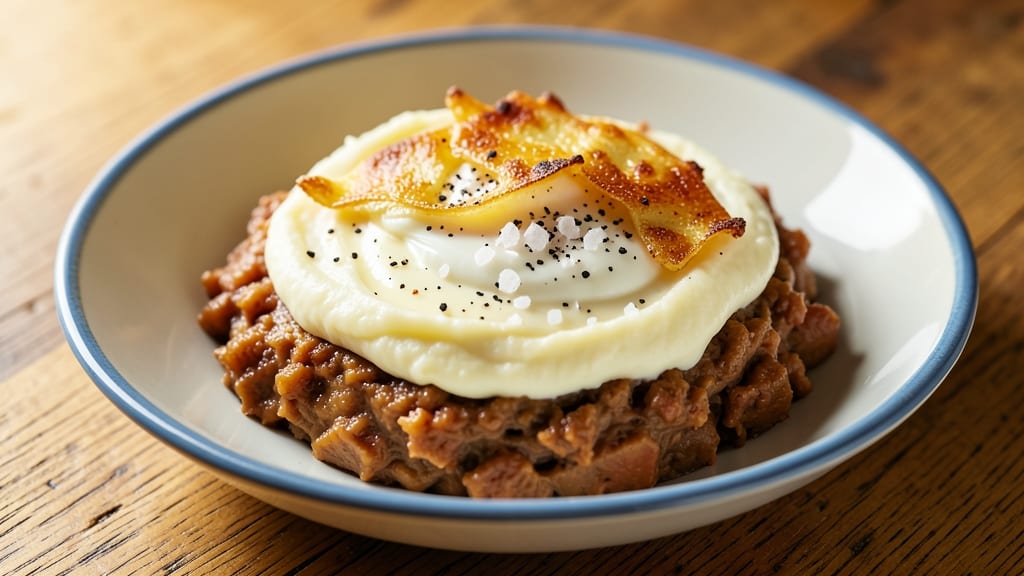
This mushed potatoes recipe guarantees velvety perfection—boil them just right, mash carefully, and balance butter and cream for silky, lump-free results. This recipe delivers restaurant-quality texture every time, using simple techniques that work whether you're feeding a crowd or just treating yourself.
The secret lies in patience and the right tools, which I'll walk you through step by step.
What sets this method apart is the focus on achieving that velvety consistency without overworking the potatoes. We start with properly peeled and cubed potatoes, boil them until tender, then drain completely before mashing.
This ensures no excess moisture interferes with that perfectly creamy finish. The butter and cream are added gradually, and we use a potato masher—not a food processor—to maintain that smooth, lump-free texture.
By the end, you'll have mashed potatoes that are rich, smooth, and lightly seasoned—ideal for pairing with roasted meats or holiday feasts. The technique is straightforward, but the results are undeniably professional. Whether you're a beginner or a seasoned cook, this method guarantees success every time.
For added flavor, consider incorporating roasted garlic, chives, or even a vegan adaptation using olive oil and plant-based milk. The possibilities are endless, but the foundation remains the same: perfectly boiled, thoroughly drained, and gently mashed potatoes. Let's get started!
Ingredients for mushed potatoes
Six ingredients transform into velvety, restaurant-quality mashed potatoes with zero lumps.
| Ingredient | Amount | Notes |
|---|---|---|
| Russet Potatoes 🥔 | 3 lb | Medium size, peeled and cubed |
| Unsalted Butter 🧈 | 1 cup | Cold, cut into small cubes |
| Heavy Cream 🥛 | 1 cup | Full-fat for richness |
| Whole Milk 🥛 | ½ cup | Warmed slightly for blending |
| Diamond Crystal Kosher Salt 🧂 | 1 ½ tsp | Adjust to taste |
| Freshly Ground Black Pepper 🌶️ | ½ tsp | Freshly cracked preferred |
| Roasted Garlic Cloves 🧄 | 3 cloves | Optional, for depth of flavor |
| Fresh Chives 🌿 | 2 tbsp | Chopped, for garnish |
Russet potatoes are your best bet for a smooth texture—their low moisture content and fluffy interior make all the difference. Buy them in bulk from Costco for the best price, or grab a few from the organic section at Whole Foods if you prefer. Skip the waxy potatoes like Yukon Golds here; they're better for roasting. Peeled and cubed evenly (about 1.5-inch pieces), they'll cook perfectly. Pro tip: Soak the peeled potatoes in cold water for 10 minutes before boiling to remove excess starch—this keeps them from turning gluey. And always boil them in well-salted water (about 1 tbsp salt per gallon) to speed up cooking and add flavor.
No heavy cream? Half-and-half or whole milk works, but you'll need to add an extra 2 tbsp butter to compensate for the richness. Butter matters here—European-style like Plugrá gives a deeper flavor, but any unsalted butter will do. Want to make it vegan? Swap the butter for olive oil or vegan butter and use plant-based cream. The roasted garlic is non-negotiable for that restaurant-quality depth—roast whole garlic bulbs at 400°F for 35 minutes until caramelized. Short on time? Two cloves of regular garlic, minced and sautéed in butter, works in a pinch. And if you're watching calories, reduce the butter to 0.75 cup and add an extra splash of milk to keep it creamy.
Boiled potatoes keep for 2 days in the fridge if stored in cold water, but mash them fresh for the best texture. The finished mashed potatoes reheat beautifully—just warm gently on the stove with a splash of milk to restore creaminess. For meal prep, portion into containers and store with a layer of plastic wrap pressed against the surface to prevent a skin from forming. They'll stay fresh for 3 days in the fridge or 3 months frozen. Freeze in a single layer on a tray first, then transfer to a bag for easy portions. And if you're serving a crowd, double the batch—this recipe scales perfectly.
Why You'll Love This Recipe
- Five-Ingredient Magic: I swear by this lineup—Russets for fluff, butter for richness, and just a splash of cream to tie it all together. No fancy gadgets, no stress, just peel, boil, mash, and boom—creamy perfection in minutes.
- Butter-Cream Dream: That first forkful? Pure indulgence. The butter melts into the warm potatoes while the cream adds just enough silkiness, and the salt? Oh, it’s the kind that makes you reach for seconds without thinking.
- Weeknight Workhorse: Serve it under roasted chicken, alongside meatloaf, or even as a breakfast hash. Honestly, I’ve had it for every meal except dessert, and it never lets me down—especially when I’m too tired to fuss.
- Leftovers That Win: Make a double batch and reheat them later—they’re just as good cold in sandwiches or warm with gravy. Between us, this is my go-to for lazy Sundays when I’d rather nap than cook.
Step-by-step instructions for creamy garlic mashed potatoes
Here's how to make velvety mashed potatoes with a rich garlic flavor and buttery texture.
Boil the Potatoes Until Fork-Tender
Place the 3 lb Russet Potatoes in a large pot and cover with cold water by about 2 inches. Add the 1.5 tsp Diamond Crystal Kosher Salt to the water as it comes to a boil. Bring to a rolling boil over high heat, then reduce to a gentle simmer for about 15-20 minutes.
You'll know they're done when a knife slides in easily and the potatoes are tender throughout. Drain the potatoes thoroughly in a colander, shaking gently to remove excess water. The potatoes should be completely dry before proceeding—this prevents watery mashed potatoes. If you skip this step, your final texture will be thin and soupy instead of creamy.
Mash the Potatoes with Butter and Milk
Return the drained potatoes to the pot and place it over low heat. Add the 1 cup Unsalted Butter (cut into small cubes) and the 0.5 cup Whole Milk. Using a potato masher or wooden spoon, mash the potatoes until they're smooth but still slightly lumpy—this helps incorporate air for a lighter texture.
Here's the thing—don't rush this step. You want to work the butter and milk into the potatoes until they're completely creamy. If you force mash too aggressively, you'll end up with gluey potatoes. The goal is silky smoothness with just a hint of resistance, like thick pudding. The roasted garlic cloves can be added now if using, or reserved for later if you prefer to blend them in separately for more control over the flavor intensity.
Add Cream and Season to Perfection
Remove the pot from heat and stir in the 1 cup Heavy Cream and the 0.5 tsp Freshly Ground Black Pepper. The cream will help create that luxurious, velvety texture that separates this recipe from basic mashed potatoes. If you're using the roasted garlic cloves, add them now and mash them into the potatoes for a subtle, sweet garlic flavor that infuses beautifully.
Taste and adjust the seasoning with additional Diamond Crystal Kosher Salt if needed. Real talk: this is where most home cooks go wrong—they underseason. Don't be shy with the salt; mashed potatoes should be rich and flavorful. The cream and butter already add saltiness, so you might only need a pinch or two more to balance everything. The final consistency should be smooth, thick, and pipeable—like the creamiest restaurant-style mash you've ever had.
Finish with Fresh Chives and Serve Warm
Transfer the mashed potatoes to a serving bowl and gently fold in the 2 tbsp Fresh Chives. The chives add a bright, fresh contrast to the rich, creamy potatoes. For the best presentation, pipe the potatoes onto a platter using a star tip if you're feeling fancy, or simply spread them evenly onto a warm serving dish.
Let them rest for 2-3 minutes before serving to allow the flavors to meld completely. The potatoes should be warm throughout, with a glossy finish from the cream and butter. Serve immediately alongside your favorite protein or in a gratin dish for an extra decadent experience. The texture should be so smooth it practically melts in your mouth, with no lumps or wateriness in sight.
Pro Tips For Making Mushed Potatoes
- BOIL THEM WHOLE: Peel and chop the Russets into 1.5-inch chunks—no need to dice them small. Boiling them whole keeps them from turning to glue when mashed later. I learned this the hard way after making a lumpy mess from overworking undercooked potatoes.
- SALT THE WATER LIKE THE OCEAN: Use 2 tablespoons of kosher salt in the boiling water—yes, even if the recipe says less. Russets soak up flavor, and this step guarantees they’re seasoned through. (Your future self will notice the difference when tasting the final dish.)
- DON’T RUSH THE DRAINING: Let the boiled potatoes sit in the colander for 30 seconds after draining. This lets excess steam escape, making them easier to mash without a gloppy texture. Skipping this step is how you end up with a sad, sticky pile.
- MIX THE DAIRY FIRST: Warm the heavy cream and whole milk together (just until steaming, not boiling), then whisk in the butter until fully melted. Fold this into the potatoes last—it creates a silkier finish than dumping cold dairy on hot spuds. (Yes, even if you’re impatient like me.)
Serving suggestions for mushed potatoes
Classic Comfort Pairings
These mashed potatoes shine alongside roasted turkey or ham for holiday meals. The creamy texture soaks up rich gravies beautifully—I like to serve them in a warm ceramic dish with a sprinkle of extra black pepper.
For weeknight dinners, pair them with pan-seared chicken thighs or beef short ribs for a hearty meal. 🍽️
Garnish Game-Changers
Fresh chives add a bright pop of color, but don’t stop there. Try crispy fried shallots for crunch or toasted pumpkin seeds for a nutty contrast. For extra decadence, top with crumbled bacon or crispy prosciutto right before serving.
A drizzle of truffle oil (just ½ teaspoon) elevates the dish to restaurant-level sophistication.
Dinner Party Plating
For elegant gatherings, pipe the mashed potatoes onto a platter using a star tip for a professional touch. Arrange them in a swirl pattern around the edge of the dish, leaving the center open for other sides.
Serve in individual ramekins for a chic, portion-controlled presentation. I love using dark green plates to make the creamy yellow potatoes stand out even more.
Leftovers Reinvented
Transform leftover mashed potatoes into potato pancakes by mixing with an egg and shredded cheese, then pan-frying. Or layer them in a baking dish with cheddar cheese and bacon for a cheesy potato gratin.
For a quick lunch, stuff them into baked potatoes and broil until golden. The possibilities are endless—just reheat gently with a splash of milk to restore creaminess. 💡
Global Twist Variations
For a German-inspired twist, stir in caramelized onions and sour cream for a tangy kick. In India, mix with garam masala and cream cheese for a fusion dish called Aloo Masala.
Japanese potato hot pot calls for adding dashi broth and green onions—simply simmer the mashed potatoes with these ingredients until bubbly. Each variation keeps the creamy base while adding exciting new flavors.
Kid-Friendly Serving
Make mashed potatoes fun for little ones by shaping them into ridges with a fork or piping them into fun shapes using cookie cutters. Serve with ketchup or honey butter for dipping.
For picky eaters, mix in shredded cheddar or finely chopped ham before serving. I’ve even seen parents use cookie cutters to make potato "cookies" that kids love to eat with their fingers!
Nutrition facts
Frequently asked questions
Why do my mashed potatoes turn out gluey?
Gluey potatoes usually happen when you don't drain them completely or add liquid too early. Always shake potatoes in a colander after draining, and let them cool slightly before mashing. Also, add butter and milk gradually while mashing—don't dump them all at once. The goal is to incorporate moisture, not add it all at the start.
Can I make mashed potatoes ahead of time?
Yes! Cook and mash them as directed, then store in an airtight container. Reheat gently on the stove with a splash of milk or cream to restore creaminess. For best texture, reheat in short bursts at low heat—never microwave directly. They'll keep for 3 days in the fridge or 3 months frozen.
What's the best potato for creamy mashed potatoes?
Russet potatoes are ideal—they're low-moisture and fluffy when cooked. Avoid waxy varieties like Yukon Golds (better for roasting) or red potatoes (too dense). For extra smoothness, soak peeled potatoes in cold water for 10 minutes before boiling to remove excess starch.
How do I fix lumpy mashed potatoes?
If you end up with lumps, don't panic! Return the potatoes to the pot and add 2-3 tablespoons of warm milk or cream. Mash gently with a potato masher or wooden spoon until smooth. For stubborn lumps, press through a fine-mesh sieve or food mill. The key is patience—don't overwork them with a fork or mixer.
Can I make this recipe vegan?
Replace butter with olive oil or vegan butter (use 1 cup total) and swap heavy cream for full-fat coconut milk or cashew cream. For extra richness, add 1 tablespoon nutritional yeast. The texture will be equally creamy, just with plant-based ingredients.