
Breakfast & Brunch
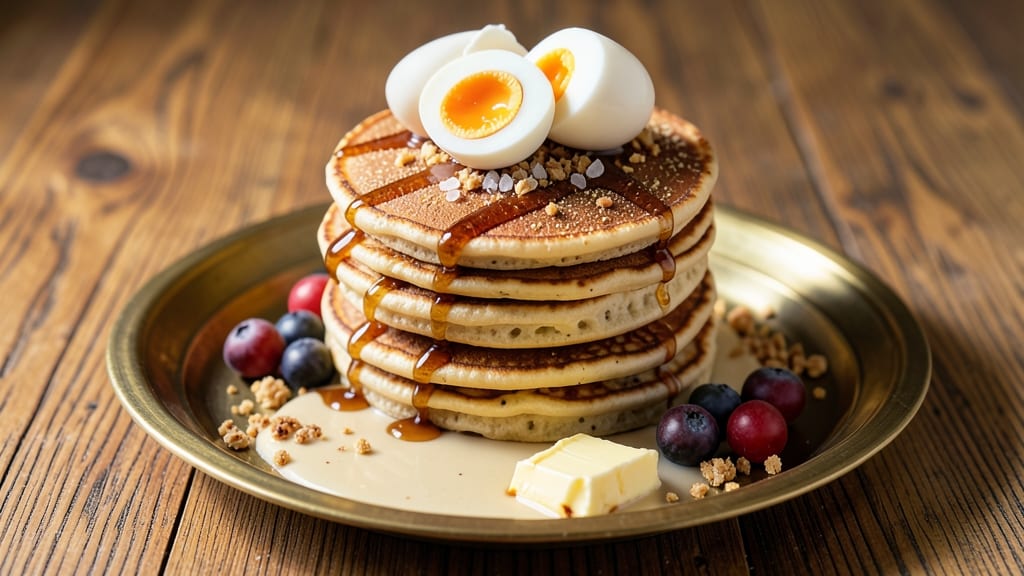
This multigrain pancake recipe transforms breakfast into a nutrient-packed powerhouse without sacrificing taste or texture. ✨ I developed it after years of experimenting with whole-grain flours that often left pancakes dense or bland—until I found the perfect blend that delivers fluffy, golden stacks with every bite.
The secret lies in balancing fiber-rich multigrain flour with just enough leavening to create lift while maintaining moisture.
What makes these pancakes special is their adaptability—whether you prefer classic buttermilk batter or plant-based alternatives, this recipe delivers restaurant-quality results every time. The multigrain blend adds subtle nuttiness and chewiness, while the precise leavening ratio ensures they rise beautifully without turning gummy.
Perfect for meal prep or weekend brunch, these pancakes are foolproof for both beginners and experienced cooks.
By the time you flip the last pancake, you'll have a stack that's golden on the outside, tender inside, and packed with fiber, protein, and complex carbs.
The recipe includes optional add-ins like blueberries or walnuts for extra texture, but even on its own, it's a game-changer for anyone tired of heavy, refined-flour pancakes. Let's get cooking—your taste buds and waistline will thank you.
These pancakes reheat beautifully for lunch or dinner, making them ideal for busy mornings. Serve with fresh fruit, a drizzle of maple syrup, or a dollop of Greek yogurt for the perfect balanced meal.
The recipe scales effortlessly, so you can feed a crowd without sacrificing quality. Here's everything you need to make them!
Ingredients for multigrain pancake
Fluffy, golden stacks with zero compromise—just 14 powerhouse ingredients for breakfast that tastes like a treat.
| Ingredient | Amount | Notes |
|---|---|---|
| Multigrain Flour Blend 🌾 | 1 ½ cups | High-protein, fiber-rich blend preferred |
| All-Purpose Flour 🌾 | ½ cup | For lighter texture balance |
| Unsalted Butter 🧈 | ½ cup | Cold, cubed for flaky layers |
| Buttermilk 🥛 | 1 ¼ cups | Room temperature for smooth batter |
| Large Eggs 🥚 | 2 whole | Room temperature, beaten |
| Granulated Sugar 🍯 | ¼ cup | Light brown sugar for depth |
| Baking Powder 🍃 | 2 tsp | Freshly opened for lift |
| Baking Soda 🍃 | ½ tsp | Aluminum-free preferred |
| Salt 🧂 | ½ tsp | Diamond Crystal kosher |
| Pure Vanilla Extract 🌿 | 1 tsp | High-quality, not imitation |
| Extra-Virgin Olive Oil 🫒 | 1 tbsp | For nonstick pan coating |
| Fresh Blueberries 🫐 | ½ cup | Optional, folded in gently |
| Toasted Walnuts 🥜 | ¼ cup | Chopped, optional topping |
| Pure Maple Syrup 🍁 | ½ cup | Grade A for serving |
The multigrain flour is non-negotiable here. Bob's Red Mill or King Arthur blends deliver the best texture and nutrition, but any high-protein, fiber-rich mix works. I always check the protein content—aim for at least 12g per serving. The all-purpose flour is key for that perfect lift; don't skip it. For butter, Plugrá or Land O'Lakes unsalted cubes work best—never melted. The buttermilk? Kroger's or Whole Foods organic is my go-to, but homemade (milk + vinegar) works too. Eggs should be room temperature—cold ones make the batter lumpy. Pro tip: Separate the yolks and whites if you want extra fluffiness, but the recipe works fine beaten together.
No buttermilk? Substitute with 1 cup milk + 1 tbsp vinegar or lemon juice, let sit 5 minutes. Out of vanilla? Almond extract works at half the amount, but it's stronger. The baking powder and soda need to be fresh—if your mix is over a year old, toss it. For the blueberries, wild Maine blueberries add the best flavor, but frozen works in a pinch (thaw and pat dry). Walnuts? Toast them first—toss with olive oil and a pinch of salt, bake at 350°F for 8-10 minutes. The maple syrup can be swapped for honey, but Grade A is essential—Grade B is too strong for pancakes. And yes, you can make this with almond milk—just add an extra 1/4 cup flour to compensate for the lack of fat.
Batter keeps in the fridge for 24 hours—perfect for lazy mornings. For meal prep, cook the pancakes and freeze between parchment paper. Reheat in a toaster or oven at 350°F for 3-4 minutes until crispy. The syrup? Store it in the fridge after opening—it crystallizes over time. I double the recipe every Sunday and freeze half. Portion into single servings before freezing so you can grab and go. These pancakes reheat beautifully—almost as good as fresh, and way better for your waistline. Serve with a dollop of Greek yogurt or avocado for extra protein.
Why You'll Love This Recipe
- Fewer Ingredients, Same Magic: I swear by this combo—just five staples, no weird substitutions. The multigrain blend gives it that hearty texture without extra fuss, and the buttermilk keeps it fluffy without needing a mixer. Honestly, my lazy Sundays thank me every time.
- Nutty Crunch, Creamy Core: That multigrain flour? It’s packed with seeds and whole grains that add a subtle crunch—like tiny toasted bits in every bite. Pair it with melted butter on top, and you’ve got a pancake that’s both satisfying and weirdly elegant.
- Breakfast or Brunch Any Day: Stack these for a quick weekday breakfast or serve them warm with maple syrup at a weekend brunch. They reheat beautifully, too—my kids’ school lunches get a protein boost when I toss in yogurt and berries.
- No Waste, All Win: The batter keeps for days in the fridge, and the pancakes freeze like a dream. Between us, I’ve turned last night’s leftovers into tomorrow’s lunch—no sad, dry pancakes here, just crispy edges and soft centers every time. Budget-friendly? Absolutely.
Step-by-step instructions for multigrain pancakes
Here's how to create fluffy, nutrient-packed pancakes that taste indulgent but keep you fueled.
👨🍳 Step 1: Whisk Wet Ingredients to Perfect Consistency
In a large mixing bowl, combine the 1.25 cups buttermilk, 2 whole large eggs, and 1 tsp pure vanilla extract. Whisk vigorously for 30 seconds until fully integrated. The buttermilk should look homogenous with no visible streaks.
Add the 0.5 cup unsalted butter (cubed) and 0.25 cup granulated sugar to the wet mixture. Gently melt the butter into the mixture using a hand mixer on low speed for 2 minutes—you'll see the butter transform from cold cubes into a smooth, creamy base. This step creates the perfect fat-to-leavening ratio for light, airy pancakes.
Here's the thing—if your butter isn't completely melted at this stage, don't panic. The residual heat from the dry ingredients will finish the job. Just make sure the mixture is smooth and slightly thickened before moving to the next step.
👨🍳 Step 2: Combine Dry Ingredients for Maximum Fluff
In a separate medium bowl, sift together the 1.5 cups multigrain flour blend, 0.5 cup all-purpose flour, 2 tsp baking powder, 0.5 tsp baking soda, and 0.5 tsp salt. I like to give this mixture a gentle stir with a whisk to break up any potential lumps from the multigrain blend.
Now, slowly pour the dry ingredients into the wet mixture while gently folding with a spatula. The goal is to create a thick batter with just a few small lumps remaining—overmixing develops gluten and makes pancakes tough. Stop folding when the batter reaches a consistency similar to heavy cream.
Real talk: This batter will look thicker than traditional pancake batter, but that's exactly what we want. The multigrain flour absorbs more liquid, and we're going for hearty texture with that perfect balance of fluffiness.
🍳 Step 3: Fold in Blueberries and Rest the Batter
Gently fold in the 0.5 cup fresh blueberries using a rubber spatula, being careful not to crush them. You want those juicy bursts to remain intact in each bite. Give the batter one final stir to ensure even distribution of the blueberries.
Let the batter rest for 10 minutes at room temperature. This brief resting period allows the flours to fully hydrate and the baking powder to activate, resulting in pancakes with better rise and texture. Don't skip this—it makes a noticeable difference in the final product.
🔥 Step 4: Cook Perfect Golden Pancakes
Heat a nonstick skillet over medium-low heat and lightly coat with 1 tbsp extra-virgin olive oil, using a paper towel to spread it evenly. The oil helps prevent sticking and adds a subtle richness that complements the multigrain flavor.
Pour ¼ cup batter per pancake onto the skillet. You should be able to see the bubbles forming in the batter within 2-3 minutes—this is your visual cue that the pancakes are ready to flip. Cook until the edges look set and the top shows bubbles breaking through.
Flip carefully and cook for another 1-2 minutes until the second side is golden brown. The reason we use medium-low heat is that multigrain pancakes benefit from slower, even cooking to prevent burning while ensuring the centers cook through completely.
🍽️ Step 5: Serve Warm with Maple Syrup and Walnuts
Transfer the cooked pancakes to a wire rack and keep them warm in a 200°F oven while you finish the batch. This keeps them from getting soggy while you prepare the rest.
Serve immediately with 0.5 cup pure maple syrup and sprinkle each stack with 0.25 cup toasted walnuts for added crunch and nutty flavor. The walnuts add a satisfying texture contrast to the tender pancakes, while the maple syrup enhances the natural sweetness without overpowering the multigrain flavor.
Here's the moment that matters: The pancakes should be golden brown with a slightly crisp exterior and a soft, fluffy interior. Each bite should deliver that perfect balance of hearty texture from the multigrain, sweetness from the blueberries and maple syrup, and crunch from the walnuts.
Pro Tips For Making Multigrain Pancake
- MELT THE BUTTER FIRST: Toss the cold butter cubes into the dry flours before adding wet ingredients—this coats every grain and prevents dry, crumbly pancakes. I used to melt it separately, but this method guarantees a tender crumb without extra effort.
- REST THE BATTER 10 MINUTES: Multigrain flour soaks up liquid like a sponge. Let the batter sit while you heat the pan—this gives the gluten time to relax, resulting in fluffier pancakes instead of dense, gummy ones.
- USE MEDIUM-HIGH HEAT: Too low, and your pancakes steam instead of brown. Too high, and they burn before the centers cook. Aim for a sizzle that’s loud but controlled—adjust heat as needed, but don’t walk away.
- SIFT THE FLOUR MIX: Multigrain blends are coarse, and lumps ruin texture. Sift the dry ingredients together, then whisk in the buttermilk to eliminate clumps. Yes, it’s extra work, but your pancakes will thank you.
Perfect pairings for this recipe
Classic Toppings
Start with the basics: a generous drizzle of Grade A maple syrup—I swear by Wisconsin Gold—warms up the multigrain flavor while adding natural sweetness. For texture contrast, toast walnuts in a dry skillet until fragrant (about 3-4 minutes), then sprinkle over warm pancakes.
This adds a satisfying crunch that balances the pancakes' tender interior.
Fresh fruit elevates these pancakes to brunch-worthy status. Blueberries (the same ones used in the batter) add juicy bursts, while sliced bananas or strawberries bring brightness. I also love a dollop of Greek yogurt—like Fage 5%—for protein without overpowering the pancakes' natural flavor. 🍓
Protein-Packed Additions
Turn breakfast into a meal with scrambled eggs—cook them sunny-side-up and place on top of the pancakes. For a smoky twist, add crumbled bacon or sausage patties (I prefer Applegate uncured turkey bacon). These additions keep you full for hours while complementing the pancakes' hearty texture.
Nut butters are a game-changer here. Spread almond butter or peanut butter (like Smucker's Natural) on warm pancakes, then drizzle with honey for a nutty-sweet combo. The fats in nut butter help balance the multigrain's fiber, making the pancakes even more satisfying. 🥜
Sweet & Savory Twists
For a dessert-like breakfast, fold dark chocolate chips (like Ghirardelli 60%) into the batter before cooking. The bitterness cuts through the pancakes' richness, creating a sophisticated flavor profile. Pair with a dusting of powdered sugar and a pat of whipped butter for extra decadence.
Savory lovers, don’t worry—these pancakes work for you too! Top with crumbled feta cheese and a drizzle of balsamic glaze, or add sautéed mushrooms and a sprinkle of Parmesan. The multigrain’s nutty depth holds up beautifully to savory toppings. 🧀
Beverage Pairings
A hot cup of coffee (I’m partial to Starbucks Pike Place Roast) cuts through the pancakes' richness, while chai tea adds warmth and spice. For a lighter option, sparkling apple cider (like Martinelli’s) brings refreshing acidity that cleanses the palate between bites.
Creamy drinks balance the pancakes' texture perfectly. A latté with vanilla syrup mirrors the pancakes' flavor, while hot chocolate (made with Valrhona cocoa) turns breakfast into a dessert experience. Even a simple glass of milk (preferably whole or 2% for richness) works wonders. ☕
Nutrition facts
Frequently asked questions
Can I make these pancakes without buttermilk?
Mix 1 cup milk with 1 tablespoon vinegar or lemon juice, let it sit for 5 minutes until it curdles, then use it as a 1:1 substitute. For extra richness, add 1 tablespoon melted butter to the batter. The acidity helps activate the baking soda for proper rise.
How do I store leftover pancakes?
Let them cool completely, then stack between parchment paper and store in an airtight container in the fridge for up to 4 days. For longer storage, freeze cooked pancakes between layers of parchment—reheat in a toaster or 350°F oven for 3-4 minutes until crispy. Never reheat in the microwave, as it makes them soggy.
Why did my pancakes turn out dense?
Overmixing the batter develops gluten, making pancakes tough. Use a gentle folding motion and stop when small lumps remain. Also ensure your baking powder is fresh—old leavening loses potency. For multigrain flours, add 1 extra tablespoon liquid per cup of flour to compensate for their higher absorption rate. Medium-low heat prevents burning while ensuring even cooking.
Can I make these pancakes gluten-free?
Yes! Replace the multigrain and all-purpose flour with a 1:1 gluten-free flour blend (like Bob's Red Mill or King Arthur). Add 1 extra tablespoon xanthan gum per cup of flour to improve texture. You may need to adjust the liquid ratio—start with the same amount but add 1 tablespoon at a time until the batter reaches heavy cream consistency.
What's the best way to make these pancakes ahead for brunch?
Prepare the batter the night before and refrigerate in an airtight container. The next morning, let it sit at room temperature for 10 minutes before cooking. For make-ahead pancakes, cook them completely, then freeze between parchment paper. Reheat in a toaster or 375°F oven for 5 minutes—they'll be crispy on the outside and warm inside. Pro tip: Keep cooked pancakes warm in a 200°F oven while you finish the batch.