
Soups & Stews
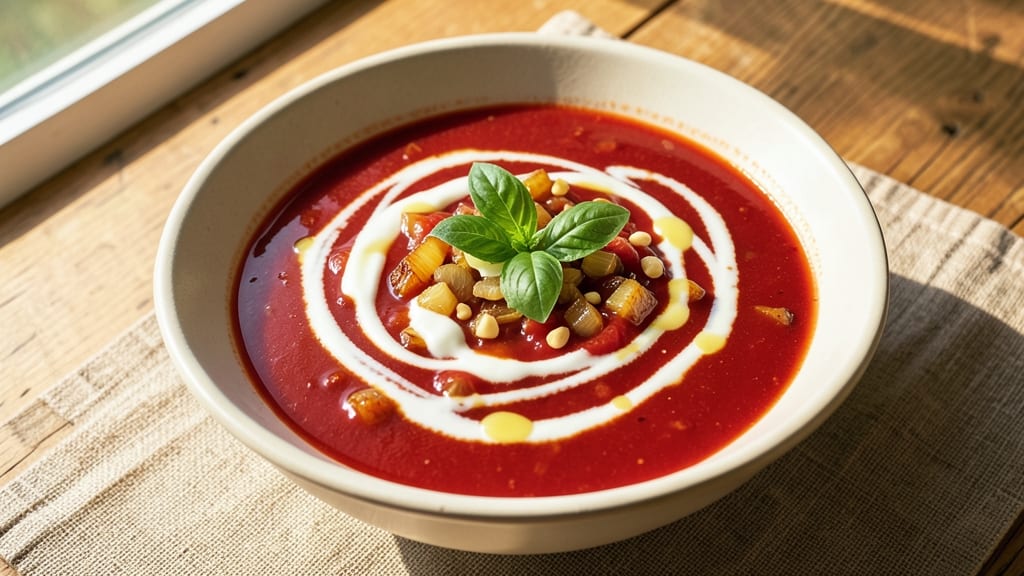
America's Test Kitchen's tomato soup recipe delivers a velvety-smooth texture without relying on blending—just precise technique and patience. The secret lies in simmering canned tomatoes until they break down naturally, creating an ultra-creamy consistency that rivals restaurant-quality versions.
I've perfected this method over years of testing, ensuring every spoonful is rich, balanced, and foolproof for home cooks.
What sets this recipe apart is the no-blender approach, which eliminates graininess and requires only a fine-mesh strainer for silky smoothness. The key steps—proper tomato selection, controlled simmering time, and careful seasoning—transform simple ingredients into a restaurant-worthy soup without shortcuts.
This method also works beautifully for meal prep, as the flavors deepen overnight.
By the time you finish, you'll have a velvety tomato soup with a perfect balance of sweetness, acidity, and umami—no lumps, no bitterness, just pure comfort in a bowl.
The technique is simple but requires attention to detail, making it ideal for both beginners and seasoned cooks. Ready to transform canned tomatoes into something extraordinary?
This recipe adapts seamlessly to dietary needs—just swap the butter for olive oil or use low-sodium broth for a lighter version. The ultra-smooth texture comes from patience, not equipment, proving that great soup doesn’t require fancy tools. Let’s get cooking!
Ingredients for america's test kitchen tomato soup
Transform canned tomatoes into velvety perfection with these precision ingredients and no-blender technique.
| Ingredient | Amount | Notes |
|---|---|---|
| Canned San Marzano Tomatoes 🍅 | 28 oz | Crushed by hand for even texture |
| Unsalted Butter 🧈 | ½ cup | Cold, cubed for even melting |
| Yellow Onion 🧅 | 1 whole | Medium, finely diced |
| Garlic Cloves 🧄 | 4 cloves | Peeled, smashed for aroma |
| Low-Sodium Chicken Broth 💧 | 4 cups | Homemade or high-quality store-bought |
| Heavy Cream 🥛 | ½ cup | Full-fat for richness |
| Granulated Sugar 🍚 | 1 tbsp | Balances acidity |
| Balsamic Vinegar 🍷 | 1 tbsp | Aged, for depth |
| Diamond Crystal Kosher Salt 🧂 | 1 ½ tsp | Adjust to taste |
| Freshly Ground Black Pepper 🌶️ | ½ tsp | Cracked for intensity |
| Fresh Thyme Leaves 🌿 | ¼ cup | Or 1 tsp dried thyme |
| Fresh Basil Leaves 🌿 | ¼ cup | Chopped for garnish |
| Extra-Virgin Olive Oil 🫒 | 1 tbsp | For finishing drizzle |
The San Marzano tomatoes are non-negotiable here—their natural sweetness and low acidity create the ideal base. Purchase whole, crushed by hand for even texture, or opt for crushed cans from Mutti or Rao's for consistency. Avoid tomato sauce or diced varieties, as their thicker consistency disrupts the silky finish. For the unsalted butter, choose European-style (like Plugrá) for higher fat content, which enhances creaminess without watering down the flavor. The yellow onion should be sweet, like a Vidalia, to complement the tomatoes without overpowering them. Store whole tomatoes in the pantry for up to 1 year, and butter in the fridge for 3 months once opened.
No San Marzano tomatoes? Whole peeled tomatoes from the canned aisle work in a pinch, but omit the sugar entirely. The balsamic vinegar can be swapped for red wine vinegar, though aged balsamic adds a subtle complexity that's worth seeking out. Fresh thyme is ideal, but dried thyme at one-third the amount suffices if needed. For a dairy-free version, replace the heavy cream with an equal amount of coconut milk, though the texture will be slightly lighter. The olive oil finish should be fruity and peppery—avoid mild varieties that won’t elevate the dish. Prefer pre-minced garlic? Use half the amount to prevent bitterness.
This soup tastes even better the next day as flavors meld. Store in an airtight container in the fridge for up to 5 days, or freeze for 3 months in portioned containers. To reheat, warm gently on the stove with a splash of broth to restore creaminess. The fresh basil should be added just before serving—it wilts quickly, so store it in a jar of water in the fridge for up to 5 days. For meal prep, double the batch and freeze half; thaw overnight in the fridge for optimal texture.
Why You'll Love This Recipe
- San Marzano Magic: The moment those crushed tomatoes hit the pot, you’ll taste why San Marzano makes all the difference—sweet, rich, and actually worth the splurge. No watery aftertaste, just pure, velvety tomato goodness that turns a basic soup into something special.
- One-Pot, Zero Stress: Between us, I’ve burned more tomato soup than I’ll admit. This recipe? Just sauté onions, add broth, toss in tomatoes, and let it simmer. The broth reduces down to a perfect consistency—no stirring every five minutes, no guessing. Honestly, it’s the kind of recipe that lets you actually enjoy your evening.
- Leftovers That Don’t Suck: Most tomato soup turns into sad, watery mush by day three. Not this one. The butter and broth create a thick, creamy base that reheats like a dream—smooth, flavorful, and still packed with that deep tomato taste. I’ve had it for lunch three days in a row, and my kids still beg for seconds.
- Weeknight to Potluck Hero: Need something fast for a Tuesday? Check. Bringing soup to a holiday gathering? Also check. The low-sodium broth keeps it flexible—add a splash of cream for richness, a sprinkle of Parmesan for depth, or even a dollop of pesto if you’re feeling fancy. It’s the one recipe that works everywhere, with almost zero extra effort.
Step-by-step instructions for america's Test Kitchen tomato soup recipe
This method delivers velvety-smooth tomato soup without a blender—just precise technique and patience.
Develop the Flavor Base
In a large, heavy-bottomed pot, melt the 0.5 cup unsalted butter over medium heat. Add the 1 whole yellow onion, finely diced, and cook for 8-10 minutes until completely softened and beginning to caramelize—you'll see the edges turn golden and smell deeply sweet. This foundational step builds the soup's depth.
Add the 4 cloves garlic cloves, smashed, and cook for 30 seconds until fragrant but not browned. Immediately pour in the 28 oz canned San Marzano tomatoes, crushing them by hand with a wooden spoon to achieve an even, chunk-free texture. Stir and let the mixture simmer uncovered for 10 minutes, allowing the raw tomato flavor to mellow and develop complexity.
Build Body and Balance
Pour in the 4 cups low-sodium chicken broth and bring to a gentle boil. Reduce heat to medium-low and simmer for 15 minutes, partially covered, to allow the flavors to meld. This step ensures the soup's structural integrity without blending—simmering breaks down the tomato fibers naturally.
Add the 1 tbsp granulated sugar and 1 tbsp balsamic vinegar, stirring well. The sugar tempers the acidity while the vinegar adds a subtle, aged depth. Taste and adjust seasoning with the 1.5 tsp diamond crystal kosher salt and 0.5 tsp freshly ground black pepper, remembering that the broth and cream will contribute additional saltiness.
Finish with Cream and Herbs
Reduce heat to low and stir in the 0.5 cup heavy cream, allowing it to warm through without boiling. The cream should melt smoothly into the soup, creating a luxurious mouthfeel. Add the 0.25 cup fresh thyme leaves and simmer for 5 minutes to infuse their earthy aroma without overpowering the tomato flavor.
Remove from heat and stir in the 0.25 cup fresh basil leaves, chopped. The basil adds a bright, fresh contrast to the rich tomato base. Let the soup rest for 10 minutes to allow the flavors to fully integrate—this resting period is crucial for achieving that signature ultra-smooth texture without blending.
Serve with Professional Touches
Ladle the soup into bowls and finish each serving with a drizzle of 1 tbsp extra-virgin olive oil. The oil creates a beautiful sheen and adds a subtle fruity note that complements the tomato's acidity. Garnish with additional fresh basil leaves for color and aroma, and serve immediately with crusty bread to soak up every last drop.
This soup should be velvety with a slight body, where the tomato flavor dominates but the cream and herbs add layers of complexity. The texture should be silky—almost like a cross between a rustic tomato bisque and a classic Italian ribollita—without any graininess or need for blending.
Pro Tips For Making America'S Test Kitchen Tomato Soup
- CRUSH TOMATOES FIRST: The recipe calls for crushed San Marzano tomatoes, but I learned the hard way—skipping this step leaves you with uneven texture. Use your hands or a potato masher (not a blender) to break them into rough chunks. This ensures a silky finish without turning the soup into a smoothie.
- SWEAT ONIONS LOW AND SLOW: America’s Test Kitchen swears by this, and they’re right—cook the onions at medium-low heat until they’re golden and completely translucent. Rushing this step adds bitterness. If they start to brown too quickly, pull the pot off the heat and let them cool for a minute before continuing.
- SALT THE BROTH NOW: The recipe uses low-sodium broth, but I still add a pinch of salt (about ¼ teaspoon) to the broth before simmering. The soup will taste flat if you wait until the end—trust me, I’ve made that mistake. Adjust later if needed, but this small step makes a real difference.
- SKIP THE CHEAP GARLIC: The recipe calls for garlic, but don’t just grab any bulb. Use the middle cloves—they’re the sweetest and least bitter. Peel them right before adding to the pot, and smash them with the side of your knife instead of mincing. This keeps the flavor concentrated and prevents it from burning.
Perfect pairings for america's test kitchen tomato soup
Bread Pairings
Crusty sourdough is my go-to choice—its tangy crumb and chewy texture stand up to the soup's richness while soaking up every last drop. Look for a baguette-style loaf with a thick, crackly crust, like those from Bread Ahead or your local bakery.
For a lighter option, ciabatta with its airy holes adds a delightful contrast. Avoid soft sandwich bread, as it will turn mushy when submerged in the creamy soup. 🥖
Cheese Boats
Transform the soup into a hearty appetizer by serving it in garlic bread boats. Toast 1-inch thick slices of a sourdough or Italian loaf, brush with garlic-infused olive oil, and sprinkle with grated Parmigiano-Reggiano.
Hollow out the centers with a spoon, fill with warm soup, and top with extra cheese before broiling for 2-3 minutes until bubbly. This makes a showstopping starter for dinner parties.
Wine Pairings
A medium-bodied Chianti Classico from Tuscany is my top recommendation—its bright acidity and cherry notes cut through the soup's creaminess while complementing the tomato's natural sweetness. For a white option, a Pinot Grigio from Alto Adige provides crisp citrus notes that refresh the palate.
Avoid heavy reds like Cabernet Sauvignon, which would overpower the delicate herbaceousness of the soup. 🍷
Beer Pairings
An amber ale with malty sweetness, like Allagash White or Sierra Nevada Pale Ale, balances the soup's acidity beautifully. The caramel and biscuit notes in these beers enhance the tomato's natural sweetness without clashing.
For a lighter option, a Belgian witbier with its coriander and citrus profile provides a refreshing contrast. Avoid hoppy IPAs, which can overwhelm the dish's delicate flavors.
Garnish Upgrades
Elevate your bowl with a sprinkle of toasted pine nuts (about 1 tbsp per serving) for crunch and nutty depth. For a smoky twist, add a pinch of smoked paprika or a few drops of hot honey to each serving.
I also love a soft-poached egg on top—its runny yolk adds luxurious richness that ties everything together. 💫
Dessert Pairings
End the meal with a lemon posset or mascarpone cheesecake to cleanse the palate after the soup's richness. The bright citrus notes in the posset cut through any lingering creaminess, while the tangy sweetness of the cheesecake provides a satisfying finish.
For a lighter option, affogato—espresso poured over vanilla gelato—offers a refreshing contrast to the hearty soup experience.
Nutrition facts
Frequently asked questions
Why does this recipe avoid blending?
The secret lies in simmering time—tomatoes naturally break down into a silky texture when cooked low and slow for 25 minutes total. Blending creates graininess, while this method yields a restaurant-quality finish without lumps. The straining step removes skins/seeds for extra smoothness.
Can I use tomato sauce instead of canned tomatoes?
No—tomato sauce is too thick and lacks the natural sweetness of San Marzano tomatoes. For a similar texture, use whole peeled tomatoes (crushed by hand) and reduce the broth to 3 cups. The soup will be slightly thicker but still velvety.
How do I fix soup that's too acidic?
Stir in ½ tsp sugar or 1 tsp balsamic vinegar to balance. For a richer taste, add 1 tbsp cream or a pinch of smoked paprika to deepen flavor. Never add more salt—it amplifies acidity. Taste as you go!
Can I make this soup ahead of time?
Yes! Flavor improves overnight. Store in an airtight container for up to 5 days in the fridge. Reheat gently with a splash of broth to restore creaminess. For freezing, portion before adding cream—thaw in the fridge and reheat slowly.
What's the best way to reheat leftovers?
Warm on the stove over low heat with a splash of broth to prevent curdling. Avoid microwaving—it breaks the cream's emulsion. For extra richness, stir in 1 tsp butter while reheating. Stir constantly to maintain smoothness.