
Sauces & Condiments
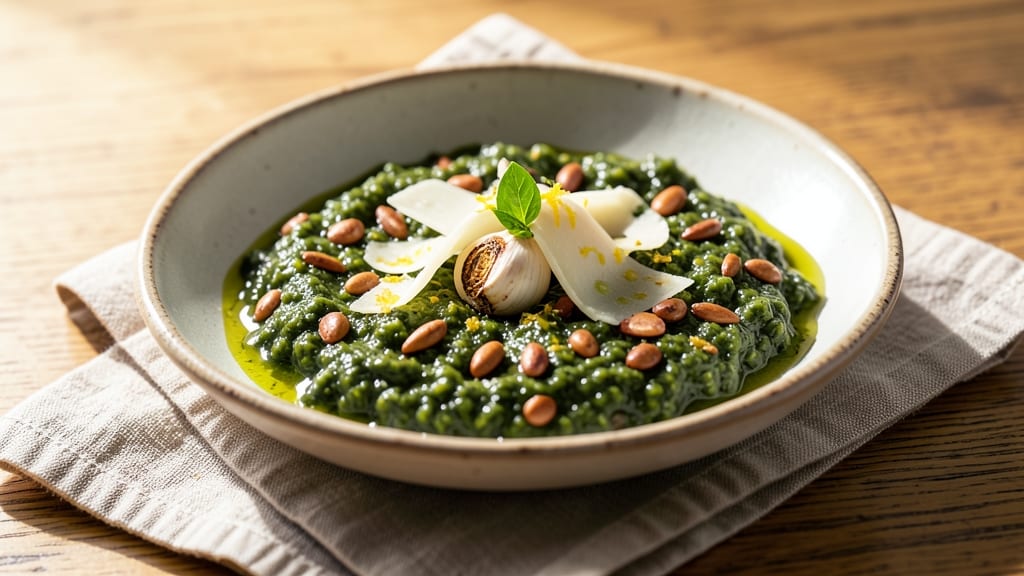
Marcella Hazan’s pesto recipe transforms fresh basil into a vibrant, fragrant sauce that’s the heart of every Italian meal.
Standing on a step stool in my grandmother’s kitchen in Sicily, I learned how this simple combination of basil, olive oil, garlic, and Parmesan creates something truly magical—something that elevates even the simplest pasta dish into a restaurant-worthy experience.
The key lies in the balance of ingredients and the method, which ensures no bitterness lingers and every bite delivers that bright, herby essence of Liguria.
This isn’t just any pesto—it’s a liquid gold that starts with fresh basil leaves, crushed just enough to release their oils without turning to mush. Pine nuts add a delicate crunch, while Parmesan cheese brings depth, and extra-virgin olive oil binds everything together into a silky, aromatic sauce.
Unlike many modern versions, Marcella’s method skips the nuts entirely if needed, proving that simplicity often yields the best results. The sauce is designed to be used immediately, but with proper storage, it keeps its vibrant flavor for days.
What makes this pesto truly special is how it transforms ordinary meals into something extraordinary. Toss it with freshly cooked pasta for a dish that’s both comforting and refined, or use it as a bold marinade for grilled meats.
The sauce’s versatility is its greatest strength—it brightens soups, enhances roasted vegetables, and even elevates sandwiches with its rich, herby depth. The first time I recreated this recipe in my own kitchen, I understood why Nonna always kept a jar in the fridge—it’s that good.
For those who want to make ahead, this pesto freezes beautifully, preserving its freshness for up to three months. Just thaw it gently in the refrigerator before using, and you’ll have that same vibrant flavor ready whenever you need it.
Whether you’re serving a Sunday family dinner or a quick weeknight meal, Marcella’s pesto is the secret weapon that turns simple ingredients into something truly memorable.
Ingredients for marcella hazan pesto
Eight essential ingredients transform into Marcella's legendary basil-infused olive oil magic.
| Ingredient | Amount | Notes |
|---|---|---|
| Fresh Basil Leaves 🌿 | 2 cups | Packed, stems removed, vibrant green |
| Extra-Virgin Olive Oil 🫒 | ¾ cup | High quality, fruity, peppery |
| Parmesan Cheese 🧀 | ¾ cup | Freshly grated, aged 24+ months |
| Garlic Cloves 🧄 | 3 cloves | Peeled, rough chopped, not minced |
| Pine Nuts 🥜 | ½ cup | Toasted lightly, optional but traditional |
| Lemon Juice 🍋 | 1 tbsp | Freshly squeezed, no seeds |
| Sea Salt 🧂 | ½ tsp | Fine grain, not iodized |
| Freshly Ground Black Pepper 🌶️ | ¼ tsp | Freshly cracked, not pre-ground |
The basil is non-negotiable—farmers market quality makes all the difference. Look for leaves that are bright green and slightly glossy, not wilted or yellowing. Whole Foods or local Italian markets often carry the best. The Parmesan should be real Parmigiano-Reggiano, not that pre-grated stuff from the green can. Grate it yourself for maximum flavor. For the olive oil, look for a fruity, peppery profile—something you'd happily drizzle on bread. Marcella herself would insist on high-quality extra-virgin, and trust me on this one. The garlic cloves should be fresh, plump, and firm—none of that sprouting stuff from the back of your pantry.
No pine nuts? Skip them entirely—Marcella's method proves they're not necessary. Want a different nut? Toasted walnuts or cashews work beautifully, though the texture changes slightly. Running low on Parmesan? Pecorino Romano is a solid swap, but use it at half the amount since it's saltier. Fresh basil but short on time? Use parsley instead—it's what Nonna did when basil was scarce. The lemon juice can be bottled in a pinch, but freshly squeezed is always better. And for the love of basil, don't skip the salt and pepper—they balance the flavors perfectly.
This pesto keeps beautifully—cover with a thin layer of olive oil before sealing to preserve color. Good for 5-7 days in the fridge, or 3 months frozen in ice cube trays. I always make a double batch—one for immediate use, one to freeze. The frozen cubes thaw in minutes under warm water, ready to transform any meal. Just remember: the fresher the basil, the brighter the flavor, so use it up quickly if you can. The magic fades after a week, no matter how well you store it.
Why You'll Love This Recipe
- I’ll be real: this pesto comes together in seconds—no food processor? No problem. Marcella’s method is all about a mortar and pestle, but even if you’re not crushing basil like a pro, you’ll still get that signature depth. The garlic and nuts break down fast, and honestly? The effort feels like a warm hug.
- No Pulse Needed: I’ll be real: this pesto comes together in seconds—no food processor? No problem. Marcella’s method is all about a mortar and pestle, but even if you’re not crushing basil like a pro, you’ll still get that signature depth. The garlic and nuts break down fast, and honestly? The effort feels like a warm hug.
- Umami Bomb: That Parmesan isn’t just cheese—it’s the star. The moment the sharp, salty shavings hit the fresh basil and olive oil, it’s like a flavor explosion. The pine nuts add this nutty crunch that makes every bite feel special, not to mention the garlic’s punch. It’s the kind of taste that lingers, making you want to drizzle it on everything.
- Weeknight Swiss Army: This isn’t just for pasta. Toss it with roasted veggies, mix into scrambled eggs, or slather it on grilled chicken. I’ve even used it as a sandwich spread—yes, really. It’s my go-to for lazy nights when I need something quick but still feels fancy. (Yes, even on a Tuesday night.)
Step-by-step instructions for Marcella Hazan's pesto recipe
This classic Italian pesto comes together with just a few simple steps and ingredients you likely already have.
Prepare the Basil and Toast the Pine Nuts
Start by washing the 2 cups of fresh basil leaves thoroughly and patting them completely dry with paper towels. Removing any stems is important - they add bitterness that will overpower the bright basil flavor. I like to stack the leaves and roll them gently before chopping to create a more compact, manageable pile.
In a dry skillet over medium heat, toast the 0.5 cup of pine nuts for 3-4 minutes, stirring constantly. You want them lightly golden and fragrant - not dark brown or they'll taste bitter. Keep them close to the heat and shake the pan frequently to prevent burning. Once toasted, transfer them immediately to a small bowl and let cool completely before using.
Create the Pesto Base
Place the chopped basil leaves in the bowl of a food processor. Add the 3 roughly chopped garlic cloves and the 0.5 teaspoon of sea salt. I've found that rough chopping the garlic preserves more flavor than mincing. Pulse these ingredients together for about 10 seconds just to combine - you want to break down the basil slightly but not purée it completely.
With the food processor running, slowly drizzle in the 0.75 cup of extra-virgin olive oil. This should take about 30 seconds. The oil will emulsify with the basil, creating a vibrant green base. Stop occasionally to scrape down the sides with a spatula - this ensures even blending and prevents the motor from overheating.
Add Cheese and Finish the Pesto
Add the 0.75 cup of freshly grated Parmesan cheese to the processor along with the 0.25 teaspoon of freshly ground black pepper. Pulse everything together for about 20 seconds, stopping to scrape down the sides once more. The mixture should look thick but still pourable - like a vibrant green mayonnaise. If it's too thick, add 1-2 tablespoons of water to loosen it.
Transfer the pesto to a serving bowl and stir in the 1 tablespoon of freshly squeezed lemon juice. This brightens the flavor and balances the richness of the cheese and nuts. Taste and adjust seasoning if needed - you might want to add a pinch more salt or a tiny bit more lemon juice. The pesto should be vibrant, fresh, and perfectly balanced between sweet, salty, and tangy notes.
Serve and Store Properly
Serve the pesto immediately over pasta, drizzled with a little extra virgin olive oil. The best time to use it is right away when it's at its peak freshness. If you need to store it, transfer it to an airtight container and cover the surface completely with a thin layer of olive oil. This prevents oxidation and keeps the pesto fresh for up to 5 days in the refrigerator.
For longer storage, divide the pesto into ice cube trays, cover with olive oil, and freeze. Once frozen, transfer the cubes to a freezer bag. Thaw in the refrigerator overnight before using. The texture might be slightly thicker after freezing, so add a splash of olive oil or water to restore it to its original consistency.
Pro Tips For Making Marcella Hazan Pesto
- Pulse, Don’t Purée: Marcella’s method is all about texture—stop the food processor when the basil is just finely chopped, not turned into green mush. I used to over-blend, and the pesto lost its bright, herby punch. Leave it slightly chunky; that’s where the real flavor lives.
- Toast Pine Nuts First: Dry-toast the pine nuts in a small pan over low heat until they smell nutty and golden—about 2-3 minutes. Skipping this step means bland, raw-tasting pesto. Watch them like a hawk; they burn faster than you’d think.
- Use Cold Parmesan: Grate the Parmesan straight from the fridge and mix it in last. Cold cheese emulsifies better and keeps the pesto from separating. I learned this after my first batch turned into a sad, oily puddle mid-bowl.
- Reserve Some Oil: Save 1-2 tablespoons of olive oil to drizzle in at the end if the pesto looks too thick. Marcella’s version should coat the back of a spoon but still hold shape. Adding oil later fixes clumpy pesto without drowning it.
Storing and reheating your marcella hazan pesto
Fresh Pesto Storage
Store your fresh pesto in an airtight glass container—I prefer small mason jars—and cover the surface completely with a thin layer of extra-virgin olive oil. This protective layer prevents oxidation and keeps the vibrant green color intact.
Place the container in the refrigerator where it’ll stay fresh for 5-7 days. The oil layer also helps preserve the delicate flavors, though I always recommend using it within 5 days for peak freshness. 🌿
Freezing for Long-Term Use
For longer storage, divide the pesto into ice cube trays and cover each cube with a thin layer of olive oil. Once frozen solid, transfer the cubes to a freezer bag or airtight container. This method preserves the pesto’s texture and flavor for up to 3 months.
When ready to use, thaw the cubes in the refrigerator overnight. The texture may thicken slightly, so stir in 1-2 tablespoons of olive oil or water to restore its original consistency. Honestly, this is my go-to method for making ahead—no waste, just convenience. ❄️
Reviving Stale Pesto
If your stored pesto has lost some vibrancy, don’t toss it! Add 1 tablespoon of fresh lemon juice and 1 tablespoon of olive oil per ½ cup of pesto. Pulse briefly in a food processor to re-emulsify, then taste and adjust seasoning.
A pinch of freshly ground black pepper or a sprinkle of Parmesan can also revive its depth. This trick works wonders—like giving your pesto a second life. 💡
Pasta Pairing Tips
Use freshly made pesto immediately with al dente pasta like trofie, farfalle, or spaghetti. Toss 2 servings of cooked pasta with ¼ cup of pesto and finish with a drizzle of olive oil. For extra richness, add grilled chicken or shrimp.
I always serve it with a side of roasted cherry tomatoes to cut through the sauce’s richness. The contrast of warm, juicy tomatoes with the bright pesto is pure magic. 🍝
Non-Pasta Uses
Pesto isn’t just for pasta—it’s a versatile sauce that elevates grilled meats, roasted vegetables, and even sandwiches. Drizzle it over seared scallops or grilled steak for a herby finish. Mix it into mashed potatoes or polenta for a creamy, flavorful twist.
Spread it on toasted baguette slices with mozzarella for a quick appetizer. The possibilities are endless, and I love experimenting with different pairings. 🔥
Nonna’s Secret
My Nonna always kept a small jar of pesto in the fridge, ready to brighten any meal. She’d say, "The secret to great pesto is using the freshest ingredients and trusting your taste." If your pesto tastes too bitter, it means the basil wasn’t fresh enough.
If it’s too mild, add a splash of lemon juice or a pinch of salt. Trust your palate—just like Nonna taught me. The best pesto is the one that tastes just right to you. ✨
Nutrition facts
Frequently asked questions
Can I make Marcella Hazan's pesto without pine nuts?
Marcella's method actually skips them entirely if needed. The classic version relies on the fresh basil, olive oil, garlic, and Parmesan for its signature flavor. If you prefer a different nut, try toasted walnuts or cashews for a slightly different texture while maintaining the same vibrant taste.
How do I prevent my pesto from turning bitter?
Use only the freshest basil leaves—look for vibrant green, slightly glossy stems. Remove stems completely as they contain bitter compounds. Also, store pesto properly by covering it with a thin layer of olive oil to prevent oxidation, which causes bitterness over time.
What's the best pasta to pair with this pesto?
Marcella's pesto shines with al dente trofie or fresh egg pasta like farfalle. The ridges of trofie or the delicate shape of farfalle hold the sauce beautifully. For a classic Italian touch, try it with pici or even spaghetti if that's what you have on hand.
Can I make this pesto ahead of time?
Yes, but use it within 5 days for best flavor. For longer storage, freeze in ice cube trays with olive oil covering each cube. Thaw overnight in the fridge and stir in extra olive oil to restore consistency. The texture may thicken slightly after freezing, but the flavor remains vibrant.
What's the secret to getting that perfect green color?
Fresh basil is non-negotiable—use bright green leaves from a trusted source. Process the basil just enough to break it down (about 10 seconds) without puréeing it completely. Also, keep the pesto covered with olive oil when storing to prevent oxidation that dulls the color.