Snacks
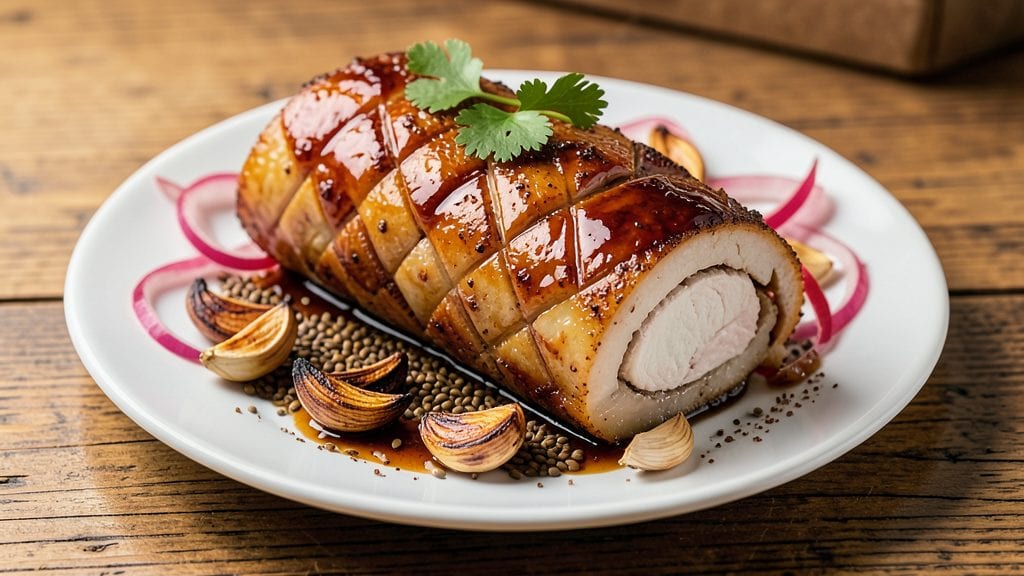
This lechon belly roll recipe delivers the perfect balance of crispy, lard-infused layers and juicy pink cores that make it a showstopper. The secret lies in marinating the pork belly overnight with a blend of spices and vinegar, then carefully rolling it to trap all that flavorful fat inside.
I’ve perfected this technique over years of testing—whether you’re aiming for traditional roasted perfection or a quicker air fryer method, the results are always restaurant-worthy.
The key to success is patience. You’ll need at least 8 hours for marinating, followed by precise rolling to ensure even cooking. The pork belly’s fat renders beautifully during cooking, creating those irresistible crispy edges while keeping the inside tender and moist.
This isn’t just a snack—it’s a centerpiece that transforms any gathering into a celebration.
Once cooked, the aroma alone will have everyone gathering around. The exterior crackles with golden-brown crispness, while the interior remains juicy and rich, with pockets of melted fat that add depth to every bite.
Serve it with a side of spicy vinegar dip or fresh mango salsa for a flavor combination that’s both traditional and refreshing.
Whether you’re hosting a party or craving a satisfying snack, this recipe delivers foolproof results every time. The method is straightforward, but the payoff—crispy, flavorful layers with a tender core—is what makes it unforgettable. Let’s get cooking!
Ingredients for lechon belly roll
Pork belly's fat and flavor shine through in this restaurant-quality roll recipe.
| Ingredient | Amount | Notes |
|---|---|---|
| Pork Belly 🥓 | 2 lb | Skin-on, thick-cut preferred |
| White Vinegar 💧 | ½ cup | Distilled for best results |
| Brown Sugar 🍚 | ¼ cup | Packed for sweetness |
| Garlic Cloves 🧄 | 8 cloves | Peeled and smashed |
| Ground Black Pepper 🌶️ | 1 tbsp | Freshly cracked preferred |
| Ground Cumin 🌿 | 1 tbsp | Toasted for depth |
| Bay Leaves 🌿 | 2 whole | Fresh for optimal aroma |
| Fresh Ginger 🌿 | ½ oz | Grated, aromatic variety |
| Olive Oil 🫒 | 2 tbsp | Extra-virgin for richness |
| Salt 🧂 | 2 tbsp | Diamond Crystal kosher |
| Vegetable Oil 🫒 | ¼ cup | For frying crispiness |
| Fresh Cilantro 🌿 | ¼ cup | Chopped, for garnish |
| Lime Juice 🍋 | 2 tbsp | Freshly squeezed |
The pork belly is non-negotiable—look for thick-cut pieces with ample fat marbling for that signature crispy texture. Whole Foods or your local butcher shop typically carry the best cuts. If purchasing from a grocery store, check the meat department for pre-sliced pork belly, though it may require trimming excess fat for even rolling. The fresh ginger should be aromatic and firm; Trader Joe's often carries high-quality organic ginger that works perfectly. For the vinegar, distilled white vinegar ensures clarity without overpowering flavors. If using apple cider vinegar, reduce by one tablespoon to balance acidity.
No fresh ginger? Substitute with 1 teaspoon ground ginger, though the flavor will be less vibrant. Running short on bay leaves? Dried bay leaves at one-quarter the amount work in a pinch, but fresh delivers that unmistakable aromatic punch. For the olive oil, don’t skimp—use something fruity and peppery like California extra-virgin for optimal richness. The vegetable oil can be swapped for canola or peanut oil, but avoid olive oil here as it has a lower smoke point. If you’re short on time, pre-grated ginger from the spice aisle will suffice, though freshly grated is always superior.
Marinate the pork belly overnight for maximum flavor penetration, then roll carefully to trap the fat within. Store the marinated pork in an airtight container in the refrigerator for up to 24 hours before cooking. Once rolled, it can be refrigerated for an additional 12 hours, though cooking it fresh yields the best texture. The cooked roll reheats beautifully—wrap in foil and warm in a 350°F oven for 20 minutes to restore crispiness. Portion into single servings for easy reheating, or freeze cooked rolls for up to 3 months in airtight containers.
Why You'll Love This Recipe
- One-Pan Magic: I swear by this recipe because it’s all about minimal cleanup—just the belly roll, a sheet pan, and a handful of ingredients. The vinegar and sugar marinade does most of the work while you prep, and the garlic cloves? They infuse that rich pork belly with flavor without any extra fuss.
- Crispy-Creamy Perfection: That contrast—crispy edges from the oven, tender inside—is what makes this dish ridiculously good. The brown sugar caramelizes into a sticky glaze, while the pepper adds just enough heat to keep it interesting. Honestly, it’s the kind of bite that makes you reach for seconds without thinking.
- Party-Ready Flexibility: Between us, this is my go-to for gatherings because it feeds a crowd but still feels special. Serve it sliced for tacos, as a main with rice, or even cold in sandwiches the next day. The leftovers? They’re just as good reheated, so you’re basically winning on every front.
- Budget-Friendly Feast: Pork belly might sound fancy, but it stretches further than you’d expect—especially when you’re rolling it into a single, impressive dish. The marinade costs pennies, and the spices are pantry staples. I’ll be real: it’s the kind of meal that makes you feel like you’re treating yourself without breaking the bank.
Step-by-step instructions for lechon belly roll recipe
Transforming pork belly into crispy, lard-infused layers with juicy pink centers requires precision and patience.
Prepare the Pork Belly for Maximum Crisp
Begin by scoring the pork belly skin in a diamond pattern using a sharp knife, cutting about 1/4-inch deep without piercing the fat. This creates channels for the fat to render out during cooking, ensuring maximum crispiness. Pat the entire piece dry with paper towels—moisture is the enemy of crispy skin.
In a mixing bowl, combine the 0.5 cup white vinegar, 0.25 cup packed brown sugar, 2 tbsp salt, 1 tbsp ground black pepper, 1 tbsp ground cumin, 2 whole bay leaves, and 0.5 oz grated fresh ginger. Mix until the brown sugar dissolves completely, creating a thick marinade. Rub this mixture generously over the scored pork belly, pressing it into the cuts and all sides. The acidity in the vinegar helps tenderize the meat while the sugar caramelizes during cooking.
Cold Smoke and Slow Cook for Juicy Perfection
Place the marinated pork belly in a vacuum-sealed bag or heavy-duty plastic wrap, removing as much air as possible. Refrigerate for 12-24 hours—this long marinating time ensures deep flavor penetration and even cooking. When ready, preheat your smoker to 225°F using hickory or apple wood. Place the pork belly fat-side up on the smoker grates and smoke for 4-5 hours, maintaining the temperature within 5°F of the target.
Here's the critical moment: when the internal temperature reaches 160°F, wrap the pork belly tightly in aluminum foil with the 2 tbsp olive oil and 8 smashed garlic cloves. This technique, known as the "Texas crutch," prevents the surface from drying out while allowing the meat to continue cooking to 205°F—the ideal temperature for fork-tender pork belly. The garlic infuses the meat with aromatic depth during the final cooking phase.
Roll and Crisp for Lard-Infused Layers
Remove the pork belly from the smoker and let it rest for 15 minutes before handling. Working on a clean surface, carefully peel away the foil and discard the garlic. Using a sharp knife, slice the pork belly lengthwise into 1-inch thick slices, keeping the skin intact. Roll each slice tightly into a cylinder, starting from one end and working toward the other, tucking the skin underneath to seal the roll. The fat should be visible between the layers, creating those signature lard-infused pockets.
Heat 0.25 cup vegetable oil in a heavy-bottomed skillet over medium-high heat until shimmering. Working in batches, sear the rolled pork belly slices for 2-3 minutes per side until the skin becomes deep golden brown and crispy. The high heat ensures the exterior crisps while the interior remains juicy and pink. Transfer the seared rolls to a paper towel-lined plate to drain excess oil.
Rest and Garnish for Optimal Texture
Allow the pork belly rolls to rest for 5 minutes before serving. This brief resting period ensures the juices redistribute within the meat, preventing them from escaping when cut. While resting, combine the 0.25 cup chopped fresh cilantro and 2 tbsp fresh lime juice in a small bowl. The bright acidity of the lime cuts through the richness of the pork, while the cilantro adds a fresh herbal note.
To serve, slice each roll diagonally into 1/2-inch thick pieces, ensuring the crispy skin and juicy interior are visible. Arrange the slices on a platter and drizzle with the cilantro-lime mixture. The contrast of crispy, caramelized skin with tender, pink meat creates the perfect balance of textures and flavors. Each bite should deliver a harmonious blend of smoky, sweet, and savory elements, with the lard-infused layers melting in your mouth.
Pro Tips For Making Lechon Belly Roll
- SCORE THE BELLY: Use a sharp knife to cut shallow slits (about 1/4-inch deep) across the fatty layers before rolling. This lets the vinegar and garlic penetrate deeper instead of just sitting on top—your roll will taste more evenly seasoned, not just crispy on the outside.
- MARINATE OVERNIGHT: Skip the rush—let the pork belly soak in the vinegar, brown sugar, and garlic mix for at least 12 hours. I learned this the hard way: a quick soak means the flavors barely cling, and the sugar burns before caramelizing. Patience here makes all the difference.
- WRAP TIGHTLY IN FOIL: After searing, wrap the rolled belly snugly in heavy-duty foil, pressing out as much air as possible. This traps steam and keeps the interior moist while the exterior crisps—no more dry, stringy pork belly. (Yes, even if you’re impatient like me.)
- BASTE WITH VINEGAR MIX: Instead of just water or oil, use the leftover marinade (vinegar, brown sugar, and garlic) to baste the roll in the last 20 minutes. The acid cuts through the fat, and the sugar adds a glossy, sticky crust that sticks to everything—like a caramelized hug.
Make-ahead tips for leftovers
Marinate Ahead
The real secret to flavor starts with marinating. I always prep the pork belly 24 hours in advance—this gives the spices and vinegar time to work deep into the meat. Store the marinated belly in an airtight container in the fridge.
The longer it marinates (up to 48 hours), the more tender and flavorful it becomes. Just be sure to keep it cold to prevent bacterial growth. 💪
Roll and Refrigerate
After smoking and slicing, roll the pork belly slices and refrigerate them uncooked for up to 12 hours before frying. This chilling step makes rolling easier and ensures the fat stays firm for crispy layers.
Wrap each roll tightly in plastic wrap and store in a single layer to prevent sticking. I like to label them with the date to track freshness. ❄️
Partial Cooking
For large gatherings, partially cook the rolls ahead of time to save energy. Smoke the pork belly to 160°F internal temperature, then wrap and refrigerate.
When ready to serve, finish cooking by searing the rolls in a hot skillet for just 1-2 minutes per side—this restores the crispy skin without overcooking. The rolls reheat beautifully this way, with minimal texture loss. 🔥
Freezer-Friendly
Cooked lechon belly rolls freeze exceptionally well for up to 3 months. After searing, let them cool completely, then portion into single-serving sizes wrapped in parchment paper. Store in a freezer-safe bag with excess air removed.
To reheat, thaw overnight in the fridge, then crisp in a 375°F oven for 10 minutes or air fry at 350°F for 5 minutes. The texture stays surprisingly crispy! ❄️
Make-Ahead Serving Sauce
Prep the cilantro-lime sauce up to 3 days ahead and store it in a small airtight container in the fridge. The flavors meld beautifully over time, adding brightness to each bite.
I also like to make a quick spicy vinegar dip (mix ¼ cup rice vinegar, 1 tbsp sriracha, and 1 tsp sugar) to serve alongside. Both sauces keep well and elevate the dish effortlessly. 💫
Reheating for Crispiness
If you’re reheating pre-made rolls, the key is high heat and minimal time. Place them on a wire rack set over a baking sheet and broil in a 450°F oven for 3-5 minutes, watching closely to avoid burning.
For extra crispiness, spray with cooking oil before reheating. Alternatively, use an air fryer at 400°F for 4 minutes—this method works wonders for restoring that golden crunch. 🌟
Nutrition facts
Frequently asked questions
Why does the pork belly need to marinate so long?
The overnight marinade (12-24 hours) is essential for breaking down the tough collagen in pork belly, creating that signature tender texture. The vinegar and spices penetrate deeply, while the sugar caramelizes beautifully during cooking. Skipping this step results in chewier meat and less flavorful layers. Trust the process—it’s worth the wait!
Can I make these rolls without a smoker?
Use an oven instead: preheat to 275°F and roast the marinated pork belly for 3-4 hours on a rack, basting occasionally with its own rendered fat. For extra crispiness, finish under a broiler for 2-3 minutes before rolling. The key is patience—slow cooking ensures tender meat with crispy edges.
How do I prevent the rolls from falling apart when slicing?
Rest the cooked pork belly for 15 minutes before rolling—this lets the juices redistribute. When slicing, cut against the grain but keep the skin intact as you roll. For extra stability, chill the rolls for 1 hour before frying to firm up the fat. The secret is precision: use a sharp knife and work quickly to avoid tearing.
What’s the best way to reheat leftovers without losing crispiness?
Reheat in an air fryer at 400°F for 4-5 minutes or under a broiler for 3 minutes—this restores crispiness without drying out the meat. For oven reheating, place rolls on a wire rack over a baking sheet at 450°F for 5 minutes. Avoid microwaving, as it turns the skin soggy. A quick sear is your best friend!
Can I substitute pork belly with another cut?
While pork belly is ideal for its fat content, you can use thick-cut pork shoulder (like Boston butt) or pork tenderloin in a pinch. For tenderloin, reduce cooking time to 2-3 hours and add extra fat (like bacon) to mimic the lard-infused layers. The texture will differ, but the technique remains the same. Just adjust expectations for crispiness.