
Main Courses
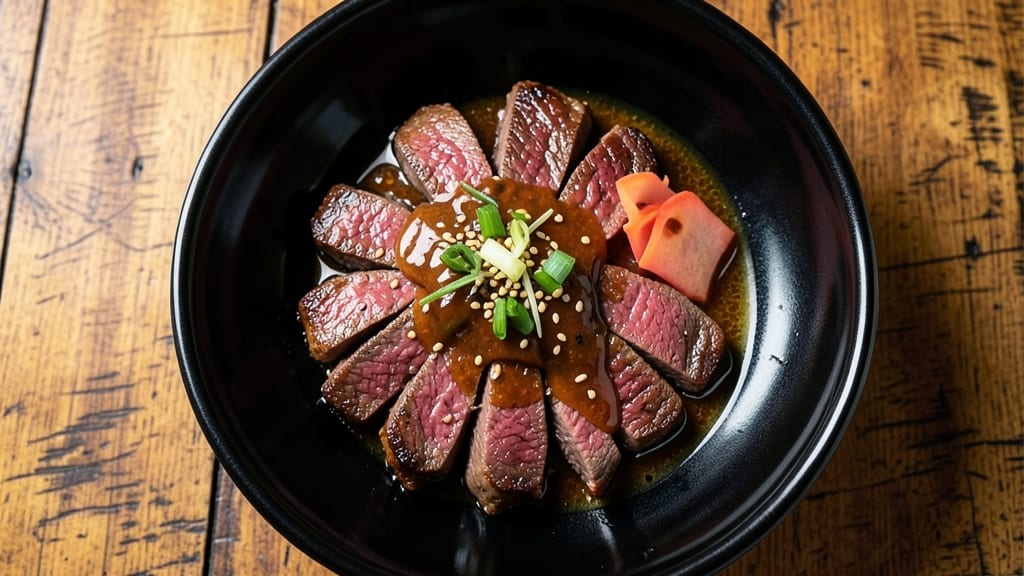
This koji steak recipe transforms ordinary beef into an umami bomb with a fermented soy sauce marinade that elevates every bite to restaurant-quality levels. The secret lies in koji—a natural enzyme starter that deepens flavor through fermentation, creating a marinade rich with savory complexity.
I developed this method after years of experimenting with Japanese techniques, and it never fails to impress even the most discerning steak lovers.
The process begins with a simple yet powerful marinade made from koji, soy sauce, mirin, and sake, which tenderizes the meat while infusing it with layers of umami. A 30-minute marinade is all you need before grilling or searing, ensuring the beef stays juicy with a caramelized crust.
The koji’s fermentation magic works even with a short soak, making this recipe accessible for weeknight dinners.
What you’ll end up with is a steak that’s tender, deeply flavorful, and impossible to resist—each bite packed with fermented richness and a subtle sweetness from the mirin. The crust will be perfectly seared, while the interior remains juicy and tender.
This dish pairs beautifully with garlic mashed potatoes or a fresh salad to balance the bold flavors.
Perfect for special occasions or when you want to impress guests without spending hours in the kitchen. The koji marinade can be made ahead, so you can focus on grilling and plating. Let’s get cooking!
Ingredients for koji steak
Fourteen ingredients. One transformative marinade. Restaurant-quality steak at home.
| Ingredient | Amount | Notes |
|---|---|---|
| Koji Powder 🍄 | 2 tbsp | High-quality koji for umami depth |
| Japanese Soy Sauce 🍶 | ½ cup | Kikkoman preferred for balance |
| Mirin 🍶 | ¼ cup | Sweet cooking wine, not substitute |
| Sake 🍶 | ¼ cup | Dry variety for clean flavor |
| Ribeye Steaks 🥩 | 2 lb | 1-inch thick, bone-in preferred |
| Neutral Oil 🫒 | 2 tbsp | Avocado or vegetable oil |
| Garlic Cloves 🧄 | 4 cloves | Minced for marinade |
| Fresh Ginger 🌿 | 1 tbsp | Grated, aromatic kick |
| Sesame Oil 🫒 | 1 tsp | Toasted sesame for aroma |
| Diamond Crystal Kosher Salt 🧂 | 1 ½ tsp | For seasoning after searing |
| Freshly Ground Black Pepper 🌶️ | 1 tsp | Cracked peppercorns preferred |
| Green Onion 🧅 | 2 whole | Thinly sliced for garnish |
| Toasted Sesame Seeds 🌾 | 1 tbsp | For finishing touch |
The koji is non-negotiable here—look for high-quality koji powder at Asian markets or online (I swear by Koji Culture for consistent results). If you can't find it, miso paste at half the amount works in a pinch, but the umami won't be as layered. The ribeye should have visible marbling—Costco or Whole Foods carry excellent cuts. For the soy sauce, Kikkoman is my go-to, but any Japanese soy will do. The mirin and sake? Trader Joe's has solid options, but avoid 'cooking mirin'—it's not the same. Fresh ginger and garlic? Buy organic if possible, but no judgment if you don't.
No sesame oil? Toasted peanut oil adds a similar nuttiness, though it won't be identical. Short on time? Skip the 30-minute marinade and go straight to grilling—it'll still be delicious, just less tender. The steaks can be prepped the night before, but don't marinate longer than 2 hours or the acidity will over-tenderize. For the oil, avocado oil, but vegetable oil works fine. And if you're feeling fancy, infuse the oil with garlic for an extra layer of flavor—just strain it before using.
This marinade keeps for up to 5 days in the fridge, so make extra for future steak nights. The steaks themselves? Grill or sear immediately after marinating for best results—they won't reheat as well. If you must prep ahead, pat dry and refrigerate uncovered for 30 minutes before cooking to prevent sogginess. The leftovers? Slice thin, wrap tightly, and they'll keep for 3 days in the fridge. Perfect for quick lunches or stir-fries.
Why You'll Love This Recipe
- Five-Ingredient Magic: I swear by this—just koji, soy sauce, mirin, sake, and steak. No fancy prep, no chopping, no stress. The koji does all the flavor work while you sear the steak in minutes.
- Umami Bomb: That koji powder? It’s like a secret weapon—deep, nutty, and funky in the best way. The ribeye soaks up the sauce and comes out with this irresistible, slightly sweet-savory crust that makes every bite worth it.
- Weeknight or Dinner Party: Make it for yourself or double it for guests. The same marinade works for quick weeknight dinners or when you’re prepping for company. (Between us, it’s my go-to when I don’t want to overthink things.)
- Leftovers That Don’t Suck: Honestly, the flavor only gets better the next day. Cold slices in a sandwich? Yes. Reheated with a quick sear? Even better. And since ribeye’s already budget-friendly, you’re not breaking the bank for seconds.
Step-by-step instructions for koji steak with fermented umami sauce
Here's how to transform ribeye into a restaurant-worthy masterpiece using koji's fermented magic.
Create the Koji Marinade
In a mixing bowl, combine the 2 tbsp koji powder, 0.5 cup Japanese soy sauce, 0.25 cup mirin, and 0.25 cup sake. Stir until the koji powder fully dissolves and creates a smooth, slightly thickened marinade. This blend develops deep umami complexity that penetrates the steak during marinating.
Add the 4 cloves minced garlic cloves and 1 tbsp grated fresh ginger to the mixture. Let it sit at room temperature for 15 minutes to allow the flavors to meld together. The marinade should have a rich, aromatic scent with subtle sweetness from the mirin and funk from the koji.
Marinate the Steaks
Pat the 2 lb ribeye steaks dry with paper towels to ensure maximum sear. Place them in a resealable plastic bag and pour the koji marinade over them. Seal the bag and massage the marinade into the steaks, coating all surfaces. This step is crucial for even flavor distribution and tenderizing the meat.
Refrigerate the steaks for 4-6 hours or overnight for maximum flavor penetration. I recommend marinating overnight if possible—this allows the koji enzymes to work their magic, breaking down muscle fibers and infusing the meat with that incredible umami depth. The steaks should absorb the marinade completely, with no dry spots remaining.
Sear the Steaks to Perfection
Remove the steaks from the refrigerator and let them sit at room temperature for 30 minutes before cooking. This ensures even cooking throughout. Heat a heavy skillet over high heat until it's smoking hot, then add 2 tbsp neutral oil. The oil should shimmer but not smoke excessively.
Place the steaks in the pan and sear for 3-4 minutes per side for medium-rare doneness, until they develop a deep brown crust. Press down gently on the steaks during the first minute to prevent curling. The internal temperature should reach 130-135°F when done. Remove the steaks and let them rest on a wire rack for 10 minutes before slicing.
Prepare the Finishing Sauce
While the steaks rest, return the searing pan to medium heat and add 1 tsp sesame oil. Deglaze the pan with any remaining marinade, scraping up the browned bits from the bottom. This creates a flavorful base for our finishing sauce.
Add 1.5 tsp diamond crystal kosher salt and 1 tsp freshly ground black pepper to the pan, stirring to combine. The sauce should coat the back of a spoon and have a glossy sheen. Keep it warm until ready to serve.
Assemble and Serve
Slice the steaks against the grain into ¼-inch thick pieces. Arrange the slices on warm plates and drizzle generously with the finishing sauce. Garnish with thinly sliced green onion and sprinkle with 1 tbsp toasted sesame seeds for texture and aroma.
Serve immediately while the steaks are still warm and the sauce is silky. Each bite should deliver perfect medium-rare doneness with layers of koji umami, sweet mirin, and savory soy sauce. The sesame seeds add a delightful crunch that contrasts beautifully with the tender meat.
Pro Tips For Making Koji Steak
- Bloom the Koji: Mix the koji powder with sake first, then add mirin and soy sauce—this lets the koji’s enzymes wake up and develop that funky, umami depth before hitting the meat. I used to dump everything in at once and wondered why my sauce tasted flat; now it’s always bold and complex.
- Skip the Crowding: When searing the ribeye, resist the urge to flip or move the steaks until you see a deep, caramelized crust—at least 2-3 minutes per side. I learned this the hard way: overcrowding the pan steams the meat instead of browning it, and you’ll end up with soggy edges instead of that perfect crust.
- Salt the Steaks Twice: Generously salt the ribeye 40 minutes before cooking, then pat it dry and hit it with another round of salt right before searing. The first salt seasons deep, the second guarantees that crust sticks—no, your hands won’t be sticky if you use kosher salt and work fast.
- Reduce the Sauce Fast: After deglazing the pan with sake, crank the heat to high and let it boil hard for 2-3 minutes to evaporate the alcohol—this concentrates the flavors and cuts the cooking time in half. I used to simmer it gently, and the sauce always tasted thin and watery. Now it’s rich and clings to the meat.
Serving suggestions for leftovers
Classic Japanese Sides
Pair your koji steak with steamed jasmine rice—its mild, slightly floral notes complement the deep umami without overpowering. I use sushi-grade short-grain rice cooked to perfection with a pinch of salt.
For extra authenticity, serve with miso soup (use red miso paste for richness) and a side of blanched bok choy tossed with a drizzle of toasted sesame oil. 🍚
Umami Balancers
To cut through the intense koji flavors, serve with cucumber salad—thinly sliced English cucumbers tossed with rice vinegar, sugar, and sesame seeds. The crisp, refreshing acidity refreshes your palate.
Another great option is quick-pickled radishes (slice daikon radish into matchsticks, soak in rice vinegar, salt, and sugar for 30 minutes). 🥒
Western Twists
For a fusion approach, serve with garlic mashed potatoes—infuse the butter with 3 minced garlic cloves and 1 tbsp fresh thyme for depth. The creamy texture contrasts beautifully with the steak’s caramelized crust.
Add a side of grilled asparagus (toss with olive oil, lemon zest, and sea salt) for a bright, vegetal balance. 🥔
Sauce Pairings
Drizzle extra finishing sauce over the steak, but also serve a small bowl on the side for dipping. For a creamy contrast, mix 2 tbsp crème fraîche with 1 tsp soy sauce and a pinch of white pepper.
Alternatively, a spicy mayo (mix 2 tbsp mayonnaise with 1 tsp sriracha and ½ tsp grated ginger) adds a kick. 🌶️
Garnish Upgrades
Elevate your plate with microgreens (like pea shoots or red mustard greens) scattered around the steak for vibrant color. A sprinkle of crushed wasabi peas (available at Asian markets) adds a subtle heat and crunch.
For a smoky touch, drizzle with a few drops of chili oil just before serving. ✨
Beverage Pairings
A dry sake (like Dassai Junmai) enhances the koji’s fermented notes, while a crisp Japanese lager (such as Asahi Super Dry) cleanses the palate. For non-alcoholic options, sparkling yuzu soda (mix sparkling water with yuzu juice and ice) adds a citrusy zing. 🍶
Nutrition facts
Frequently asked questions
What exactly is koji and why does it make this steak so special?
Koji is a fermented rice starter containing beneficial mold that acts as a natural enzyme powerhouse. In this recipe, it creates a deep, complex umami flavor that regular soy sauce can't match. The fermentation process breaks down proteins and enhances sweetness, giving your steak that restaurant-quality depth with just 30 minutes of marinating.
Can I substitute koji powder if I can't find it?
Yes! Use ½ cup miso paste as a backup, though the flavor won't be identical. For best results, dissolve it in the soy sauce first. If you're feeling adventurous, try 1 tbsp nutritional yeast plus 1 tsp white miso for a lighter umami boost. The koji's unique funk is hard to replicate, but these work in a pinch.
How do I know when my steaks are perfectly cooked?
Use a meat thermometer for precision: 130-135°F for medium-rare (recommended), 140°F for medium. For visual cues, look for a deep brown crust and slightly pink center. Let the steaks rest 10 minutes before slicing—they'll rise 5°F during this time.
What's the best way to store leftover koji steak?
Slice the steaks and store in an airtight container with a paper towel to absorb moisture. It keeps for 3 days in the fridge or 3 months in the freezer. For reheating, warm in a skillet with a splash of water or soy sauce to restore moisture. Never microwave—it destroys texture.
Can I use this marinade on chicken or fish?
The koji marinade works beautifully on chicken thighs (marinate 2 hours) or salmon fillets (marinate 1-2 hours). For fish, reduce marinating time to 30 minutes to prevent over-tenderizing. The flavor profile will adapt to each protein, but the umami depth remains spectacular.