
Desserts
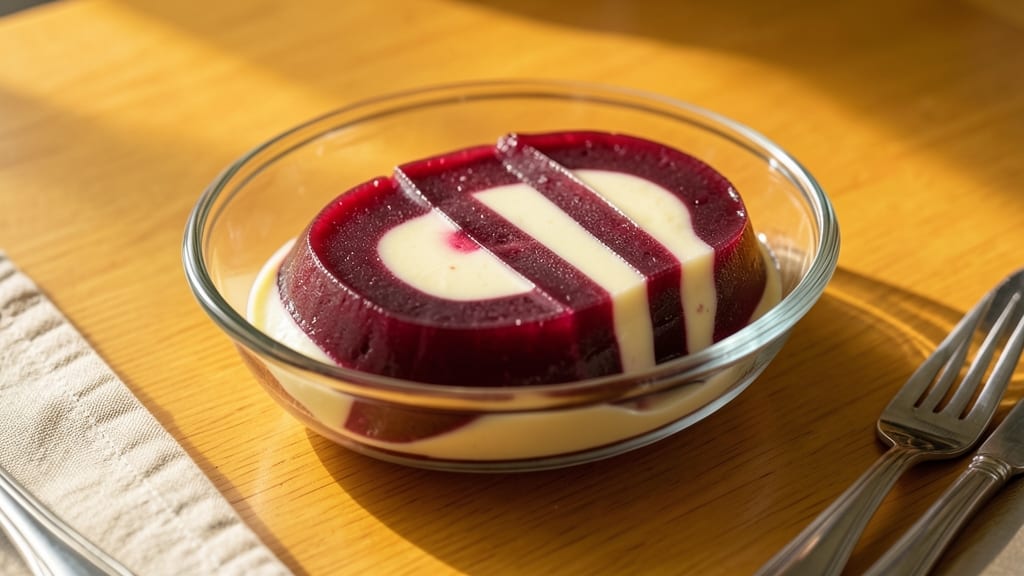
This jello egg mold recipe transforms a classic dessert into a protein-packed showstopper with layers of silky gelatin and creamy egg custard. The secret lies in balancing precise gelatin ratios with perfectly whipped egg whites, creating a texture that's both elegant and surprisingly substantial.
I developed this version after years of testing—each layer must set properly while maintaining that signature wobble, and the egg component adds richness without overpowering the delicate structure.
The process is methodical but not complicated: you'll prepare two separate gelatin mixtures (one flavored, one neutral), fold in whipped egg whites for stability, and layer them carefully in a mold. Chilling time is critical—4 hours minimum—to ensure clean slices with distinct layers.
The result is a dessert that looks like a high-end restaurant creation but comes together with simple kitchen techniques anyone can master.
What makes this recipe stand out is the hidden protein boost from the egg component, making it a satisfying option for brunch or light dinner parties. The presentation is equally important: garnish with fresh berries or a dusting of powdered sugar to elevate the visual appeal.
Each slice reveals marbled layers of color and texture that will impress even skeptical guests.
Perfect for holiday gatherings, potlucks, or when you want to serve something memorable without spending hours in the kitchen. The key to success is patience during chilling and precision in layering—once you've mastered these steps, you'll have a dessert that's both stunning and delicious.
Let's get started on creating this elegant twist on a classic.
Ingredients for jello egg mold
Twelve ingredients transform simple gelatin and eggs into a restaurant-worthy dessert with hidden protein.
| Ingredient | Amount | Notes |
|---|---|---|
| Unflavored Gelatin Powder 🍬 | 2 tbsp | High-quality, bloom strength 250 |
| Raspberry Jam 🍓 | ½ cup | Seedless, unsweetened preferred |
| Large Eggs 🥚 | 4 whole | Room temperature, separated |
| Granulated Sugar 🍚 | ¾ cup | Superfine preferred for smoothness |
| Heavy Whipping Cream 🧀 | 1 cup | Full-fat for stability |
| Vanilla Extract 🍯 | 1 tsp | Pure, high-quality vanilla |
| Unsalted Butter 🧈 | ¼ cup | Softened, for egg custard |
| Lemon Juice 🍋 | 1 tbsp | Freshly squeezed |
| Salt 🧂 | ¼ tsp | Fine sea salt |
| Powdered Sugar 🍚 | ¼ cup | For garnish |
| Fresh Raspberries 🍓 | ½ cup | For garnish, optional |
| Cold Water 💧 | ½ cup | For gelatin mixture |
| Clear Gelatin 🍬 | 1 tbsp | For neutral layer |
The gelatin is non-negotiable—Knox brand or equivalent is your best bet for consistent texture. Bloom strength 250 gives that signature wobble without being too firm. I always buy mine from Williams Sonoma or the bulk section at Whole Foods—both carry high-quality options. For the raspberry jam, Mott's unsweetened or Smash organic work perfectly, but any good-quality seedless jam will do. The eggs must be room temperature—cold yolks won't emulsify properly. Separate them carefully, reserving the whites for whipping later. The butter should be softened to room temperature but not melted—press gently to test. If it leaves an indentation, it's ready.
No raspberry jam? Strawberry or blackberry preserves work just as well—just adjust sweetness to taste. Want a neutral layer instead of flavored? Use just the unflavored gelatin and cold water, omitting the jam entirely. The egg whites are critical for stability—whip them to stiff peaks before folding into the custard. For extra protein, you can add a splash of Greek yogurt to the custard mixture, but keep it to no more than 2 tablespoons or it may alter the texture. The vanilla extract should be pure, not imitation—McCormick or Nielsen-Massey are reliable brands. If you're short on time, vanilla bean paste works too, but strain it first to avoid lumps. The powdered sugar for garnish? Confectioners' sugar is ideal—Domino or C&H are widely available.
This dessert requires 4-6 hours of chilling time—don't rush it. Once set, it keeps in the fridge for up to 5 days, though the texture may soften slightly after 3. For best results, slice and serve immediately after unmolding. Garnish with fresh berries or powdered sugar right before serving to keep it looking its best. The layers will separate cleanly if you've allowed enough chilling time. If you're making this ahead for a party, prepare the gelatin layers first, then assemble the custard layer just before serving—this keeps everything looking fresh. The egg custard component can be made up to 2 days ahead and stored separately, but fold it into the gelatin just before chilling.
Why You'll Love This Recipe
- No Fuss, No Mess: I swear by this recipe when I’m too tired to fuss—just boil water, whisk gelatin, pour, and chill. The eggs stay perfectly round, no cracking or overcooking, and the raspberry jam adds that fruity punch without extra effort.
- Sweet-Tart Magic: That raspberry jam swirled into the gelatin? It’s like dessert meets breakfast—creamy, tangy, and just sweet enough. The gelatin gives it a fun wobble, while the whipped cream on top makes it feel fancy (but zero guilt).
- Party Trick Ready: Between us, this is my go-to for brunch gatherings or last-minute desserts. Cut into cubes, stack on a platter, and suddenly you’ve got a showstopper that looks expensive but costs pennies. (Yes, even on a Tuesday night.)
Step-by-step instructions for jello egg mold recipe
This layered dessert combines silky custard with vibrant fruit—each step ensures perfect texture and presentation.
Prepare the Gelatin Layers
In a small bowl, sprinkle the 2 tablespoons unflavored gelatin powder over the 0.5 cup cold water. Let it bloom for 5 minutes—you'll see it thicken slightly as it absorbs moisture. Meanwhile, in a separate saucepan, gently warm the 0.5 cup raspberry jam over low heat until it reaches 160°F, stirring constantly to prevent scorching.
Once bloomed, whisk the gelatin mixture until fully dissolved, then immediately stir in the warmed jam. This creates a glossy, stable base layer that will set first. Pour this mixture into a greased 8x8-inch mold and refrigerate for 1 hour until completely firm. Here's the thing—this layer needs to be perfectly set before adding the custard, or it'll blend together instead of creating distinct layers.
Make the Egg Custard
In a medium heatproof bowl, whisk together the 4 whole large eggs, 0.75 cup granulated sugar, 0.25 cup unsalted butter, 1 tablespoon lemon juice, and 0.25 teaspoon salt until the sugar dissolves completely. This mixture should be pale yellow and slightly thickened—about 2 minutes of vigorous whisking accomplishes this.
Place the bowl over a saucepan of simmering water (double boiler method) and whisk constantly for 8-10 minutes until the custard thickens enough to coat the back of a spoon. It should reach 160°F internally—this temperature ensures perfect texture without curdling. Immediately remove from heat and stir in the 1 teaspoon vanilla extract. The custard will continue thickening as it cools, so don't overmix at this stage.
Layer and Chill the Mold
Pour the warm custard over the set gelatin layer in the mold, spreading it evenly with a spatula. Tap the mold gently on the counter to release any air bubbles that may have formed. Return to the refrigerator for 3 hours or until the custard is completely set but still slightly jiggly at the center.
While the custard sets, whip the 1 cup heavy whipping cream to soft peaks in a chilled bowl. Fold in the 0.25 cup powdered sugar until fully incorporated. This light layer will sit atop the custard, adding both texture and visual contrast. Once the custard is set, carefully spoon the whipped cream mixture over the top, spreading it evenly with the back of a spoon.
Assemble and Garnish
To create the final layer, dissolve the 1 tablespoon clear gelatin in 2 tablespoons cold water (from the original 0.5 cup cold water you didn't use earlier) until fully dissolved. Stir in the remaining 0.25 cup cold water and let it bloom for 5 minutes. While still warm, gently fold in the 0.5 cup fresh raspberries, reserving a few for garnish.
Pour this raspberry gelatin mixture over the whipped cream layer, spreading it evenly. Refrigerate for an additional 2 hours to ensure all layers are perfectly set. Before serving, dust the top with the reserved 0.25 cup powdered sugar and arrange the reserved raspberries decoratively. The mold should release cleanly when inverted onto a serving plate—if it sticks, run a warm knife around the edges first.
Pro Tips For Making Jello Egg Mold
- Bloom the Gelatin: Sprinkle that unflavored gelatin powder over cold water first—no exceptions. I learned this the hard way when I dumped it in hot liquid and ended up with clumpy, sad gelatin that couldn’t hold together. Let it sit for 5 minutes, then heat gently. That’s how you get that silky texture.
- Chill the Eggs First: Pop those eggs in ice water for 10 minutes before peeling. Cold eggs slide out of the shell cleaner, and you’ll avoid yolk breakage when you’re trying to layer them in the mold. Trust me, your dessert won’t look like a science experiment if you do this.
- Skip the Overmixed Cream: Whip the heavy cream just until soft peaks form—overdoing it makes it grainy when it sets. I used to whip it to stiff peaks, and the texture turned out like rubber. Soft peaks blend better with the jam and gelatin layers without fighting back.
- Layer Jam Sparingly: Use about 1-2 teaspoons of raspberry jam per layer, not a glop. Too much jam dilutes the gelatin’s structure and makes the whole thing wobbly. Spread it thin, then top with egg mixture—this keeps the layers distinct and the texture firm.
Regional styles of these flavors
Classic Southern Style
In the American South, this dessert often appears at family gatherings with a peach or strawberry gelatin layer instead of raspberry. I've made this version with 4 tbsp Knox gelatin for the fruit layer and added a ½ cup whipped egg white layer on top for extra stability.
The Southern touch? A dusting of powdered sugar mixed with ground cinnamon for garnish—this adds warmth that complements the fruity gelatin beautifully. 🍑
Midwest Brunch Twist
The Midwest loves a hearty dessert, so I've adapted this with a maple syrup-infused custard layer instead of vanilla. Use 2 tbsp pure maple syrup in place of the vanilla extract, and fold in ¼ cup toasted pecans into the gelatin layer for crunch.
Serve with a side of hot coffee or apple cider for a brunch that feels like home. The maple flavor pairs surprisingly well with the tangy gelatin.
West Coast Fusion
On the West Coast, this dessert gets a modern makeover with citrus-infused gelatin. Replace the raspberry jam with ½ cup blood orange marmalade (like Bonnat brand) and add 1 tbsp lime zest to the custard.
Top with a layer of passion fruit curd instead of whipped cream for a vibrant, tropical twist. Garnish with toasted coconut flakes and edible flowers for an Instagram-worthy presentation. 🌸
European Elegance
In European desserts, this mold often features saffron-infused custard and a blackberry or fig gelatin layer instead of raspberry. For an authentic touch, use ½ tsp saffron threads steeped in 2 tbsp warm milk for the custard, and fold in 1 tbsp mascarpone cheese for extra richness.
The gelatin layer should be made with ¼ cup blackberry purée instead of jam. Serve with a scoop of vanilla bean ice cream on the side for a luxurious finish.
Tropical Vacation Version
For a vacation-worthy twist, swap the raspberry for mango or guava gelatin. Use ½ cup mango purée (blend fresh or canned mango) mixed with 1 tbsp lime juice for the first layer.
The custard gets a boost of ½ tsp grated ginger and a splash of coconut milk in place of some of the heavy cream. Top with a toasted coconut cream layer (whipped coconut cream with 1 tsp vanilla) for a taste of the tropics.
Garnish with toasted pineapple slices and a sprinkle of crushed macadamia nuts.
Nutrition facts
Frequently asked questions
Can I make this dessert without eggs?
The egg custard is essential for both texture and protein content, but you can adapt it by using a silken tofu custard instead. Blend 1 cup silken tofu, 0.5 cup coconut milk, 0.5 cup sugar, and 1 tbsp lemon juice until smooth, then proceed with the recipe. The texture will be slightly different but still delicious.
Why does my gelatin layer turn out too firm?
Over-firmness usually happens when the gelatin blooms too long or the water isn't cold enough. Always use cold water and bloom for only 5 minutes—no longer. Also, make sure your gelatin powder is fresh and hasn't absorbed moisture from the air. For a softer texture, reduce the gelatin by 0.5 tbsp next time.
How do I prevent the layers from blending together?
Each layer must be fully set before adding the next. For the gelatin base, chill for at least 1 hour until completely firm. The custard layer needs 3 hours to set properly. If in doubt, test by gently pressing the center—it should barely jiggle. Never rush chilling time!
Can I make this ahead of time for a party?
Yes! Prepare the gelatin layers up to 2 days ahead and store them separately in the fridge. Assemble the custard layer just before serving—this keeps the texture perfect. The complete dessert holds well for 3-4 days in the fridge, though the top layer may soften slightly after 3 days. Always garnish right before serving.
What's the best way to unmold the dessert?
Run a hot knife around the edges of the mold before unmolding to release any stuck spots. If it still resists, place the mold in a warm water bath for 2-3 minutes to soften the gelatin slightly. Always use a greased mold from the start to prevent sticking. For extra insurance, chill the mold on a tray of ice for 10 minutes before unmolding.