
Main Courses
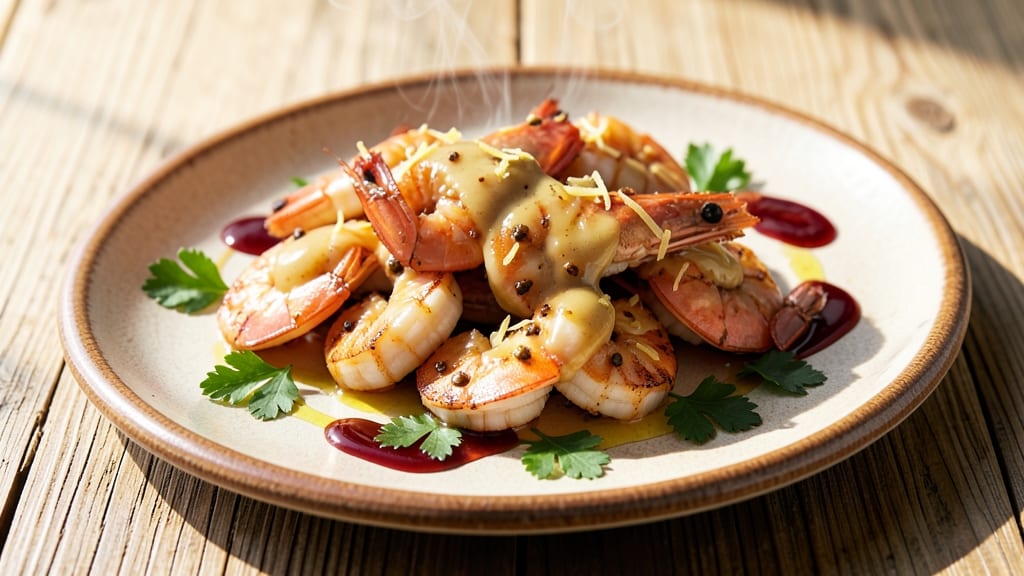
This Italian shrimp recipe transforms simple ingredients into a restaurant-quality dish that comes together in just 20 minutes. The secret lies in garlic-infused butter that sizzles with fresh parsley and lemon, creating a fragrant sauce that clings perfectly to each shrimp.
I developed this method after years of testing Italian seafood dishes, and it never fails to impress—whether you're serving a weeknight dinner or hosting a dinner party.
The beauty of this recipe is its balance of simplicity and sophistication. You'll need just five key ingredients—shrimp, butter, garlic, lemon, and parsley—along with a splash of white wine for depth.
The technique is straightforward: sear the shrimp in hot olive oil until golden, then finish them in the garlic butter for a burst of flavor. No fancy equipment or advanced skills required, just a foolproof method that delivers professional results every time.
What you'll end up with is succulent shrimp with a crisp exterior and tender, juicy centers, all coated in a rich, aromatic garlic butter sauce. The lemon brightens the dish, while the parsley adds a fresh finish that keeps the flavors vibrant.
This recipe pairs perfectly with crusty bread to soak up the sauce or alongside a simple arugula salad for a complete Italian-inspired meal.
The best part? This dish is versatile enough to adapt to your preferences—swap white wine for broth, add chili flakes for heat, or serve it over linguine for a heartier meal. Let's get started on creating this effortless yet impressive Italian shrimp dish that will have everyone asking for seconds.
Ingredients for italian shrimp
Five key ingredients and a splash of white wine transform simple shrimp into restaurant-quality Italian perfection.
| Ingredient | Amount | Notes |
|---|---|---|
| Large Shrimp 🦐 | 1 ½ lb | Peeled, deveined, tails on |
| Unsalted Butter 🧈 | ½ cup | Cold, cut into 1-inch cubes |
| Garlic Cloves 🧄 | 6 cloves | Minced, fresh preferred |
| Extra-Virgin Olive Oil 🫒 | 2 tbsp | High-quality, fruity |
| Fresh Parsley 🌿 | ¼ cup | Chopped, flat-leaf preferred |
| Lemon Juice 🍋 | 2 tbsp | Freshly squeezed |
| Dry White Wine 🍷 | ¼ cup | Sauvignon Blanc or Pinot Grigio |
| Sea Salt 🧂 | 1 tsp | Fine grain, kosher preferred |
| Freshly Ground Black Pepper 🌶️ | ½ tsp | Cracked peppercorns preferred |
| Red Pepper Flakes 🔥 | ¼ tsp | Optional, for heat |
| Lemon Zest 🍋 | 1 tsp | From 1 organic lemon |
The shrimp quality makes all the difference here. Look for wild-caught or sustainably farmed options at specialty seafood markets or the fish counter—Whole Foods or Trader Joe's consistently carry high-quality frozen shrimp that thaws beautifully. If using frozen, don't skip the thawing step: place them in cold water for 15-20 minutes before cooking. The butter should be cold and cut into cubes—this ensures proper sizzling when added later. For the garlic, fresh is non-negotiable; pre-minced garlic lacks the aromatic punch. If you're short on time, use a microplane to zest the cloves instead of mincing.
No white wine? Dry vermouth or even chicken broth works in a pinch, though the flavor profile shifts slightly. Substituting dried parsley for fresh cuts the herb's brightness by half—use twice the amount if that's all you have. The red pepper flakes are optional but recommended for a subtle kick; if you prefer no heat, omit them entirely. For the olive oil, avoid light or refined varieties—they lack the fruity notes that complement the garlic. If you can't find extra-virgin, use the best quality you can find, even if it's labeled simply 'olive oil'. The lemon juice should be freshly squeezed; bottled lemon juice lacks the bright acidity needed to balance the rich butter sauce.
This dish reheats beautifully—simply warm in a skillet over medium heat for 2-3 minutes. Store leftovers in an airtight container in the fridge for up to 2 days, though the shrimp texture softens slightly after the first day. For longer storage, freeze the cooked shrimp (without the sauce) for up to 3 months. The garlic butter sauce can be made ahead and reheated separately. To serve, toss the reheated shrimp with the warmed sauce and a squeeze of fresh lemon juice. The sauce thickens as it cools, so adding a splash of water or wine when reheating helps restore its silky texture.
Why You'll Love This Recipe
- One-Pan Magic: I swear by this recipe because it’s that kind of dish—just shrimp, butter, garlic, and a splash of olive oil tossed in one skillet. No chopping boards, no extra bowls, no stress. The garlic sizzles in the oil while I prep, and by the time I’m stirring in the shrimp, the whole kitchen smells like a Tuscan bistro.
- Garlic Butter Bliss: That moment when the shrimp hits the pan—sizzling in butter and garlic until the edges turn golden? It’s the kind of flavor that makes you pause mid-stir. The butter adds richness, the garlic gives it depth, and the parsley ties it all together with a bright finish. Honestly, I’ve made this a dozen times, and I still reach for more.
- Weeknight or Dinner Party: Between us, this is my go-to for any occasion. Need something fast for Tuesday nights? Done. Hosting friends on a whim? Done. The shrimp cooks in minutes, and the sauce is so forgiving that even if I burn the garlic a little (which happens), it still tastes amazing. Plus, it’s fancy enough to impress without trying too hard.
- Leftovers That Don’t Suck: Most shrimp dishes turn rubbery the next day, but not this one. The butter keeps them tender, and the garlic-parsley mix adds enough freshness to make it feel new. I’ll often toss them into pasta the next evening or serve them cold over salad—no one ever complains. (Yes, even on a Tuesday night.)
Step-by-step instructions for garlic-infused butter shrimp
Here's how to create restaurant-quality shrimp with a rich garlic butter sauce in just 20 minutes.
Prepare the Garlic Butter Base
In a medium saucepan, melt the 0.5 cup unsalted butter over medium-low heat. I like to use cold butter cut into cubes so it melts slowly and creates a smoother sauce. Add the 6 cloves minced garlic and stir constantly for 2-3 minutes until the garlic becomes fragrant and just begins to turn golden. Be careful not to let it brown—burnt garlic will make the sauce bitter.
Here's the thing—this is where the flavor foundation happens. The slow melting of butter and gentle cooking of garlic ensures you get all that aromatic depth without any bitterness. Remove the pan from heat and set it aside for now. We'll come back to this once the shrimp is cooked.
Sear the Shrimp in Olive Oil
Heat a large skillet over medium-high heat and add the 2 tablespoons extra-virgin olive oil. Once the oil is shimmering (about 1 minute), add the 1.5 lb large shrimp in a single layer. Season immediately with the 1 teaspoon sea salt and 0.5 teaspoon freshly ground black pepper. Cook undisturbed for 1-2 minutes per side until the shrimp turns opaque and develops a golden sheen.
Don't overcrowd the pan—this prevents the shrimp from steaming instead of searing. You'll know they're ready when they release easily from the pan and register 145°F internally. Transfer the cooked shrimp to a plate and tent loosely with foil to keep warm.
Deglaze with Wine and Lemon
Return the skillet to medium heat and pour in the 0.25 cup dry white wine. Scrape up any browned bits from the bottom of the pan with a wooden spoon—this is where all the shrimp flavor hides. Let the wine simmer for 2-3 minutes until reduced by half.
Add the 2 tablespoons lemon juice and 1 teaspoon lemon zest, then stir to combine. The acidity from the lemon brightens the rich garlic butter and balances the dish. Here's where it gets good—pour the garlic butter mixture you prepared earlier into the skillet and stir to combine with the wine reduction.
Finish with Parsley and Red Pepper Flakes
Return the shrimp to the skillet and gently toss to coat in the garlic butter sauce. Sprinkle with the 0.25 cup chopped fresh parsley and 0.25 teaspoon red pepper flakes, then toss again to distribute evenly. Cook for an additional 30 seconds just to heat through and let all the flavors meld together.
Taste and adjust seasoning if needed—you might want to add a pinch more salt or a squeeze of lemon to balance the flavors. The sauce should be glossy and cling beautifully to the shrimp. Serve immediately over crusty bread, with pasta, or alongside a simple green salad for a complete Italian-inspired meal.
Pro Tips For Making Italian Shrimp
- Preheat That Pan: Cast iron or heavy stainless steel—get it screaming hot for 3-4 minutes before adding the shrimp. I learned this the hard way: cold pans make rubbery shrimp, and no one wants that. The butter will foam like crazy at first, but that’s how you know it’s working.
- Peel Shrimp Last: Leave the shells on until you’re ready to plate—toss them in with the garlic and olive oil while you sauté. The shells infuse flavor into the butter, and you’ll end up with a richer sauce. Just peel and add the shrimp when the garlic’s golden, not before.
- Don’t Overcrowd the Pan: Shrimp cook in seconds—if you dump them all in at once, they’ll steam instead of sear. Work in batches of 4-6 pieces, giving them space to sizzle. Overcrowding turns your garlic butter into a sad, watery mess.
- Finish with Cold Butter: Take the pan off heat just before the shrimp are done, then add a pat of cold butter. It’ll melt into a glossy finish without burning—this is the move that makes your dish look restaurant-worthy. (Yes, even if you’re impatient like me.)
Best sauces and condiments for these flavors
Garlic Butter Sauce
This rich, aromatic sauce is the star of the dish. Start with cold cubed butter melted over medium-low heat—this prevents burning and creates a smoother texture. Add 6 minced garlic cloves and cook just until fragrant (about 2-3 minutes).
The key is to remove the pan before the garlic browns—burnt garlic turns bitter and ruins the sauce. For extra depth, deglaze the shrimp pan with ¼ cup dry white wine after searing, then combine with the garlic butter. 🧄
Lemon Brightness
Fresh lemon juice and zest are non-negotiable for balancing the richness. After deglazing with wine, add 2 tbsp lemon juice and 1 tsp zest—this cuts through the butter's richness while adding a vibrant citrus note.
For a tangier finish, squeeze extra lemon at the table. If you're short on time, bottled lemon juice works but lacks the same brightness—fresh is always better.
Herbaceous Parsley
Fresh parsley isn’t just for garnish—it adds a bright, herbaceous finish that ties all the flavors together. Toss in ¼ cup chopped flat-leaf parsley during the final 30 seconds of cooking.
For a stronger flavor, pulse parsley in a food processor before adding. If you only have dried parsley, use twice the amount (but fresh is ideal). 🌿
Spicy Kick
For heat, add ¼ tsp red pepper flakes when tossing the shrimp in the sauce. This provides a subtle warmth that complements the garlic without overpowering. If you prefer no heat, omit them entirely.
For a fierier version, swap red pepper flakes for ½ tsp crushed chili flakes or a pinch of cayenne pepper. Always taste before serving—adjust to your spice tolerance.
Wine Reduction
The wine isn’t just for flavor—it deglazes the pan, lifting all those delicious browned bits (fond) that add depth. Use ¼ cup dry white wine (like Sauvignon Blanc or Pinot Grigio) and reduce by half before combining with the garlic butter.
No wine? Substitute with chicken broth or dry vermouth, though the flavor will shift slightly. 🍷
Olive Oil Finish
For a silky, glossy sauce, drizzle 1 tbsp extra-virgin olive oil over the finished dish just before serving. This adds fruity brightness and helps the sauce cling to the shrimp.
Avoid light or refined olive oil—it lacks the flavor complexity needed to complement the garlic butter. A high-quality Italian extra-virgin (like Colavita) works best. 🫒
Nutrition facts
Frequently asked questions
Can I use frozen shrimp in this Italian shrimp recipe?
Yes, but thaw them properly first! Place frozen shrimp in cold water for 15-20 minutes before cooking to ensure even cooking. Never microwave or use warm water—this can make the shrimp rubbery. Pat them completely dry with paper towels before searing to get that perfect golden crust.
What's the best way to store leftovers?
Store cooked shrimp in an airtight container in the fridge for up to 2 days. For longer storage, freeze the shrimp (without sauce) for 3 months. The garlic butter sauce can be reheated separately—just add a splash of water or wine to restore its silky texture when warming. Reheat shrimp gently in a skillet for 2-3 minutes over medium heat.
Can I make this recipe without wine?
Use ¼ cup dry vermouth or chicken broth instead. The wine adds depth by deglazing the pan, but these substitutes work well. For a non-alcoholic version, use white grape juice reduced by half. Just remember the flavor profile will shift slightly without wine's acidity.
Why did my shrimp turn rubbery?
Overcooking is the most common cause. Shrimp should cook for 1-2 minutes per side until they reach 145°F internally. Don't overcrowd the pan—this steams instead of sears them. Also, never use frozen shrimp straight from the freezer. Always thaw properly first.
What's the best side dish pairing?
This dish pairs perfectly with crusty Italian bread for soaking up the sauce or linguine pasta tossed with the shrimp and sauce. For a lighter option, serve with a simple arugula salad dressed with lemon vinaigrette. The acidity cuts through the richness beautifully.