
Sauces & Condiments
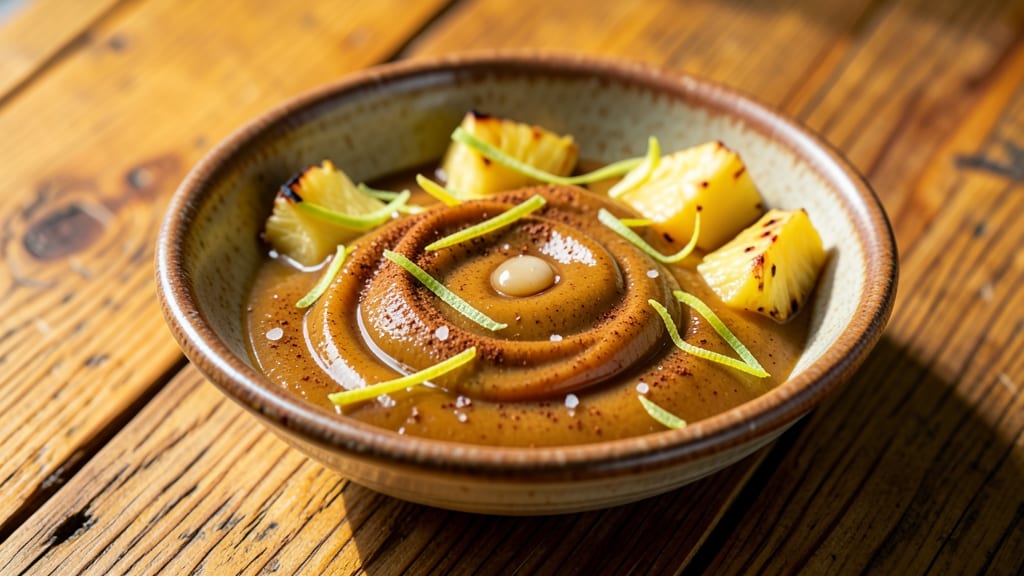
This pineapple butter recipe transforms humble pineapple into a velvety, tropical spread that elevates everything from toast to savory dishes. The process requires just three core ingredients—pineapple, sugar, and a touch of lemon juice—and no cooking skills beyond simmering and blending.
I first discovered this technique while searching for ways to use up overripe pineapple, and the results were so unexpectedly versatile that it quickly became a pantry staple.
The beauty of pineapple butter lies in its adaptability—sweet enough for desserts but bold enough to complement grilled meats or cheese boards. The key is reducing the pineapple until it breaks down into a thick, jam-like consistency, then blending it smooth.
Optional spices like cinnamon or chili powder can customize the flavor to suit your taste, while a splash of vanilla extract adds depth. Unlike traditional fruit butters, this version requires no pectin or special equipment, making it foolproof for beginners.
What you’ll end up with is a rich, aromatic spread that’s perfect for drizzling over pancakes, swirling into yogurt, or pairing with sharp cheeses like goat cheese or aged cheddar. The texture is thick yet spreadable, with a balance of sweet and tangy notes that make it irresistibly addictive.
Best of all, it keeps for weeks in the refrigerator, so you can make a batch and enjoy it throughout the month.
Whether you’re prepping for brunch, planning a tropical-themed dessert, or simply looking to add a unique twist to everyday meals, this pineapple butter delivers restaurant-quality flavor with minimal effort. Let’s get started—your taste buds will thank you.
Ingredients for pineapple butter
Three core ingredients plus optional spices transform pineapple into a velvety tropical spread.
| Ingredient | Amount | Notes |
|---|---|---|
| Fresh Pineapple 🍍 | 4 cups | Chopped, preferably overripe for sweetness |
| Granulated Sugar 🍚 | 1 ½ cups | White or raw cane preferred |
| Fresh Lemon Juice 🍋 | ¼ cup | From 1-2 lemons, freshly squeezed |
| Ground Cinnamon 🌿 | 1 tsp | Optional, for warmth (adjust to taste) |
| Vanilla Extract 💧 | 1 tsp | Pure vanilla for depth (optional) |
| Pinch of Salt 🧂 | ¼ tsp | Enhances flavor balance |
| Heavy Cream 🥛 | ¼ cup | Optional, for ultra-smooth texture |
The pineapple is everything here—overripe fruit delivers the best natural sweetness and jammy texture. Grab a whole pineapple from Trader Joe's or Costco (they often have pre-cut options too), or use frozen chunks if fresh isn't available. The sugar isn't just for sweetness; it helps break down the pineapple fibers during simmering. Raw cane sugar adds subtle molasses notes, but white sugar works perfectly fine. For lemon juice, I always use fresh—bottled just doesn't cut it here. The acidity balances the sweetness and prevents the butter from tasting flat.
No cinnamon? Cardamom or nutmeg works beautifully for a different twist. Skip the vanilla? A splash of bourbon or rum adds complexity (about 1 tsp). The heavy cream is optional but transforms this from jam-like to ultra-smooth—worth it if you're using it on pancakes or cheese boards. For a savory version, reduce the sugar to 1 cup and add a pinch of chili powder or smoked paprika. The salt might seem negligible, but trust me—it rounds out all the flavors. If you're short on time, pre-cut frozen pineapple works perfectly (just thaw first).
This keeps beautifully in the fridge for up to 3 weeks in a sealed jar. For longer storage, portion into ice cube trays and freeze—perfect for single-serving use. The texture thickens as it cools, so if it seems too stiff, pop it in the microwave for 10-15 seconds to soften. I always make a double batch because it disappears fast—especially when paired with goat cheese or grilled chicken. The flavor actually improves after a day or two as everything mellows together.
Why You'll Love This Recipe
- No-Cook Magic: I swear, this takes less effort than microwaving leftovers. Just blend pineapple chunks with sugar, lemon juice, and cinnamon—no peeling, no chopping, no mess. That’s it. The vanilla ties it all together while I’m still scrolling through my phone.
- Sweet-Tart Perfection: The balance here? Chef’s kiss. The pineapple’s natural sweetness caramelizes just enough from the sugar, while the lemon juice cuts through it like a bright summer breeze. A pinch of cinnamon makes it taste like a hug from a spice rack.
- Pantry Stash Ready: Honestly, this stuff lasts forever—months in the fridge, even. Slather it on toast when you’re tired of jam, dollop it into oatmeal for instant tropical vibes, or spread it on warm biscuits. It’s my go-to for when I’ve got nothing but a sad banana and a craving.
- Budget Bright Spot: Fresh pineapple’s the star, but it’s cheaper than you’d think—especially if you buy it on sale or use pre-cut chunks. A single batch feeds me for weeks, and the other ingredients? Basic. No fancy swaps needed. Just pure, reliable flavor without breaking the bank.
Step-by-step instructions for pineapple butter
This tropical spread comes together effortlessly with just a few simple techniques.
Prepare the Pineapple Base
Start by chopping the 4 cups of fresh pineapple into small, even pieces—about ½-inch cubes work perfectly. I like to use overripe pineapple for this recipe because it's naturally sweeter and softer, which helps create a smoother final texture. Transfer the chopped pineapple to a heavy-bottomed saucepan and bring it to a gentle simmer over medium heat.
Let the pineapple cook uncovered for about 15-20 minutes, stirring occasionally. You'll notice the mixture starts to break down and release its juices—this is when the magic begins. The pineapple should soften completely and reduce by about half, forming a thick, syrupy consistency. If it's not reducing quickly enough, you can increase the heat slightly, but watch carefully to avoid scorching.
Add Sugar and Lemon Juice
Once the pineapple has reduced and thickened, it's time to sweeten and brighten the flavor. Add the 1.5 cups of granulated sugar all at once and stir vigorously to dissolve it completely. This step is crucial—don't rush it. The sugar needs to fully incorporate to create that perfect balance of sweetness and tang.
Next, pour in the 0.25 cup of fresh lemon juice. The acidity from the lemon will help balance the sweetness and prevent the pineapple butter from becoming overly cloying. Let the mixture simmer gently for another 10-15 minutes, stirring frequently. You're looking for a thick, jam-like consistency that coats the back of a spoon. If it's still too loose, continue cooking until it reaches the right thickness—just be patient, as this is what gives pineapple butter its signature spreadable texture.
Incorporate Aromatics and Finish
With the pineapple mixture thickened and sweetened, it's time to add the aromatic elements. Stir in the 1 tsp of ground cinnamon and 1 tsp of vanilla extract, mixing well to distribute them evenly. These spices will add warmth and depth to the pineapple butter, transforming it from a simple fruit spread into something truly special. Let the mixture simmer for another 5 minutes to allow the flavors to meld together.
Taste the pineapple butter at this stage and adjust the seasoning if needed. You might want to add a pinch more salt to enhance the flavors or a splash more lemon juice if it needs more brightness. Remember, the goal is a harmonious balance of sweet, tangy, and aromatic notes. Once you're satisfied with the flavor, remove the saucepan from heat and let the pineapple butter cool slightly.
Add Heavy Cream (Optional)
If you're using the 0.25 cup of heavy cream, this is the moment to incorporate it. The cream will give the pineapple butter a luxurious, velvety texture that's perfect for spreading on toast or swirling into yogurt. Stir the cream into the warm pineapple mixture and let it sit for 1-2 minutes to gently heat through. The cream will thicken the butter slightly, so give it one last taste to ensure the balance of flavors is just right.
For the best results, transfer the pineapple butter to a clean glass jar and let it cool completely at room temperature. Once cooled, it will thicken further and develop a glossy finish. Store it in the refrigerator, where it will keep for up to 2 weeks. The flavors will continue to deepen as it sits, making it even more delicious with time.
Pro Tips For Making Pineapple Butter
- Peel the Pineapple Right: Cut off the crown, then slice the fruit into quarters lengthwise—skin side down on the cutting board. The knife will glide right along the tough outer layer, leaving you with clean, prepped fruit instead of fighting to scrape off stubborn fibers. (Yes, even if you’re impatient like me.)
- Simmer Low and Slow: After adding sugar, heat the pineapple mixture over medium-low until it thickens—about 20-25 minutes. High heat turns it into syrup; low heat caramelizes the sugar and softens the pineapple without burning. I learned this the hard way when my first batch smelled like a campfire.
- Strain for Smoothness: Use a fine-mesh sieve or cheesecloth to press out the cooked pineapple, not just strain it. The leftover pulp holds extra flavor—rub it through the sieve with a spoon for a velvety texture. Skipping this step leaves you with a chunky jam instead of buttery smoothness.
- Salt the Sugar First: Toss the sugar with a pinch of salt (¼ teaspoon) before adding it to the pineapple. It balances the sweetness and cuts through the tartness of the lemon juice—like a tiny but crucial insurance policy against cloying flavor. (Your future self will notice the difference.)
Pro cooking tips for this dish
Heat Control Secrets
Simmering pineapple butter requires gentle heat—medium-low is your best friend. Too high, and you risk scorching the edges or burning the sugar. I use a heavy-bottomed saucepan (like All-Clad) to prevent hot spots.
Once the pineapple starts releasing juices, reduce heat to low and let it bubble softly. Stir every 3-5 minutes to distribute heat evenly. 🌡️
Sugar Dissolving Hack
Adding sugar all at once might seem risky, but it’s the fastest way to balance flavors. If clumps form, stir vigorously with a silicone spatula—it won’t scratch your pan. For extra smoothness, I pulse the reduced pineapple in a blender for 10 seconds before adding sugar.
This breaks down fibers further, ensuring a silky texture. Just don’t blend too long or it’ll turn into a paste!
Lemon Juice Timing
Add lemon juice after the pineapple has reduced by half—this prevents it from evaporating too quickly. If your mixture tastes flat, a splash of extra lemon (up to 1 tbsp) brightens it up.
For a tropical twist, swap half the lemon juice for lime juice—it adds a zesty kick that pairs perfectly with spicy dishes or grilled fish. 🍋
Thickness Test
Pineapple butter should coat the back of a spoon like thick jam. If it’s too runny, simmer uncovered for 5-10 more minutes, stirring often. For a glossy finish, brush the inside of your jar with 1 tsp butter before filling—it prevents sticking and adds shine.
Pro tip: If it thickens too much in the fridge, microwave for 10 seconds to soften before using.
Spice Infusion Trick
For deeper flavor, toast your cinnamon or cardamom in a dry pan for 30 seconds before adding it to the pineapple. This releases oils that infuse the butter with warmth.
For a smoky version, add ½ tsp smoked paprika with the spices. Always taste as you go—adjust while warm, not cold, because flavors mellow as it cools. ✨
Cream Integration
If using heavy cream, add it off-heat to avoid curdling. Stir gently and let it sit for 1-2 minutes—the residual heat will temper it. For a lighter texture, whisk the cream into the cooled butter instead.
This works best for dessert applications like swirling into cheesecake or drizzling over ice cream. Skip it for savory uses like glaze for pork chops.
Nutrition facts
Frequently asked questions
Can I use canned pineapple instead of fresh?
Yes, you can! Drain a 20-ounce can of pineapple chunks (about 3 cups) and use it directly in the recipe. Canned pineapple works well, though fresh yields a slightly smoother texture. For extra richness, choose pineapple packed in its own juice rather than water.
How long does this tropical spread keep?
Store pineapple butter in an airtight glass jar in the fridge for up to 3 weeks. For longer storage, portion into ice cube trays and freeze—it keeps for 3 months. The flavor actually improves as it sits, developing deeper complexity over time.
What are the best ways to use pineapple butter?
This versatile spread shines on toasted bread or scones, swirled into yogurt or oatmeal, or drizzled over grilled meats. Try it as a glaze for pork tenderloin, a topping for cheese boards, or a filling for crepes. For dessert, pair it with ricotta or mascarpone cheese in a parfait.
Why did my pineapple butter turn out too runny?
Runny texture usually means the mixture wasn't reduced enough. Simmer uncovered for 5-10 more minutes until it thickens to a jam-like consistency. If it's still too loose, spread it thinly on a tray and let it dry at room temperature for 1-2 hours—this helps evaporate excess moisture.
Can I make this without sugar?
Yes! For a naturally sweetened version, reduce the sugar to 1 cup and use overripe pineapple (which contains more natural sugars). Add 1 tbsp honey or maple syrup if you need extra sweetness. The texture may be slightly less stable, so plan to eat it within 1 week for best results.