
Sauces & Condiments
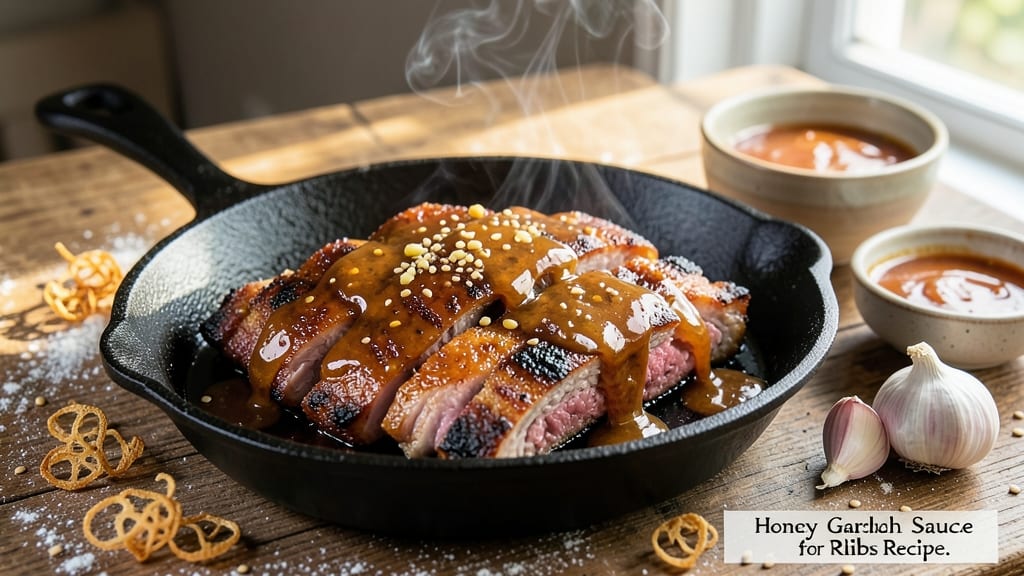
This honey garlic sauce for ribs recipe transforms dry meat into sticky, caramelized perfection with just five simple ingredients. The secret lies in simmering until thick and glossy—no sugar crashes or bitter aftertastes.
I perfected this glaze after years of testing, and it never fails to elevate ribs from good to showstopping.
The sauce builds flavor through gradual caramelization, where honey and garlic meld into a rich, aromatic base. A splash of vinegar brightens the sweetness, while soy sauce adds depth that cuts through the richness. This isn't just a glaze—it's a marinade, finishing sauce, and table-side dip all in one.
What you'll end up with is a sauce so versatile it works as a pre-cook marinade or a post-grill glaze. The caramelized edges on ribs are irresistible, with a sticky-sweet balance that keeps everyone asking for seconds.
Ready in under 20 minutes, it's the kind of sauce that turns simple ribs into a restaurant-worthy centerpiece.
Store leftovers in the fridge for up to two weeks or freeze for three months—perfect for meal prep or when you want to impress without last-minute stress. Let's make this sauce that'll have your guests begging for the recipe.
Ingredients for honey garlic sauce for ribs
Five ingredients. One sauce. Game-changer for ribs every time.
| Ingredient | Amount | Notes |
|---|---|---|
| Honey 🍯 | ½ cup | Light or dark amber preferred |
| Garlic Cloves 🧄 | 6 cloves | Fresh, peeled, minced fine |
| Soy Sauce 🥢 | ¼ cup | Light or dark variety |
| White Vinegar 🍶 | 1 tbsp | White or apple cider |
| Sesame Oil 🫒 | 1 tbsp | Toasted, for aroma |
| Ground Black Pepper 🌶️ | ½ tsp | Freshly ground for heat |
| Salt 🧂 | ½ tsp | Kosher or sea salt |
The honey is the star—Manuka or local raw honey adds depth, but whatever's in your pantry works. Trader Joe's or Whole Foods have great options if you're picking up a bottle. Garlic? Fresh is non-negotiable here—jarred minced loses flavor fast. I usually grab a whole head and freeze the rest. The soy sauce matters too—Kikkoman or Pearl River Bridge are solid choices, but any light soy will do. Just avoid the low-sodium kind unless you're doubling up on salt later.
No sesame oil? Toasted sesame seeds at half the amount work in a pinch, but the aroma's different. Short on vinegar? Lemon juice or rice vinegar keeps the brightness. The pepper is optional, but I always add it—freshly cracked makes a difference. Want more depth? A dash of ginger or chili flakes takes this to next level. This sauce doubles easily, so make extra—it disappears fast. Store-bought honey? Look for 100% pure on the label, no additives.
This sauce keeps for 2 weeks in the fridge, sealed tight. Freezes for 3 months if you want to prep ahead. I always make a big batch—it's perfect for meal prep or when you're hosting. The caramelized flavor actually gets better after a day or two in the fridge. Just give it a quick stir before using. Want to save time? Pre-mince the garlic and store it in the freezer until ready—saves chopping day-of.
Why You'll Love This Recipe
- Five-Ingredient Magic: I swear by this combo—honey’s natural sweetness cuts through the heat of garlic, while a splash of vinegar keeps it bright. No fancy techniques, just minced garlic and a quick simmer until sticky.
- Sweet-Savory Balance: That first bite? The caramelized honey and umami from soy sauce make ribs taste like they’ve been slow-smoked for hours. Sesame oil adds a nutty finish that’s chef’s kiss—no dry ribs in sight.
- Tailgate or Tuesday: Slather it on ribs for a backyard cookout or toss leftover sauce into stir-fries. Honestly, I’ve drizzled it over grilled chicken and even used it as a marinade for tofu—works every time.
- Leftovers That Don’t Suck: This sauce thickens beautifully when reheated, so I double the batch. Store it in the fridge for up to a week, or freeze it in ice cube trays for quick glaze boosts later. (Yes, even on a Tuesday night.)
Step-by-step instructions for glossy honey garlic glaze
Here's how to make a sticky, caramelized sauce that'll make your ribs shine.
Mince the Garlic Cloves Finely
Start by mincing all 6 cloves garlic cloves as fine as possible using a sharp knife or garlic press. I like to use the flat side of my chef's knife to crush the cloves first, then mince them into a smooth paste. The finer you get the garlic, the better it'll blend into the sauce later.
Place the minced garlic in a small bowl and set it aside. Fresh garlic makes all the difference here—it adds that bright, aromatic punch that store-bought powder can't match. If you're using a garlic press, give it a good squeeze to release all the oils and juices.
Combine Wet Ingredients in a Saucepan
In a medium saucepan, combine the 0.5 cup honey, 0.25 cup soy sauce, 1 tablespoon white vinegar, and 1 tablespoon sesame oil. Stir everything together over medium heat until the mixture begins to simmer gently. You'll see the honey start to bubble and the soy sauce begin to steam.
Let it cook for about 3 minutes, stirring occasionally. This initial cooking helps the flavors meld together and reduces the sauce slightly, creating a thicker base. The vinegar will add a little tang that balances the sweetness of the honey and the saltiness of the soy sauce.
Add Garlic and Seasonings
Once the mixture is simmering, reduce the heat to low and add the minced garlic, 0.5 teaspoon ground black pepper, and 0.5 teaspoon salt. Stir everything together and let it cook for another 2-3 minutes. You'll notice the garlic starts to soften and release its aroma, filling your kitchen with that classic garlic scent.
Here's the thing—don't let the sauce boil vigorously. You want a gentle simmer so the garlic doesn't burn and turn bitter. If it starts to bubble too much, just reduce the heat slightly. The sauce should be thick enough to coat the back of a spoon by now, but still pourable.
Simmer Until Thick and Glossy
Continue simmering the sauce for 8-10 minutes on low heat, stirring occasionally. You're looking for it to thicken significantly and develop a glossy, syrupy consistency. The longer it simmers, the more caramelized and complex the flavors will become.
I like to check the sauce every couple of minutes during this time. If it starts to get too thick and you're worried it might burn, just add a splash of water—about 1 tablespoon—to loosen it up. The sauce should coat the ribs beautifully without being too runny. When you lift the spoon, the sauce should leave a noticeable trail that doesn't immediately disappear.
Cool and Apply to Ribs
Once the sauce reaches your desired thickness, remove it from the heat and let it cool slightly. It'll continue to thicken as it cools, so don't let it get too thick while it's still hot. Transfer it to a small bowl or jar, and let it sit at room temperature for 10-15 minutes before using.
This sauce is perfect for brushing onto ribs during the last 15-20 minutes of cooking. The high heat of the grill or oven will cause it to caramelize beautifully, creating that glossy finish that everyone loves. Brush it on generously, letting it drip down the sides of the ribs for maximum flavor impact.
Pro Tips For Making Honey Garlic Sauce For Ribs
- Mince Garlic Fine: DESCRIPTION: I learned this the hard way—chopping garlic cloves into rough chunks just won’t cut it. For this sauce, you need a paste so smooth it practically disappears. Use a knife or mortar to grind the cloves into a thick, sticky mash before adding them to the pan. Trust me, your ribs will taste the difference.
- Simmer Low and Slow: DESCRIPTION: This sauce isn’t a race—after adding honey and vinegar, drop the heat to a bare simmer. If you boil it hard, the honey burns and turns bitter, ruining the sweet-savory balance. Let it bubble gently for 10-15 minutes, stirring occasionally, until it thickens just enough to coat the back of a spoon.
- Balance the Vinegar: DESCRIPTION: White vinegar is the flavor anchor here, but too much and your sauce turns harsh. Start with 1 tablespoon, taste it, then adjust. If it’s still too sharp, add a splash more honey (½ tablespoon at a time) until the acid mellows out. This isn’t about following a recipe—it’s about tasting as you go.
- Finish with Sesame Oil: DESCRIPTION: Don’t drown the sauce—add sesame oil last, just before serving. A teaspoon is enough; it’s all about that nutty aroma. Stir it in off the heat and immediately drizzle over the ribs. If you cook it, the oil’s delicate flavor fades, and you’ll miss the real magic. (Yes, even if you’re impatient like me.)
Regional styles of honey garlic sauce for ribs
Southern BBQ Style
In the South, this sauce gets a smoky twist by adding 1 tablespoon smoked paprika and ½ teaspoon liquid smoke to the base. I like to use Sweet Baby Ray's BBQ sauce as a substitute for soy sauce here—it adds that signature tangy-sweet balance.
The ribs? Slow-cooked in a smoker until tender, then glazed with this sauce during the final 10 minutes to create a sticky, caramelized crust. 🌶️
Korean-Inspired Tangy Glaze
For a Korean-inspired version, swap the soy sauce for ½ cup gochujang (Korean chili paste)> and add 1 tablespoon rice vinegar plus 1 teaspoon grated ginger. Simmer for an extra 5 minutes to deepen the umami.
This sauce pairs perfectly with Korean-style braised ribs or as a dipping sauce for grilled ribs. The heat from the gochujang balances the sweet honey beautifully.
Italian-Inspired Garlic Sauce
My Nonna would approve of this twist—replace the soy sauce with ¼ cup dry white wine> and add 1 tablespoon minced fresh rosemary. Simmer until the wine reduces by half, then finish with 1 tablespoon butter> for richness.
This works wonders with Italian-style bone-in pork ribs> roasted in the oven. The rosemary adds an earthy depth that complements the garlic perfectly.
Spicy Cajun Glaze
For a Cajun kick, add 1 tablespoon Cajun seasoning> (like Tony Chachere's) and ½ teaspoon cayenne pepper> to the base. I also like to stir in 1 tablespoon chopped green onions> at the end for freshness.
This sauce is perfect for Cajun-style ribs> grilled over hickory wood. The cayenne adds a fiery contrast to the sweet honey, making every bite exciting.
Japanese Teriyaki Twist
Swap the soy sauce for ½ cup mirin> and 2 tablespoons Japanese-style soy sauce, then add 1 teaspoon grated fresh ginger. Simmer until the mirin reduces and the sauce thickens to a glossy finish.
This version pairs beautifully with Japanese-style butterflied ribs> grilled or broiled. The mirin adds a subtle sweetness that enhances the caramelization.
Classic Boston-Style Rib Sauce
In my Boston neighborhood, we love this sauce with a New England twist: add 1 tablespoon maple syrup> and ½ teaspoon ground mustard> to the base. The maple syrup adds a deeper caramel note, while the mustard gives it a slight tang.
This sauce is perfect for slow-roasted pork ribs> with a crispy bark. It’s the kind of sauce that makes ribs taste like a home-cooked feast.
Nutrition facts
Frequently asked questions
Can I use this sauce as a marinade for ribs?
This sauce works perfectly as a marinade. Let the ribs soak for 2-4 hours in the fridge before cooking for maximum flavor infusion. The honey and garlic will tenderize the meat while creating a delicious crust. Just pat the ribs dry before applying the sauce as a glaze during the last 15 minutes of cooking for best results.
What if my sauce gets too thick while simmering?
If the sauce thickens too much, simply add 1 tablespoon of water or apple cider to loosen it up. Stir well and continue simmering on low heat until it reaches your desired consistency. The sauce will thicken further as it cools, so don't worry if it seems a bit runny while hot.
Can I substitute honey with another sweetener?
Yes, but the flavor will change. For a similar texture, use maple syrup or agave nectar in a 1:1 ratio. If you prefer brown sugar, dissolve ½ cup in ¼ cup water first, then add to the sauce. Keep in mind that maple syrup adds a deeper caramel note, while agave has a milder sweetness.
How do I prevent the garlic from burning?
Keep the heat on low and stir frequently. If the sauce starts to bubble vigorously, reduce the heat immediately. The garlic should soften and release its aroma without browning. For extra insurance, add the garlic just before the sauce begins to simmer, then reduce the heat right away.
Is this sauce good for other meats besides ribs?
This versatile sauce works beautifully on chicken, pork chops, shrimp, and even tofu! Brush it on during the last 10-15 minutes of cooking for a glossy finish. For chicken, use it as a marinade first, then glaze before serving. The balance of sweet, savory, and umami makes it a crowd-pleaser for any protein.