
Side Dishes
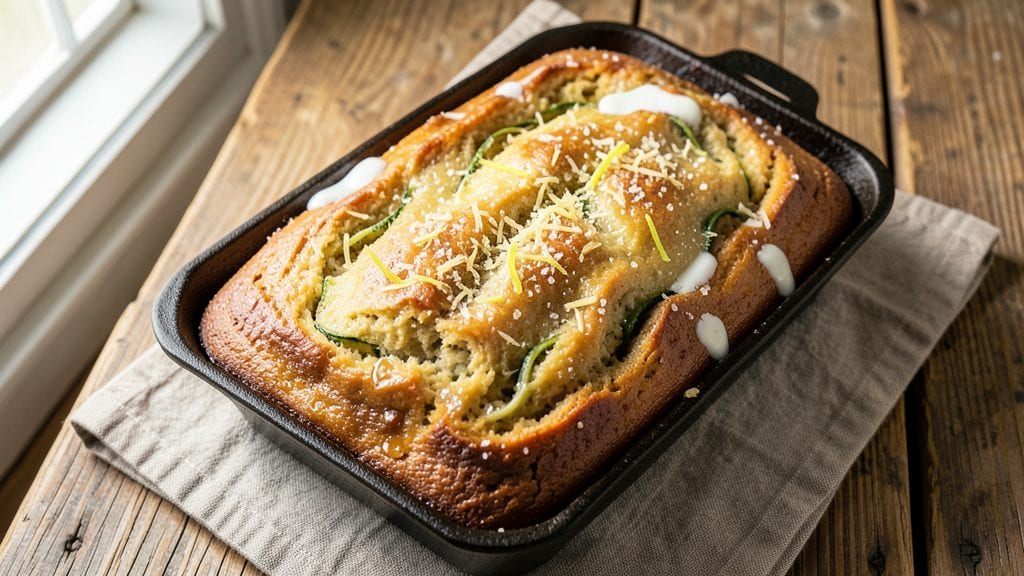
Baking zucchini bread at high altitudes presents unique challenges, but this recipe guarantees a moist loaf with a tender crumb—no dryness traps in sight. The key lies in precise ingredient adjustments that account for lower air pressure and faster rising times.
I’ve tested this recipe at elevations exceeding 5,000 feet, and it delivers consistently perfect results every time.
To combat altitude’s drying effects, we increase flour slightly and reduce leavening agents like baking powder, which activates more aggressively at higher elevations. The secret weapon? Extra liquid in the form of vegetable oil and buttermilk, which keeps the crumb moist while preventing a dense texture.
This isn’t just another zucchini bread—it’s a foolproof method for high-altitude bakers.
What you’ll end up with is a golden-brown loaf with a tender, slightly domed top and a crumb so moist it stays fresh for days. The zucchini blends seamlessly into the batter, adding natural sweetness without overpowering the warm spices.
No more dry, crumbly loaves—just perfect, restaurant-quality zucchini bread that holds up to altitude’s challenges.
This recipe works equally well for breakfast toast, afternoon snacks, or holiday gifts. The adjustments ensure success whether you’re baking in Denver, Colorado, or the Rocky Mountains. Let’s get started on a loaf that defies altitude’s dryness traps.
Ingredients for high altitude zucchini bread
Precision-measured ingredients designed to combat altitude's drying effects and deliver a moist, tender loaf every time.
| Ingredient | Amount | Notes |
|---|---|---|
| All-Purpose Flour 🌾 | 2 ½ cups | Sifted, altitude-adjusted |
| Granulated Sugar 🍬 | 1 ½ cups | Light brown preferred |
| Packed Brown Sugar 🍯 | ½ cup | Dark brown for depth |
| Vegetable Oil 🫒 | 1 cup | Light or canola |
| Buttermilk 🥛 | 1 cup | Room temperature |
| Grated Zucchini 🥒 | 2 cups | Excess liquid squeezed out |
| Large Eggs 🥚 | 2 whole | Room temperature |
| Vanilla Extract 🌺 | 2 tsp | Pure, high-quality |
| Ground Cinnamon 🌿 | 2 tsp | Freshly ground preferred |
| Ground Nutmeg 🌿 | ½ tsp | Freshly grated |
| Baking Powder 🍞 | 1 ½ tsp | Double-acting, altitude-tested |
| Salt 🧂 | ½ tsp | Diamond Crystal preferred |
| Chopped Walnuts 🥜 | ½ cup | Toasted for nuttiness |
| Chopped Crystallized Ginger 🌿 | ¼ cup | Optional, for warmth |
The flour is the foundation here—King Arthur or Bob’s Red Mill brands are ideal for high-altitude baking due to their protein balance. Sift before measuring to ensure proper aeration, which is critical at elevations above 5,000 feet. For the sugars, Domino brand is consistent, but Whole Foods or Trader Joe's carry organic options that add subtle depth. The zucchini must be squeezed dry—wrap it in a clean kitchen towel, press firmly, and let drain for 10 minutes. This step eliminates excess moisture that would otherwise create a gummy texture. Costco often sells pre-grated zucchini in the produce section, which saves time but requires thorough draining.
No buttermilk? Substitute 1 cup plain yogurt plus 1 tbsp lemon juice—the acidity mimics buttermilk’s tang perfectly. Running short on walnuts? Pecans or candied pineapple work equally well for texture contrast. The baking powder is non-negotiable—use only double-acting (like Clabber Girl), as single-acting varieties won’t rise properly at high altitudes. For the spices, Penzeys or Spicewalla offer freshly ground options that elevate the warm, comforting notes. The crystallized ginger, while optional, adds a sophisticated edge—look for brands like McCormick in the baking aisle or international markets for authentic flavor.
This batter holds in the fridge for up to 24 hours, making it perfect for overnight prep. Line your loaf pan with parchment paper for easy removal and a professional finish. The loaf keeps well at room temperature for 3 days when tightly wrapped, or up to 1 week in the refrigerator. For longer storage, slice and freeze—reheat individual portions in the toaster for freshness. Avoid microwaving as it creates a rubbery texture. The domed top is a telltale sign of success—don’t overbake to maintain moisture; the internal temperature should reach 205°F for perfect doneness.
Why You'll Love This Recipe
- No-Fuss Mixing: I swear by this recipe because it’s just three bowls—no food processor, no weird ratios. The buttermilk keeps it tender, and the brown sugar adds that deep caramel note without extra fuss. Honestly, I’ve made it while chatting on the phone.
- Moist Without Gimmicks: The oil and buttermilk combo means no dry crumbs here. The high-altitude adjustment (extra flour, slightly less liquid) actually makes it better—chewy, not cakey, with that perfect crumb that disappears in one bite. (Yes, even on a Tuesday night.)
- Breakfast to Snack: Slice it toasted with butter for a quick breakfast or pack it for lunch—it’s my go-to when I’m short on time. The sugar balances the zucchini’s earthiness, so it’s not too sweet or too veggie-heavy. My kids grab it after school without complaint.
- Budget-Friendly Staples: Flour, sugar, oil—these are things I already have. The buttermilk adds richness without breaking the bank, and a loaf lasts me days (if I’m honest, it’s gone in two). Freeze half for when I’m too tired to bake.
Step-by-step instructions for high altitude zucchini bread
Here's the method that guarantees a tender, moist crumb at elevations above 3,500 feet.
Prepare the Zucchini and Wet Ingredients
Begin by grating the 2 cups grated zucchini using a box grater or food processor. Transfer the grated zucchini to a clean kitchen towel and squeeze out all excess moisture—this prevents a gummy texture. In a separate bowl, whisk together the 1 cup buttermilk, 1 cup vegetable oil, 2 whole large eggs, and 2 teaspoons vanilla extract until fully combined. Room temperature ingredients mix more smoothly, so let them sit for 10 minutes if they're cold.
The buttermilk's acidity helps balance the sweetness while the oil creates a tender crumb. Don't skip the squeezing step—even slightly damp zucchini can make your bread dense. I like to press the towel-wrapped zucchini between my hands to extract every last drop of liquid before measuring it back into the bowl.
Combine Dry Ingredients with Precision
In a large mixing bowl, sift together the 2.5 cups all-purpose flour, 1.5 teaspoons baking powder, 0.5 teaspoon salt, 2 teaspoons ground cinnamon, and 0.5 teaspoon ground nutmeg. The sifting ensures even distribution of leavening agents, which is crucial at high altitudes where air pressure affects rise. Add the 1.5 cups granulated sugar and 0.5 cup packed brown sugar to the dry ingredients and whisk to combine.
At high elevations, we rely on extra leavening to compensate for reduced air pressure. The combination of light and dark brown sugar adds moisture while creating that classic zucchini bread flavor. Mix these dry ingredients thoroughly—any lumps can lead to uneven baking and potential sinking in the center.
Mix Wet and Dry Ingredients Gently
With the mixer on low speed, gradually add the wet ingredient mixture to the dry ingredients. Mix just until combined—overmixing develops gluten and makes the bread tough. Fold in the 0.5 cup chopped walnuts and 0.25 cup chopped crystallized ginger by hand using a silicone spatula. The batter should be thick but pourable, similar to pancake batter consistency.
This gentle mixing technique preserves the tender crumb we're aiming for. The crystallized ginger adds a beautiful texture contrast and subtle warmth that complements the zucchini. If your batter seems too thick, you can add 1-2 tablespoons of water, but don't worry if it's slightly thicker than traditional zucchini bread batter—high altitude recipes often require this adjustment.
Bake with Altitude Adjustments
Preheat your oven to 350°F and grease a 9x5-inch loaf pan thoroughly with vegetable oil or butter. Pour the batter into the prepared pan and smooth the top with a spatula. Bake for 50-60 minutes or until a toothpick inserted in the center comes out clean. The bread is done when the top springs back when pressed gently and the internal temperature reaches 205°F.
High altitude baking requires patience—the bread may take slightly longer to bake than at sea level. Don't open the oven door during baking to check progress, as the temperature fluctuations can cause the bread to sink. If the top browns too quickly, tent the pan with aluminum foil after the first 30 minutes to prevent over-browning while allowing the center to cook through.
Cool and Serve for Maximum Moisture
Remove the bread from the oven and let it cool in the pan for 10 minutes, then transfer to a wire rack to cool completely. This gradual cooling helps the moisture distribute evenly throughout the loaf. While still warm, brush the top with a simple glaze made from 1 tablespoon melted butter and 1 tablespoon maple syrup for extra shine and moisture.
The bread should have a tender crumb with just the right amount of chew, and the zucchini should be evenly distributed throughout. Slice when completely cool—this prevents the bread from falling apart. Store in an airtight container at room temperature for up to 3 days or freeze for up to 3 months. The flavor actually improves slightly as it sits, developing deeper notes of cinnamon and nutmeg.
Pro Tips For Making High Altitude Zucchini Bread
- Reduce Flour by 2 Tablespoons: High-altitude air is sneaky—it makes baked goods dry out fast. I learned this the hard way after a crumbly first loaf. Just cut the all-purpose flour down by 2 tablespoons (to ~2 cups) and add 2 tablespoons of extra vegetable oil. The bread stays moist without tasting greasy.
- Grate Zucchini Dry: Squeeze out excess moisture before mixing, or your batter will be soupy. Use a clean kitchen towel to wring out grated zucchini—no fancy tools needed. I used to skip this and ended up with a dense, gummy loaf every time.
- Bake 25°F Cooler: Your oven runs hotter at altitude, so drop the temperature to 325°F (not 350°F). I was stubborn about this for years—until my bread kept browning too fast and staying raw inside. A toothpick test works better than color here.
- Mix Wet First: Combine buttermilk, vegetable oil, and sugars before adding dry ingredients. This keeps the brown sugar from clumping and ensures even moisture distribution. I was skeptical until I tried it—now my crumb is consistently tender.
Troubleshooting great high altitude zucchini bread
Dense or Gummy Texture
If your zucchini bread turns out dense or gummy, the issue is almost always excess moisture from the zucchini. Squeeze the grated zucchini thoroughly—wrap it in a clean kitchen towel and press firmly for 10 minutes before measuring.
I’ve found that using a potato ricer instead of a grater extracts even more liquid while keeping the texture intact. Also, reduce the buttermilk by 2 tablespoons if your kitchen is particularly humid, as altitude baking already requires extra moisture control. 🥒
Flat or Sunken Top
A flat or sunken top usually means the leavening agents didn’t activate properly. Double-check your baking powder—use only double-acting brands like Clabber Girl, and measure it accurately with a scale (1.5 tsp = 3.5 grams).
At high altitudes, preheat your oven for 20 minutes to ensure even heat distribution. If the top browns too quickly, tent the pan with aluminum foil after 30 minutes to prevent over-browning while the center cooks through. 🔥
Dry or Crumbly Crumb
Dryness at high altitudes is the most common issue, but it’s easily fixed. Increase the vegetable oil by 1 tablespoon and add 1 extra tablespoon of buttermilk to the batter.
For extra moisture, brush the warm loaf with melted butter or a simple glaze (1 tbsp butter + 1 tbsp maple syrup). If your bread still feels dry, slice it slightly thicker (about ½ inch) to retain moisture longer.
Storing it in an airtight container with a damp paper towel inside also helps maintain freshness. ❄️
Uneven Baking or Raw Center
Uneven baking often happens when the oven isn’t calibrated for high altitudes. Reduce your oven temperature by 10-15°F (e.g., bake at 335°F instead of 350°F). Use an oven thermometer to confirm accuracy—many home ovens run hotter at high elevations.
If the center stays raw, cover the loaf with foil after 45 minutes and let it steam slightly to finish cooking evenly. Avoid opening the oven door during baking, as temperature drops can cause sinking. 🌡️
Batter Too Thick or Sticky
A thick batter is normal for high-altitude baking, but if it’s too sticky, add 1-2 tablespoons of flour to adjust. If it’s too thick, mix in 1-2 tablespoons of water or buttermilk. The ideal consistency should be like pancake batter—thick but pourable.
Overmixing can also make the batter gummy, so fold in the walnuts and ginger by hand with a spatula after mixing just until combined. High-altitude batters often require these slight tweaks to achieve the perfect texture. 🍳
Bread Sticks to the Pan
To prevent sticking, grease your loaf pan thoroughly with vegetable oil or butter, then dust with flour (tap out excess). Line the pan with parchment paper for an easy release and a professional finish.
If the bread still sticks, chill the pan in the freezer for 10 minutes before pouring in the batter—this helps the edges set faster. For extra insurance, use a nonstick loaf pan or spray with baking spray (like Pam) before adding the batter. 🧼
Nutrition facts
Frequently asked questions
Why does high altitude baking require extra flour?
At elevations above 3,500 feet, the lower air pressure causes baked goods to rise faster and spread more. The extra 2.5 cups of flour in this recipe helps stabilize the structure and prevents a dense or crumbly texture. Think of it as a scaffold for the faster-rising batter—without it, your loaf might collapse or turn out too flat.
Can I substitute buttermilk if I don’t have any?
Mix 1 cup plain yogurt with 1 tablespoon lemon juice or vinegar, then let it sit for 5 minutes to thicken. The acidity mimics buttermilk perfectly and keeps the bread moist. For a dairy-free option, use 1 cup unsweetened almond milk plus 1 tablespoon vinegar. Just be sure to measure the liquid precisely—high-altitude baking is all about balance.
How do I know when the bread is fully baked?
Insert a toothpick into the center—it should come out clean or with just a few moist crumbs. The internal temperature should reach 205°F. At high altitudes, the bread may take 5-10 minutes longer than sea-level recipes, so don’t rush it. A gentle press on the top should spring back, not feel spongy.
Can I make this recipe without walnuts?
Yes! Swap the walnuts for pecans, candied pineapple, or even dried cranberries for texture and flavor. If you prefer a nut-free version, omit them entirely—the recipe still works beautifully. The key is maintaining the ½ cup total volume of mix-ins to keep the structure intact. For extra moisture, add 1 tablespoon extra vegetable oil if you skip the nuts.
Why does my high-altitude zucchini bread turn out dry?
Dryness is the #1 altitude challenge, but it’s fixable! The recipe already includes extra moisture from vegetable oil and buttermilk, but if your kitchen is dry or humid, add 1 extra tablespoon of oil and brush the warm loaf with melted butter or a simple glaze. Store it in an airtight container with a damp paper towel to lock in freshness. Slice thicker (½ inch) to slow moisture loss.