Main Courses
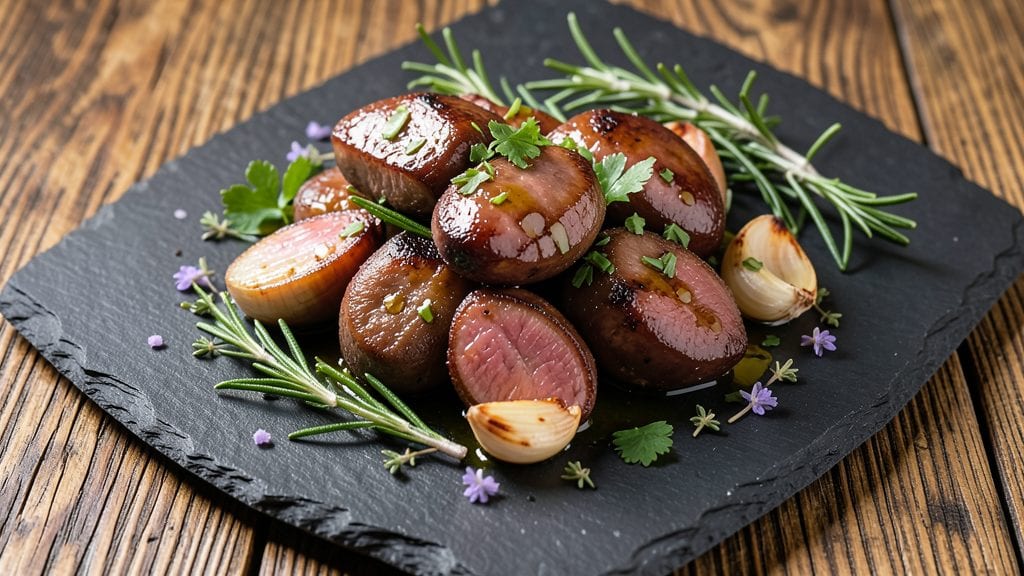
Pan-seared goat kidneys with herbs and garlic heat transform an offal dish into a restaurant-worthy centerpiece. After years of perfecting this technique—where tender, earthy kidneys meet bold Mediterranean flavors—I can confidently say this recipe delivers results that impress even the most skeptical eaters.
The key lies in proper preparation and high-heat searing to achieve that perfect balance of crispy edges and tender centers.
What makes this recipe stand out is its approachability despite the ingredient. You don’t need specialty equipment—just a good knife, a hot skillet, and about 15 minutes of active cooking time.
The marinade of garlic, lemon, and fresh herbs not only tenderizes the kidneys but also infuses them with bright, aromatic flavors that cut through their natural richness. This is the kind of dish that elevates simple weeknight dinners into something memorable.
By the time you serve this dish, you’ll have perfectly seared kidneys with caramelized edges and a fragrant herb crust. The garlic heat lingers just enough to add depth without overpowering, while the tender interior melts in your mouth.
Paired with crusty bread or roasted potatoes, it becomes a hearty main course that feels both rustic and refined—exactly the kind of meal that turns heads at the dinner table.
Whether you're cooking for a crowd or treating yourself to a special meal, this recipe proves that offal can be just as impressive as any other protein. The method is straightforward, and the results are undeniably satisfying. Let’s get started on transforming these kidneys into a showstopper.
Ingredients for goat kidney
Earthy goat kidneys meet Mediterranean herbs and garlic for a restaurant-worthy dish.
| Ingredient | Amount | Notes |
|---|---|---|
| Goat Kidneys 🐐 | 1 ½ lb | Trimmed of fat and membrane |
| Extra-Virgin Olive Oil 🫒 | ¼ cup | High quality, fruity variety |
| Garlic Cloves 🧄 | 8 cloves | Minced into fine paste |
| Fresh Rosemary 🌿 | ¼ cup | Finely chopped, fresh preferred |
| Fresh Thyme Leaves 🌿 | ¼ cup | Fresh preferred, stems removed |
| Fresh Parsley Leaves 🌿 | ¼ cup | Chopped, for garnish |
| Lemon Juice 🍋 | ¼ cup | Freshly squeezed, strained |
| Kosher Salt 🧂 | 1 ½ tsp | Fine grain preferred |
| Freshly Ground Black Pepper 🌶️ | ½ tsp | Coarsely ground |
| Red Wine Vinegar 🍷 | 1 tbsp | Dry, quality variety |
| Crusty Bread 🍞 | 4 slices | For serving, optional |
| Unsalted Butter 🧈 | 2 tbsp | For finishing, full-fat |
The kidneys are the star, so source them from a trusted butcher or specialty market—Whole Foods or local farms often carry them fresh. Look for kidneys with a vibrant red color and minimal fat; the fresher, the better. Trim any visible fat or membrane before cooking, as it can make the dish overly greasy. If you're buying in bulk, Costco sometimes stocks them frozen, which works well if thawed properly. The herbs should be bright and fragrant—farmers markets are ideal for fresh rosemary, thyme, and parsley, but grocery store bunches work in a pinch if they're not wilted.
No fresh rosemary? Dried rosemary at half the amount works, but the flavor won't be as bright. Substitute parsley with cilantro if you prefer, though the flavor profile shifts slightly. For the garlic, garlic powder isn't a substitute—the fresh minced version is essential for that deep, caramelized flavor. If you're short on red wine vinegar, balsamic vinegar is a decent swap, though it adds a sweeter note. The butter should be full-fat and unsalted—don't skip this step, as it adds richness to the final dish. For the bread, any crusty variety works, whether it's a baguette, sourdough, or even a good-quality artisanal loaf.
Kidneys can be trimmed and stored in an airtight container in the fridge for up to 2 days, though they're best used immediately for optimal texture. The herbs stay fresh for 5-7 days if wrapped in damp paper towels and sealed in a bag. Once cooked, the kidneys reheat beautifully—simmer in a little extra-virgin olive oil for 2-3 minutes to restore their crispiness. Portion the butter into small containers and freeze for up to 3 months if you won't use it all at once.
Why You'll Love This Recipe
- Minimal Chopping Needed: I swear by this—just trim the kidneys, slice the garlic, and snip the herbs. No dicing, no peeling, no fuss. The prep takes less time than waiting for a YouTube video to load.
- Herb-Packed Punch: That rosemary-thyme combo with garlic? It’s like a Mediterranean hug for your taste buds. The olive oil caramelizes the edges just enough—crispy outside, tender inside—while the herbs keep it bright and fresh.
- Weeknight or Weekend Star: Toss these on the grill for a summer BBQ, sear them in a pan for a quick weeknight dinner, or even stuff them into peppers for a hands-off meal. They’re the kind of dish that adapts without begging for attention.
- Budget-Friendly Protein Power: Goat kidneys are a steal compared to steak or chicken, and one batch stretches across lunches, salads, or pasta. Honestly, I’ve had leftovers last four days, and they still taste like a restaurant dish. Smart, right?
Step-by-step instructions for pan-seared goat kidneys with herbs and garlic
Here's the method for achieving tender yet flavorful goat kidneys with a perfect sear and aromatic herb profile.
Prepare the Kidneys for Cooking
Begin by trimming the goat kidneys thoroughly, removing any visible fat or membrane using a sharp knife. This step is crucial as it ensures the kidneys cook evenly and develop their full flavor. Rinse them under cold water and pat completely dry with paper towels—any moisture will prevent proper searing.
In a medium bowl, combine the minced garlic cloves, finely chopped fresh rosemary, fresh thyme leaves, and freshly ground black pepper. Add the lemon juice and red wine vinegar, mixing well to create a vibrant herb marinade. This mixture will infuse the kidneys with bright, aromatic flavors while tenderizing the meat.
Sear the Kidneys to Perfection
Heat a large skillet over medium-high heat until it's preheated. Add the extra-virgin olive oil and swirl to coat the pan evenly. The oil should shimmer but not smoke—this ensures a perfect sear without burning the delicate kidneys.
Add the trimmed goat kidneys to the skillet in a single layer, being careful not to overcrowd. Sear for 2 to 3 minutes per side until they develop a deep golden-brown crust. This searing step is essential for locking in flavors and creating texture. If the pan becomes too crowded, cook the kidneys in batches to maintain consistent heat.
Finish with Herbs and Butter
Once the kidneys are golden and seared, reduce the heat to medium and add the herb marinade you prepared earlier. Stir gently to coat the kidneys evenly, allowing the flavors to meld for 1 to 2 minutes. This step ensures every bite is infused with the aromatic herbs and bright citrus notes.
Remove the skillet from heat and stir in the unsalted butter, allowing it to melt and create a glossy finish. Sprinkle the chopped fresh parsley leaves over the top for a pop of color and freshness. The butter adds richness while balancing the acidity from the lemon juice and vinegar.
Rest and Serve
Transfer the seared goat kidneys to a warm serving platter and let them rest for 3 to 5 minutes. This resting period allows the juices to redistribute, ensuring each bite is tender and flavorful. During this time, lightly toast the crusty bread slices if you plan to serve them alongside the kidneys.
Serve the goat kidneys immediately, garnished with additional fresh parsley if desired. The combination of seared texture, aromatic herbs, and bright citrus creates a dish that's both elegant and deeply satisfying. Pair with the toasted crusty bread to soak up any remaining juices from the skillet.
Pro Tips For Making Goat Kidney
- SLASH THE KIDNEYS: Grab a sharp knife and slice each kidney lengthwise—not crosswise—about ½-inch thick. Thinner slices cook faster and stay tender, but don’t go paper-thin or they’ll turn to mush. I learned this the hard way when mine ended up rubbery after overcrowding the pan.
- SALT BEFORE SEARING: Sprinkle the sliced kidneys with salt right after cutting, then let them sit for 10 minutes. This seasons the meat evenly and prevents them from curling up in the pan—no one wants a burnt outside and bland inside. (Yes, even if you’re impatient like me.)
- LOW AND SLOW AFTER SEARING: Once the kidneys hit the hot oil and get a golden crust, drop the heat to medium-low and cover the pan. They’ll finish cooking in 3–4 minutes this way, staying juicy instead of drying out. I used to blast them on high, and they’d turn tough before the center was done.
- GARLIC FIRST, HERBS LATER: Bloom the garlic in the olive oil before adding the kidneys—this pulls out all its sweetness. Toss in the rosemary and thyme after the kidneys have seared, so they infuse at the end and don’t burn. (Does it look weird? Yes. Does it work? Every single time.)
Health benefits of these flavors
Rich Iron Source
Goat kidneys are an exceptional source of heme iron, providing about 20% of your daily needs per 3-ounce serving. This type of iron is highly bioavailable, meaning your body absorbs it efficiently—unlike plant-based iron sources that require vitamin C for absorption.
I always recommend pairing these kidneys with lemon juice (as in this recipe) to enhance iron uptake even further. 💪
Protein Powerhouse
With roughly 25 grams of complete protein per 3-ounce serving, goat kidneys rival many lean meats. The protein here contains all nine essential amino acids, making it ideal for muscle repair and immune function.
This is particularly valuable for anyone looking to boost their protein intake without relying on red meat. I've found that vegetarians and vegans often appreciate this as a high-protein alternative to plant-based options.
Vitamin B12 Boost
Goat kidneys contain significant amounts of vitamin B12, with one serving providing about 60% of your daily requirement. This vitamin is crucial for nerve function and red blood cell production.
Since B12 deficiency can lead to fatigue and neurological issues, incorporating kidneys into your diet—even occasionally—can be a game-changer. I always keep a small supply on hand for those days when I need an energy boost.
Nutrient-Dense Organ
Beyond iron and B12, goat kidneys offer vitamin A (about 30% daily value per serving) and zinc (around 15% daily value). Vitamin A supports vision and immune health, while zinc plays a key role in wound healing and immune function.
The combination of these nutrients makes kidneys a true superfood for overall wellness. I like to think of them as nature's multivitamin—packed with benefits in a single bite.
Low-Calorie High-Nutrient
At just 120 calories per 3-ounce serving, goat kidneys deliver serious nutrition without the calorie load. This makes them perfect for those watching their weight while still needing nutrient density.
The high protein and iron content help keep you full and energized, which is why I often include them in my meal prep for busy weeks. The secret is balancing them with lighter sides like roasted vegetables or a simple salad to create a well-rounded plate.
Cautionary Note
While goat kidneys are nutrient-dense, they are high in purines, which can contribute to gout or kidney stones in susceptible individuals. If you have a history of kidney issues, it's best to enjoy them in moderation or consult your healthcare provider first.
I always recommend starting with a small portion to gauge how your body responds. The flavors are so rich that even a small serving can feel satisfying.
Nutrition facts
Frequently asked questions
How do I properly clean goat kidneys before cooking?
Start by trimming away any visible fat or membrane using a sharp knife. Rinse them under cold water, then soak in a bowl of cold water for 10-15 minutes to help remove any blood or impurities. Drain and pat completely dry with paper towels—this step is crucial for achieving a good sear. Never rinse with hot water, as it can cook the kidneys prematurely.
Can I substitute goat kidneys with beef or lamb kidneys?
Yes, but there will be flavor differences. Goat kidneys have a milder, slightly sweeter taste compared to beef or lamb, which can be more gamey. If substituting, reduce cooking time by 30 seconds per side since beef/lamb kidneys are slightly denser. The herb marinade will still work, but you may want to add a pinch of smoked paprika for depth.
What if my goat kidneys turn out rubbery instead of tender?
Overcooking is the most common cause. Kidneys cook quickly—2-3 minutes per side is ideal. If they feel tough, they were likely cooked too long or at too high heat. For next time, sear over medium-high heat (not high) and remove them immediately when the edges are golden. A quick soak in cold water after trimming can also help tenderize them.
How can I make this recipe vegetarian-friendly?
While goat kidneys are an animal product, you can create a similar flavor profile using portobello mushrooms or hearts of palm. Slice them thickly, marinate in the same herb-garlic-lemon mixture, and sear in olive oil for 3-4 minutes per side. The texture won't be identical, but the bright, savory flavors will shine through.
Can I prepare goat kidneys ahead of time for a dinner party?
Yes, but with caution. Trim and marinate the kidneys up to 24 hours ahead and store them in the fridge. For best results, sear them just before serving—this ensures they stay tender and develop that perfect crust. If reheating, warm them gently in a skillet with a splash of olive oil for 1-2 minutes per side.