
Sauces & Condiments
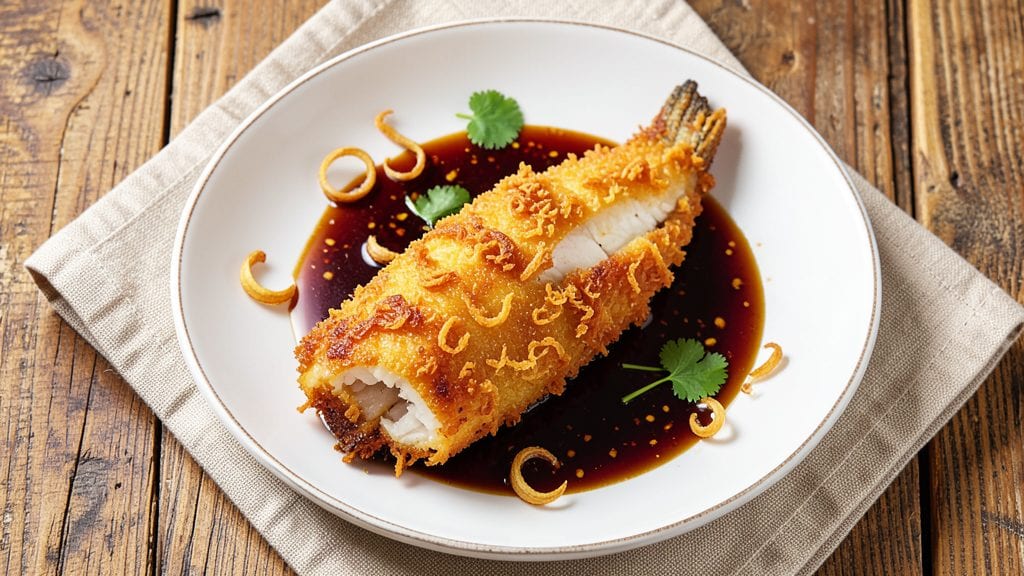
This fried fish recipe with soy sauce and ginger delivers the perfect balance of crispy crust and umami-bright flavors that taste like a restaurant favorite. The secret lies in a simple marinade that tenderizes the fish while infusing it with aromatic ginger and savory soy notes.
I’ve perfected this method over years of testing—whether you prefer pan-frying for lighter results or deep-frying for extra crunch, the technique ensures foolproof success every time.
The beauty of this dish is how the soy sauce and ginger work together to create depth without overpowering the natural taste of the fish. A light batter coating adds that coveted crispiness, while the marinade ensures the fish stays moist and flavorful inside.
This recipe is designed to be adaptable—use white fish like cod or tilapia for a mild flavor, or opt for snapper or sea bass for a richer profile.
By the time you plate it, you’ll have golden-brown fish with a crispy exterior that shatters at the first bite, revealing tender flesh underneath. The soy-ginger marinade adds a bright, aromatic finish that pairs beautifully with steamed jasmine rice or a crisp cucumber salad.
The result is a dish that’s restaurant-quality yet simple enough for a weeknight dinner.
Serve with pickled vegetables to cut through the richness or drizzle with a tangy lime sauce for extra brightness. The key to mastering this recipe is patience—don’t rush the marinating or frying, and you’ll achieve that perfect balance of texture and flavor every time. Let’s get cooking!
Ingredients for fried fish with soy sauce and ginger
Crispy batter meets umami-rich marinade—just these 13 ingredients transform simple fish into restaurant-worthy bites.
| Ingredient | Amount | Notes |
|---|---|---|
| White Fish Fillets 🐟 | 1 ½ lb | Cod, tilapia, or snapper preferred |
| All-Purpose Flour 🌾 | ¾ cup | For light crispy batter |
| Cornstarch 🌾 | ¼ cup | Extra crispiness booster |
| Soy Sauce 🍶 | ½ cup | Light or regular, not low-sodium |
| Fresh Ginger 🧄 | 2 tbsp | Finely grated, aromatic |
| Vegetable Oil 🫒 | 3 cups | For frying, high smoke point |
| Eggs 🥚 | 1 whole | Beaten for dredging |
| Salt 🧂 | 1 tsp | Kosher or sea salt |
| Black Pepper 🌶️ | ½ tsp | Freshly ground preferred |
| Garlic Cloves 🧄 | 2 cloves | Minced, optional for depth |
| Lemon Juice 🍋 | 1 tbsp | Brightens flavors |
| Sesame Oil 🫒 | 1 tsp | For finishing, optional |
| Green Onions 🧅 | 3 whole | Sliced, for garnish |
The fish is your star, so grab fresh fillets from the seafood counter—cod or tilapia for mild flavor, snapper for richer taste. Look for fillets with even thickness (about 1-inch) for consistent frying. If buying frozen, thaw overnight in the fridge (not under running water—it dries out the fish). The soy sauce should be light or regular (not reduced or sweetened)—Kikkoman works every time. Fresh ginger is a must here; Trader Joe’s or Whole Foods have great pre-peeled roots if you’re short on time. For the batter, mix flour and cornstarch—this combo gives you that perfect crispy texture without getting greasy.
No soy sauce? Coconut aminos or tamari work in a pinch, but the flavor won’t be identical. Running out of ginger? Substitute 1 tbsp ginger powder, but it’s not the same—fresh is worth hunting down. The cornstarch is non-negotiable for crispiness, but if you’re out, extra flour works (just add 1 tbsp more). For the oil, vegetable or canola oil are your best bets—avoid olive oil (too low smoke point). The sesame oil is optional but adds that authentic finish (the good stuff, not the cheap cooking oil kind). And if you’re feeling fancy, swap the green onions for thinly sliced scallions—same vibe, different texture.
Keep the fish marinating for no more than 30 minutes—longer makes it mushy. The batter mix stays fresh for 2 days in the fridge>, but the oil? Use it once, then toss it (it’s not worth reusing for health reasons). Frying gets hot fast—keep the oil at 350°F> and work in batches so you don’t drop the temp. The fish stays crispy for 10 minutes max> after frying, so plate it fast. Leftovers? Store in the fridge for 1 day>—reheat in a skillet to restore crispiness. Garnish with green onions right before serving (they wilt fast).
Why You'll Love This Recipe
- Pan-Fry Magic: I swear by the cornstarch trick—just toss the fillets in that light, airy coating, and the outside gets golden while the inside stays tender. No deep-frying mess, no waiting for oil to heat forever.
- Ginger-Soy Zing: That fresh ginger and soy sauce combo? It’s the secret weapon. The ginger cuts through the richness, and the soy adds this deep, umami punch that makes every bite feel like a little flavor vacation.
- Weeknight Workhorse: Between us, this is my go-to when I need something fast but still impressive. Serve it with rice and steamed veggies for a full meal, or let the kids dip it in extra sauce—no one judges, and no one leaves hungry.
- Budget Crunch-Saver: White fish is affordable, and a batch of this feeds four for under $15. Plus, leftovers reheat like a dream—just a quick pan-fry to restore that crispy edge. My wallet and my family thank me every time.
Step-by-step instructions for crispy fried fish with soy-ginger flavor
Here's how to get that perfect golden crust and bold umami kick every time.
Prep the Fish for Maximum Crispiness
Pat the 1.5 lb white fish fillets completely dry with paper towels—this is non-negotiable for crispy batter. I like to press firmly on both sides to remove all moisture. If your fish has skin on, leave it on for extra structure during frying.
In a shallow bowl, whisk together the 0.75 cup all-purpose flour, 0.25 cup cornstarch, 1 tsp salt, and 0.5 tsp black pepper. The cornstarch gives that extra-crispy texture we're after. In another bowl, beat the 1 whole egg until just combined. I always use room-temperature egg for better adhesion to the fish.
Create the Soy-Ginger Marinade
In a small bowl, combine the 0.5 cup soy sauce, 2 tbsp finely grated fresh ginger, 2 minced garlic cloves, and 1 tbsp lemon juice. Mix well and let it sit for 5 minutes while you prep the fish. This marinade will infuse the fish with bright, aromatic flavors that pair perfectly with the crispy crust.
Cut the 3 whole green onions into 1-inch pieces for garnish—we'll use them at the very end. The fresh green onions add a nice pop of color and freshness to balance the rich fried fish.
Dredge and Fry to Golden Perfection
Heat 2 inches of vegetable oil in a deep skillet or Dutch oven to 350°F. You'll need about 1½ cups of the 3 cups total for this initial frying. Use a deep-fry thermometer to monitor the temperature—it's crucial for even cooking and crispiness.
Dip each fish fillet first into the beaten egg, letting excess drip off, then into the flour mixture. Press gently to ensure even coating. Fry the fish for 3-4 minutes per side until golden brown and crispy. You'll know it's ready when the crust turns a deep golden color and the fish releases easily from the pan.
Finish with Flavor and Serve Immediately
Transfer the fried fish to a paper towel-lined plate to drain excess oil. Drizzle each piece with 1 tsp sesame oil and spoon a little of the soy-ginger marinade over the top. The sesame oil adds a nutty aroma that complements the crispy crust beautifully.
Garnish with sliced green onions and serve immediately while the fish is still hot and crispy. The contrast of the crunchy exterior with the tender, flavorful interior makes every bite satisfying. For best results, serve with a side of steamed vegetables or a simple cucumber salad to balance the richness.
Pro Tips For Making Fried Fish With Soy Sauce And Ginger
- PAT THE FILLETS DRY: I learned this the hard way—wet fish steams instead of fries. Grab paper towels and press firmly on both sides of each fillet before dredging in flour. The extra 30 seconds now means a crispy crust later, not a soggy mess.
- MIX FLOUR + CORNSTARCH: Skip the separate dredging, and you’ll end up with uneven texture. Combine 3 parts flour to 1 part cornstarch (about 1 cup total) in a shallow dish—this guarantees a light, shatterable crust. No fancy math, just eyeball it.
- FRIED IN BATCHES: Crowd the pan, and the oil temperature plummets. Fry 1-2 fillets at a time, and resist the urge to flip too soon—wait 3-4 minutes per side for a golden finish. Your oil will stay hot, and the fish won’t turn greasy.
- GINGER SHOULD SIMMER: Tossing raw ginger into the soy sauce? That’s just bitter chunks. Thinly slice it (no need to peel) and sauté for 30 seconds in the oil before adding soy sauce—this unlocks the flavor without overpowering the fish.
Troubleshooting this recipe
Oil Too Hot?
If your oil smokes excessively or the fish browns too quickly (in under 3 minutes), your oil is too hot. Lower the heat immediately and let it cool to 350°F before continuing. I’ve learned the hard way—smoking oil means burnt crust and greasy fish.
Use a deep-fry thermometer (like the Thermoworks Thermapen) to monitor temperature precisely. If you don’t have one, test with a wooden chopstick: if bubbles form around it instantly, the oil is too hot. 🔥
Fish Sticking?
If your fish fillets stick to the pan or batter falls off, the issue is usually moisture. Pat the fillets extra dry with paper towels before dredging—even a little moisture prevents the batter from adhering.
Chill the fish for 15-20 minutes in the fridge before frying to firm up the proteins. Also, ensure your flour mixture isn’t too wet—if it clumps, add 1 tbsp more cornstarch to absorb excess moisture. 🧂
Batter Too Thick?
A thick batter creates a dense, heavy crust instead of the light, crispy texture we want. If your batter feels too thick, whisk in 1-2 tbsp cold water until it reaches a smooth, pourable consistency—like heavy cream.
Pro tip: Sift the flour and cornstarch together first to avoid lumps. If the batter still feels sticky, add ½ tsp more cornstarch to help it crisp up better during frying. ✨
Fish Too Greasy?
Greasy fried fish usually means the oil was reused or the fish wasn’t drained properly. Always use fresh oil for frying—never reuse it, as it breaks down and absorbs flavors, making the fish soggy.
After frying, transfer the fish to a paper towel-lined plate and press gently to absorb excess oil. For extra crispiness, place the fried fish on a wire rack set over a baking sheet for 2-3 minutes to let the oil drain completely. 💡
Marinade Not Infusing?
If your fish tastes bland or the marinade flavor is weak, the issue is likely marinating time. Don’t exceed 30 minutes—longer marinating can make the fish mushy. For better infusion, pound the fillets gently with a rolling pin or meat mallet to create a thinner, more uniform surface.
Also, ensure your ginger is finely grated (not chopped) to release its oils and flavors. A quick fix: brush a little extra marinade over the fish right before frying. 🧄
Uneven Cooking?
Thicker parts of the fish cooking faster than thinner edges? This happens when fillets aren’t uniform in thickness. Use a fish fillet cutter or ask your fishmonger to cut even ½-inch-thick pieces.
If you’re working with irregular fillets, start with the thickest part in the pan and adjust cooking time accordingly—usually 1-2 minutes longer per side. A meat thermometer helps: the fish is done at 145°F internal temperature. 🌡️
Nutrition facts
Frequently asked questions
Can I use frozen fish for this recipe?
Yes, but thaw it properly first! Place frozen fillets in the refrigerator overnight (not at room temperature) to prevent uneven cooking. Pat them completely dry before dredging—any moisture will make the batter stick instead of crisp up. For extra insurance, let the thawed fish sit at room temperature for 10 minutes before frying to remove surface moisture.
What's the best fish for this soy-ginger fried recipe?
Mild white fish like cod or tilapia work perfectly for beginners, while firmer varieties like snapper or sea bass hold up better to frying. Avoid delicate fish like flounder—they can fall apart. Look for fillets that are ½-inch thick for even cooking. The skin-on option adds structure, but it's optional.
How do I make this gluten-free?
Swap the flour for a 1:1 gluten-free flour blend> (like Bob's Red Mill) and replace cornstarch with arrowroot powder>. The batter will still crisp up beautifully. For extra binding, add 1 tbsp xanthan gum> to the flour mixture. Keep all other steps identical—just monitor frying time closely as gluten-free batters can crisp faster.
Can I bake this instead of frying?
Preheat oven to 425°F> and brush fillets with oil after dredging. Bake on a wire rack for 12-15 minutes> until golden. For extra crispiness, broil for 2 minutes> at the end. The texture won't be as crispy as fried, but it's a lighter alternative. The soy-ginger marinade still works perfectly for baked fish.
How do I store leftovers?
Store fried fish in an airtight container> in the fridge for up to 1 day>. To revive crispiness, reheat in a skillet over medium heat> for 1-2 minutes> per side. For longer storage, freeze for up to 1 month>—thaw overnight in the fridge before reheating. Never microwave fried fish (it makes it soggy).