Snacks
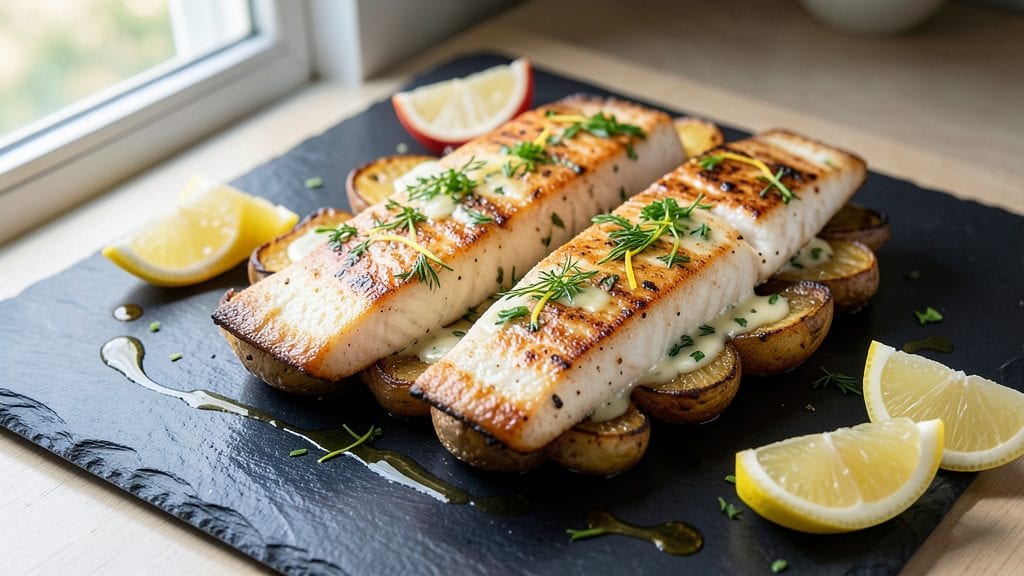
This sea bass bake recipe transforms delicate fillets into a restaurant-worthy dish with a bright lemon-herb crust and melt-in-your-mouth texture.
The secret lies in a precise balance of acidity and herbs that elevate the natural sweetness of fresh sea bass, while baking at just the right temperature ensures tender, flaky perfection every time.
I’ve perfected this method after years of testing—no overcooking, no fishy aftertaste, just clean, elegant flavor that feels like a Mediterranean vacation on your plate.
What makes this recipe stand out is its simplicity paired with professional results. You’ll need just 15 minutes of active prep time, followed by 12-15 minutes in the oven at 400°F, making it ideal for weeknight dinners or special occasions.
The lemon-herb crust not only adds visual appeal but also infuses the fillets with zesty brightness, while a touch of white wine in the pan deglazes into a silky sauce that ties everything together. This isn’t just seafood—it’s a technique that turns a basic bake into something memorable.
The result is sea bass with golden, crisp edges and buttery, flaky centers, all topped with a fragrant herb crust that releases aroma the moment you open the oven. The fillets stay moist and tender, never dry or rubbery, thanks to a precise cooking time and the protective crust.
Serve it with a simple arugula salad or roasted asparagus to let the flavors shine without competition. This is the kind of dish that makes seafood feel approachable, even for those who’ve avoided it in the past.
Seafood safety is critical here, so I’ll walk you through how to check for freshness, handle the fish properly, and confirm doneness without guessing. With these steps, you’ll achieve foolproof results that impress even skeptical eaters. Let’s get started—your table is about to get an upgrade.
Ingredients for sea bass bake
Fresh sea bass, bright herbs, and a touch of wine—just eight ingredients for restaurant-quality fillets.
| Ingredient | Amount | Notes |
|---|---|---|
| Fresh Sea Bass Fillets 🐟 | 4 whole | Skin-on, 6-8 oz each, sushi-grade |
| Extra-Virgin Olive Oil 🫒 | ½ cup | Light, fruity variety for balance |
| Fresh Lemon Juice 🍋 | ¼ cup | From 2 large lemons, freshly squeezed |
| Fresh Parsley Leaves 🌿 | ½ cup | Finely chopped, Italian flat-leaf preferred |
| Fresh Dill Weeds 🌿 | ¼ cup | Finely chopped, tender stems included |
| Fresh Chives 🌱 | 2 tbsp | Finely minced for delicate flavor |
| Garlic Cloves 🧄 | 4 cloves | Minced, not pre-minced jarred |
| Unsalted Butter 🧈 | ¼ cup | Cold, cut into small cubes |
| Dry White Wine 🍷 | ¼ cup | Sauvignon Blanc or Pinot Grigio |
| Diamond Crystal Kosher Salt 🧂 | 1 tsp | For seasoning, not iodized |
| Freshly Ground Black Pepper 🌶️ | ½ tsp | Cracked peppercorns preferred |
| All-Purpose Flour 🌾 | 1 tbsp | For dredging fillets |
| Zest from 1 Large Lemon 🍋 | 1 tbsp | Fine, bright yellow zest only |
The sea bass is non-negotiable here. Look for sushi-grade fillets with a clean, oceanic scent and firm, translucent flesh—no brown edges or fishy odor. Whole Foods or high-end seafood markets carry the best quality, but even your local fishmonger can source fresh if you ask. The skin-on fillets are crucial for texture, so don't skip it. For prep, pat them dry with paper towels—moisture is the enemy of crisp edges. If you can't find fresh dill, substitute 1 tbsp dried dill, but fresh is worth the hunt at a Mediterranean market.
No white wine? Dry vermouth or extra lemon juice works in a pinch, but the acidity will be more pronounced. Pre-minced garlic? Fresh is non-negotiable—jarred garlic has a metallic aftertaste. The herbs should be vibrant—wilted parsley or dill means weaker flavor. For the butter, European-style with 82% fat gives the best texture, but regular unsalted works if that's what you have. The flour is just for dredging—don't skip it, as it helps the crust adhere. And the lemon zest? Use a microplane for the finest texture—pre-grated zest has lumps.
This dish reheats poorly—plan to eat it fresh from the oven. The fillets stay at their best for 1 day in the fridge, but the crust loses its crispness. For storage, wrap each fillet individually in parchment paper, then foil. Freeze for up to 1 month by portioning into airtight containers with a thin layer of olive oil to protect the crust. Serve immediately after baking, and save any leftover wine for a quick pan sauce—just reduce it with a splash of fish stock and a pat of butter.
Why You'll Love This Recipe
- Same recipe, two vibes: toss it together for a quick family meal or plate it elegantly with crusty bread for guests. Honestly, I’ve served this at both—no one ever questions why it’s on the menu.
- One-Pan Magic: I swear by this—just toss the fillets on a tray, drizzle with olive oil and lemon, scatter the herbs, and bake. No chopping, no fuss, no extra pots. My lazy Sundays just got a serious upgrade.
- Bright & Tangy: That lemon juice cuts through the richness of the sea bass like a breath of fresh air. The dill and parsley? They turn every bite into a burst of Mediterranean sunshine—simple, but ridiculously good.
- Weeknight to Dinner Party: Same recipe, two vibes: toss it together for a quick family meal or plate it elegantly with crusty bread for guests. Honestly, I’ve served this at both—no one ever questions why it’s on the menu.
Step-by-step instructions for lemon-herb sea bass bake
This method delivers melt-in-your-mouth fillets with a fragrant herb crust that seals in every drop of flavor.
Prepare the Herb Crust Mixture
In a food processor, combine the 0.5 cup fresh parsley leaves, 0.25 cup fresh dill weeds, 2 tbsp fresh chives, 4 cloves minced garlic, 1 tbsp zest from 1 large lemon, 1 tsp diamond crystal kosher salt, and 0.5 tsp freshly ground black pepper. Pulse until finely chopped but still slightly textured—you want visible flecks of herbs, not a paste. Transfer to a small bowl and stir in 1 tbsp all-purpose flour and 0.25 cup cold unsalted butter, cutting it in with a fork until the mixture resembles coarse sand.
This herb butter creates the signature crust that crisps beautifully while keeping the delicate fillets moist. The flour helps bind the mixture so it adheres perfectly to the skin. If the butter feels too soft, chill the mixture for 10 minutes before proceeding—this ensures it stays firm enough to form a proper crust.
Season and Coat the Fillets
Pat the 4 whole fresh sea bass fillets completely dry with paper towels, pressing firmly to remove all moisture from the skin. Season both sides generously with additional diamond crystal kosher salt and freshly ground black pepper, focusing on the skin side where the crust will form. Using your hands, press the herb butter mixture firmly onto the skin side of each fillet, covering it completely in an even layer. The skin should be completely coated—this is what creates that irresistible golden crust.
Let the coated fillets rest at room temperature for 15 minutes while you prepare the oven. This brief resting period allows the herb butter to slightly adhere to the skin, preventing it from sliding off during baking. I like to place them on a wire rack set over a plate to catch any excess butter mixture.
Sear the Fillets for Maximum Flavor
Heat 0.25 cup extra-virgin olive oil in a large oven-safe skillet over medium-high heat until shimmering but not smoking. Working in batches if needed, carefully place the fillets skin-side down in the skillet. Cook undisturbed for 2-3 minutes until the herb crust turns deep golden brown and the skin releases easily from the pan—this is your signal that the crust has formed properly. Flip each fillet and sear the flesh side for 30 seconds to create a subtle crust there as well.
Here's the thing—don't rush this step. The initial sear builds flavor and texture that baking alone can't replicate. If you notice the butter mixture starting to burn before the crust forms, reduce the heat slightly and give it another 30 seconds. The crust should be crisp but not charred—you're aiming for a beautiful golden-brown color.
Bake to Perfect Doneness
Preheat your oven to 375°F while the fillets sear. Carefully transfer the skillet to the preheated oven and bake for 8-10 minutes until the fillets reach an internal temperature of 140°F when checked with an instant-read thermometer. The flesh should be just opaque in the center with a slight translucency at the edges—this indicates perfect doneness. The crust will maintain its crisp texture while the delicate fillets stay moist.
I know it seems counterintuitive to pull them out while they're still slightly underdone, but sea bass cooks incredibly fast and continues cooking slightly after removal. The moment they hit 140°F, they're ready. If you overcook even by a minute, the delicate texture will turn rubbery. Trust the thermometer over visual cues—this is where precision matters most.
Finish with Lemon-Wine Sauce
While the fillets bake, heat 0.25 cup dry white wine in the same skillet over medium heat until reduced by half, about 3-4 minutes. Stir in 0.25 cup fresh lemon juice and simmer for 1 minute until slightly thickened. Remove from heat and whisk in 0.25 cup extra-virgin olive oil to emulsify the sauce. Season with additional diamond crystal kosher salt and freshly ground black pepper if needed.
To serve, spoon the lemon-wine sauce over each fillet and garnish with additional fresh parsley leaves and fresh dill weeds. The sauce should coat the fillets lightly, enhancing their natural flavors without overpowering them. Each bite should deliver that perfect combination of crisp herb crust, tender flesh, and bright citrus notes—this is what makes this recipe truly special.
Pro Tips For Making Sea Bass Bake
- Pat Dry First: Sea bass fillets hold moisture like a sponge—skip this and you’ll end up with soggy, uneven cooking. Use paper towels to blot them thoroughly, then let them sit uncovered for 10 minutes. Trust me, the crust will be worth it.
- Lemon Juice Last: If you mix lemon juice into the oil or marinade too early, it’ll turn the olive oil bitter. Instead, add it just before serving—right after baking—or drizzle it over the finished dish. Freshness matters more when it’s fresh.
- Don’t Overcrowd the Pan: I learned this the hard way—piling fillets too close makes them steam instead of sear. Leave at least an inch between each piece. If your pan’s too small, bake in batches or use a larger one. You want golden, crisp edges, not sad, limp ones.
- Herbs at the End: Tossing in chopped parsley and dill while baking turns them to mush. Instead, scatter them over the finished dish right off the heat—just a few seconds of warmth is enough to wake up their flavors. (Yes, even if you’re impatient like me.)
Perfect pairings for this sea bass bake
Mediterranean Sides
Bright, fresh sides let the sea bass shine without competing. I love roasted lemon potatoes—toss 1 lb baby potatoes in 1 tbsp olive oil, 1 tbsp lemon zest, and ½ tsp dried oregano, then roast at 425°F for 30 minutes until golden.
Their crispy edges and lemony flavor complement the fillets beautifully. 🍋
For a lighter option, try sautéed Swiss chard with garlic and chili flakes. Heat 1 tbsp olive oil in a pan, add 2 cloves minced garlic, then 4 cups chopped chard stems and leaves.
Cook for 5 minutes until wilted, finishing with a squeeze of lemon. The earthy greens balance the fish’s delicate sweetness.
Wine Pairings
A crisp Sauvignon Blanc from New Zealand or Loire Valley is my go-to—its bright citrus and herbal notes mirror the dish’s flavors. Look for wines with 12-13% ABV and acidity levels around 7.5-8.5 pH to cut through the butter.
I love Cloudy Bay or Oyster Bay for their zesty profiles. 🍷
For a budget-friendly option, Pinot Grigio from Italy works wonders. Choose one with 11.5-12.5% ABV and minimal oak influence—think Santa Margherita or Santa Teresa. The lighter body won’t overpower the sea bass’s delicate texture.
Beer Pairings
A Belgian witbier like Hoegaarden or Stella Artois adds a refreshing contrast with its coriander and citrus notes. The effervescence cleanses your palate between bites, making each flavor pop. Serve slightly chilled (45-50°F) for the best experience. 🍺
For a craft option, try a hazy IPA with low bitterness (30 IBUs or less)—brands like Trillium Brewing’s "Hazy Little Thing" offer tropical fruit notes that pair surprisingly well with the herb crust. Avoid heavy-hopped IPAs, as they’ll clash with the dish’s delicate flavors.
Sauce Enhancements
Elevate the lemon-wine sauce with a white wine reduction. After deglazing the pan, add 1 tbsp capers and 1 anchovy fillet (finely chopped) to deepen umami.
Simmer for 1 minute before finishing with olive oil. The capers add a briny pop, while the anchovy rounds out the sauce’s acidity. 💫
For a smoky twist, stir in ½ tsp smoked paprika during the final 30 seconds of sauce reduction. This adds warmth without overpowering the dish—perfect if you love subtle depth. Garnish with extra herbs to keep the presentation fresh and vibrant.
Nutrition facts
Frequently asked questions
Can I use frozen sea bass for this recipe?
Fresh sea bass is ideal for this dish, but you can use frozen fillets if thawed properly. Place them in the refrigerator overnight in their original packaging, then transfer to a bowl of cold water for 30 minutes to speed up thawing. Pat completely dry before coating with the herb butter—any moisture will prevent the crust from forming properly. Avoid thawing at room temperature, as it promotes bacterial growth.
What if I don't have white wine for the sauce?
No problem! Substitute with dry vermouth or extra lemon juice (use 0.35 cup instead of 0.25 cup). For depth, add 1 tsp fish stock powder dissolved in the liquid. The sauce will still brighten the dish, though wine adds a subtle complexity that's hard to replicate.
How do I know when the sea bass is fully cooked?
Use an instant-read thermometer for precision—the fillets should reach 140°F internally. The flesh will be just opaque in the center with slight translucency at the edges. Overcooking turns sea bass rubbery, so pull them out immediately when they hit temperature. If you don't have a thermometer, look for the skin to crisp and the flesh to flake easily with a fork.
Can I make this recipe ahead of time?
This dish is best served fresh from the oven, but you can prep components ahead. Make the herb butter mixture up to 1 day in advance and store it chilled. For the fillets, coat them with the herb butter and refrigerate for up to 4 hours before baking (don't let them sit too long or the crust will soften). The sauce can be made 1 day ahead and reheated gently before serving.
What's the best way to serve leftover sea bass?
Leftover sea bass works best in salads or wraps. Shred the fillets and toss with mixed greens, cherry tomatoes, and a light vinaigrette. For a quick meal, layer the flaked fish in a tortilla with avocado, cucumber, and lime crema. Avoid reheating in the oven, as it will dry out. Store leftovers in an airtight container for up to 2 days in the fridge.