
Main Courses
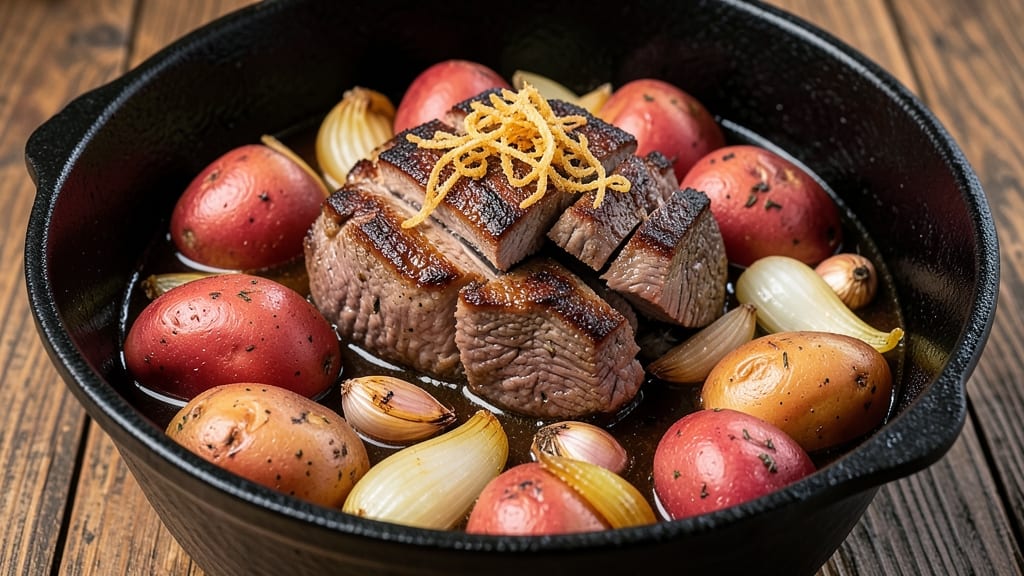
Cooking fire pot beef and potatoes transforms a simple meal into a smoky, aromatic experience that feels like a restaurant-quality feast.
This dish relies on the unique heat distribution of a fire pot—whether it's a cast-iron skillet, clay pot, or traditional hot pot—to create tender beef and perfectly seasoned potatoes infused with deep, savory flavors. The slow simmer over direct flame builds layers of complexity that no stovetop method can match.
The beauty of this recipe lies in its simplicity: just a few core ingredients—beef chuck, potatoes, aromatic spices, and a rich broth—work together to deliver a dish that’s both hearty and elegant.
The beef becomes fork-tender while the potatoes absorb the smoky essence of the fire, creating a harmony of textures and tastes. No advanced techniques are required, but the results are undeniably professional.
What you’ll end up with is a steaming pot of perfectly balanced beef and potatoes, where every bite carries the essence of the fire’s heat. The dish is designed to be shared—ideal for gatherings or cozy weeknight dinners—with the added bonus of minimal cleanup.
The smoky aroma alone will draw everyone to the table, and the flavors only deepen as it sits, making it a meal worth savoring.
This recipe works equally well in a traditional hot pot setup or a cast-iron skillet over a grill, giving you the flexibility to adapt it to your cooking space.
Pair it with a simple dipping sauce or fresh herbs for an extra touch of brightness. Let’s bring the fire pot experience to your kitchen.
Ingredients for fire pot
Core ingredients for smoky, restaurant-quality fire pot beef and potatoes—simple but transformative.
| Ingredient | Amount | Notes |
|---|---|---|
| Beef Chuck Roast 🥩 | 1 ½ lb | Cut into 1-inch cubes |
| Russet Potatoes 🥔 | 2 lb | Cut into 2-inch chunks |
| Yellow Onion 🧅 | 1 whole | Thickly sliced |
| Garlic Cloves 🧄 | 6 cloves | Smashed, not minced |
| Fresh Ginger 🌿 | 1 tbsp | Grated, fresh preferred |
| Beef Broth 💧 | 2 cups | Low-sodium preferred |
| Dry Red Wine 🍷 | ½ cup | Bold variety like Cabernet |
| Soy Sauce 🥢 | 2 tbsp | Light or dark preferred |
| Hoisin Sauce 🍶 | 1 tbsp | For depth of flavor |
| Five-Spice Powder 🌶️ | 1 tbsp | Authentic Chinese blend |
| Star Anise 🌟 | 1 whole | Lightly crushed |
| Bay Leaves 🍃 | 2 whole | Dried, standard size |
| Olive Oil 🫒 | 2 tbsp | For searing beef |
| Salt 🧂 | 1 ½ tsp | Kosher or sea salt |
| Black Peppercorns 🌶️ | 1 tsp | Freshly cracked |
The beef chuck is non-negotiable here—its fat content renders down beautifully over direct heat, creating that signature fire pot richness. Look for well-marbled cuts at your local butcher or specialty store like Whole Foods or Costco, where they often carry pre-cut roast chunks. Russet potatoes work best—their waxy texture holds up to prolonged cooking without turning mushy. For the aromatic base, fresh ginger and star anise are essential; the latter adds an earthy depth that's hard to replicate. If you can't find star anise, a pinch of cinnamon and cloves will work in a pinch, though it won't be identical.
No red wine? Substitute with extra beef broth plus a splash of balsamic vinegar—it mimics the acidity and depth. The five-spice powder can be tricky to find; look for authentic Chinese blends at Asian markets or make your own with cinnamon, cloves, fennel, and pepper. For hoisin sauce, store-bought brands like Lee Kum Kee work perfectly, but if you're feeling ambitious, homemade with soy sauce, garlic, and sugar is worth the effort. The star anise and bay leaves can be omitted if you're short on time, but leave them in for that restaurant-quality aroma. Potatoes can be swapped for sweet potatoes if you prefer, though they'll have a slightly different texture.
This dish reheats beautifully—even better the next day as flavors meld further. Store in the fridge for up to 4 days in an airtight container, or freeze for 3 months by portioning into individual containers. For serving, keep the fire pot over low heat or transfer to a heatproof dish. The smoky aroma alone will draw everyone to the table, so plan to make extra—this disappears fast. Garnish with fresh cilantro or scallions if you have them, but it's not required for that signature fire pot experience.
Why You'll Love This Recipe
- One-Pot Magic: I swear by this recipe when I’m too tired to deal with multiple pans—just toss everything in one pot, and it practically cooks itself. The beef chuck roast gets tender while the potatoes caramelize right alongside, no flipping or fussing required.
- Ginger-Garlic Bomb: That fresh ginger and minced garlic? They’re the secret weapons here. The ginger’s sharp bite cuts through the richness of the beef, while the garlic softens into a sweet, aromatic base—like a warm hug in a bowl.
- Weeknight to Party: Between us, this is my lazy Sunday dinner and my “I have guests over” meal. Serve it with crusty bread for a casual vibe, or plate it up with a sprinkle of sesame seeds for a restaurant-worthy touch. It adapts without trying.
- Budget-Friendly Feast: A single chuck roast feeds my family for days, and potatoes stretch every dollar. Honestly, I make this when I’m pinching pennies because it’s filling, satisfying, and still feels special—no takeout needed.
Step-by-step instructions for smoky, spiced beef and potato harmony
Here's the method to create a rich, aromatic fire pot dish with tender beef and hearty potatoes.
Sear the Beef and Potatoes for Deep Flavor
Heat a large Dutch oven over medium-high heat until hot. Add the 2 tablespoons olive oil and swirl to coat the bottom evenly. Working in batches to avoid crowding, add the 1.5 lb beef chuck roast cut into 1-inch cubes, spreading them out in a single layer. Let them sear undisturbed for 3-4 minutes until they develop a deep golden-brown crust on all sides.
Remove the beef and set it aside. In the same pot, add the 2 lb russet potatoes cut into 2-inch chunks and the 1 whole yellow onion sliced thickly. Cook for 5-6 minutes, stirring occasionally, until the potatoes begin to soften slightly and the onions turn translucent. Return the beef to the pot and stir to combine.
Build the Aromatic Base and Spice Blend
Add the 6 cloves garlic (smashed), 1 tablespoon fresh ginger (grated), 1 tablespoon five-spice powder, 1 whole star anise (lightly crushed), and 2 whole bay leaves to the pot. Stir well to coat the beef and potatoes in the spices, letting the aromatics sizzle for 1-2 minutes until fragrant.
Pour in the 0.5 cup dry red wine and scrape up any browned bits from the bottom of the pot with a wooden spoon. This deglazing step captures all the concentrated beef flavor. Let the wine simmer for 2-3 minutes until reduced by half, allowing the alcohol to cook off and deepen the flavor.
Simmer in Flavorful Broth and Sauces
Add the 2 cups beef broth, 2 tablespoons soy sauce, and 1 tablespoon hoisin sauce to the pot. Stir to combine all ingredients thoroughly. Bring the mixture to a gentle simmer over medium heat, then reduce the heat to low. Cover the pot and let it cook for 1.5 hours, stirring occasionally, until the beef is fork-tender and the potatoes are easily pierced with a fork.
Here's the thing—don't skip the simmering time. This is when all the flavors meld together, creating that perfect harmony of smoky, spiced beef and tender potatoes. The beef should pull apart easily, and the potatoes should be soft enough to mash slightly with a fork.
Season and Finish to Perfection
Remove the pot from heat and discard the star anise and bay leaves. Stir in the 1.5 teaspoons salt and 1 teaspoon black peppercorns (freshly cracked) to balance the flavors. Taste the mixture and adjust the seasoning if needed—you might need a bit more salt to enhance the overall flavor.
Let the fire pot sit covered for 10 minutes before serving. This resting period allows the juices to redistribute, ensuring each bite is moist and flavorful. Serve the dish hot, straight from the pot, with steamed rice or crusty bread to soak up the delicious sauce.
Pro Tips For Making Fire Pot
- CRISP THE POTATO SKINS: DESCRIPTION:
- SEAR THE BEEF IN BATCHES: DESCRIPTION:
- GRATE THE GINGER FINE: DESCRIPTION:
- COVER IT TIGHT AFTER SEARING: DESCRIPTION:
Common mistakes when making great fire pot
Overcrowding the Pot
One of the biggest mistakes with fire pot cooking is overloading your pot with too much food at once. When you crowd the pot, the beef and potatoes steam instead of sear, leading to uneven cooking and a loss of that signature smoky crust.
I’ve seen people try to cook the entire 1.5 lb beef chuck and 2 lb potatoes together in one go, but this leads to lukewarm results. Instead, work in batches—sear the beef first, then set it aside before adding the potatoes.
This ensures each component gets the attention it needs to develop that deep, caramelized flavor. 🔥
Skipping the Sear
If you rush the searing step, your dish will lack the rich, deep flavors that come from the Maillard reaction. I can’t stress enough how critical this is—those golden-brown crusts on the beef and potatoes are where the magic happens.
Don’t just toss everything in the pot and hope for the best. Take your time and let the beef develop a deep crust over medium-high heat for 3-4 minutes per side.
The same goes for the potatoes and onions—they need a few minutes to soften and caramelize slightly before the broth comes into play.
Ignoring the Broth Reduction
Many home cooks pour in the broth too early, which dilutes the flavors and weakens the depth of the dish. The key is to let the wine reduce by half before adding the broth. This step concentrates the flavors, giving your fire pot that restaurant-quality richness.
If you’re in a hurry, you might be tempted to skip this, but trust me—those extra 2-3 minutes of reduction make a world of difference. The result is a sauce that clings to the beef and potatoes instead of a watery, flavorless stew.
Not Deglazing Properly
Deglazing is where you scrape up those delicious browned bits from the bottom of the pot using the red wine. These bits are packed with flavor, and if you don’t deglaze, you’re essentially throwing away the soul of your dish.
After searing the beef and potatoes, pour in the 0.5 cup dry red wine and let it simmer until reduced. This step is non-negotiable—it’s what transforms a good fire pot into a great one.
If you’re using a non-alcoholic substitute, like balsamic vinegar, make sure it’s reduced to the same consistency. 🍷
Underestimating Simmer Time
The beef and potatoes need that 1.5-hour simmer to become fork-tender and absorb all the flavors. I’ve seen people cut this time short because they’re eager to eat, but rushing it leads to tough beef and undercooked potatoes.
The slow simmer is what builds the harmony of flavors—it’s where the spices meld with the meat and the potatoes soften just enough to soak up the broth.
If you’re short on time, consider using a pressure cooker, but even then, don’t go below 45 minutes for the beef to tenderize properly.
Overlooking the Rest
Finally, never skip the 10-minute rest before serving. This step allows the juices to redistribute, ensuring every bite is moist and flavorful. If you serve the fire pot immediately after cooking, the juices will pool at the bottom, leaving you with dry, tough beef and potatoes.
Cover the pot and let it sit—it’s worth the wait. You’ll notice the difference in texture and taste, and your guests will thank you for it. ✨
Nutrition facts
Frequently asked questions
What makes fire pot cooking different from regular stovetop cooking?
Fire pot cooking uses direct flame or high heat from below and around the pot, creating a smoky, concentrated flavor that's impossible with standard stovetop methods. The heat circulates differently, caramelizing the beef and infusing the potatoes with that signature smoky aroma. This technique also builds deeper layers of flavor through the Maillard reaction when searing over open flame.
Can I use a regular Dutch oven instead of a traditional fire pot?
A heavy Dutch oven works perfectly for this recipe. Place it directly over your stovetop burner (or grill) to mimic fire pot conditions. The key is to get that direct heat for proper searing. For extra authenticity, try placing a small heat-safe tray with charcoal underneath for indirect heat—just monitor closely to avoid burning.
How do I adjust this recipe for a smaller group?
For 2 servings, reduce beef to 1 lb and potatoes to 1 lb. Keep all other ingredients proportional (halve the broth, wine, and sauces). The cooking time remains the same—just scale down the pot size. A small cast-iron skillet works perfectly for this smaller batch, giving you that same fire pot flavor in a more intimate portion.
What's the best way to make this dish outdoors?
For grill cooking, use a cast-iron skillet or fire pot over medium-high heat. Start with the searing step, then move the pot to indirect heat (coals on one side only) for the simmering. Monitor the heat carefully—outdoor flames can be hotter and less controlled. A portable propane burner works well too, giving you more consistent heat control than charcoal.
Can I substitute the beef with another protein?
Try pork shoulder (same cooking time) or lamb shoulder (reduce simmering by 15 minutes). For chicken, use bone-in thighs and reduce cooking time to 45 minutes. The key is to choose a fatty cut that benefits from slow cooking. Avoid lean proteins like breast—they won't develop the same rich texture. The potatoes will still shine as the star of the dish!