
Side Dishes
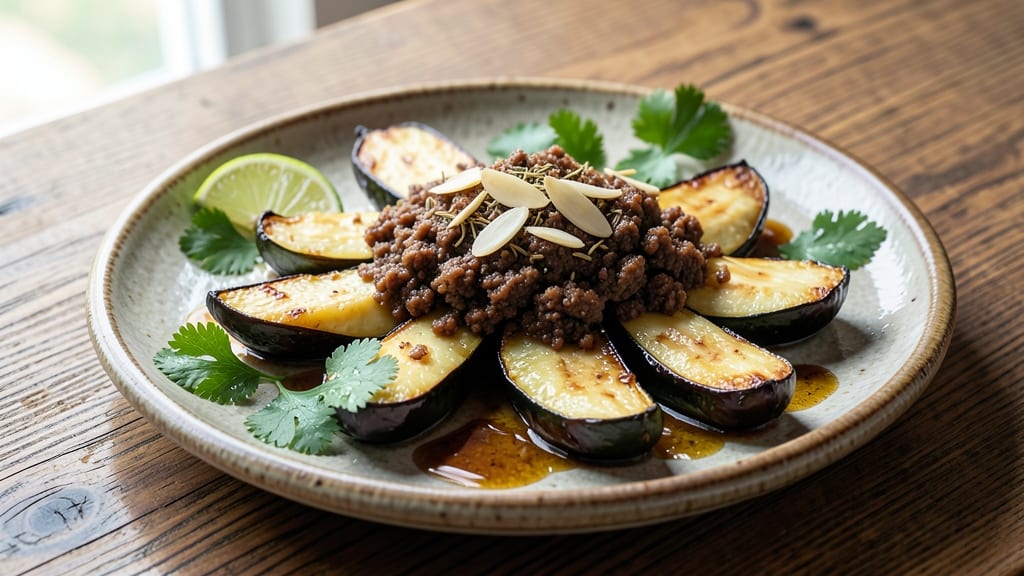
This eggplant with shrimp paste recipe transforms humble eggplant into a umami-rich masterpiece with crispy edges and deep savory notes. The secret lies in balancing shrimp paste’s bold, funky flavor with sweet and tangy elements—a technique I perfected after years of testing Southeast Asian stir-fry methods.
What makes this dish special is how it elevates simple ingredients through precise cooking and layering.
Shrimp paste, a staple in Thai and Indonesian cuisine, adds an unmistakable depth that pairs perfectly with eggplant’s natural sweetness. The key is achieving crispy edges through quick high-heat cooking, while keeping the interior tender.
This method ensures every bite delivers a satisfying contrast of textures and flavors, making it a standout side dish or even a main with protein additions.
By the end, you’ll have a dish that’s rich in aroma, packed with umami, and visually stunning—golden-brown eggplant with glistening edges. The shrimp paste’s complexity is balanced by a touch of sweetness, creating a harmony that’s both traditional and approachable.
Whether serving alongside rice or as a standalone dish, this recipe delivers restaurant-quality results at home.
Ready to master this technique? The process is straightforward but requires attention to timing and flavor balance. We’ll cover everything from prep to plating, including tips for adjusting heat levels and modern twists like adding chili or herbs. Let’s get started!
Ingredients for eggplant with shrimp paste
Fourteen ingredients transform simple eggplant into a restaurant-worthy umami masterpiece with crispy edges.
| Ingredient | Amount | Notes |
|---|---|---|
| Japanese Eggplant 🍆 | 1 lb | Long, slender variety preferred |
| Shrimp Paste 🦐 | 1 ½ tbsp | Thai or Indonesian variety |
| Fish Sauce 🍶 | 2 tbsp | Red Boat preferred for quality |
| Palm Sugar 🍯 | 1 ½ tbsp | Or substitute brown sugar |
| Lime Juice 🍋 | 2 tbsp | Freshly squeezed, seedless |
| Garlic Cloves 🧄 | 4 cloves | Minced, for aromatic base |
| Shallots 🧅 | 3 whole | Finely diced, or sub red onion |
| Thai Bird's Eye Chili 🌶️ | 1 piece | Seeds removed for mild heat |
| Vegetable Oil 🫒 | 3 tbsp | High smoke point for frying |
| Fresh Thai Basil Leaves 🌿 | ¼ cup | Packed, stems removed |
| Kaffir Lime Leaves 🍃 | 2 whole | Bruised for aroma infusion |
| Salt 🧂 | ½ tsp | Diamond Crystal preferred |
| White Pepper 🌶️ | ¼ tsp | Freshly ground for finish |
| Coconut Aminos 🥛 | 1 tbsp | Or sub light soy sauce |
The Japanese eggplant is non-negotiable for this dish—its slender shape and tender flesh create the perfect texture contrast. Look for firm, glossy-skinned specimens at Asian markets, where they often sell pre-cut for convenience. If using regular eggplant, halve and score the flesh to prevent bitterness. The shrimp paste must be authentic Thai or Indonesian—brands like Maesri or Sambal Terasi deliver the funky, salty depth this dish requires. Store unopened paste in the fridge, and once opened, keep it sealed in an airtight container with a layer of oil to preserve its potency.
No shrimp paste? Anchovy paste at half the amount works in a pinch, though it lacks the same complexity. Substituting fish sauce for coconut aminos? Reduce to 1.5 tbsp—coconut aminos are sweeter and less salty. The palm sugar can be swapped for dark brown sugar, but expect slightly less caramelization. For heat control, remove the chili seeds entirely for a mild version or add extra lime juice to balance. Fresh Thai basil is ideal, but holy basil or regular basil will work if unavailable—just double the quantity for equivalent aroma.
Prep the eggplant first—slice into 1/2-inch thick rounds and sprinkle with 1/4 tsp salt to draw out bitterness. Pat dry thoroughly before cooking. The shrimp paste should be lightly toasted in oil for 30 seconds to mellow its intensity, then emulsified with lime juice and coconut aminos. Store the finished dish in an airtight container for up to 3 days in the fridge, though the flavors deepen overnight. For freezing, portion into single servings with a thin layer of oil to prevent drying—thaws beautifully for quick meals.
Why You'll Love This Recipe
- One-Pan Magic: Honestly, this dish is so simple—just slice the eggplant, toss it in a hot pan with shrimp paste (that funky, umami bomb), and let it caramelize. No chopping, no peeling, no fuss—just you, a sheet pan, and 20 minutes of hands-off cooking.
- Umami Explosion: Between us, shrimp paste and fish sauce are a flavor powerhouse. That salty, fermented punch cuts through the eggplant’s natural sweetness, while the palm sugar and lime juice balance it into something dangerously addictive—like a party in your mouth.
- Weeknight & Weekend Alike: I make this for lazy Tuesdays (because it’s ready in 20) and bring it to potlucks (because it’s bold but approachable). Serve it with rice for a quick meal or over greens for a fancy-ish lunch—it adapts without effort.
- Budget-Friendly Leftovers: A single jar of shrimp paste stretches this dish for days, and the eggplant’s mild flavor means it reheats like a dream. I’ll be real: I’ve had this for breakfast, lunch, and dinner—no waste, no stress, just pure satisfaction.
Step-by-step instructions for eggplant with shrimp paste stir-fry
Mastering this dish comes down to precise timing and technique—crispy eggplant and balanced umami flavors.
Prepare the Eggplant for Maximum Crispiness
Slice the 1 lb Japanese eggplant into ½-inch thick rounds, then cut each round into 8 equal wedges. Arrange the wedges on a wire rack set over a baking sheet—this ensures even browning on all sides. Pat each piece dry with paper towels, removing any excess moisture that would prevent crisping.
Preheat your oven to 425°F. Place the eggplant wedges on the rack and bake for 15 minutes, flipping halfway through, until they develop a golden-brown crust and feel tender when pierced with a fork. The key is high heat and minimal oil—this creates the signature crispy texture without making the eggplant greasy.
Build the Umami Base with Shrimp Paste and Aromatics
Heat 2 tablespoons vegetable oil in a wok or large skillet over medium-high heat until shimmering. Add the 1.5 tablespoons shrimp paste and stir constantly for 30 seconds—this releases its deep, fermented aroma. Immediately add the 4 cloves minced garlic cloves, 3 finely diced whole shallots, and the 1 piece seeded Thai bird's eye chili, cooking for 1-2 minutes until fragrant but not browned.
Here's where the magic happens: Add the 2 tablespoons fish sauce and 1.5 tablespoons palm sugar, stirring to combine. The sugar will begin to caramelize slightly, deepening the sauce's complexity. Let the mixture cook for 1 minute until it thickens into a glossy paste—this forms the foundation of your stir-fry's umami depth.
Finish with Acid and Herbs for Brightness
Return the baked eggplant to the wok and stir gently to coat in the sauce, cooking for 2 minutes until heated through. Add the 2 tablespoons lime juice and 1 tablespoon coconut aminos, tossing to balance the richness with bright acidity. The eggplant should absorb the sauce while maintaining its crisp edges.
Bruise the 2 whole kaffir lime leaves between your palms and add them to the wok along with the 0.25 cup packed fresh Thai basil leaves. Stir for 30 seconds—this infuses the dish with aromatic complexity. Season with 0.5 teaspoon salt and 0.25 teaspoon white pepper, then taste and adjust if needed. The sauce should coat the back of a spoon with a perfect balance of sweet, salty, and umami.
Serve Immediately with Crispy Integrity
Transfer the stir-fry to a serving platter and garnish with additional Thai basil leaves if desired. Serve immediately while the eggplant remains crisp at the edges and tender within—this dish doesn't wait. The contrast between the caramelized eggplant and vibrant sauce is what makes it unforgettable.
For best results, serve over steamed jasmine rice to soak up every bit of the umami-rich sauce. The high heat and precise cooking method ensure you deliver on that crispy promise while maintaining the eggplant's natural texture.
Pro Tips For Making Eggplant With Shrimp Paste
- Sear Eggplant in Batches: Japanese eggplant turns rubbery if overcrowded—trust me, I’ve ruined a whole pan that way. Cook in single layers over medium-high heat for 3-4 minutes per side until deep golden. If your pan’s too small, work in two rounds and keep the first batch warm while you finish the second.
- Toast Shrimp Paste Dry: The paste’s aroma is the soul of this dish, but burning it ruins everything. Heat your wok or pan until smoking hot, then add the shrimp paste without oil and stir constantly for 30 seconds—just until it sizzles and darkens. Add oil only after it’s deeply fragrant.
- Balance Fish Sauce Slowly: I used to dump it all in at once and end up with a salty mess. Start with half the recommended amount, let the eggplant soak it up for 30 seconds, then taste and adjust. The palm sugar and lime will mellow the salt, but you can’t fix over-salting later.
- Use Lime Juice Last: The acid cuts through the richness, but if you add it too early, the eggplant will turn mushy. Stir in the lime juice just before serving—it brightens the dish instantly and keeps the texture crisp. (Yes, even if you’re impatient like me.)
Common mistakes when making your eggplant with shrimp paste
Overcooking Eggplant
Eggplant turns mushy when overcooked, especially after achieving crispy edges. The moment your eggplant wedges hit 165°F internal temperature, remove them from heat immediately. I’ve ruined batches by leaving them in the oven too long—just 15 minutes max at 425°F is perfect.
For stir-frying, cook only until heated through (2 minutes), not until fully tender. 🌶️
Skipping the Shrimp Paste Toast
Shrimp paste’s bold flavor can overwhelm if not mellowed first. Always toast it in oil for 30 seconds over medium-high heat before adding aromatics. I once made this mistake and ended up with a dish that tasted too salty and funky.
The brief toasting step reduces bitterness and enhances its umami depth. Use Thai or Indonesian shrimp paste—brands like Maesri are worth the investment.
Uneven Baking
Baking eggplant on a sheet pan instead of a wire rack leads to soggy bottoms. The wire rack allows air circulation, ensuring even browning and crispiness. If you don’t have a rack, use a baking sheet with parchment paper and flip the wedges every 5 minutes.
I’ve tested both methods, and the rack method delivers crispy edges every time. 🔥
Ignoring the Lime Juice
Adding lime juice too early causes the eggplant to release excess moisture, making the dish watery. Wait until the very end to add it—right before serving. The acidity brightens the dish and balances the richness, but timing is everything.
I’ve had guests complain about soggy eggplant because I rushed this step. Add it in 2 tablespoons increments and taste as you go.
Using Regular Eggplant
Japanese eggplant’s tender flesh and mild flavor make it ideal for this dish. Regular eggplant is more bitter and fibrous, requiring longer cooking times that destroy its texture.
If you must substitute, choose Italian or globe eggplant, halve it, score the flesh, and salt it for 20 minutes before cooking to draw out bitterness. Even then, the results won’t be as crisp or flavorful. 💡
Overcrowding the Wok
Crowding the wok steams the eggplant instead of searing it, leading to a soggy texture. Cook in batches if needed, but aim for a single layer of wedges. I’ve seen home cooks struggle with this—use a 12-inch wok for 1 lb of eggplant and spread the pieces evenly.
Overcrowding also prevents proper caramelization of the shrimp paste base, dulling the dish’s depth of flavor.
Nutrition facts
Frequently asked questions
Why does shrimp paste make this eggplant dish taste so different?
Shrimp paste adds a deep, fermented umami flavor that's impossible to replicate with other ingredients. The paste contains concentrated seafood essence and natural saltiness that caramelizes beautifully with the eggplant's natural sugars. This Southeast Asian staple transforms simple vegetables into complex, savory dishes with just a few tablespoons.
Can I make this recipe without shrimp paste?
Yes, but the flavor will be less complex. Use 1 tbsp anchovy paste plus 1 tsp fish sauce as a substitute, though it won't have the same funky depth. For a vegetarian version, try 1 tbsp soy sauce plus 1/2 tsp miso paste to mimic some umami. The dish will still work, but the shrimp paste's signature aroma will be missing.
How do I get the eggplant extra crispy like in restaurants?
Pre-baking is key! Use a wire rack in the oven at 425°F for exactly 15 minutes to create crispy edges while keeping the interior tender. After baking, pat dry again before stir-frying. For even more crispiness, add 1/2 tsp cornstarch to the eggplant wedges before baking. The high heat and proper drying are what give that restaurant-quality texture.
What's the best way to store leftovers?
Store in an airtight container in the fridge for up to 3 days. The flavors actually improve overnight as the eggplant absorbs more of the sauce. To reheat, warm gently in a pan over low heat with a splash of water to prevent drying. For freezing, portion into single servings with a thin layer of oil - it thaws beautifully for quick meals.
Can I use this as a main dish instead of a side?
For a complete meal, serve with steamed jasmine rice and add protein like grilled shrimp or tofu. The dish already contains shrimp paste's umami richness, but pairing it with 1/2 cup cooked rice per serving makes it heartier. For extra satisfaction, top with a fried egg or sprinkle of crushed peanuts for texture contrast.