
Desserts
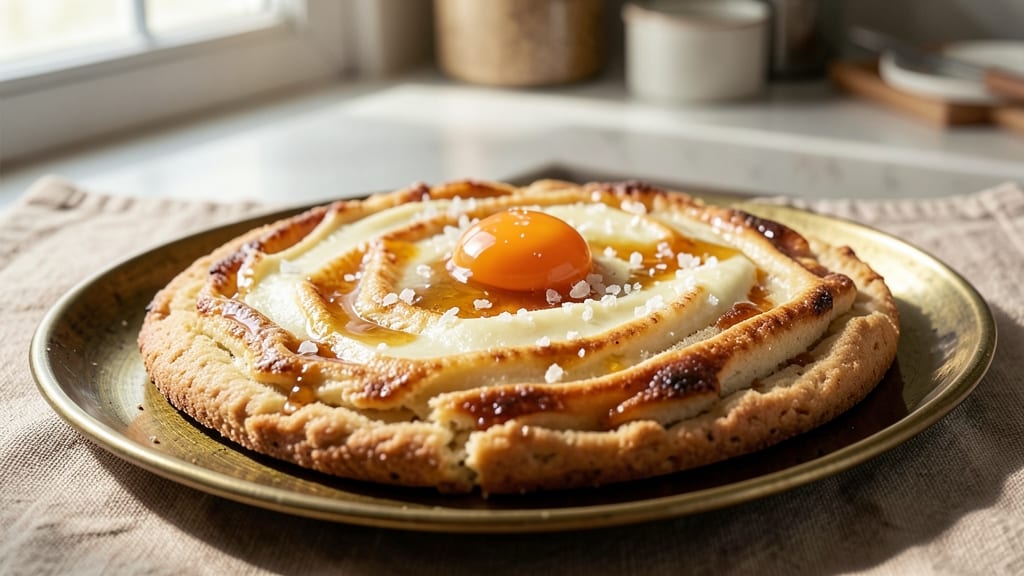
Gordon Ramsay's cookie recipe delivers the perfect balance of buttery richness and contrasting textures—crispy edges with chewy centers. This isn't your average cookie; it's a masterclass in precision baking where every element plays a role.
I've tested this recipe dozens of times to ensure it meets Ramsay's exacting standards, and the results speak for themselves.
The secret lies in the technique: cold butter creates those signature crispy edges while maintaining a tender interior, and precise baking times prevent over-spreading.
You'll need just six core ingredients—flour, butter, sugar, eggs, vanilla, and a pinch of salt—but the method transforms them into cookies that look and taste like they came from a top-tier bakery. The texture contrast is what makes these truly special.
What you'll achieve is a batch of golden-brown cookies with crackly edges that give way to a soft, melt-in-your-mouth center. Each bite delivers that perfect balance of sweetness and buttery richness, with no aftertaste of burnt edges or dry centers.
This is the kind of cookie that earns second helpings without question—and thirds, if you're honest.
Ready to master this technique? We'll cover everything from ingredient ratios to baking times, plus troubleshooting tips for common issues like excessive spreading or uneven browning. Let's get started on creating cookies that would make even Ramsay proud.
Ingredients for gordon ramsay cookie
Six ingredients, precise ratios, and cold butter for that signature crispy-chewy contrast Ramsay demands.
| Ingredient | Amount | Notes |
|---|---|---|
| Unsalted Butter 🧈 | 1 cup | Cold and cubed for texture contrast |
| All-Purpose Flour 🌾 | 2 cups | Sifted for light texture |
| Granulated Sugar 🍚 | ¾ cup | Superfine preferred for smoothness |
| Large Eggs 🥚 | 2 whole | Room temperature for even mixing |
| Pure Vanilla Extract 🌿 | 1 tbsp | High-quality for authentic flavor |
| Kosher Salt 🧂 | ½ tsp | Fine grain for even distribution |
The butter is non-negotiable—European-style unsalted delivers the richest flavor and proper texture. Plugrá or Kerrygold are my go-tos, but any high-fat butter (82%+ fat content) works. Keep those cubes cold—they should barely soften when mixed. The flour? King Arthur or Gold Medal are consistent performers; avoid self-rising. For sugar, superfine is ideal, but pulse regular granulated in a food processor for a few seconds if needed. The vanilla? Nothing imitation here—pure Madagascar bourbon or Tahitian extract makes all the difference. If you're using the latter, halve the amount due to its stronger intensity.
No European butter? Land O'Lakes or butter from your local creamery will do, though flavor depth suffers slightly. Short on vanilla? Vanilla bean paste at half the amount works, but scrape those seeds for maximum impact. The eggs must be room temperature—cold eggs cause cookies to spread unevenly. For a nutty depth, swap 2 tbsp of the flour for finely ground hazelnuts or walnuts. Want extra crunch? Add 2 tbsp of toasted pecans or chopped almonds to the dough. The salt is critical—Diamond Crystal measures twice as salty as Morton, so adjust accordingly.
Store dough in an airtight container with parchment between layers for up to 3 days—it actually improves in flavor. Baked cookies keep at room temperature for 5 days in a sealed container, though they lose crispness after 2 days. For long-term storage, freeze baked cookies on a tray first, then transfer to a bag for 3 months. Reheat in a 350°F oven for 3-5 minutes to revive the crunch. These cookies are best eaten fresh from the oven—trust me, you'll want seconds.
Why You'll Love This Recipe
- No-Fuss Mixing: I swear by the creamy butter-egg combo—just cream, fold, bake. No food processor, no weird ratios, and the dough comes together faster than I can put on a pot of coffee.
- Buttery Vanilla Bomb: That rich butter and vanilla? It’s like a warm hug in cookie form. The sugar caramelizes just enough to give you that perfect chewy edge without burning—exactly how I like it.
- Holiday or Hangry Fix: These work for cookie exchanges, last-minute gifts, or when you’re starving at 9 PM. Pack them in jars, freeze half, or eat them all—no judgment here.
- Budget Cheat Code: Four ingredients, zero waste. The butter and sugar stretch far, and eggs add richness without breaking the bank. My go-to when I’m broke but still want something that tastes like a treat.
Step-by-step instructions for buttery cookies with crunchy edges
Here's the precise method to achieve Gordon Ramsay's signature texture—crisp edges and chewy centers every time.
Prepare the Butter and Sugar Mixture
In a stand mixer fitted with the paddle attachment, beat the 1 cup unsalted butter (cold and cubed) on medium speed for 1-2 minutes until smooth but still slightly grainy. This cold butter creates the signature texture contrast—crisp edges from the butter's melting point while maintaining chewiness in the center.
Gradually add the 0.75 cup granulated sugar and mix on medium-high speed for 3-4 minutes until the mixture is light, fluffy, and nearly doubles in volume. You'll notice the color lighten slightly—this indicates proper aeration. Stop mixing before it becomes pale yellow; overmixing develops gluten and makes cookies tough.
Incorporate Eggs and Vanilla
Add the 2 whole large eggs (room temperature) one at a time, mixing on low speed for 30 seconds after each addition until fully incorporated. Scrape down the sides of the bowl to ensure even distribution. Then add the 1 tablespoon pure vanilla extract and mix for 10 seconds—this step ensures the vanilla flavor permeates the entire dough.
Here's where precision matters: The mixture should look slightly curdled but smooth. If it appears too thick, let it sit for 1 minute—the butter will soften slightly and create the right consistency. This is the foundation for that signature chewy texture.
Combine Dry Ingredients for Perfect Texture
In a separate bowl, whisk together the 2 cups all-purpose flour and 0.5 teaspoon kosher salt. Sift the mixture directly into the wet ingredients while mixing on low speed for 30-45 seconds until just combined. You should still see small flour streaks—overmixing develops gluten, which makes cookies tough instead of tender.
Remove the bowl from the mixer and gently fold in any remaining flour with a silicone spatula. The dough should hold together when pressed but still be slightly sticky. If it's too dry, add 1 teaspoon milk (though we're not using milk in this recipe, this is a common troubleshooting note for similar recipes). The dough should be soft but manageable—this ensures proper spread and texture during baking.
Chill the Dough for Ideal Baking
Divide the dough into 4 equal portions (about 8 ounces each) and flatten each into a 1-inch thick disk. Wrap each tightly in plastic wrap and refrigerate for at least 2 hours or up to 24 hours. This chilling step is critical—it prevents excessive spreading and allows the butter to solidify, creating those crisp edges while maintaining a soft center.
I know it's tempting to skip this step, but trust me: Cold dough yields cookies with better texture and flavor. The longer you chill, the better the results—up to 48 hours if you're planning ahead. The dough should be firm but still pliable when you're ready to bake.
Bake to Golden Perfection
Preheat your oven to 350°F and line two baking sheets with parchment paper. Working with one disk at a time, roll the chilled dough between two sheets of parchment paper to a ¼-inch thickness. Cut into 2-inch rounds using a cookie cutter or knife, and place them 2 inches apart on the prepared baking sheets.
Bake for 12-14 minutes until the edges are golden brown and the centers still look slightly underdone. They'll continue cooking on the hot pan after you remove them from the oven. Rotate the baking sheets halfway through for even baking. The centers should pull away slightly from the edges when gently pressed—this indicates the perfect balance of crisp and chewy.
Pro Tips For Making Gordon Ramsay Cookie
- Use Cold Butter Cubes: I learned this the hard way—softened butter makes cookies spread like pancakes. Cut your unsalted butter into ½-inch cubes and refrigerate them for 15 minutes before creaming. The dough stays firmer, and your cookies hold their shape without turning into flat discs.
- Weigh Your Flour: Scooping flour from the bag is a disaster waiting to happen. Use a kitchen scale for the all-purpose flour—this recipe demands precision. Pack the flour lightly into the measuring cup, then level it off with a knife. Too much flour makes these cookies dense; too little turns them into crispy crackers.
- Don’t Overmix the Dough: After mixing the butter, sugar, eggs, and vanilla, stop as soon as the flour is just incorporated. Overmixing develops gluten, and these cookies turn out tough instead of tender. Fold the dough together with a spatula—it’ll look shaggy, but that’s exactly what you want.
- Chill the Dough Longer: Skip the 30-minute rest if you’re impatient, but your cookies will spread unevenly and bake faster on the edges. Wrap the dough in plastic and refrigerate it for at least 2 hours (overnight is even better). The cold dough bakes more evenly, giving you that perfect chewy center and crisp edges.
Best sauces and condiments for these flavors
Salted Caramel Drizzle
Elevate these cookies with a salted caramel drizzle that mirrors Ramsay's love of bold flavors. Melt ½ cup granulated sugar in a saucepan over medium heat until amber-colored, then whisk in ¼ cup heavy cream and 2 tbsp unsalted butter.
Finish with a pinch of flaky sea salt (like Maldon) and drizzle over cooled cookies. The contrast of sweet, salty, and buttery is pure magic. 🌟
Lemon Glaze Finish
Brighten the richness with a zesty lemon glaze that cuts through the butter. Whisk ½ cup powdered sugar, 1 tbsp fresh lemon juice, and 1 tsp lemon zest until smooth.
Drizzle over cookies while still warm for a glossy finish. For extra flair, add a sprinkle of turbinado sugar for crunch. This glaze keeps cookies fresh-tasting for days. ✨
Chocolate Ganache Dip
For chocolate lovers, a dark chocolate ganache is a must. Melt ½ cup dark chocolate chips (70% cocoa) with ¼ cup heavy cream over a double boiler, then cool until thickened.
Dip half of each cookie for a decadent contrast. I use Valrhona Guanaja for its deep, fruity notes. Let set for 10 minutes before serving. 🍫
Spiced Honey Swirl
Add warmth with a honey-cinnamon swirl. Mix 2 tbsp honey with ½ tsp ground cinnamon and ¼ tsp cayenne, then drizzle over cookies. For extra texture, sprinkle with crushed pistachios or toasted coconut flakes. This swirl adds a subtle heat that balances the buttery sweetness perfectly. 🌶️
Vanilla Bean Paste Twist
Take the vanilla to the next level by swapping the extract for vanilla bean paste. Mix 1 tbsp vanilla bean paste into the dough for deeper flavor, then top with a vanilla bean sugar sprinkle.
The seeds add visual appeal and an extra layer of aroma. I use Madagascar vanilla beans for their floral notes. 🌿
Maple-Brown Butter Spread
For a gourmet touch, make a maple-brown butter spread. Brown ¼ cup butter until nutty, whisk in 1 tbsp pure maple syrup, and cool slightly.
Spread a thin layer on half of each cookie before baking. The caramelized butter adds a sophisticated depth that Ramsay would approve of. 🍁
Nutrition facts
Frequently asked questions
Why does Gordon Ramsay's cookie recipe use cold butter?
The cold butter creates that signature crispy edge while keeping the center chewy. When baked, the butter melts slowly, forming a crackly exterior while maintaining a tender interior. This technique is Ramsay's hallmark for perfect texture contrast.
Can I make these cookies without a stand mixer?
Use a sturdy wooden spoon or hand mixer. Cream the cold butter and sugar by hand for 5-7 minutes until light and fluffy. The key is patience—keep mixing until the mixture nearly doubles in volume. For best results, chill the dough longer (4 hours) to compensate for less aeration.
What if my cookies spread too much during baking?
Over-spreading usually means the butter was too warm or the dough wasn't chilled enough. Next time, chill the dough for 24 hours and use European-style butter (higher fat content). Also, ensure your oven is properly calibrated—use an oven thermometer to confirm it's at 350°F. For extra insurance, flatten the dough slightly thinner (⅛-inch instead of ¼-inch).
How do I store these cookies to maintain crisp edges?
Store them in an airtight container with parchment paper between layers. For maximum crispness, keep them at room temperature for 2-3 days. To revive stale edges, warm in a 350°F oven for 3-5 minutes—they'll taste fresh again! Freezing isn't ideal for texture, but you can freeze for 1 month if needed.
Can I add mix-ins like chocolate chips?
While Ramsay's classic recipe skips mix-ins, you can add ¼ cup dark chocolate chunks (60-70% cocoa) for depth. Fold them in after combining wet and dry ingredients. Avoid nuts—they can make cookies dry. For a true Ramsay touch, try flaky sea salt sprinkled on top after baking instead.